Propagation
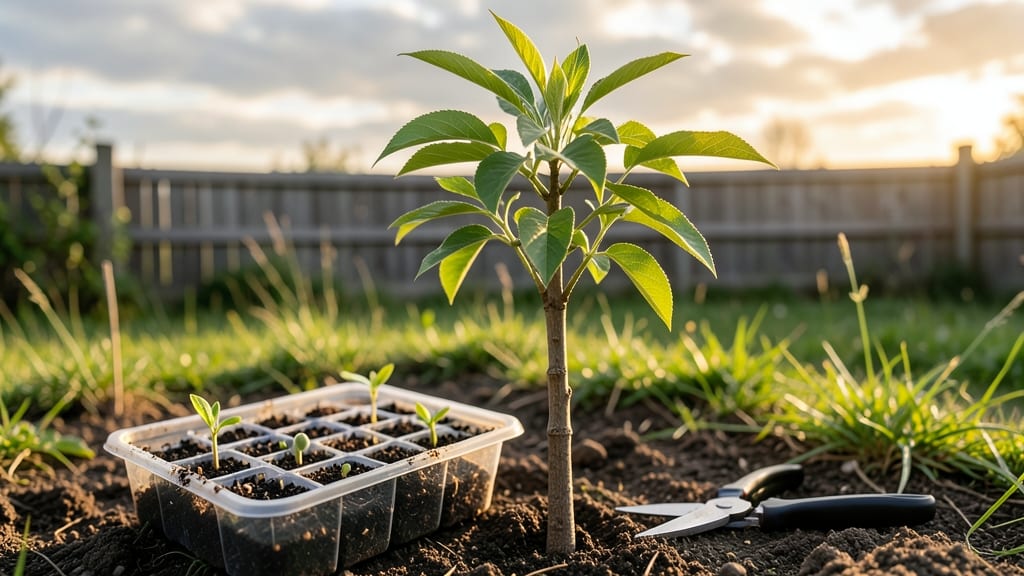
Growing an almond tree from seed is the ultimate test of patience—it takes 5-7 years before you even see a flower, let alone a nut. 🌱 I tried it after eating a store-bought almond and wondering if I could grow my own, only to learn the hard way that most store-bought almonds won’t sprout true-to-type trees.
But with the right seed and conditions, this project becomes a rewarding long-term experiment in nature’s timing.
The key to success starts with a fresh, untreated almond seed—preferably from a local tree—soaked overnight to soften the hard shell. Plant it just half an inch deep in well-draining soil, keeping it warm (around 70°F) and consistently moist for the first few weeks.
Germination can take 4-8 weeks, and even then, not every seed will sprout. Think of it as a gamble with nature, but one worth taking for the thrill of nurturing something that might one day bear fruit.
What you’ll get isn’t a guaranteed nut producer—most seed-grown almonds won’t bear true-to-type fruit—but the journey itself is fascinating. Watching a tiny seedling stretch toward the sun, then develop into a sturdy young tree, is its own reward.
Even if it never fruits, the process teaches you about almond trees’ quirks, like their need for cross-pollination and warm, dry climates to thrive.
If you’re in a colder zone, consider growing it in a container for now and moving it outdoors in summer. The real magic happens in years 5-7, when the tree finally matures enough to flower.
Until then, enjoy the slow, steady progress of watching a tree grow from a single seed—because the best harvests start with the longest patience.
📚 In This Guide
- What you need
- Instructions
- Tips and common mistakes
- Wrapping up and next steps
What you need
- ● Almond seeds: 2–5 fresh, high-quality seeds (harvested from organic almonds or a trusted source). Pro tip: 💡 Choose seeds from heirloom or non-hybrid varieties for the best results!
- ● Well-draining potting mix: 5–10 gallons of a blend designed for citrus or Mediterranean plants (or mix 60% cactus/succulent soil with 40% perlite/pumice).
- ● Containers: 1–2 small pots (4–6 inches wide) for germination.
- ● 1 larger pot (10–12 inches wide) for seedlings (or a nursery bed if outdoors).
- ● Grow lights or sunny window: A full-spectrum LED grow light (12–16 hours/day) or a south-facing window with bright, indirect light.
- ● Watering can or spray bottle: With a fine mist setting for gentle hydration.
- ● Fertilizer: A balanced, slow-release fertilizer (10-10-10 ratio) or organic options like fish emulsion or alfalfa meal.
- ● Pruning shears: Small, sharp pair for trimming seedlings.
- ○ Heat mat (optional): To maintain soil temps at 70–80°F during germination.
- ● Humidity dome or plastic wrap: Keeps moisture levels high for sprouting seeds.
- ○ Thermometer (optional): To monitor soil and air temperature.
- ● Label markers: To track seed varieties and planting dates.
- ● Patience: Almond trees from seed take 5–10 years to bear nuts! 🌱⏳
- ● Climate check: Almonds thrive in USDA Zones 5–9 with hot, dry summers and cold winters.
- ● Space: Mature trees need 20–30 feet of space (or dwarf varieties for containers).
- ● Time: Commit to daily checks for moisture, light, and pests.
Step-by-step guide to growing an almond tree from seed
Here's how to nurture a single seed into a thriving tree—it takes time, but the reward is worth it.
🌱 Step 1: Extract and Stratify the Seed
Almond seeds need cold stratification to break dormancy. Start by carefully cracking open a fresh almond—don’t use roasted or salted ones, as the heat kills viability. Remove the seed inside and place it between two damp paper towels. Fold the towels to cover the seed completely, then place them in a sealed plastic bag.
Store the bag in your refrigerator for 8-12 weeks, checking the towels weekly to ensure they stay moist but not soggy. The seed will begin to sprout during this period—you’ll see a tiny white root emerge first. This cold treatment mimics winter conditions and signals the seed it’s safe to grow. Real talk: if you skip stratification, your seed may never sprout.
💧 Step 2: Plant the Stratified Seed
Once the seed has sprouted a ½-inch root, it’s ready for planting. Fill a small pot—3-4 inches deep—with a well-draining mix of 50% potting soil and 50% perlite. Press the soil down gently to create a firm but loose surface. Plant the seed ½ inch deep, ensuring the root points downward.
Water lightly until the soil feels evenly moist, but not waterlogged. Place the pot in a warm, sunny spot—65-75°F—where it gets 6+ hours of indirect sunlight daily. A south-facing window works well, but avoid direct midday sun, which can scorch tender new growth. You’ll notice the first true leaves appear in 4-6 weeks, signaling successful germination.
☀️ Step 3: Transplant and Provide Full Sun
When the seedling reaches 6 inches tall and has 4-6 true leaves, it’s time to transplant into a larger container—8-10 inches deep—or directly into the ground if your climate allows. Almond trees thrive in USDA zones 5-9 and need full sun for optimal growth. Choose a spot with well-draining soil, as almonds hate soggy roots.
Water deeply after transplanting to help the roots settle. Mulch around the base with 2-3 inches of organic mulch to retain moisture and regulate soil temperature. Here’s the thing—almond trees grow slowly, so patience is key. You won’t see nuts for 5-7 years, but the journey is part of the reward. Watch for new growth each spring as a sign your tree is thriving.
✂️ Step 4: Prune and Care for Long-Term Growth
Pruning encourages a strong structure. In late winter or early spring, remove any dead, damaged, or crossing branches using clean, sharp pruners. Cut just above a bud or branch junction to promote healthy regrowth. Almond trees benefit from light pruning—don’t overdo it, as they produce flowers on old wood.
Fertilize lightly in early spring with a balanced 10-10-10 fertilizer, following package instructions. Almond trees are drought-tolerant once established, but young trees need regular watering—1-2 gallons weekly during dry spells. You’ll know your tree is happy when it produces pink blossoms in early spring, a sure sign it’s on track for future nut production.
Tips & tricks for growing an almond tree from seed
Transforming a humble almond seed into a thriving tree requires patience and precision—here’s how to maximize your success at every stage.
The Stratification Secret: During those critical 8-12 weeks in the refrigerator, place your sealed bag on a shelf near the crisper drawer where temperatures hover around 35-40°F. This cooler environment mimics natural winter conditions and significantly improves germination rates. Confession: I skipped this detail my first time and ended up with a seed that never sprouted—don’t make my mistake!
Root Development Watch: Once you see that ½-inch root emerge in Step 2, resist the urge to rush planting. Let the root grow another ¼ inch before transferring to soil—this extra length gives your seedling a better chance to establish itself. I’ve found that seedlings with slightly longer roots transplant more successfully and show faster initial growth.
Lighting Strategy: While 65-75°F is ideal for germination, the lighting conditions matter just as much. Place your seedling near an east-facing window where it gets morning sun and gentle afternoon light. If you notice leaves turning yellow or stretching excessively, it’s getting too much direct sun—move it back a few inches. This balance prevents scorching while ensuring strong growth.
Transplanting Timing: When your seedling reaches 6 inches with 4-6 true leaves, don’t wait until it’s pushing 8 inches before transplanting. The sooner you move it to its larger container or garden spot, the better it adapts to its permanent environment. I’ve seen seedlings that grew too large in their small pots develop root-bound issues that took months to recover from.
Pro Tips for Grow Almond Tree From Seed
- Transforming a humble almond seed into a thriving tree requires patience and precision—here’s how to maximize your success at every stage.
- The Stratification Secret: During those critical 8-12 weeks in the refrigerator, place your sealed bag on a shelf near the crisper drawer where temperatures hover around 35-40°F.
- Root Development Watch: Once you see that ½-inch root emerge in Step 2, resist the urge to rush planting.
Frequently asked questions
Got questions about growing almond trees from seed? You’re not alone! Here are some of the most common queries—and their answers—to help you navigate the nutty journey with confidence.
How long does it take for an almond seed to sprout?
Almond seeds are notoriously slow to sprout—often taking 2 to 4 weeks in warm, moist conditions. Some may even take up to 6 weeks! Patience is key, as cold stratification (the pre-soaking/chilling process) can delay germination further. Keep the soil consistently moist and warm (around 70°F) to encourage sprouting.
Will my seed-grown almond tree bear nuts?
Unfortunately, seed-grown almond trees rarely produce edible nuts—they’re more likely to yield small, bitter, or inedible fruit. This is because almonds are not true seeds but rather drupes (stone fruits), and their genetics don’t reliably reproduce through seed propagation. For nut-bearing trees, grafting is the way to go!
What’s the best temperature for germinating almond seeds?
Almond seeds thrive in warmth, ideally between 65°F and 75°F (18°C–24°C). If your home is cooler, consider using a seedling heat mat or placing the pot near a sunny window. Avoid extreme heat (above 85°F), as it can dry out the seed too quickly. Humidity trays or plastic wrap can also help maintain moisture.
Can I grow an almond tree indoors?
While possible, growing an almond tree indoors is challenging due to their size (they can reach 20–30 feet tall) and need for full sun (6+ hours/day). If you’re determined, start with a dwarf variety in a large pot near a south-facing window and supplement with grow lights. However, outdoor planting is strongly recommended for long-term success.
Why isn’t my almond seed sprouting?
If your seed isn’t sprouting after 6+ weeks, check these common issues:
- Improper stratification: Ensure you soaked the seed in warm water for 24–48 hours and chilled it for 4–8 weeks.
- Dry soil: Almond seeds need consistent moisture—don’t let the soil dry out.
- Old or damaged seed: If the seed is shriveled or moldy, it may not germinate.
- Poor drainage: Overwatering can suffocate the seed. Use a well-draining mix.
Wrapping up and next steps
Growing an almond tree from seed is a rewarding journey that blends patience with the joy of nurturing life.
While the process may take years to bear fruit—literally—each step strengthens your connection to nature and your green-thumb skills. Once your tree is established, celebrate the small victories, like new leaves or blossoms, and trust the process!
Ready to take the next step? Start small:
- Explore local almond varieties to find the best fit for your climate.
- Join gardening forums or local groups to swap tips and troubleshoot challenges.
- Consider cross-pollination if you dream of almonds—research companion trees or hand-pollinate!