
Propagation
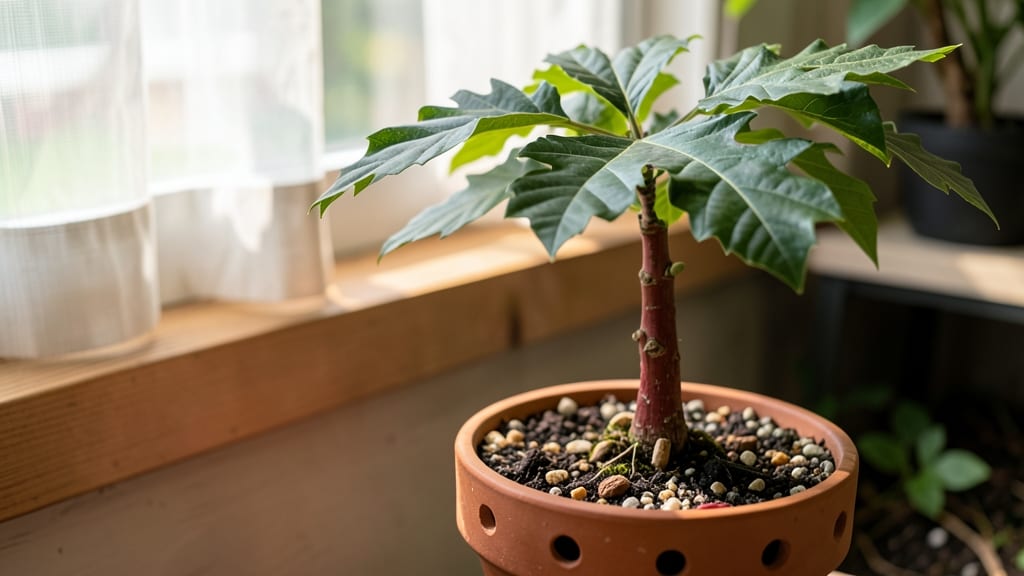
Growing a jackfruit tree from seed means tropical harvests could be yours in just three years—though it’ll take patience, warmth, and the right soil mix. 🌿 I’ve watched these seeds sprout into towering trees with massive fruit, and the process starts with selecting the plumpest, firm seeds from a ripe jackfruit.
These aren’t your typical fast-growing houseplants; they demand heat, humidity, and space, but the payoff—sweet, syrupy fruit—is worth every effort.
The first challenge is germination, which can take 4-6 weeks if you’re lucky. You’ll need a warm spot (75-85°F), moist sphagnum moss or coconut coir, and a clear plastic bag to trap humidity.
Once sprouted, the seedlings grow fast—2-3 feet in their first year—but they’re sensitive to cold drafts. My first attempt nearly died when a late spring frost snuck in, so I now keep mine indoors until temperatures stay above 50°F consistently.
By year three, you’ll see real growth: glossy leaves, sturdy trunks, and—if conditions are perfect—tiny flower clusters. The fruit itself takes 5-7 years to mature fully, but even young trees produce edible (though smaller) jackfruit.
The key is consistent watering, rich soil, and plenty of sunlight—think of it like nurturing a tropical houseplant, but bigger. With the right care, your seedling could become a backyard staple.
This isn’t a quick project, but the journey is fascinating. You’ll learn about tropical plant needs, troubleshoot pests like mealybugs, and maybe even experiment with grafting for faster fruit. For now, just focus on that first sprout—it’s the start of something extraordinary. Ready to begin?
📚 In This Guide
- What you need
- Instructions
- Tips and common mistakes
- Wrapping up and next steps
What you need
- ● Jackfruit seeds: 3–5 fresh, plump seeds (harvested from ripe fruit; avoid dried or shriveled seeds).
- ● Well-draining potting mix: 1–2 gallons of a blend like 60% peat moss, 30% perlite, and 10% coconut coir (or a cactus/succulent mix).
- ● Small pots or seed trays: 4–6-inch diameter pots (or a tray with drainage holes) for germination.
- ● Drainage trays or saucers: To catch excess water and prevent root rot.
- ● Spray bottle: For gentle watering during germination.
- ○ Humidity dome or plastic wrap: To maintain moisture (optional but helpful for tropical seeds).
- ● Grow lights or sunny windowsill: A spot with 6–8 hours of indirect light daily (or a 12-hour grow light for seedlings).
- ● Fertilizer: A balanced, water-soluble fertilizer (e.g., 10-10-10 NPK) for young seedlings.
- ● Pruning shears: Small, sharp pair for trimming as the tree grows.
- ○ Support stake or trellis: For young trees (optional but recommended if growing in windy areas).
- ● Seed germination accelerator: Like Rootone to speed up sprouting.
- ● Soil moisture meter: To monitor hydration levels without overwatering.
- ● Mulch: Organic mulch (e.g., shredded bark) to retain moisture and regulate soil temperature.
- ● Pest control: Neem oil or insecticidal soap for early pest prevention.
- ● Larger container (5+ gallons): For transplanting once seedlings are 6+ inches tall.
Step-by-step instructions for cultivating a jackfruit tree from seed
Here’s how to nurture a tropical giant from a seed—patience and warmth are your best tools.
🌱 Step 1: Extract and Prepare the Seed
Jackfruit seeds are large and fibrous, so start by removing them from the fruit. Rinse them thoroughly to clean off any remaining pulp, then let them dry for 24 hours at room temperature. The outer husk is tough—use a knife to carefully score it in a cross pattern without cutting too deep. This helps water penetrate during soaking.
Place the scored seeds in a bowl of warm water for 48 hours. You’ll notice the husk softening and the seed swelling slightly—this breaks dormancy. After soaking, gently rub the husk between your fingers to loosen it further. The goal is to expose the seed without damaging it. If the husk resists, soak another 12 hours—patience here prevents rot later.
💧 Step 2: Germinate in a Warm, Moist Environment
Fill a 6-inch diameter pot with a well-draining seed-starting mix (avoid garden soil—it’s too dense and may harbor pathogens). Moisten the mix until it’s damp but not soggy. Plant the seed 1 inch deep, with the scored side facing upward. This orientation encourages upward growth and prevents the seed from sitting in waterlogged soil.
Cover the pot with a clear plastic dome or plastic wrap to retain humidity and warmth. Place it in a location where temperatures stay consistently between 75-85°F. A seedling heat mat can help maintain warmth if your home runs cooler. Check daily for condensation—mist lightly if the dome fogs up, but avoid overwatering. Germination can take 2-4 weeks, so stay patient. You’ll know it’s working when you see a tiny sprout pushing through the soil.
☀️ Step 3: Transition to Light and Larger Containers
Once the seedling emerges and develops its first true leaves (not the initial seed leaves), remove the plastic dome immediately. This prevents damping-off, a fungal disease that attacks young seedlings. Move the pot to a bright, indirect light spot—direct sun at this stage can scorch tender leaves. A south-facing window works well, but if growth slows, supplement with a grow light for 12-14 hours daily.
When the seedling reaches 6 inches tall and has 4-6 leaves, it’s time to repot into a 1-gallon container with fresh seed-starting mix. Gently loosen the roots if they’re circling the pot, then place the seedling deeper than it was before—this encourages stability. Water thoroughly after repotting, but avoid letting water pool in the saucer. Overwatering at this stage can cause root rot, which is fatal for young jackfruit trees.
🪴 Step 4: Harden Off and Prepare for Outdoor Life
Jackfruit trees thrive in tropical climates, so they need gradual acclimation to outdoor conditions. After 3-4 months of indoor growth, start hardening off by placing the seedling outside in a sheltered, shaded spot for 1-2 hours the first day. Increase exposure by 1 hour daily over 2 weeks, slowly introducing it to morning sun first. This prevents leaf burn and shock. By the time it’s been outside for a full day, it should be ready for its permanent outdoor location.
Choose a spot with partial shade initially—young trees can’t handle full sun yet. Plant in well-draining soil with a pH of 6.0-7.5. Mulch around the base with 2-3 inches of organic mulch to retain moisture and regulate soil temperature. Water deeply once a week, ensuring the soil stays moist but not waterlogged. You’ll see new growth within 4-6 weeks—this is your sign the tree is adapting well.
⏰ Step 5: Long-Term Care for Fruit Production
Jackfruit trees grow slowly but steadily, so expect 3-5 years before they bear fruit. During the first year, focus on watering deeply every 10-14 days—let the top 2 inches of soil dry out between waterings to encourage deep root growth. Fertilize lightly with a balanced, slow-release fertilizer (10-10-10) every 3 months in spring and summer. Avoid heavy feeding, as jackfruit trees are sensitive to excess nutrients.
Once the tree is established, prune to remove dead or diseased branches and shape it to encourage an open canopy. This improves air circulation and fruit production. By year 3, you may see small flowers—these are monoecious, meaning male and female flowers appear on the same tree. Pollination is critical, so hand-pollinate flowers with a small brush if natural pollinators are scarce. With patience and care, you’ll eventually harvest large, aromatic jackfruit—worth every step of the journey.
Tips & tricks for growing a jackfruit tree from seed
Real talk: Growing a jackfruit tree from seed is more about patience than technique. Here’s how to avoid the common pitfalls that trip up even experienced gardeners.
Seed Preparation: That 24-hour drying period after rinsing is non-negotiable—it prevents mold from forming between the husk and seed. I learned this the hard way after dealing with three batches of rotting seeds. For extra insurance, place your seeds on a paper towel in a single layer while drying. This prevents moisture buildup between seeds that can cause them to rot before they even get to soaking.
Germination Environment: The 75-85°F temperature range is critical, but consistency matters more than exact numbers. If your home runs cooler, a seedling heat mat set to 75°F is your best friend. I’ve seen germination fail completely when placed near drafty windows or air vents—even slight temperature fluctuations can delay or prevent sprouting. Place your pot in a spot where the thermostat reading stays stable, like a kitchen counter away from appliances.
Light Transition: When your seedling gets its first true leaves in Step 3, don’t rush to move it to direct sun. Start with bright, indirect light for at least a week to harden those leaves. I’ve watched seedlings get sunburned within hours of moving to direct light—you’ll see it as crispy, white patches on the leaves. If you’re using a grow light, position it 6-12 inches above the plant and adjust as it grows to maintain consistent light intensity.
Harden Off Gradually: The 1-2 hour outdoor exposure on day one might seem short, but this is about acclimation, not duration. If you increase exposure too quickly, you risk shocking the plant. Watch for wilting as your signal—if leaves droop after just an hour, bring it back inside and extend the next session by only 30 minutes. The goal is to build resilience, not force adaptation. This gradual approach is what separates thriving seedlings from those that struggle once planted outdoors.
Pro Tips for Growing Jackfruit Tree From Seed
- Real talk: Growing a jackfruit tree from seed is more about patience than technique.
- Seed Preparation: That 24-hour drying period after rinsing is non-negotiable—it prevents mold from forming between the husk and seed.
- Germination Environment: The 75-85°F temperature range is critical, but consistency matters more than exact numbers.
Frequently asked questions
Got questions about growing jackfruit from seed? You’re not alone—this tropical fruit tree can be tricky for beginners! Here are answers to the most common concerns to help you succeed.
How long does it take for a jackfruit seed to sprout?
A jackfruit seed typically sprouts within 2–4 weeks if kept in warm, moist conditions (75–85°F). If you don’t see sprouts after 6 weeks, gently check for rot or adjust humidity. Patience is key—some seeds take longer!
Can I grow a jackfruit tree indoors?
While possible, jackfruit trees thrive outdoors in tropical climates. Indoors, they’ll need bright, indirect light (like a sunroom) and may grow slowly. Expect limited fruit production unless you have a large greenhouse with high humidity and warm temperatures year-round.
Why is my jackfruit seedling wilting or turning yellow?
Wilting or yellowing leaves often signal overwatering or poor drainage. Let the top 1–2 inches of soil dry between waterings, and ensure your pot has drainage holes. Yellowing can also mean nutrient deficiency—try a balanced fertilizer once the seedling is 6+ inches tall.
Are jackfruit seeds viable for years? How should I store them?
Fresh jackfruit seeds sprout best, but you can store them for 3–6 months in a cool, dry place (like a paper bag in the fridge). For longer storage, dry the seeds completely and refrigerate them in a sealed container. Avoid freezing—it kills viability!
Will my homegrown jackfruit tree produce edible fruit?
Yes! With proper care, your tree can bear fruit in 3–5 years (sometimes sooner in ideal climates). However, seed-grown trees may take longer to fruit than grafted varieties. Choose a healthy seed from a ripe, organic jackfruit for the best chances of success.
Wrapping up and next steps
Growing a jackfruit tree from seed is a rewarding journey that unlocks the potential for a tropical harvest in just a few years! 🌱 With patience, the right conditions, and a little care, you’ll soon enjoy fresh, fragrant jackfruit straight from your backyard.
Whether you’re drawn to its unique flavor or the thrill of nurturing a fruit tree, this project is well within reach.
Now that you’re armed with the knowledge, take the next step—gather your supplies and start planting! Watch your seedling grow into a thriving tree, and soon, you’ll be savoring the sweet, satisfying taste of homegrown jackfruit. Happy growing! 🌿