
Pruning
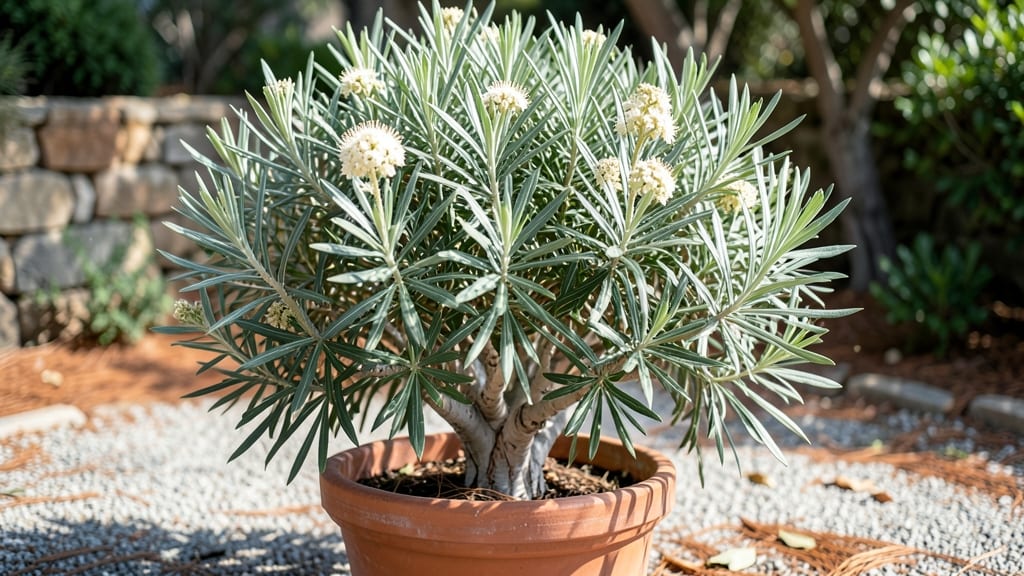
Growing hardy eucalyptus trees in the Pacific Northwest means year-round structure and lush greenery that never sleeps. 🌿 I've watched mine stand tall through winter storms while still looking fresh in summer, and the secret lies in understanding their unique needs—especially when it comes to pruning and climate adaptation.
The right approach starts with choosing a cold-hardy variety like Eucalyptus gunnii or Eucalyptus vernicosa, which thrive in zones 7-9 and can handle brief dips below freezing. Plant in well-draining soil with full sun exposure, and you'll see vigorous growth that rewards even the busiest gardener with minimal fuss.
The key is balancing moisture—too much can rot roots, while too little stunts growth.
With proper pruning, you'll sculpt a tree that stays compact yet striking, with silvery-blue foliage that glows even on gray days. The best time to shape it is late winter or early spring, before new growth begins, but light trimming after frost ensures it recovers quickly.
Healthy trees resist pests naturally, and their strong structure means fewer branches break in wind or snow.
Whether you're planting a single specimen or creating a windbreak, these trees deliver drama with minimal maintenance. The first few years focus on establishing roots, but once settled, they become the backbone of your landscape—drought-tolerant, deer-resistant, and always photogenic. Let's get yours thriving!
📚 In This Guide
- What you need
- Instructions
- Tips and common mistakes
- Wrapping up and next steps
What you need
- ● Pruning shears: Bypass pruners (for small branches, ¼"–½" thick) – 1 pair
- ● Loppers: 6"–8" bypass loppers (for branches ½"–2" thick) – 1 pair
- ● Pruning saw: Curved-tooth pruning saw (for branches 2"–4" thick) – 1
- ● Extension pole: 6–10 ft telescoping pole saw (for high branches) – 1
- ● Disinfectant: 70% isopropyl alcohol or pruning sealant (to prevent disease) – small bottle
- ● Heavy-duty gloves: Cut-resistant, waterproof gloves (for grip and protection) – 1 pair
- ● Safety gear: Safety glasses and long sleeves (to protect from debris) – 1 set
- ● Trash bags: 30+ gallon contractor bags (for debris disposal) – 2–3 bags
- ● Sharpener: Pruner sharpening tool (to keep blades in top condition)
- ● Ladder: Sturdy, extendable ladder (if tree exceeds 10 ft)
- ● Marking twine: For tagging branches to remove (if planning ahead)
- ● Mulch: Wood chips or bark (to protect roots post-pruning)
Step-by-step guide for pruning hardy eucalyptus in the Pacific Northwest
Here's the seasonal approach I've used to keep my eucalyptus looking stunning year-round.
✂️ Step 1: Light Pruning in Early Spring (March-April)
Start by removing any dead, damaged, or crossing branches with clean, sharp pruning shears. I focus on the lower third of the tree first—this opens up space for new growth and improves airflow. Look for branches that rub against each other or grow inward; these will compete with your tree's natural shape.
Make cuts just above a leaf node or outward-facing bud to encourage healthy regrowth. Avoid cutting into old wood—you'll know it's too old if the branch is thick and hollow-sounding when tapped. For larger branches, I use a pruning saw and seal the cuts with tree wound pruning paste to prevent disease entry.
🌿 Step 2: Structural Pruning in Late Spring (May-June)
This is when I shape the tree's natural form while it's actively growing. Stand back and visualize the tree's mature shape—eucalyptus naturally grows in a vase-like form, so I remove branches that disrupt this silhouette. Focus on thinning out dense areas where light can't penetrate; you'll see new shoots emerging from the center as you work.
Never remove more than 25% of the tree's foliage in one session. For hardy varieties, I limit cuts to 1/3 of any branch's length to avoid stressing the tree. After pruning, give the tree a deep watering to help it recover—you'll notice fresh green growth within 2-3 weeks if the timing is right.
☀️ Step 3: Minimal Maintenance in Summer (July-August)
Summer is for light touch-ups only. Remove any suckers (shoots growing from the base) immediately—they drain energy from your main tree. I also trim any branches that have outgrown their space or are blocking walkways. The key here is patience; eucalyptus grows fast, but aggressive summer pruning can shock the tree in our humid PNW climate.
Water deeply once a week during dry spells to support new growth. You'll know the tree is happy if the new leaves appear glossy and vibrant. Avoid pruning during heatwaves—wait until temperatures drop below 85°F to prevent stress on fresh cuts.
🪴 Step 4: Cleanup Pruning in Late Fall (October-November)
Fall is all about preparation. Remove any dead branches that might harbor pests over winter, and trim back any overly vigorous growth that could snap in winter storms. I also rake up and dispose of all fallen leaves and debris—they can harbor fungal spores that might infect your tree next season.
For hardy eucalyptus, I avoid heavy pruning after mid-October to allow time for new growth to harden off before winter. A light application of mulch around the base helps protect roots from freezing temperatures. You'll see fresh, tender growth in spring that tells you the tree survived winter well.
Tips & tricks for pruning hardy eucalyptus trees
Real talk: Pruning eucalyptus isn't rocket science, but these tricks will keep your Pacific Northwest tree thriving without the guesswork.
Tool Prep Matters: Sterilize your pruning shears with rubbing alcohol between cuts to prevent disease spread. I also keep a small bucket of soapy water nearby to clean tools after handling larger branches. For hardy eucalyptus, I've found that sharp tools make cleaner cuts that heal faster—dull blades crush the wood, inviting infection.
Visualizing the Vase Shape: Step back often during structural pruning (May-June) and imagine your tree's mature vase form. Eucalyptus naturally grows this way, so you're just guiding its instincts. I sketch a rough outline on paper first—it's amazing how much clearer the cuts become when you have a visual reference. Focus on removing branches that grow straight up or outward from the trunk's center.
Seasonal Temperature Watch: Never prune when temperatures exceed 85°F (as mentioned in summer care). I've learned this the hard way—pruning during heatwaves stresses the tree, causing sap to ooze and inviting pests. Early morning sessions work best in summer, when temps are cooler and humidity is lower. For fall cleanup, I wait until after mid-October to let new growth harden off naturally.
Mulch Application Tip: When adding mulch in fall, keep it 2-3 inches thick but maintain 6 inches of space between the mulch and the trunk. This prevents rot while protecting roots. I use cedar mulch because it naturally repels pests that might target your eucalyptus during winter. Just avoid piling it against the trunk—this can create moisture traps that harm the bark.
Pro Tips for Hardy Eucalyptus Tree
- Real talk: Pruning eucalyptus isn't rocket science, but these tricks will keep your Pacific Northwest tree thriving without the guesswork.
- Tool Prep Matters: Sterilize your pruning shears with rubbing alcohol between cuts to prevent disease spread.
- Visualizing the Vase Shape: Step back often during structural pruning (May-June) and imagine your tree's mature vase form.
Frequently asked questions
Got questions about keeping your hardy eucalyptus tree thriving in the Pacific Northwest? We’ve got answers! Whether you’re a pruning pro or just starting out, this section covers the most common concerns—from timing to troubleshooting.
When is the best time to prune a eucalyptus tree in the PNW?
The ideal time is late winter or early spring (February–March), just before new growth begins. This minimizes stress on the tree and encourages strong regrowth. Avoid pruning in late summer or fall, as it can stimulate tender new shoots vulnerable to frost. Pro tip: If you must prune later, do so in early fall (September) and avoid heavy cuts.
How much can I trim back a eucalyptus tree without harming it?
Hardy eucalyptus can handle 25–30% of their canopy removed annually without stress. For structural pruning, focus on removing dead, diseased, or crossing branches first. Avoid "topping" (cutting the top flat)—this weakens the tree. If you’re unsure, start conservatively and monitor regrowth.
Why is my eucalyptus tree oozing sap after pruning?
Sap oozing (called "bleeding") is normal for eucalyptus and usually harmless. It occurs when sap vessels are cut, but the tree seals itself within weeks. To minimize mess, prune on a dry day and avoid cutting into large branches. If sap attracts pests (like wasps) or the wound doesn’t heal after 2–3 months, consult an arborist.
Can I prune eucalyptus in wet or rainy PNW weather?
No—always wait for dry, calm conditions (3–5 days of no rain). Wet tools or branches can spread disease, and pruning in damp weather stresses the tree. If rain is forecast, reschedule. Pro tip: Early morning pruning (when humidity is lower) is ideal for the PNW’s often-overcast skies.
Are there alternatives to pruning if my eucalyptus looks overgrown?
If pruning feels overwhelming, consider selective thinning to improve airflow and light penetration. For drastic overgrowth, hire a certified arborist—eucalyptus pruning requires skill to avoid permanent damage. Alternatively, plant dwarf varieties (like Eucalyptus cinerea) if space is limited, but they still need occasional pruning.
Will pruning attract pests like bees or wasps?
Pruning can disturb nests, but eucalyptus sap isn’t a magnet for pests. To minimize risks, prune early in the morning when bees/wasps are less active. Wear long sleeves and avoid cutting into hollow branches (common nesting sites). If you spot nests, call a pest control professional before pruning.
Wrapping up and next steps
Pruning your hardy eucalyptus tree in the Pacific Northwest isn’t just about aesthetics—it’s a year-round commitment to its health, structure, and longevity. 🌿 By mastering seasonal techniques, you’ll ensure your tree thrives in even the wettest, windiest conditions.
Whether you’re trimming dead branches in winter or shaping growth in spring, every cut is a step toward a stronger, more resilient eucalyptus.
Ready to take the next step? Grab your pruners, review your notes, and schedule a session—start small if you’re new, but don’t hesitate to tackle larger tasks as your confidence grows. Your eucalyptus (and your landscape!) will thank you for years to come.