
Pruning
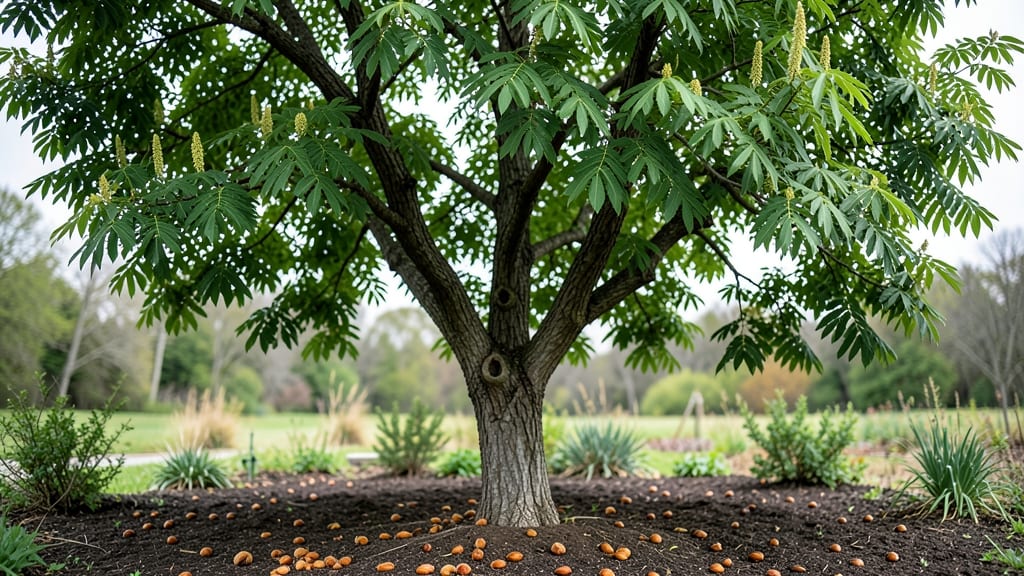
Growing a hardy pecan tree in the Pacific Northwest means choosing a variety that thrives where winters linger and summers stay mild. ✨ I planted my first pecan tree three years ago, and it’s now a sturdy, frost-resistant giant that produces more nuts than I can crack.
The secret lies in selecting the right cultivar and giving it the right care from day one.
These trees love deep, well-draining soil with a slightly acidic pH—think rich, loamy earth mixed with compost. Plant in early spring when the ground is workable but frost isn’t a threat, and give it space to spread its roots wide.
Water deeply once a week during the first growing season, then taper off as it establishes itself. Fertilize lightly in early spring with a balanced 10-10-10 blend to encourage strong, resilient growth.
Pruning in late winter or early spring is key to shaping a frost-resilient canopy. Remove any dead, crossing, or weak branches first, then thin out the interior to let sunlight and air circulate. Aim for an open, vase-like shape that sheds snow easily and reduces winter damage.
With the right cuts, you’ll end up with a tree that not only survives the cold but thrives, year after year.
Harvest time comes in late fall when the husks turn brown and split open. Shake the branches gently to collect the nuts, then dry them in a single layer for a few weeks. Store them in a cool, dry place until you’re ready to enjoy—or share—the fruits of your labor.
The best part? These trees keep producing for decades, making them a true investment in your landscape.
📚 In This Guide
- What you need
- Instructions
- Tips and common mistakes
- Wrapping up and next steps
What you need
- ● Pruning shears: Bypass pruners (for cuts up to ½ inch thick) – 1 pair (look for blank">Felco or Fiskars for durability).
- ● Loppers: Bypass or anvil type (for cuts ½ to 1½ inches thick) – 1 pair (extendable loppers save your back!).
- ● Pruning saw: Curved-tooth or folding saw (for branches 1½+ inches thick) – 1 saw (e.g., blank">Corona or Bahco).
- ● Ladder: Aluminum extension ladder (16–24 ft, rated for your tree’s height) – 1 (ensure it’s stable and has non-slip feet!).
- ● Disposable gloves: Heavy-duty, cut-resistant – 1–2 pairs (nitrile-coated for grip and protection).
- ○ Sealing wax or pruning paint: Optional but recommended (for cuts larger than 2 inches in diameter) – 1 small tub (e.g., blank">Tanglefoot Tree Wound Pruning Seal).
- ● Disinfectant: 70% isopropyl alcohol or bleach solution (1 part bleach to 9 parts water) – 1 small spray bottle (to sterilize tools between cuts).
- ● Heavy-duty trash bags: For debris removal – 2–3 bags (or a tarp to drag branches to the curb).
- ● Safety gear: Safety glasses (for debris protection)
- ● Long sleeves/pants (to avoid scratches or sap burns)
- ● Closed-toe shoes or boots (no sandals!)
- ● Pole pruner: For high branches (extends reach up to 20 ft) – 1 (e.g., blank">Fiskars Teleflex).
- ● Tree climbing spikes: Only if experienced! (never use on young or weak trees).
- ● Marking spray: Bright paint (to tag branches for future reference).
- ● First-aid kit: For minor cuts or sap irritation (include antiseptic wipes and bandages).
- ● Weather check: Overcast day or early morning (avoid pruning in wind or extreme heat).
Step-by-Step pruning for a frost-tough pecan tree in the Pacific Northwest
Here's how to shape a hardy pecan tree for winter resilience—without sacrificing growth.
✂️ Step 1: Time Your First Prune for Late Winter
Wait until mid-February to early March when the tree is still dormant but frost risks have passed. You'll see bare branches with no buds swelling—this is your cue. Pruning too early risks frost damage to fresh cuts, while waiting too long encourages early sap flow.
Start with dead or diseased branches—they're easy to spot as brown, brittle wood with no green tissue. Cut these first, then move to structural shaping. Use clean, sharp pruners (sterilized with rubbing alcohol) to prevent spreading any hidden pathogens.
✂️ Step 2: Remove 1/3 of Last Year's Growth
Focus on last year's new growth—these are the thinner, lighter-colored branches that grew from the previous season. Selectively remove 1/3 of these to open the canopy for better air circulation and sunlight penetration. This reduces frost pockets where cold air collects.
Look for branches growing inward or crossing—these compete for space and create weak points. Cut these at the branch collar (the swollen area where the branch meets the trunk). Never leave stubs; always make clean cuts just outside the collar.
☀️ Step 3: Thin the Canopy for Sunlight and Frost Resistance
Step back and visualize the tree as a dome. Remove branches that block light from reaching the inner canopy—you want sunlight to penetrate to the center of the tree. In the PNW's damp climate, this prevents fungal issues and encourages even growth.
Prioritize branches that are too close together—leave the strongest, healthiest one and remove its neighbors. You'll see more sunlight reaching the ground beneath the tree after pruning, which signals you've opened it enough.
⏰ Step 4: Summer Pruning to Encourage Frost-Resilient Branches
In mid-to-late summer, after the tree has finished its main growth flush, do a light pruning to remove any suckers (shoots growing from the base or trunk) and water sprouts (fast-growing vertical shoots). These drain energy from the main structure.
Also trim back any branches that grew too vigorously this spring—cut them back by 1/4 to 1/3 to encourage shorter, thicker growth next year. Thicker branches handle frost better than long, thin ones that snap easily.
✂️ Step 5: Final Fall Cleanup Before Winter
In late October, do a light cleanup to remove any dead branches that might have formed over the summer. Avoid heavy pruning now—you don’t want to stimulate new growth that won’t harden off before frost.
Rake up and dispose of all pruned branches (don’t compost them—they can harbor pests). This keeps your tree's base clean and reduces hiding spots for insects that could overwinter. A well-pruned pecan tree will enter winter with a strong, open canopy ready to handle frost.
Tips & tricks for perfect hardy pecan tree pruning
Here's what I've learned after years of shaping these trees for PNW winters—these tricks make all the difference between a tree that survives frost and one that thrives.
Timing is Everything: That mid-February to early March window is critical because it catches the tree between dormancy and sap flow. If you're unsure about frost dates, check your local ag extension service—they provide frost-free timelines for your specific zone. I once pruned too early in a cold snap and watched new cuts freeze before they could heal properly.
Visualize the Canopy: Step back often during Step 3 and imagine sunlight streaming through the branches. The goal is to create a dome shape where light reaches the center. If you're struggling to visualize, take a photo first—you'll notice which branches are blocking light when you look at the image. This simple trick helps me avoid over-pruning or leaving too many branches.
Tool Maintenance Matters: Sterilize your pruners between cuts, especially when dealing with diseased branches in Step 1. I keep rubbing alcohol in my tool bag and wipe blades after every few cuts. Sharp tools make cleaner cuts that heal faster, which is crucial for frost resilience. Dull blades can tear wood, creating larger wounds that take longer to close.
Frost Pocket Awareness: Pay special attention to the lower branches in Step 2—they create frost pockets where cold air collects. If your tree has a particularly dense lower canopy, consider removing more than 1/3 of last year's growth in those areas. I've seen trees with perfectly pruned upper canopies still suffer frost damage because of these cold traps at the base.
Pro Tips for Hardy Pecan Tree
- Here's what I've learned after years of shaping these trees for PNW winters—these tricks make all the difference between a tree that survives frost and one that thrives.
- Timing is Everything: That mid-February to early March window is critical because it catches the tree between dormancy and sap flow.
- Visualize the Canopy: Step back often during Step 3 and imagine sunlight streaming through the branches.
Frequently asked questions
How cold can a hardy pecan tree tolerate?
A hardy pecan tree (like Carya illinoinensis cultivars) can survive temperatures as low as -10°F to -15°F with proper care. Young trees need winter mulch and wind protection, while mature trees handle frost better. In the PNW, choose ‘Wichita’ or ‘Moapa’ for extra cold resilience!
When’s the best time to prune for frost resistance?
Prune your hardy pecan tree in late winter or early spring (February–March), before new growth starts. This removes weak branches and improves airflow, reducing frost damage. Avoid pruning in fall—it stimulates late growth that’s vulnerable to cold snaps. Pro tip: Wait until temps stay above freezing for a few days!
Can I prune a pecan tree in winter if it’s already damaged by frost?
Yes! Prune dead or broken branches immediately after frost to prevent disease and pests. For heavy damage, focus on removing crossing branches, water sprouts, and weak crotches first. Wait until spring to assess the tree’s overall health—some branches may recover with warmer weather.
Are there frost-resistant alternatives to traditional pecan trees?
If you love pecans but want extra PNW resilience, consider ‘Desirable’ or ‘Western Scholar’ varieties—they handle wet winters better. For smaller spaces, dwarf cultivars like ‘Pawnee’ (a hybrid) thrive in containers and tolerate light frost. Just plant them in well-draining soil and mulch heavily!
My pecan tree’s leaves are brown after frost—is it dying?
Not necessarily! Brown leaves after frost are often dormant damage, not fatal. If the branches are still firm (not mushy or hollow), the tree may recover. Water deeply in spring, and fertilize lightly. Watch for:
- New green shoots = tree is alive!
- Peeling bark or oozing sap = possible disease (see a local arborist).
Wrapping up and next steps
The hardy pecan tree thrives in the Pacific Northwest with the right pruning care—especially when preparing for frost. By following these steps, you’ll encourage a strong, resilient canopy that produces abundant nuts and stands up to cold snaps. 🌳❄️
Now that you’re armed with the knowledge, roll up your sleeves and get pruning! Start with a single branch this season, observe how your tree responds, and gradually refine your technique. Before you know it, you’ll have a vibrant, frost-hardy pecan powerhouse gracing your landscape.
Pro tip: Keep a pruning journal to track growth and adjustments—your future self will thank you! ✨