
Pruning
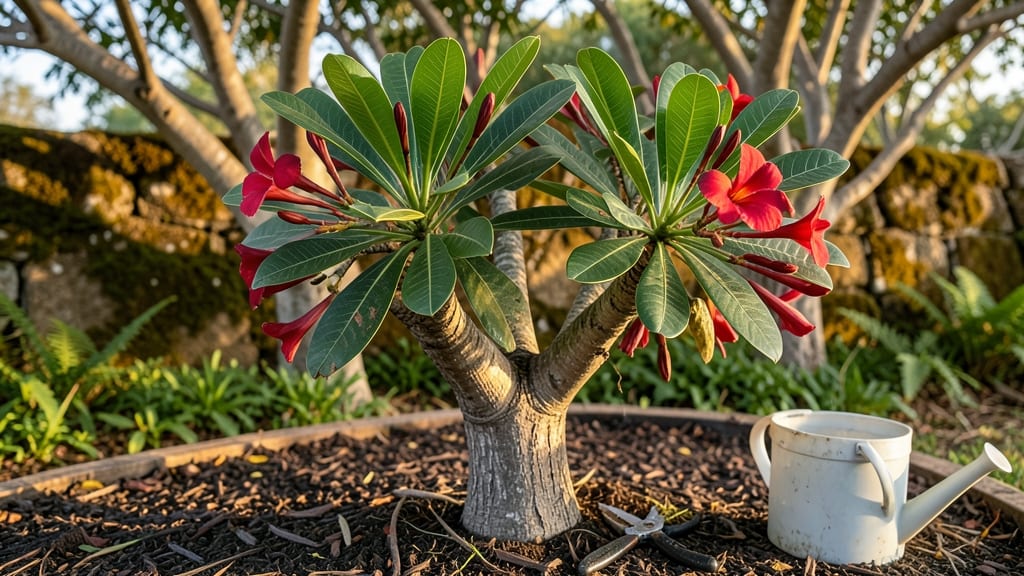
The Hawaiian plumeria tree delivers fragrant blooms that last from spring through fall—with the right three pruning cuts, you’ll coax flowers year-round, even in cooler months. 🌺 I’ve turned my once-sparse plumeria into a fragrant cloud of blossoms by focusing on just three strategic cuts, and the secret isn’t complicated: timing, placement, and a little patience.
Most gardeners overlook the post-bloom trim that keeps the tree producing, but that’s where the magic happens.
This tropical beauty thrives in sunny spots with well-draining soil, but it’s surprisingly forgiving once you understand its rhythm. The pruning process takes less than 20 minutes and requires only sharp shears and a clean workspace.
You’ll work with the tree’s natural growth habits—no guesswork, no complicated techniques—just three cuts that reset the plant’s energy for another round of blooms. Even beginners can master this, and the payoff is immediate: more flowers, stronger branches, and a tree that keeps giving.
By summer’s end, your plumeria will be covered in waxy, intoxicating blooms that last for weeks. The scent alone makes it worth the effort—imagine walking past a tree heavy with flowers that smell like a tropical vacation.
You’ll also notice the branches filling out, creating a fuller shape that’s far more impressive than the leggy, sparse trees you often see. This isn’t just about more flowers; it’s about a tree that becomes the star of your garden or patio.
The same principles work whether you’re pruning in Hawaii’s humidity or a California summer—just adjust for your local climate. Once you’ve done it once, you’ll wonder why you didn’t start sooner. Let’s get those shears ready and turn your plumeria into a blooming powerhouse.
📚 In This Guide
- What you need
- Instructions
- Tips and common mistakes
- Wrapping up and next steps
What you need
- ● Pruning shears – Bypass-style, sharp, and sterilized (for clean cuts).
- ● Garden gloves – Heavy-duty, cut-resistant (to protect from thorns).
- ● Disinfectant (70% isopropyl alcohol or bleach solution) – 1 part bleach to 9 parts water (to sterilize tools).
- ● Rubbing alcohol or hydrogen peroxide – For wiping cuts on the tree (prevents infection).
- ○ Pruning sealant (optional but helpful) – Tree wound dressing (for larger cuts).
- ● Bucket or tray – For collecting fallen blooms or debris.
- ● ✅ A healthy Hawaiian plumeria tree (no signs of disease or severe pest damage).
- ● ✅ Mild weather – Prune on a dry, cloudy day (avoid extreme heat or cold).
- ● ✅ Time commitment – 15–30 minutes per pruning session.
- ● Loppers – For thicker branches (if your tree is mature).
- ● Hand saw – For very thick limbs (2+ inches).
- ● Notebook & pen – To track pruning dates and tree growth.
- ● Mulch or compost – To replenish soil after pruning.
How to prune a Hawaiian plumeria tree for continuous blooms
Here's the straightforward method I use to keep my plumeria trees flowering nonstop—no complicated steps, just three key cuts.
🌿 Step 1: Time Your First Cut After Heavy Blooming
Wait until your plumeria has finished its main blooming cycle and the flowers have dropped completely. This usually happens in late spring or early summer, depending on your climate. You'll notice the branches look bare and slightly leggy—this is your cue to act.
Use sharp, clean pruning shears to make your first cut about 1/3 of the way down each flowering stem. Always cut just above a leaf node or bud, at a 45-degree angle. This encourages new growth from the sides while keeping the tree's natural shape. Avoid cutting into old, woody stems—they won't regrow.
Here's the thing—don't rush this step. If you prune too early, you'll cut off next year's blooms. Wait until you see at least 50% of the flowers fall naturally before making a single cut.
✂️ Step 2: Shape and Encourage New Growth Mid-Season
About 6-8 weeks after your first cut, you'll see new growth emerging from the sides. This is when you make your second pruning to shape the tree and encourage more blooms. Look for branches that are growing inward or crossing each other—these need to go first.
Make your cuts just above a leaf node, again at a 45-degree angle. For thicker branches, you can make a second cut slightly below the first to prevent tearing. Remove any dead, diseased, or weak-looking stems completely—this keeps energy focused on healthy growth.
I like to step back and look at the tree from all sides after pruning. The goal is an open, airy shape that lets sunlight reach all parts of the tree. If your plumeria starts looking too dense, it's time to make a few more cuts.
⏰ Step 3: Light Prune Before Winter to Protect Blooms
In late fall, before temperatures drop below 50°F, give your plumeria a final, light pruning. This isn't about shaping—it's about protecting the tree from cold damage and preparing it for next year's blooms. Simply trim back any overly long or leggy growth by about 1/4 of its length.
Focus on the outer edges of the tree. You want to create a rounded shape that sheds water easily during rain. Avoid heavy pruning now—you're not trying to force new growth in winter, just tidying up. If you live in a warm climate, you can skip this step entirely.
After your final pruning, give the tree a light feeding with a balanced fertilizer (10-10-10 works well) to help it recover. Water deeply but don't overdo it—plumerias hate soggy roots, especially in cooler weather.
Tips & tricks for perfect Hawaiian plumeria tree pruning
These simple tricks will help you keep your plumeria blooming beautifully year after year without the guesswork.
Timing Secret: In Step 1, look for that telltale "50% flower drop" before cutting—this is your plumeria's natural signal that it's ready. I've seen gardeners rush this step and end up with bare branches for months. The flowers should be completely spent, with petals falling naturally rather than wilting on the stem.
Angle Matters: That 45-degree angle in Steps 1 and 2 isn't just for looks—it creates a larger surface for water to run off, preventing rot. Make sure your pruning shears are sharp too; dull blades crush stems instead of making clean cuts. I keep a small pair dedicated just to my plumeria to avoid cross-contamination with other plants.
Winter Protection: When you're doing your final light pruning before winter (Step 3), focus on creating that rounded shape—it's not just about aesthetics. This shape helps snow and rain slide right off, protecting the vulnerable new growth from water damage. In colder climates, I even wrap the base with burlap for extra protection against freezing winds.
Post-Pruning Care: After your final pruning, that 10-10-10 fertilizer isn't just about feeding—it's about recovery. I mix it with a handful of compost into the top inch of soil. This gives your plumeria a gentle boost without overwhelming it, especially important since we're not trying to force new growth in cooler weather.
Pro Tips for Hawaiian Plumeria Tree
- These simple tricks will help you keep your plumeria blooming beautifully year after year without the guesswork.
- Timing Secret: In Step 1, look for that telltale "50% flower drop" before cutting—this is your plumeria's natural signal that it's ready.
- Angle Matters: That 45-degree angle in Steps 1 and 2 isn't just for looks—it creates a larger surface for water to run off, preventing rot.
Frequently asked questions
Got questions about growing and pruning your Hawaiian plumeria tree?
Here are some of the most common ones—plus quick answers to keep your tree thriving!
How often should I prune my Hawaiian plumeria tree?
Prune your plumeria 2-3 times a year—once after flowering (to shape and encourage new growth), again in late spring (to remove dead wood), and lightly in summer (to maintain size). Avoid heavy pruning in winter, as the tree is dormant. Pro tip: Always use sterilized tools to prevent disease!
When is the best time to plant a plumeria tree?
Plant your plumeria in early spring (after the last frost) for best results. If you’re in a tropical or subtropical climate (like Hawaii!), you can plant year-round—but avoid planting during extreme heat or heavy rains. Choose a spot with full sun (6+ hours/day) and well-draining soil to prevent root rot.
Why aren’t my plumeria flowers opening?
Plumerias need direct sunlight (6+ hours/day) and well-draining soil to bloom. If flowers stay budded, check for:
- Shade: Move to a sunnier spot.
- Overwatering: Let soil dry between waterings.
- Nutrient deficiency: Fertilize with a balanced, low-nitrogen mix in spring.
Can I grow a Hawaiian plumeria indoors?
Yes, but it’s challenging! Plumerias thrive outdoors in warm climates, but you can try growing them indoors near a south-facing window with a grow light (12+ hours/day). Use a well-draining potting mix and keep humidity high (mist leaves or use a pebble tray). Expect fewer blooms indoors.
What should I do if my plumeria leaves turn yellow?
Yellow leaves usually mean overwatering, poor drainage, or nutrient issues. First, check the soil—it should be dry 1-2 inches down before watering. If roots are soggy, repot in fresh, gritty soil (add perlite or sand). Yellowing can also signal magnesium deficiency—try a Epsom salt spray (1 tbsp/gallon) every few months.
Wrapping up and next steps
The Hawaiian plumeria tree is a stunning addition to any garden, offering fragrant blooms and tropical charm with minimal effort—especially when you master its three simple pruning cuts. By following the right techniques, you’ll encourage healthier growth, more abundant flowers, and a tree that thrives year-round. 🌺
Ready to transform your plumeria into a blooming superstar? Grab your tools, pick a sunny day, and give those pruning cuts a try—your tropical paradise will thank you! For extra inspiration, explore plumeria care guides or join gardening communities to share your progress. Happy pruning!