Propagation
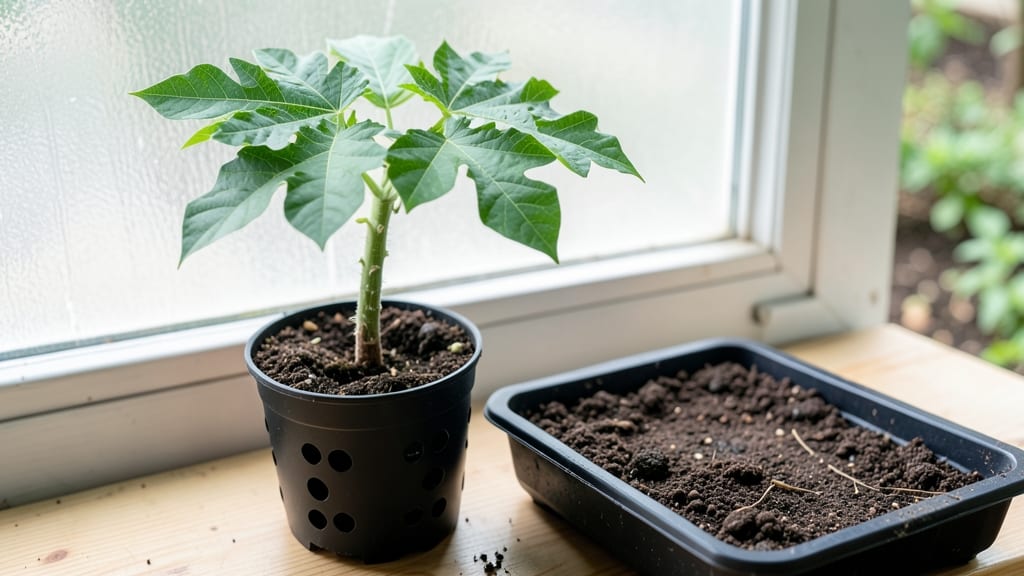
Growing a papaya tree from seed turns your backyard into a tropical oasis—something I never thought possible until I tried it myself. 🌱 The journey starts with a single seed, but within months, you'll watch vibrant green leaves unfurl as the plant races toward its 20-foot potential.
This isn't just propagation; it's a chance to grow fruit most gardeners can only dream of.
You'll need a warm spot (indoors or outdoors in zones 10-12), well-draining soil mix, and patience—papayas take 18-24 months to bear fruit, but the process is rewarding. Start seeds in small pots under grow lights or in a sunny windowsill, then transplant outdoors only after all frost risk has passed.
The key is keeping soil consistently moist but never soggy during those early weeks when roots are establishing.
What you end up with is a lush, fast-growing tree that thrives in heat and humidity, producing sweet, orange fruit that tastes like sunshine. The first harvest might take years, but the journey—watching that seedling transform into a towering tropical—is unforgettable.
Here's exactly how to make it happen without the common pitfalls.
Even in cooler climates, you can grow papayas in containers and bring them indoors during winter, though fruit production will be limited. The real magic happens when you let that seedling stretch toward the sky, knowing you're growing something truly exotic right in your own space.
📚 In This Guide
- What you need
- Instructions
- Tips and common mistakes
- Wrapping up and next steps
What you need
- ● Papaya seeds – 3–5 fresh, viable seeds (from a ripe, organic papaya). Pro tip: 💡 Rinse seeds in water to remove pulp before planting!
- ● Seed-starting soil – 1 small pot (4–6 inches deep) filled with well-draining, sterile potting mix (e.g., coconut coir + perlite).
- ● Spray bottle – For gentle watering (avoid over-saturating seeds).
- ● Plastic wrap or humidity dome – To create a mini greenhouse effect.
- ● Grow lights or sunny windowsill – Papaya seeds need warmth (75–85°F) and bright, indirect light to germinate.
- ● Fertilizer – A balanced, water-soluble fertilizer (5-5-5 or 10-10-10) for young seedlings (use sparingly!).
- ● Larger pot (1–2 gallons) – For transplanting once seedlings are 3–4 inches tall.
- ● Heat mat – Speeds up germination if your home stays cool.
- ● pH testing kit – Ensures soil pH is 5.5–6.5 (ideal for papayas).
- ● Trellis or bamboo stakes – Supports the tree as it grows (papayas can get tall!).
- ● Organic mulch – Retains moisture and regulates soil temperature.
- ● Pruning shears – For shaping the tree as it matures.
Step-by-step guide to growing a papaya tree from seed
Here's how to turn a single seed into a thriving tropical fruit tree.
🌱 Step 1: Prepare the Seed for Faster Germination
Papaya seeds need a little help breaking dormancy. Soak the seeds in warm water for 24 hours—this softens the tough outer shell and speeds up sprouting. I use a small bowl of water at 80-85°F (just warm enough to feel comfortable with your finger). After soaking, gently rub the seeds between two paper towels to remove the slimy coating. This prevents mold and makes the seed easier to handle.
Plant the seeds ¼ inch deep in a small pot filled with moistened seed-starting mix. Use a pencil to poke a tiny hole—don’t press too hard, or you’ll crush the seed. Cover the pot with plastic wrap to keep humidity high, and place it in a warm spot (75-85°F). You’ll see sprouts in 7-14 days, but don’t be surprised if some take longer. Patience is key here—rushing leads to weak seedlings.
☀️ Step 2: Provide Warmth and Light for Seedlings
Once the first true leaves appear (not the initial seed leaves), remove the plastic wrap immediately. Papaya seedlings need bright, indirect light right away—12-14 hours daily is ideal. A south-facing window works, but if your home is shady, a grow light keeps them strong. I’ve seen seedlings stretch toward weak light and become leggy, so keep the light source 4-6 inches above the plants.
Water gently when the top inch of soil feels dry—papayas hate soggy roots. Use room-temperature water to avoid shocking the delicate system. After 4-6 weeks, when seedlings have 3-4 true leaves, they’re ready to transplant into 5-gallon pots. This gives their roots room to grow without competition.
🪴 Step 3: Transplant and Care for Young Trees
Choose a well-draining potting mix for the 5-gallon pots—papayas despise wet feet. I mix 50% coconut coir, 30% perlite, and 20% compost for the best results. Dig a hole twice as wide as the seedling’s root ball and place it in the center. Fill the gap with soil, pressing lightly to remove air pockets. Water deeply right after transplanting to help roots settle.
Move the pots outdoors only after nighttime temperatures stay above 60°F—papayas are tropical and won’t tolerate frost. Start with morning sun only, then gradually increase exposure over 1-2 weeks. Once acclimated, give them full sun (6+ hours daily). Fertilize lightly every 4-6 weeks with a balanced tropical plant fertilizer (10-10-10 works well). You’ll know they’re thriving when new leaves emerge every 2-3 weeks.
⏰ Step 4: Encourage Fruit Production
Papaya trees are dioecious, meaning male and female flowers grow on separate plants. To get fruit, you’ll need at least one male and one female tree (or a hermaphrodite variety like ‘SunUp’). Once your tree is 1-2 years old, it may produce small, fragrant flowers. If you see only male flowers, you’ll need to hand-pollinate female flowers with a paintbrush to encourage fruit set.
Fruit takes 4-6 months to ripen, so be patient. Ripe papayas smell sweet and give slightly when gently squeezed. Harvest with pruning shears, leaving a ½-inch stem. After fruiting, prune back 1/3 of the plant to promote bushier growth. With proper care, your tree can produce 2-3 crops per year in warm climates.
Tips & tricks for growing a thriving papaya tree from seed
Here's what I've learned after nurturing papaya trees from tiny seeds to fruiting plants.
Soaking Secret: The 24-hour soak at 80-85°F isn't just about breaking dormancy—it's about creating the perfect environment. Use a shallow dish with just enough warm water to cover the seeds by ¼ inch. I've found that adding a pinch of cinnamon to the water prevents fungal growth without harming the seeds. This small step makes all the difference in preventing mold during germination.
Lighting Strategy: Those crucial 12-14 hours of daily light are non-negotiable, but don't underestimate the quality. Position your seedlings within 4-6 inches of the light source—closer than you might think. I've seen seedlings stretch dramatically toward weak light, creating weak stems that can't support the eventual fruit weight. A simple trick: rotate your seedlings ¼ turn daily to ensure even growth.
Transplanting Technique: When moving to 5-gallon pots at 4-6 weeks, handle the seedlings with care. Gently squeeze the sides of the small pot to loosen the root ball before transferring. I've made the mistake of pulling seedlings by the stems, which can damage the delicate root system. Water thoroughly after transplanting to help the roots establish in their new home—this is when most seedling stress occurs.
Fertilizing Wisdom: That 4-6 week fertilization schedule is perfect, but timing matters. Always fertilize after watering to prevent root burn. I've found that using a diluted fertilizer solution (half-strength) gives the young plants a gentler nutrient boost. And here's a pro move: flush the soil with plain water every 3rd fertilization to prevent salt buildup that can harm tender roots.
Pro Tips for Grow A Papaya Tree From A Seed
- Here's what I've learned after nurturing papaya trees from tiny seeds to fruiting plants.
- Soaking Secret: The 24-hour soak at 80-85°F isn't just about breaking dormancy—it's about creating the perfect environment.
- Lighting Strategy: Those crucial 12-14 hours of daily light are non-negotiable, but don't underestimate the quality.
Frequently asked questions
Got questions about growing papaya from seed? You’re not alone—here are answers to the most common ones to help you succeed!
How long does it take for a papaya seed to germinate?
A papaya seed typically germinates in 7–21 days under warm, moist conditions (70–90°F). Keep the soil consistently damp and place the pot in indirect sunlight or a warm spot (like near a sunny window or under a grow light). Patience is key—some seeds may take longer, especially if the environment is cooler.
Can I grow a papaya tree indoors?
Yes, but it requires bright light and warmth. Place your seedling near a south-facing window or under a grow light (12+ hours/day). Papayas thrive in tropical climates, so if indoor temps drop below 60°F, move it outside during the day or use a heat mat. Just know: indoor trees may grow slower and produce smaller fruit.
How fast does a papaya tree grow, and when will it fruit?
Papaya trees grow rapidly—some reach 6–10 feet in a single year! With ideal conditions (warmth, sunlight, and regular watering), you might see fruit in 9–18 months. Dwarf varieties (like ‘SunUp’) can fruit even faster (as early as 6 months). Patience pays off—early blooms may need hand-pollination for better yields.
What are common problems when growing papaya from seed?
Watch for:
- Fungal issues (like powdery mildew): Improve airflow and avoid overwatering.
- Pests (aphids, spider mites): Spray with neem oil or insecticidal soap.
- Slow growth: Ensure full sun (6+ hours/day) and warm soil temps (above 65°F).
- No fruit: Trees need both male and female flowers (or hand-pollinate).
Can I grow papaya in a pot, and what size should it be?
Papayas adapt well to containers. Start with a 5-gallon pot and upgrade to 15+ gallons as the tree grows. Use well-draining soil, drainage holes, and a large pot to support roots. Place it in a sunny spot (or move it outside in warm months) for best results.
Wrapping up and next steps
Growing a papaya tree from seed is a rewarding journey that brings a taste of the tropics right to your doorstep!
With patience, the right conditions, and a little care, you’ll soon enjoy fresh, sweet papayas straight from your own backyard. Start small—plant that seed today—and watch your tropical dream grow into a thriving tree.
Once your papaya tree is established, consider harvesting tips or even exploring other tropical fruits to expand your garden. Every seed you plant is a step closer to a bountiful, flavorful harvest—so get growing!