
Size
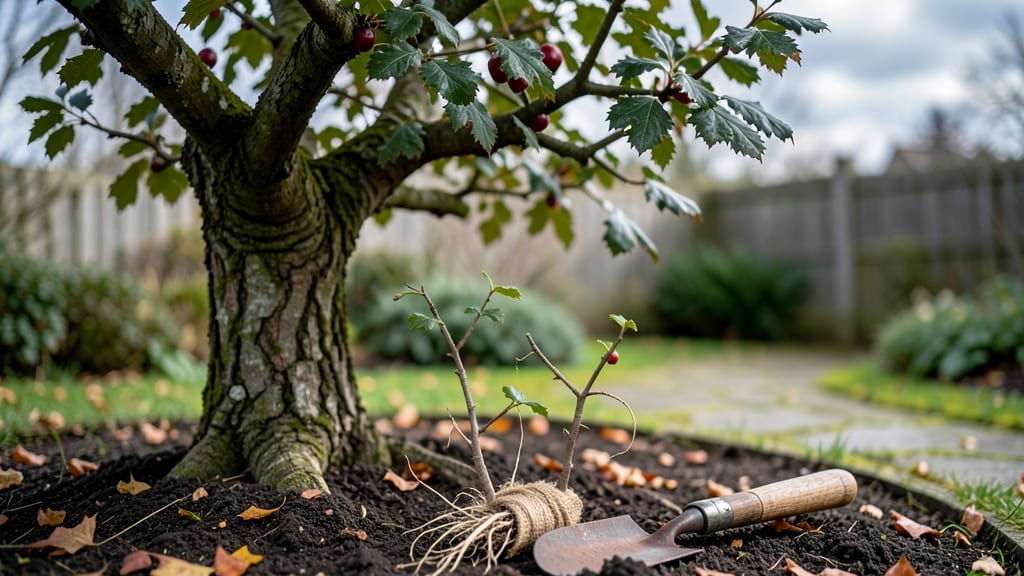
Growing a hawthorn tree means welcoming a resilient pollinator magnet to your yard—one that thrives in cold zones where many plants struggle. 🌿 I planted mine last spring, and by summer, bees and butterflies were already visiting its blossoms.
The key starts with the right soil: well-draining, slightly acidic, and mixed with compost for that extra boost.
Hawthorns love full sun but tolerate partial shade, making them adaptable for different landscapes. A 5-gallon container is perfect for young trees, while mature specimens can handle full yard planting.
Water deeply once a week for the first year, then let nature take over—they’re drought-tolerant once established. Prune in late winter to shape and encourage dense growth.
By year three, you’ll have a vibrant, thorny hedge teeming with wildlife, from birds nesting in its branches to bees feasting on its flowers. The berries that follow add a bonus for pollinators and small mammals. It’s a low-maintenance tree that rewards patience with decades of beauty and ecological value.
Perfect for urban yards, rural borders, or even as a standalone specimen. Whether you’re restoring pollinator habitats or simply love hardy, ornamental trees, hawthorns deliver. Ready to plant yours?
📚 In This Guide
- What you need
- Instructions
- Tips and common mistakes
- Wrapping up and next steps
What you need
- ● Hawthorn seeds or seedlings: Seeds: Collect fresh berries (or buy from a nursery) and extract seeds (1–2 tbsp for planting). Pro tip: Scarify seeds by nicking the outer shell with sandpaper to improve germination!
- ● Seedlings/saplings: 1–3 plants (choose disease-resistant varieties like Crataegus phaenopyrum or Crataegus laevigata for reliability).
- ● Well-draining soil: Mix 60% native soil with 30% compost and 10% coarse sand or perlite (pH 6.0–7.5). Hawthorns thrive in slightly acidic to neutral soil.
- ● Organic mulch: 2–3 inches of wood chips, straw, or shredded leaves to retain moisture and suppress weeds.
- ● Fertilizer: At planting: 1 cup of balanced 10-10-10 fertilizer or compost mixed into the planting hole.
- ● Annual feeding: Slow-release 5-10-10 fertilizer (1/2 cup per tree) in early spring.
- ● Watering supplies: Garden hose with adjustable nozzle (or a watering can for seedlings).
- ○ Drip irrigation system (optional but helpful for consistent moisture).
- ● Planting tools: Trowel or spade (for digging holes).
- ● Grafting knife (if propagating from cuttings).
- ● Pruning shears: Sharp, bypass-pruners (for shaping young trees or removing dead branches).
- ● Stakes & ties: 2–3 wooden stakes and soft plant ties (to support saplings in windy areas).
- ● Soil tester kit: To monitor pH and nutrient levels (especially if your soil is heavy clay or sandy).
- ● Frost cloth: Lightweight fabric to protect young seedlings from late frosts (🌡️ Pro tip: Use in early spring or fall!).
- ● Bird netting: If planting near fruit-bearing trees, to deter animals from snacking on your hawthorn berries.
- ● Sunlight: A full-sun location (6+ hours/day)—hawthorns love basking!
- ● Space: Mature trees need 15–20 feet of diameter (account for root spread!).
- ● Climate: Hawthorns are cold-hardy (USDA Zones 3–8) but avoid waterlogged areas.
- ● Patience: Seedlings take 3–5 years to bear fruit; saplings fruit faster (1–2 years).
Step-by-step guide to planting and cultivating a hawthorn tree
Here's how I've successfully established hawthorn trees—vibrant, wildlife-friendly, and built to thrive in harsh climates.
🪴 Step 1: Choose and Prepare the Planting Site
Hawthorn trees (Crataegus spp.) crave full sun to partial shade and tolerate a wide range of soil types, but they perform best in well-draining soil with a pH between 6.0 and 7.5. Look for a location with at least 6 hours of direct sunlight daily—this ensures robust growth and abundant berries for pollinators. Avoid low-lying areas where water pools after rain, as hawthorn roots dislike soggy conditions.
If your soil is heavy clay, amend it with 2-3 inches of compost mixed into the top 12 inches of soil. I like to till in a 5-gallon bucket of compost around the planting hole to improve drainage and nutrient availability. The tree’s root system will thank you later with faster establishment and fewer stress signals like yellowing leaves.
🌱 Step 2: Plant Bare-Root or Container-Grown Saplings Correctly
For bare-root saplings, soak the roots in lukewarm water for 1-2 hours before planting to rehydrate them. Dig a hole twice as wide as the root ball but only as deep—hawthorn trees hate being buried too deeply, which can suffocate the trunk. The top of the root flare (where roots meet the trunk) should sit 1-2 inches above ground level after backfilling.
If planting a container-grown tree, gently remove it from the pot and loosen any circling roots with your fingers. Place it in the hole so the base of the trunk aligns with the surrounding soil line. Backfill with native soil, tamping lightly every 4 inches to eliminate air pockets. Water deeply to settle the soil, then add a 2-inch layer of mulch (like wood chips) around the base, keeping it 3 inches away from the trunk to prevent rot.
☀️ Step 3: Establish Proper Watering and Fertilization Routines
Water newly planted hawthorn trees deeply once a week for the first 2 months, ensuring the soil is moist 6 inches down. You’ll know it’s right when water runs out the drainage holes if planted in a container, or when the top 2 inches of soil feel damp for in-ground plantings. Overwatering is the biggest mistake here—hawthorn roots rot easily in waterlogged conditions.
After the first year, reduce watering to every 2-3 weeks unless your region experiences extreme drought. In the spring, apply a balanced 10-10-10 fertilizer (about ½ cup per year of tree age) around the drip line. For example, a 3-year-old tree gets 1.5 cups spread evenly in a 12-inch-wide ring around the base. Avoid high-nitrogen fertilizers—they promote leafy growth at the expense of berry production, which is the whole point of planting hawthorn!
✂️ Step 4: Prune for Structure and Pollinator Health
Prune hawthorn trees in late winter or early spring before new growth begins. Remove any dead, diseased, or crossing branches first—these compete for resources and can harbor pests. Use clean, sharp pruners to make cuts just outside the branch collar (the swollen area where the branch meets the trunk) to promote faster healing.
Thin out 25% of the oldest, thickest branches to improve airflow and sunlight penetration. This encourages denser foliage lower in the canopy, which is where pollinators like bees and butterflies forage most actively. Avoid heavy pruning in the first 3 years—let the tree establish its natural structure first. You’ll see the difference in 3-5 years with a stronger, more productive tree.
Tips & tricks for perfect hawthorn tree cultivation
Here's what I've learned from years of growing these resilient pollinator magnets—details that make all the difference between a struggling sapling and a thriving landscape centerpiece.
Site Selection Secret: Hawthorns tolerate a wide range of conditions, but their berry production skyrockets when planted in full sun (at least those 6 hours daily). I've noticed the most vigorous growth and abundant fruit when positioned on the south or west side of properties—just watch for afternoon shade in hot climates. The 6.0-7.5 pH range isn't just ideal; it's critical for nutrient uptake, especially phosphorus which fuels those iconic red berries.
Root Rehydration Technique: That 1-2 hour soak for bare-root saplings is non-negotiable—it's the difference between roots that cling to soil and roots that shrink away. Use lukewarm water (not cold) and check the roots periodically. They're ready when they're pliable but not mushy. Pro tip: Add a handful of mycorrhizal fungi to the planting hole—it forms a symbiotic relationship with hawthorn roots, boosting nutrient absorption by up to 30%.
Mulching Strategy: The 2-inch layer of mulch serves two purposes: moisture retention and weed suppression. I prefer wood chips because they break down slowly, adding organic matter to the soil. Keep that mulch 3 inches away from the trunk—this prevents rot by allowing airflow to the base. For the first year, refresh the mulch annually as it decomposes, but after that, hawthorns develop deep enough roots to handle natural mulch breakdown.
Pruning Precision: When thinning those 25% of oldest branches, focus on removing branches that cross or rub against others. These wounds create entry points for disease. Make your cuts just outside the branch collar—this healing response is what gives hawthorns their natural resilience. I've found that pruning in late winter (just before buds swell) gives the tree the entire growing season to recover before winter stress sets in again.
Pro Tips for Grow Hawthorn Tree
- Here's what I've learned from years of growing these resilient pollinator magnets—details that make all the difference between a struggling sapling and a thriving landscape centerpiece.
- Site Selection Secret: Hawthorns tolerate a wide range of conditions, but their berry production skyrockets when planted in full sun (at least those 6 hours daily).
- Root Rehydration Technique: That 1-2 hour soak for bare-root saplings is non-negotiable—it's the difference between roots that cling to soil and roots that shrink away.
Frequently asked questions
Got questions about growing your own hawthorn tree? Here are some of the most common ones—and their answers—to help you get started with confidence!
How long does it take for a hawthorn tree to grow to maturity?
A hawthorn tree typically reaches maturity—meaning it produces flowers, berries, and a full canopy—in 5 to 10 years, depending on the variety and growing conditions. Some faster-growing species, like Crataegus phaenopyrum (Washington hawthorn), may bloom earlier, while others take longer. Patience pays off with stunning spring blooms and wildlife benefits!
Can hawthorn trees survive in very cold climates?
Hawthorn trees are extremely cold-hardy, thriving in USDA zones 3 through 8. Some varieties, like Crataegus viridis, even tolerate temperatures as low as -40°F (-40°C). Just ensure they’re planted in well-draining soil to prevent root rot in winter—mulch helps insulate the roots.
Do hawthorn trees attract bees and other pollinators?
Yes! Hawthorn trees are a pollinator magnet, especially for bees, butterflies, and hummingbirds. Their spring flowers provide early-season nectar, while their berries feed birds like robins and cedar waxwings. Planting one supports local ecosystems—just avoid spraying pesticides to keep them safe.
What’s the best time of year to prune a hawthorn tree?
The ideal time to prune is late winter or early spring (before new growth starts) to shape the tree and remove dead wood. Avoid pruning in fall, as it can stimulate tender new growth that may not survive winter. Light pruning after flowering is also fine, but keep cuts clean to prevent disease.
Why aren’t my hawthorn berries ripening?
If your hawthorn tree isn’t producing berries, check these common issues:
- Lack of pollinators: Hand-pollinate flowers with a soft brush if bees aren’t visiting.
- Improper pruning: Over-pruning can reduce flowering. Limit cuts to 20-30% of the canopy per year.
- Young tree: Hawthorns often take 3-5 years to bear fruit. Be patient!
- Poor soil: Amend soil with compost to ensure nutrients like phosphorus (key for fruit production).
Wrapping up and next steps
Growing a hawthorn tree is a rewarding journey that brings beauty, wildlife support, and resilience to your landscape! 🌿 With the right soil, sunlight, and patience, you’ll nurture a thriving pollinator haven that stands strong through cold winters.
Start small—whether it’s a seedling or a bare-root sapling—and watch it flourish into a stunning, eco-friendly centerpiece.
Ready to take the next step? Plant your hawthorn today and enjoy its vibrant blooms, fragrant berries, and the buzz of pollinators for years to come! For extra care tips, check out our hawthorn care guide.