
Planting
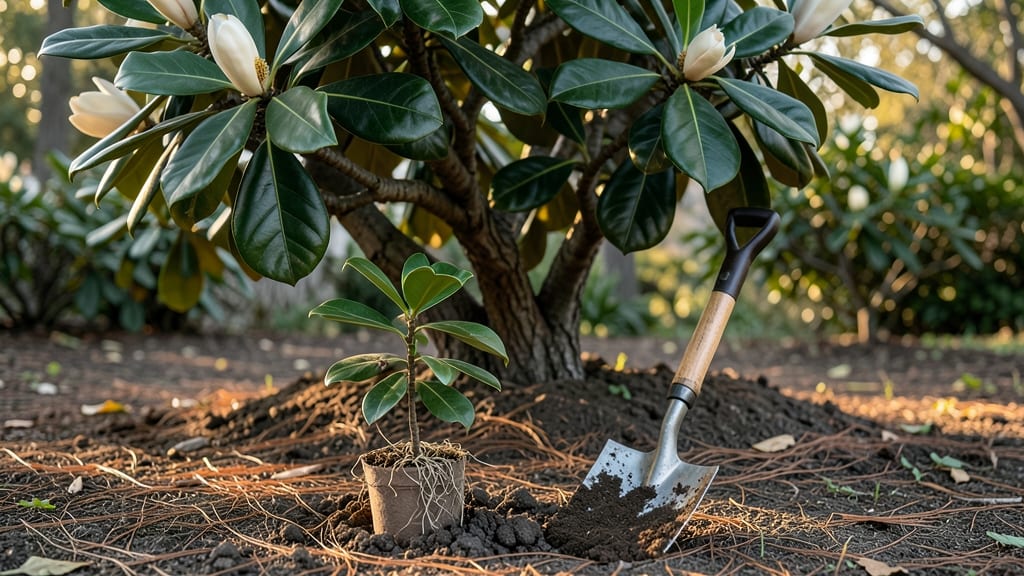
Planting a magnolia tree in the Pacific Northwest means choosing a variety that thrives in our chilly winters and damp summers—like the frost-resistant 'Jane' or 'Ann' cultivars.
I learned the hard way that skipping soil prep leads to slow growth, so we’ll dig into the right way to set yours up for success from day one. The key is matching the tree’s needs to your yard’s conditions, whether that’s afternoon shade or well-draining soil.
You’ll need a 5- to 7-foot-deep hole (twice as wide as the root ball), a wheelbarrow of composted soil, and a 10-foot wooden stake for support. The best time to plant is late fall or early spring, when temperatures are mild but not scorching.
Start by loosening the native soil around the planting site—magnolias hate compacted roots—and mix in organic matter to improve drainage, especially if your yard stays soggy after rain.
Once planted, water deeply to settle the soil, then mulch with 3-4 inches of wood chips to protect roots from winter freeze-thaw cycles. Within 2-3 years, you’ll see sturdy branches and those iconic blooms—fragrant, creamy, and impossible to resist.
The secret? Consistent moisture the first year and patience; magnolias grow slowly but reward you with decades of drama.
For Pacific Northwest gardeners, avoid low spots where water pools, and choose a location with at least 6 hours of sunlight—morning sun and afternoon shade works best. If your soil is heavy clay, amend it with sand or grit to prevent root rot.
With the right prep, your magnolia will outlast you, becoming the centerpiece of your garden.
📚 In This Guide
- What you need
- Instructions
- Tips and common mistakes
- Wrapping up and next steps
What you need
- ● Magnolia tree: Choose a frost-hardy variety (e.g., Magnolia × soulangeana or Magnolia grandiflora) from a local nursery. Size depends on preference—1- to 3-gallon container-grown is ideal for beginners.
- ● Shovel or trowel: A garden shovel for digging the hole (12–18 inches wide/deep) or a hand trowel for smaller roots.
- ● Native soil or compost mix: 50 lbs of high-quality garden soil or a compost blend (PNW-friendly, with good drainage). Avoid heavy clay.
- ● Mulch: 3–5 cubic feet of organic mulch (e.g., wood chips or bark) to retain moisture and protect roots.
- ● Watering can or hose: With a gentle spray nozzle for post-planting hydration.
- ● Pruning shears: Bypass pruners (for trimming roots or damaged branches).
- ● Gloves: Heavy-duty gardening gloves to protect your hands from thorns and rough soil.
- ● Root stimulator: A mycorrhizal fungi powder or rooting hormone to boost early growth (especially for bare-root saplings).
- ● Soil pH tester: Magnolias prefer slightly acidic soil (pH 5.0–6.5). A test kit ensures optimal conditions.
- ● Tree stake or support: Only needed if planting in windy areas—use 1–2 bamboo stakes and soft ties.
- ● Frost cloth: A lightweight row cover for young trees during unexpected late frosts (PNW’s unpredictable spring can be tricky!).
- ● Slow-release fertilizer: A balanced 10-10-10 or 20-20-20 (apply sparingly—magnolias are low-maintenance!).
Step-by-Step guide for planting a magnolia tree in the Pacific Northwest
Here's how to establish a hardy magnolia that thrives through our region's wet winters and cool summers.
Choose the Right Location and Prepare the Site
Magnolias need space—at least 15 feet between trees to avoid root competition. Select a spot with morning sun and afternoon shade, which protects leaves from scorching while still providing enough light for flowering. The Pacific Northwest's acidic soils suit magnolias perfectly, but if your soil tests high in pH, amend with 2-3 inches of peat moss worked into the top 12 inches of soil.
Dig a hole twice as wide as the root ball but no deeper—magnolias hate having their roots buried too deeply, which can cause root rot. Loosen the sides of the hole with a shovel to encourage root spread. Here's the thing—magnolias establish slowly, so don't rush the planting window. Early fall or late winter gives roots 6-8 weeks to settle before summer heat arrives.
Handle the Root Ball and Position the Tree
Remove the tree from its container and gently tease the roots at the edges—this encourages them to spread outward rather than circling. If the root ball is tightly bound, make 2-3 vertical cuts around the edges with a sharp knife to break up compacted roots. Position the tree so the top of the root ball sits 1-2 inches above ground level—this prevents water from pooling around the stem.
Place the tree in the hole and adjust the depth by adding or removing soil from the bottom. The goal is to have the graft union (if present) or the base of the trunk 2-3 inches above the final soil line. Fill the hole with native soil, tamping lightly every 3 inches to eliminate air pockets. Water deeply to settle the soil around the roots—you'll know it's right when moisture reaches the edges of the hole.
Mulch and Water for Establishment
Spread 3-4 inches of wood chips or shredded bark mulch over the root zone, keeping it 6 inches away from the trunk to prevent rot. Magnolias benefit from consistent moisture but hate soggy roots, so mulch helps retain humidity while improving soil structure over time. Water the tree once a week for the first month, providing 10-15 gallons each time to encourage deep root growth.
Real talk: Overwatering is the biggest mistake here. Magnolias are drought-tolerant once established, so let the top 2 inches of soil dry out between waterings after the first month. You'll see new growth in 4-6 weeks—that's your signal the tree is rooting successfully. If leaves yellow, it's usually a sign of overwatering or poor drainage, not a nutrient issue.
Prune and Protect for Long-Term Health
Wait until late winter or early spring before pruning—never prune in fall, as this encourages new growth that won't harden off before frost. Remove any dead, crossing, or rubbing branches with clean, sharp pruners, cutting just outside the branch collar. Magnolias flower on old wood, so avoid heavy pruning unless shaping young trees. Even a small cut now prevents future structural problems.
Young magnolias benefit from winter protection in their first few years. Wrap the trunk with tree guard or burlap to prevent rodent damage, and apply a 2-inch layer of mulch around the base in late fall. The Pacific Northwest's frost can damage tender new growth, but established magnolias handle our winters beautifully once their root systems mature.
Tips & tricks for planting a magnolia tree in the Pacific Northwest
Took me years of trial and error to perfect these planting strategies—here's what actually makes the difference between a struggling magnolia and one that thrives through our region's challenging climate.
Soil Preparation: Before amending with 2-3 inches of peat moss in Step 1, conduct a simple pH test using a soil kit available at garden centers. Our Pacific Northwest soils often test neutral to slightly alkaline, and magnolias prefer acidic conditions between 5.0-6.5. If your test shows higher pH, work the peat moss into the top 12 inches of soil as directed, but also consider adding a slow-release sulfur fertilizer to maintain acidity over time. The goal is to create an environment that mimics the tree's natural habitat in the southeastern United States.
Root Ball Handling: In Step 2, when teasing the roots at the edges, focus particularly on the bottom third of the root ball where most of the feeder roots develop. These roots are most sensitive to transplant shock. If you notice any roots circling tightly, make those vertical cuts with your knife—this prevents girdling as the tree matures. I've seen magnolias fail to thrive simply because their roots couldn't spread properly after planting, so don't skip this crucial step.
Watering Strategy: The instructions mention watering once weekly for the first month, but here's the key detail: water deeply and slowly to encourage roots to grow downward rather than staying near the surface. Use a soaker hose or drip irrigation system positioned at the edge of the root zone to deliver those 10-15 gallons. This targeted approach prevents water from pooling around the trunk while ensuring the entire root system gets hydrated. After the first month, when you let the top 2 inches dry between waterings, use a screwdriver to check moisture—if it goes in easily, wait another day before watering.
Winter Protection: When applying that 2-inch layer of mulch in late fall for winter protection in Step 4, consider adding a thick layer of straw or leaves over the mulch for additional insulation. Our Pacific Northwest winters can bring sudden cold snaps that damage tender new growth. I've found that this extra layer helps maintain more consistent soil temperatures, which is particularly important for young trees still developing their root systems. Just remember to remove any debris in early spring before new growth begins.
Pro Tips for Plant A Magnolia Tree
- Took me years of trial and error to perfect these planting strategies—here's what actually makes the difference between a struggling magnolia and one that thrives through our region's challenging climate.
- Soil Preparation: Before amending with 2-3 inches of peat moss in Step 1, conduct a simple pH test using a soil kit available at garden centers.
- Root Ball Handling: In Step 2, when teasing the roots at the edges, focus particularly on the bottom third of the root ball where most of the feeder roots develop.
Frequently asked questions
Got questions about planting your magnolia? You’re not alone! Here are some of the most common concerns—and their answers—to help you grow a thriving tree in the Pacific Northwest’s unique climate.
When is the best time to plant a magnolia tree in the PNW?
The ideal window is late fall to early spring (October through March), when the ground is workable but not frozen. This gives roots time to establish before summer heat arrives. Avoid planting in extreme heat or drought—magnolias hate transplant shock!
Can I plant a magnolia tree in partial shade?
While magnolias love full sun (6+ hours/day), they tolerate partial shade—especially in hotter PNW microclimates (like urban areas). Just avoid deep shade; it can weaken blooms and growth. Varieties like Magnolia × soulangeana adapt well to lighter conditions.
Why are my magnolia leaves turning yellow after planting?
Yellowing leaves often signal transplant stress or root damage. Check for:
- Overwatering (soggy soil = root rot)
- Underwatering (wilting or crispy edges)
- Poor drainage (amend soil with compost)
What’s a good frost-resistant magnolia for the PNW?
For cold-hardy options, prioritize these Zone 6–8 varieties:
- Magnolia grandiflora ‘Little Gem’ (evergreen, compact)
- Magnolia stellata (early spring blooms, Zone 5–8)
- Magnolia ‘Black Tulip’ (dark foliage, Zone 5–9)
Can I plant a magnolia tree in a container?
Yes, but with caveats! Use a large pot (20+ gallons) with drainage holes and acidic, well-draining soil. Repot every 2–3 years and move containers indoors during freezing temps (below 10°F). Container magnolias need consistent moisture—they dry out faster than in-ground trees.
Pro Tip:
Mulch heavily (3–4 inches of wood chips) around your magnolia’s base to insulate roots in winter and retain moisture in summer. Just keep mulch 6 inches away from the trunk to prevent rot.
Wrapping up and next steps
Planting a magnolia tree in the Pacific Northwest is a rewarding way to bring timeless beauty and resilience to your garden! 🌿 With the right location, soil prep, and aftercare, you’ll enjoy fragrant blooms and lush foliage for decades.
Remember—patience is key, as these trees thrive with consistent love and attention.
Now that you’re ready to dig in, take the next step: mark your calendar for regular watering and mulching, and watch your magnolia flourish! For extra inspiration, explore local nurseries or gardening forums to connect with fellow PNW plant enthusiasts. Happy planting!