
Planting
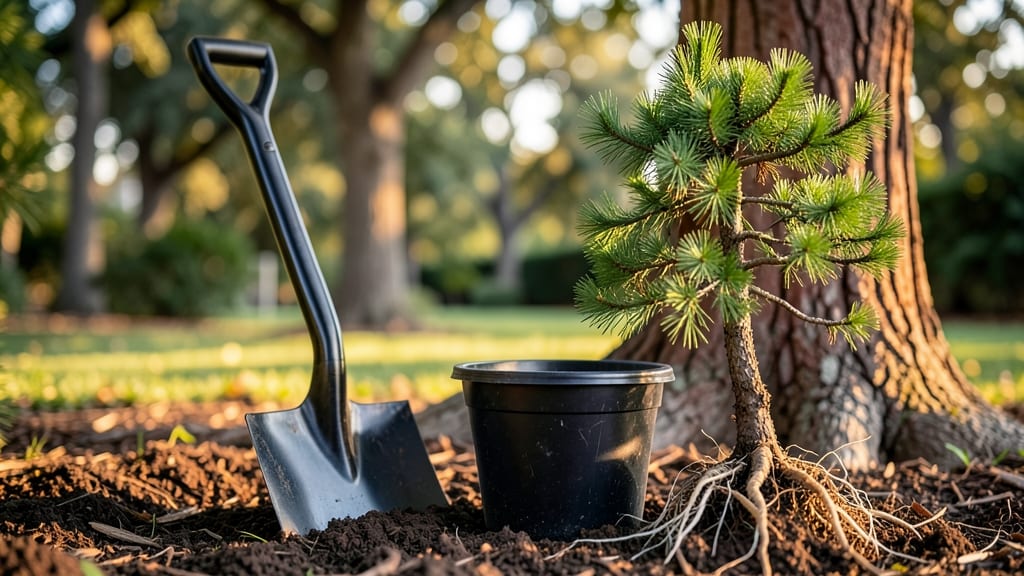
Planting a sequoia tree means giving your yard a future that outlasts you—and yes, it’s simpler than you think. 🌲 These giants start small but grow into living monuments, and the secret to their success begins with the right spot and soil.
I’ve planted mine in a sheltered corner where the morning sun warms the roots but afternoon shade keeps them cool, just like their natural forest home.
The real magic happens in the first few weeks after planting. You’ll need well-draining soil (sequoias hate soggy feet), a hole twice as wide as the root ball, and plenty of space—think 30-40 feet apart for mature trees.
Mulch heavily to lock in moisture while keeping roots cool, and water deeply but infrequently to encourage strong root growth. Most people overwater at first, but sequoias are tough once established.
Within a year, you’ll see new growth that looks almost delicate against the towering potential. These trees grow slow at first but make up for it with centuries of loyalty—your grandchildren might still be admiring yours.
The key is patience: no pruning, no fussing, just steady care while the roots spread wide enough to support a 300-foot giant.
Works best in zones 5-8 where winters dip but don’t freeze solid, though coastal areas with mild winters are ideal. If you’re in a hotter climate, plant near a water source and protect young trees from intense afternoon sun.
Ready to start your living legacy? Let’s get those roots in the ground.
📚 In This Guide
- What you need
- Instructions
- Tips and common mistakes
- Wrapping up and next steps
What you need
- ● Sequoia tree sapling: A 1- to 3-year-old container-grown Coast Redwood (Sequoia sempervirens) or Giant Sequoia (Sequoiadendron giganteum) from a reputable nursery. Size: 4–6 feet tall (smaller saplings adapt better).
- ● Shovel or trowel: A sturdy garden shovel (for digging) or trowel (for smaller holes).
- ● Compost or well-aged manure: 5–10 gallons of organic matter to enrich the soil. Options: Leaf mold, worm castings, or cow/horse manure.
- ● Mulch: 3–4 inches of wood chips or bark (avoid cedar—it’s toxic!). Coverage area: Extend 2–3 feet beyond the sapling’s root ball.
- ● Watering can or hose: With a gentle spray nozzle for hydration without damaging roots.
- ● Gloves and knee pads: Protect your hands and knees during planting!
- ○ Soil test kit (optional but recommended): Ensures your soil’s pH (ideal: 6.0–7.0) and nutrient levels are perfect for sequoias.
- ● Root stimulator: A mycorrhizal fungi or seaweed extract to boost root growth.
- ● Tree stake and tie: Only if planting in a windy area (use sparingly—sequoias hate being tied too tightly!).
- ● Drip irrigation system: For slow, deep watering over time (great for young trees!).
- ● Bird netting: Protects saplings from deer or rabbits in the early stages.
- ● Pruning shears: For trimming any damaged branches post-planting.
Step-by-Step instructions for planting a sequoia tree
Here's my straightforward method for getting these majestic giants off to the right start.
🌱 Step 1: Choose the Perfect Planting Site
Sequoias need space—at least 30 feet between trees—and thrive in full sun with well-draining soil. Avoid low spots where water pools, as their roots rot easily. I test drainage by digging a 12-inch deep hole and filling it with water; if it drains within 4 hours, the site is good.
Young sequoias tolerate partial shade but grow faster in full sun. If your yard lacks ideal conditions, consider a larger container (minimum 15-gallon) with drainage holes. The key is avoiding soggy roots—sequoias hate wet feet.
🪴 Step 2: Dig the Right-Sized Hole
Dig a hole twice as wide as the root ball but no deeper—sequoias resent having their roots buried too deep. The top of the root ball should sit 1-2 inches above ground level to prevent waterlogging. I use a shovel to loosen the sides of the hole, which helps roots spread outward.
If your soil is heavy clay, mix in 2-3 inches of compost at the bottom of the hole. This improves drainage without smothering the roots. Tap the sides of the hole gently to settle the soil before planting—this prevents air pockets that could strangle young roots.
☀️ Step 3: Plant and Stake for Stability
Remove the sequoia from its container and loosen any circling roots with your fingers. Place it in the hole so the root flare (where roots meet the trunk) sits 1-2 inches above ground level. Fill around the roots with native soil, pressing gently to eliminate air gaps.
Sequoias grow tall quickly, so stake them with two 6-foot stakes placed 12 inches apart on opposite sides. Use soft tree ties (not wire) to secure the trunk at a 45-degree angle to the stakes. This prevents wind damage while allowing natural movement.
💧 Step 4: Water Deeply and Mulch Properly
Water the newly planted sequoia deeply—about 5 gallons—to settle the soil and encourage root growth. After watering, spread 3 inches of mulch (wood chips or bark) in a 3-foot diameter circle around the base, keeping it 6 inches away from the trunk. This conserves moisture and regulates soil temperature.
Water twice weekly for the first month, then taper to once weekly once the tree is established. Overwatering is the biggest mistake—sequoias prefer dry feet once rooted. Check soil moisture by sticking your finger 2 inches deep; if dry, water slowly until it reaches 6 inches down.
⏰ Step 5: Protect and Monitor Growth
Sequoias are slow to mature but fast to grow once established. In their first year, focus on protecting the trunk from rodents and deer with a tree guard (available at nurseries). I also wrap the trunk with tree wrap to prevent sun scorch on young bark.
Monitor for yellowing needles, which signal overwatering, or brown tips, which mean underwatering. Sequoias are drought-tolerant once established but need consistent moisture as seedlings. After 2-3 years, they’ll develop deep roots and require less frequent watering.
Tips & tricks for planting a sequoia tree
Here's what I learned after helping dozens of people plant these giants—avoid these common pitfalls.
Site Selection Secret: In Step 1, when testing drainage with that 12-inch deep hole, I've seen people skip this test completely. Don't! If water sits longer than 4 hours, you're risking root rot. For container planting, make sure those 15-gallon pots have drainage holes AND saucers to catch excess water—sequoias despise soggy roots from the start.
Root Ball Placement: That 1-2 inch elevation above ground level in Step 3 is critical. I've seen people bury the root flare too deep, which strangles the tree. Think of it like a necktie—it should sit just above the collar, not buried under it. Use a level to check before backfilling with soil.
Staking Strategy: When using those two 6-foot stakes in Step 3, position them at a 45-degree angle to the trunk, not straight up and down. This creates a more natural support system. I also recommend using tree ties that can stretch slightly—they'll last longer than rigid wire. Check the ties every few months to ensure they're not cutting into the bark as the tree grows.
Watering Wisdom: Those first two weeks with twice-weekly watering can be tricky. I've learned to water slowly until the soil is moist 6 inches down—not just a quick splash. Think of it like giving your sequoia a long drink, not a quick sip. And remember, mulch isn't just decoration—those 3 inches of wood chips help regulate moisture and keep roots cool.
Pro Tips for Plant A Sequoia Tree
- Here's what I learned after helping dozens of people plant these giants—avoid these common pitfalls.
- Site Selection Secret: In Step 1, when testing drainage with that 12-inch deep hole, I've seen people skip this test completely.
- Root Ball Placement: That 1-2 inch elevation above ground level in Step 3 is critical.
Frequently asked questions
Got questions about growing a sequoia? You’re not alone—these majestic trees are stunning but require some special care! Here are answers to the most common queries to help you plant with confidence.
Can I grow a sequoia tree in my backyard?
Sequoias thrive best in large, open spaces with deep, well-draining soil and full sunlight. If your yard is small or has shallow soil, consider a dwarf sequoia (Sequoiadendron giganteum ‘Pendulum’)—it grows just 10–20 feet tall! For full-size sequoias, check local climate zones (they love USDA zones 6–9) and ensure you have plenty of vertical space (they can reach 200+ feet!).
How long does it take for a sequoia to grow?
Sequoias are patient giants! In ideal conditions, they grow about 1–2 feet per year, but full maturity (200+ feet tall) takes 600–2,000 years. For a faster (but smaller) option, dwarf varieties mature in 20–30 years. Patience is key—think of it as planting a legacy!
What’s the best time of year to plant a sequoia?
The optimal window is early spring or fall (March–May or September–November). Avoid extreme heat or frost—young sequoias are sensitive to temperature swings. If planting in summer, water daily and mulch heavily to retain moisture. Never plant in winter unless your climate is mild.
Why is my sequoia seedling dying? Troubleshooting tips.
Common issues and fixes:
- Yellowing leaves: Overwatering or poor drainage. Let soil dry slightly between waterings and amend clay soil with compost.
- Brown tips: Underwatering or low humidity. Mulch and water deeply 2–3 times per week (adjust for rain).
- Slow growth: Needs more sunlight or nutrients. Move to a sunnier spot and fertilize with low-nitrogen, high-phosphorus fertilizer in spring.
- Pests (aphids/spider mites): Spray with neem oil or insecticidal soap. Keep the area weed-free to reduce hiding spots.
If the problem persists, check for root rot (mushy stems) or fungal infections—repot or adjust watering immediately.
Are there faster-growing alternatives to sequoias?
If you love the look but want quicker results, try these sequoia-like trees:
Tree
Height (Mature)
Growth Rate
Care Level
Dawn Redwood (Metasequoia glyptostroboides)
40–70 ft
Fast (2–3 ft/year)
Moderate (tolerates wet soil)
Norway Spruce (Picea abies)
30–50 ft
Moderate (1–2 ft/year)
Easy (drought-tolerant)
Giant Sequoia ‘Green Giant’ (Sequoiadendron ‘Green Giant’)
30–40 ft
Fast (3–4 ft/year)
Moderate (needs space)
For instant drama, bonsai sequoias (miniature varieties) grow in containers!
Wrapping up and next steps
Planting a sequoia tree is a rewarding journey that connects you to nature’s giants—literally! 🌳 With the right location, soil prep, and care, you’re giving these majestic trees a thriving start. Remember, patience is key; sequoias grow slowly but leave a lasting legacy for future generations.
Ready to take the next step? Monitor your young sequoia’s progress, protect it from pests, and enjoy watching it grow into a towering symbol of strength and resilience. Happy planting! 🌱