
Planting
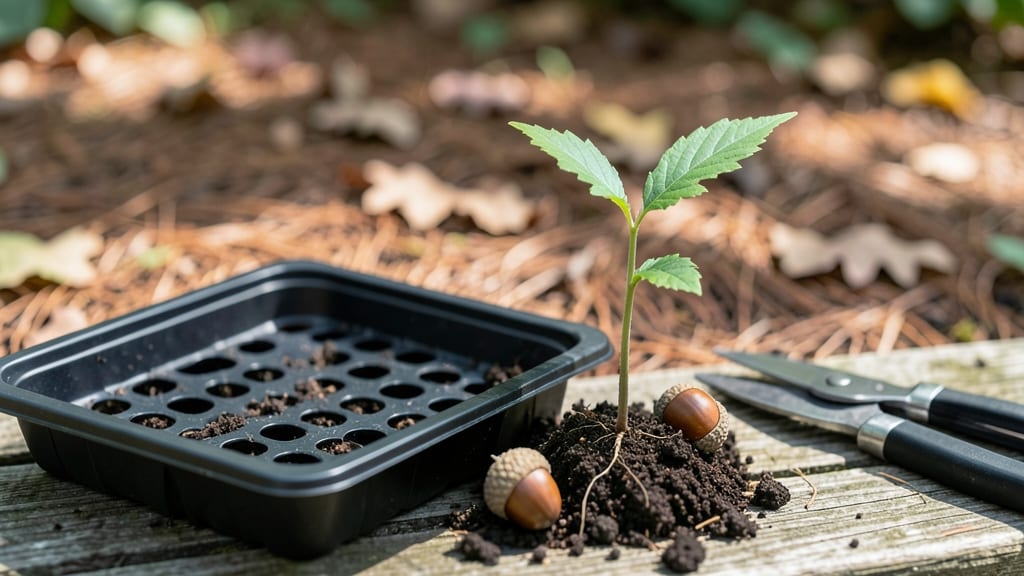
Planting acorns to grow oak trees is like starting a 50-year journey with a single seed. 🌰 I’ve watched acorns I planted as a kid grow into trees taller than my house, and the process is simpler than you’d think—though it demands patience.
The key isn’t just burying the acorn; it’s mimicking the natural conditions oak seedlings need to break dormancy and thrive.
You’ll need healthy acorns (fresh from the tree, not store-bought), a sunny spot with well-draining soil, and a little time—germination can take months, even years. Start in late fall or early winter when acorns naturally fall, and the cold helps break dormancy.
A shallow hole (about 1 inch deep) and a light mulch layer are all you need to begin, but the real magic happens underground where roots slowly establish.
What you’ll end up with is a sturdy young oak, its leaves rustling in the wind by year three or four. The first few years are slow, but once it’s past the seedling stage, growth accelerates—imagine the shade it’ll provide in decades.
The trick is consistency: water deeply once a month during dry spells, and avoid disturbing the soil until the sprout appears.
This method works for white oak, red oak, and pin oak varieties, though some species germinate faster than others. If you’re in a cooler climate, plant in fall; warmer zones can try spring planting with a cold treatment.
The hardest part? Waiting—but the payoff is a tree that could outlive you.
📚 In This Guide
- What you need
- Instructions
- Tips and common mistakes
- Wrapping up and next steps
What you need
- ● Fresh acorns: Collect 2-5 healthy, mature acorns from oak trees (white oak or red oak work best). Look for plump, unblemished acorns with intact caps.
- ● Well-draining potting mix: Use a high-quality seed-starting mix (avoid garden soil—it’s too dense). A 5-10 gallon container is ideal for germination.
- ● Small pots or trays: 2-4 biodegradable pots (3-4 inches wide) or a seed tray with drainage holes. Plastic or peat pots work well.
- ● Watering can or spray bottle: A gentle spray keeps acorns moist without overwatering.
- ○ Plastic wrap or humidity dome: Helps maintain moisture during germination (optional but helpful).
- ● Pruning shears or knife: For trimming acorn caps (if needed) or cleaning tools.
- ● Fertilizer (balanced, low-nitrogen): A diluted 10-10-10 or 5-5-5 formula after sprouting (use sparingly!).
- ● Grow lights or sunny windowsill: Acorns need bright, indirect light (6+ hours/day) for germination.
- ● Label markers: To track planting dates and oak species.
- ● Outdoor space or larger pot: Once seedlings sprout, they’ll need more room (transplant after 1-2 years).
Step-by-step instructions for planting acorns to grow oak trees
Here's the simple method I've used to nurture acorns into sturdy young oaks.
🌱 Step 1: Select and Prepare Healthy Acorns
Choose acorns that are plump and free of cracks or holes—these are your best bets for strong seedlings. I like to pick them from the ground in late fall after they've naturally fallen, as they've had time to fully mature. Place them in a bowl of water overnight to separate the good ones from the bad: healthy acorns will sink to the bottom while hollow or damaged ones will float.
Once you've identified your winners, remove the acorns from the water and let them dry for a few hours. This prevents rot while keeping them moist enough to start germination. Store them in a paper towel inside a sealed container in the refrigerator for 4-6 weeks—this mimics winter conditions and helps break dormancy. I keep mine in a plastic bag with a damp paper towel to maintain moisture without sogginess.
💧 Step 2: Plant Acorns in Moist, Well-Draining Soil
Fill a small pot—4-6 inches deep—with a mix of 50% potting soil and 50% perlite to ensure good drainage. Acorns rot if they sit in soggy soil, so this balance is key. Moisten the mix until it feels damp like a wrung-out sponge, but not dripping. Press the acorn 1 inch deep into the soil, pointy end up, and cover it lightly with more soil.
Water gently until the soil surface looks evenly moist. Place the pot in a bright spot with indirect light—like a north-facing window or under a shade cloth. Too much direct sun can dry out the soil too quickly, while too little light slows germination. I set mine on a seedling heat mat at 65-75°F to speed up the process, but a warm windowsill works too.
☀️ Step 3: Wait for Germination and Monitor Growth
Germination can take 4-12 weeks, depending on the acorn's age and conditions. You'll know it's working when you see a white root pushing through the soil first, followed by a tiny sprout within a few days. Keep the soil consistently moist—not soggy, not bone-dry—by checking the top inch daily. If it feels dry, water lightly until it's damp again.
Once the sprout reaches 2-3 inches tall, it's time to transplant it into a slightly larger pot with fresh soil mix. This prevents root binding, which stunts growth. I use 6-inch pots for the first transplant, then move to 1-gallon containers once the seedling has 4-6 true leaves. Always water thoroughly after transplanting to help the roots settle.
🌿 Step 4: Harden Off and Prepare for Outdoor Planting
When the seedling has grown 6-12 inches tall and shows new leaves, it's ready for outdoor life. Start by placing it outside in a shaded, sheltered spot for 1-2 hours the first day. Gradually increase its time outdoors over 10-14 days, moving it to sunnier spots as it adjusts. This process—called hardening off—prevents shock and helps the little tree toughen up.
For planting outdoors, choose a spot with partial shade (oaks tolerate full sun later but need protection as young trees). Dig a hole twice as wide as the root ball but no deeper. Gently remove the seedling from its pot, loosen the roots if they're circling, and place it in the hole so the top of the root ball sits 1 inch below soil level. Backfill with native soil, water deeply, and add a 2-inch layer of mulch around the base to retain moisture and suppress weeds.
Tips & tricks for planting acorns to grow mighty oak trees
Let me share what I've learned from years of growing oak seedlings—these tricks will help you avoid the mistakes I made while nurturing my first little saplings.
Selection Tip: When choosing acorns, look for ones with a smooth, rounded cap that fits snugly over the nut. The cap should be intact and firmly attached—this indicates the acorn was recently dropped and hasn't been exposed to pests or weather damage. I've found that acorns from white oak trees (with flatter caps) often germinate more reliably than red oak acorns (with pointier caps).
Storage Strategy: The 4-6 week cold stratification period is crucial, but don't skip the drying step after the water test. Wet acorns stored directly in cold conditions often develop mold. I've had the best success using a paper towel folded around each acorn in a sealed container with a damp (not wet) paper towel—this keeps moisture balanced. Check weekly and add a drop of water if the towel feels dry.
Lighting Secret: That indirect light requirement in Step 2 is non-negotiable for the first few weeks. I learned this the hard way when my first batch of seedlings stretched painfully toward the window, becoming weak and leggy. Use sheer curtains or a shade cloth to diffuse sunlight—your goal is bright but filtered light that mimics the dappled sunlight young trees get under forest canopies.
Transplanting Hack: When moving your 2-3 inch sapling to a 6-inch pot, make the transition smoother by watering it thoroughly the day before transplanting. This helps prevent shock and makes the roots more pliable. I also like to mix a small amount of worm castings into the fresh soil—it gives the seedlings a gentle nutrient boost without overwhelming them.
Pro Tips for Plant An Acorn To Grow A Tree
- Let me share what I've learned from years of growing oak seedlings—these tricks will help you avoid the mistakes I made while nurturing my first little saplings.
- Selection Tip: When choosing acorns, look for ones with a smooth, rounded cap that fits snugly over the nut.
- Storage Strategy: The 4-6 week cold stratification period is crucial, but don't skip the drying step after the water test.
Frequently asked questions
Got questions about growing an oak tree from an acorn?
You’re not alone! Here are answers to the most common queries—from timing to troubleshooting—to help you succeed.
How long does it take for an acorn to sprout?
Most acorns sprout within 4 to 8 weeks if conditions are ideal (moisture, warmth, and proper soil). Some may take longer—up to 3 months—especially if the acorn is fresh or the environment is cooler. Patience is key! If nothing happens after 3 months, the acorn may not be viable.
When is the best time of year to plant acorns?
The best time to plant acorns is late fall (October–November), mimicking nature’s timing. Planting in winter lets the acorn experience cold stratification naturally, which breaks dormancy. If you plant in spring or summer, soak the acorn for 24–48 hours first to kickstart germination.
Can I plant an acorn directly in the ground without pre-soaking?
Yes! While soaking speeds up germination, many acorns sprout fine planted directly in well-draining soil with adequate moisture. For best results, plant in a shaded, moist spot (like a forest edge) and cover lightly with soil. If your climate is dry, a light watering after planting helps.
Will squirrels or animals steal my acorns before they sprout?
Squirrels, raccoons, and birds love acorns. To protect yours:
- Plant in a hard-to-reach spot (e.g., near a fence or under dense foliage).
- Use a wire mesh cage (like chicken wire) over the planting area until sprouts appear.
- Choose less desirable acorns (e.g., from white oaks over red oaks, which squirrels prefer).
What if my acorn doesn’t sprout? How do I troubleshoot?
If your acorn stays dormant, try these fixes:
- Check viability: Cut open the acorn—if the nutmeat is brown and moldy, it’s bad. Healthy meat should be firm and light tan.
- Adjust moisture: Too much water causes rot; too little stalls germination. Keep soil consistently damp (not soggy).
- Cold stratification: Place the acorn in a plastic bag with damp peat moss and refrigerate for 6–8 weeks to mimic winter.
- Try a new acorn: Some acorns simply aren’t viable—grab a fresh one from a mature oak!
What’s the survival rate for acorn-grown oak trees?
Survival rates vary, but with proper care, 30–50% of planted acorns will germinate into seedlings. However, only 10–20% typically grow into mature trees due to pests, drought, or competition. To improve odds, plant in groups of 5–10 acorns and thin seedlings later.
Wrapping up and next steps
Growing an oak tree from an acorn is a rewarding journey that connects you to nature’s timeless cycles. 🌱 With patience, the right techniques, and a little care, you’ll nurture a mighty oak that could stand for centuries. Start small—plant that acorn today—and watch your green legacy take root!
Ready to take the next step? Visit your local nursery or forest service for native acorn varieties or explore USDA planting guides to ensure your young tree thrives. Happy planting!