
Planting
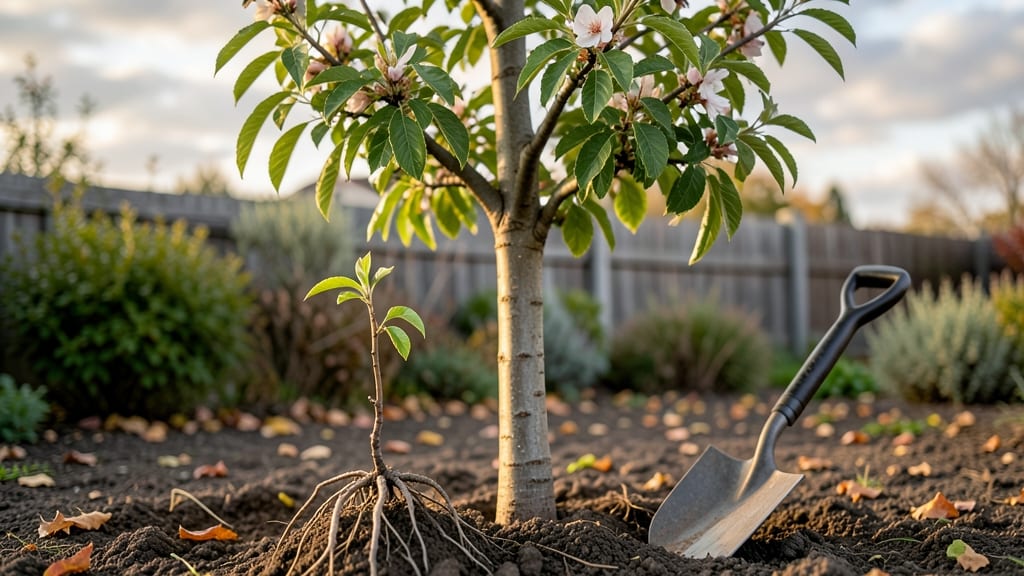
Planting an apricot tree in well-drained soil is the first step toward homegrown fruit that tastes sweeter than anything you’ll find at the grocery store. 🌳 I’ve learned the hard way that rushing this part leads to weak roots and stunted growth—so we’ll take our time.
The secret lies in the soil prep: loose, slightly acidic, and rich in organic matter, with a spot that bakes under the sun for at least six hours a day.
You’ll need a hole twice as wide as the root ball but no deeper, a shovel, compost, and a sturdy stake for support. Most beginners overwater right after planting, but the real trick is keeping the soil consistently moist for the first two weeks without drowning the roots.
Choose a variety suited to your zone—some handle heat better, others prefer cooler climates—and plant in early spring when the ground is workable but not soggy.
Within a year, you’ll see vigorous new growth, and by year three, your tree could bear its first fruit. The key is patience: apricots need time to establish strong roots before they focus on producing fruit.
Prune lightly in early spring to shape the tree and remove any crossing branches, and mulch around the base to lock in moisture and keep weeds at bay.
This method works for both dwarf and standard varieties, though smaller trees fruit faster and are easier to manage. The biggest mistake? Skipping the soil test—knowing your pH and nutrient levels makes all the difference. Let’s get that tree in the ground right.
📚 In This Guide
- What you need
- Instructions
- Tips and common mistakes
- Wrapping up and next steps
What you need
- ● Apricot tree sapling: Choose a dwarf (4–6 ft tall) or standard (12–15 ft tall) variety from a reputable nursery. Ensure it’s bare-root (dormant season) or container-grown (any season).
- ● Shovel or trowel: A round-point shovel (for digging) or a hand trowel (for smaller holes).
- ● Garden gloves: Heavy-duty nitrile-coated gloves to protect your hands from thorns and soil.
- ● Pruning shears: Bypass pruners (for clean cuts) or loppers (for thicker branches).
- ● Compost or well-aged manure: 5–10 lbs of organic matter (e.g., cow, horse, or chicken manure) to enrich the soil.
- ● Mulch: 2–3 inches of wood chips, straw, or pine bark to retain moisture and suppress weeds.
- ● Watering can or hose: A spray nozzle for gentle watering or a soaker hose for deep hydration.
- ○ Tree stake (optional but recommended): A 4–6 ft wooden or metal stake + soft tree tie (to support young trees in windy areas).
- ● Sunlight: A full-sun location (6+ hours of direct sunlight daily). Apricots thrive in warmth!
- ● Well-draining soil: Test your soil’s pH (6.0–7.0 is ideal). Amend with sand or perlite if clay-heavy.
- ● Space: Dwarf varieties: 8–10 ft between trees.
- ● Standard varieties: 15–20 ft (account for mature spread).
- ● Protection from frost: Plant in late winter/early spring (after last frost) or fall (6–8 weeks before first frost).
- ● Root stimulator: Mycorrhizal fungi or seaweed extract to boost root growth.
- ● Fruit tree fertilizer: Balanced 10-10-10 or citrus-specific formula (apply after planting).
- ● Pest deterrents: Neem oil or copper spray (for aphids/peach leaf curl prevention).
- ● Drip irrigation system: Automates watering for consistent moisture.
Step-by-step guide for planting an apricot tree
Here's the straightforward method I've used to establish healthy apricot trees year after year.
🪴 Step 1: Choose the Perfect Planting Spot
Apricot trees thrive in full sun—at least 6-8 hours daily. Scout your yard for a location with southern or western exposure where the tree will receive unfiltered sunlight. Avoid low spots where cold air settles, as apricots are sensitive to late frosts.
Check the soil drainage by digging a 12-inch deep hole. If water pools after 30 minutes, amend the soil with 2-3 inches of compost to improve drainage. Apricot trees hate soggy roots, so prioritize well-draining soil over rich fertility at this stage.
🌱 Step 2: Prepare the Planting Hole
Dig a hole twice as wide as the tree's root ball but no deeper. The top of the root ball should sit 1-2 inches above ground level—this prevents water from pooling around the trunk. Gently loosen the roots if they're circling tightly in the container.
Mix the native soil you removed with half a bucket of compost and a handful of slow-release fertilizer. This blend gives the tree nutrients without overwhelming it. Place the tree in the hole so the graft union (the bump near the base) remains above soil level—this ensures strong growth from the desired variety.
☀️ Step 3: Plant and Water Deeply
Backfill the hole with your soil-compost mix, tamping down gently to eliminate air pockets. Water thoroughly until the soil settles 2-3 inches. This first deep watering helps the roots make contact with the surrounding soil. Avoid overwatering now—you'll know moisture is right when the soil feels damp but not saturated.
Mulch around the base with 2-3 inches of wood chips, keeping it 6 inches away from the trunk. Mulch conserves moisture and regulates soil temperature, but too close to the trunk can cause rot. Water lightly every 2-3 days until new growth appears—this keeps the root zone consistently moist without drowning the tree.
✂️ Step 4: Prune for Strong Structure
Remove any broken or crossing branches with clean, sharp pruners. Focus on opening the center of the tree to improve airflow and sunlight penetration. Apricot trees benefit from an open vase shape, so aim to create a framework with 3-5 main branches spaced evenly around the trunk.
Prune in late winter or early spring before buds swell. Avoid heavy pruning now—just shape the tree lightly to encourage strong growth. You'll see new shoots emerge within 4-6 weeks, signaling the tree is establishing itself. These new branches are where future fruit will develop.
💧 Step 5: Maintain Through the First Year
Water deeply every 7-10 days during the first growing season, increasing frequency in extreme heat. Apricot trees have shallow roots, so consistent moisture is critical. You'll know the tree is getting enough water when the top 6 inches of soil stay slightly moist.
Fertilize lightly in early spring with ½ cup of 10-10-10 fertilizer, working it into the soil around the drip line. Avoid high-nitrogen fertilizers—they promote leafy growth at the expense of fruit production. Watch for signs of stress like yellowing leaves or wilting; these usually mean either too much water or not enough.
Tips & tricks for planting a thriving apricot tree
Planting an apricot tree isn't rocket science, but these little details make all the difference between a struggling sapling and a fruit-bearing powerhouse. Here's what I've learned after watching too many trees struggle from common mistakes.
Sunlight Strategy: That 6-8 hours of daily sun is non-negotiable, but here's what nobody tells you—morning sun is more important than afternoon. Position your tree to catch those first warm rays, which help dry dew quickly and prevent fungal issues. If you're in a windy area, plant on the leeward side of a fence or building to create a microclimate that protects tender new growth.
Root Ball Rescue: When you're loosening those circling roots in Step 2, don't just pull at them—score the bottom of the root ball with a knife if they're tightly bound. This encourages roots to spread outward instead of staying compacted. I've seen trees with root balls that looked like a solid block struggle for years because the roots couldn't expand properly.
Watering Wisdom: The 2-3 inches of soil settling after that first deep watering is your golden rule, but here's the trick: water slowly over 15-20 minutes to let it soak in properly. Quick dumping creates runoff that wastes water. After mulching, water again lightly every 2-3 days—this keeps the mulch moist and working effectively. Think of it like giving your tree a daily drink instead of one big gulp.
Pruning Pro Tip: Those 4-6 weeks until new shoots appear are your window to assess growth. Wait until you see 3-5 main branches forming before doing any major shaping. I've made the mistake of pruning too early—you want to let the tree establish its natural framework first. Look for branches that grow outward at 45-degree angles; these will form the strongest structure for future fruit production.
Pro Tips for Plant An Apricot Tree
- Planting an apricot tree isn't rocket science, but these little details make all the difference between a struggling sapling and a fruit-bearing powerhouse.
- Sunlight Strategy: That 6-8 hours of daily sun is non-negotiable, but here's what nobody tells you—morning sun is more important than afternoon.
- Root Ball Rescue: When you're loosening those circling roots in Step 2, don't just pull at them—score the bottom of the root ball with a knife if they're tightly bound.
Frequently asked questions
Got questions about planting your apricot tree?
You’re not alone! Here are some of the most common concerns—and their simple solutions—to help you grow a thriving tree with confidence.
When is the best time to plant an apricot tree?
The ideal window is late winter or early spring (before buds swell) or fall (4–6 weeks before frost). Avoid planting in extreme heat or cold—soil should be workable but not soggy. Pro tip: If buying bare-root trees, plant them ASAP to prevent root drying!
Can I plant an apricot tree in winter?
Yes, but with caution! Plant in dormant season (late fall/winter) only if your climate has mild winters (USDA Zones 5–9). In colder areas, wait for spring. If planting in winter, mulch heavily (3–4 inches) to protect roots from freezing. Avoid planting during hard freezes.
How close can I plant my apricot tree to my house or fence?
Keep it at least 15–20 feet from structures to avoid root competition and future pruning headaches. Apricots grow 15–25 feet tall/wide, so plan for space! Warning: Avoid planting under power lines—mature branches can reach 20+ feet.
Do apricot trees need a pollinator to produce fruit?
Most apricot varieties are self-pollinating, but cross-pollination boosts yields. Plant a second tree (even a different stone fruit like plum or peach) nearby for better fruit set. Bonus: Bees love them—just ensure no pesticides are used during bloom!
What if my apricot tree’s leaves turn yellow or drop?
Yellow leaves often signal overwatering, nutrient deficiency (like iron), or root rot. Check soil moisture (should be dry 2–3 inches deep) and test pH (ideal: 6.0–7.0). Fix it: Amend soil with compost, reduce watering, and avoid soggy conditions.
Can I grow an apricot tree in a container?
Dwarf varieties (like ‘Goldbar’ or ‘Tilton’) work in large pots (15+ gallons) for patios, but expect limited fruit. Use well-draining soil, fertilize regularly, and move containers to full sun in summer. Note: Containers dry out faster—water deeply 2–3x/week in hot weather.
Wrapping up and next steps
Planting an apricot tree is a rewarding journey that brings sweet rewards—literally! 🌱 With the right location, soil prep, and care, your tree will thrive and soon gift you with juicy, sun-kissed fruit.
Remember, patience is key: prune, water, and nurture it like a pro, and you’ll enjoy years of harvests.
Now that you’re armed with knowledge, take the next step! Whether you’re a seasoned gardener or a beginner, grab your gloves and get planting. Your future apricot orchard awaits—let’s grow something delicious together! 🍑✨