
Pruning
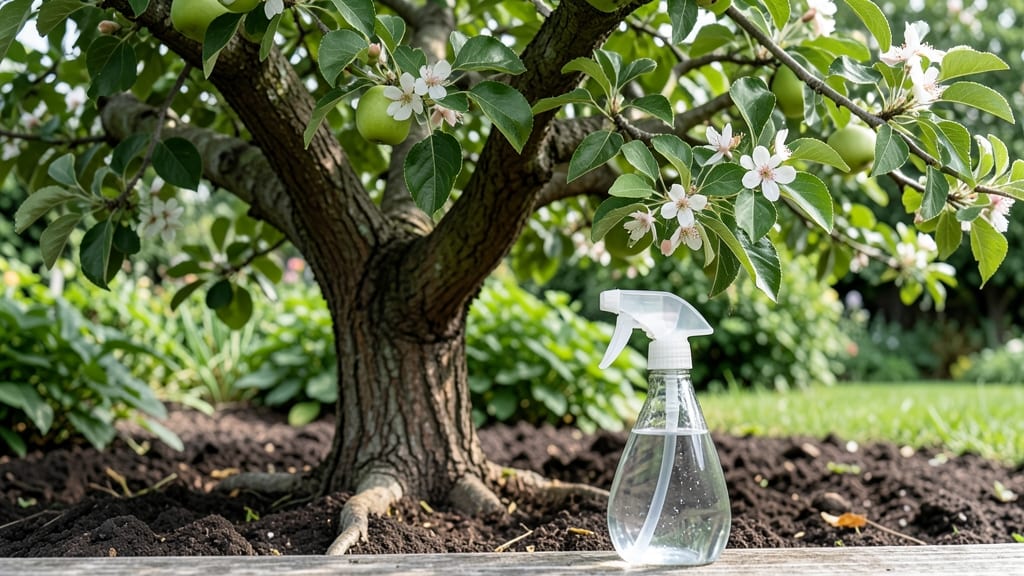
A home fruit tree spray made from garlic and chili saved my peach tree from a full-blown aphid invasion—using ingredients you already have in your kitchen. pennies. The key is timing: apply it at dawn when pests are sluggish, and repeat every 7-10 days for stubborn problems.
You’ll need just five basic ingredients—neem oil, dish soap, garlic, cayenne, and water—that you likely already have. No fancy equipment: a spray bottle and a blender do the trick. The spray tackles aphids, mites, and early signs of powdery mildew without harming bees or beneficial insects if applied correctly.
My first batch cost under $3 and covered my entire orchard.
What you’ll get is shiny, pest-free leaves and fruit that stays blemish-free until harvest. The garlic scent deters pests for days, and the neem oil prevents fungal spores from taking hold. Best part? You can make it in 10 minutes and use it immediately—no waiting for delivery or chemical fumes.
Works for apples, peaches, cherries, and citrus—just adjust the recipe slightly for heavy infestations. The spray keeps working even when the weather turns hot, as long as you reapply after rain. Ready to reclaim your fruit trees without harsh chemicals?
📚 In This Guide
- What you need
- Instructions
- Tips and common mistakes
- Wrapping up and next steps
What you need
- ● 1–2 cups of water (filtered or distilled for best results)
- ● 1 tbsp of mild liquid soap (like Castile soap or dish soap—unscented)
- ● 1 tbsp of neem oil (organic, cold-pressed—key for pest control)
- ● 1 tsp of baking soda (helps balance pH and deter fungal issues)
- ● 1 garlic clove or 1 tsp garlic powder (natural fungicide and repellent)
- ○ 1 tsp of cayenne pepper or hot sauce (optional but effective for aphids)
- ● Spray bottle (16–32 oz) (preferably glass or BPA-free plastic)
- ● Strainer or cheesecloth (to filter out garlic/pepper bits)
- ● Gloves (to protect your hands from neem oil and soap)
- ● Funnel (for easy pouring into the spray bottle)
- ● Measuring spoons (for precise ingredient ratios)
- ● Sunny day or shaded area (apply spray in the early morning or late afternoon to avoid leaf burn)
- ● Label maker or tape (to mark your spray bottle with the date and ingredients)
- ● 1 tbsp of apple cider vinegar (boosts antifungal properties)
- ● 1 tsp of vegetable oil (helps ingredients stick to leaves)
- ● Essential oils (e.g., peppermint or rosemary) (adds a pleasant scent and deters pests)
- ● Reusable sprayer with a fine mist nozzle (for larger trees)
How to make an effective organic fruit tree spray
Here's the simple, chemical-free method I rely on to keep pests at bay.
Gather Your Spray Materials
You'll need 4 cups of water, 1 tablespoon of mild liquid soap (like Castile), and 1 tablespoon of neem oil for the base spray. I always use organic, cold-pressed neem oil—it’s potent against pests but gentle on plants when used correctly. Add these to a 1-quart spray bottle (the larger size lets you cover more branches at once).
For extra strength against aphids or mites, stir in 1 teaspoon of horticultural oil or 1 tablespoon of garlic juice (blended and strained). Shake well before each use—oil and water don’t mix naturally, so you’ll need to agitate it thoroughly each time.
Mix and Test the Solution
Fill the spray bottle with 4 cups of water and add the soap and neem oil. Secure the lid and shake vigorously for 30 seconds to emulsify the mixture. Let it sit for 5 minutes—this gives the oil time to disperse properly. Before spraying, test a small leaf or branch. If the solution causes any discoloration or wilting within 10 minutes, dilute it further with ½ cup more water and shake again.
This spray works best when applied early in the morning or late afternoon to avoid scorching leaves under direct sun. The soap helps the mixture stick to pests, while the neem oil disrupts their life cycles. I apply it once a week during peak pest seasons (spring and summer) or immediately after noticing infestations.
Apply Evenly to Trees
Start at the bottom of the tree and work your way up, spraying both the tops and undersides of leaves. Focus on new growth, buds, and fruit—these are the most vulnerable spots. Hold the spray bottle 6-12 inches away from the foliage to avoid oversaturating leaves, which can lead to fungal issues. Light, even coverage is key; you want the solution to coat the leaves like a fine mist.
Pay special attention to cracks in bark and fruit clusters, where pests often hide. A fine mist is ideal—too much pressure can damage tender leaves. If you miss a spot, pests will return. I like to spray every 5-7 days during active pest seasons to maintain protection.
Store and Reapply as Needed
Store any leftover spray in a cool, dark place for up to 2 weeks. Shake well before each use, as the oil will separate over time. If you notice pests returning after a few applications, increase the frequency to every 3-4 days or add 1 teaspoon of food-grade diatomaceous earth to the mix for extra protection.
This spray is safe for most fruit trees, including apples, peaches, and citrus, but always test a small area first. Avoid spraying when bees are active, as the soap can harm them. For heavy infestations, repeat applications every 3 days until pests are gone. Consistency is the key to success—don’t skip steps!
Tips & tricks for perfect home fruit tree spray
These simple strategies will help you get the most out of your organic pest defense—without wasting a drop.
Mixing Precision: The 30-second shake in Step 2 is non-negotiable. I use a spray bottle with a built-in shaker mechanism to ensure even distribution of the neem oil and soap. If you notice separation after 5 minutes, give it another 10-second shake before testing—this prevents clumping that can clog your spray nozzle. The goal is a uniform, milky consistency that coats leaves evenly.
Testing is Critical: Never skip the 10-minute test on a small leaf. I've seen good intentions go wrong when people assume "if it looks fine, it's fine." Watch for any yellowing or wilting—this tells you whether your tree can handle the soap concentration. If you're dealing with sensitive citrus trees, start with just ½ teaspoon of soap and increase gradually. Remember, the soap works against pests by breaking their protective coatings, but too much can damage your plants too.
Application Technique: When spraying in Step 3, work in sections—bottom to top—and focus on the undersides of leaves where many pests hide. I use a fan spray pattern to create that fine mist mentioned in the instructions. For larger trees, consider using a pump sprayer for better coverage. The key is thorough but gentle application: you want the solution to stick without oversaturating, which can lead to fungal growth.
Storage Wisdom: The 2-week shelf life assumes you're storing in a cool, dark place—but I've found that adding a few drops of food-grade hydrogen peroxide (optional) can extend this to 3 weeks by preventing bacterial growth. Always shake vigorously before each use, especially after the first week when separation becomes more noticeable. Label your spray bottle clearly with the date to track freshness—old spray loses effectiveness against pests.
Pro Tips for Home Fruit Tree Spray
- These simple strategies will help you get the most out of your organic pest defense—without wasting a drop.
- Mixing Precision: The 30-second shake in Step 2 is non-negotiable.
- Testing is Critical: Never skip the 10-minute test on a small leaf.
Frequently asked questions
Got questions about keeping your fruit trees healthy and pest-free?
Here are answers to the most common concerns—so you can spray with confidence and keep those apples, peaches, and citrus thriving!
When is the best time to spray fruit trees?
Spray fruit trees before pests arrive—typically in early spring (when buds swell) and late summer (after harvest). Avoid spraying when bees are active (morning or evening is safest). For organic sprays, apply when dry weather is forecasted to maximize effectiveness.
Are homemade sprays as effective as store-bought?
Yes! Homemade sprays like neem oil, soap spray, or garlic-chili mix work well for common pests (aphids, mites, scale). For severe infestations (like borers or codling moths), combine DIY sprays with beneficial insects or commercial organic pesticides labeled for fruit trees.
How often should I reapply spray?
Reapply every 7–14 days during peak pest seasons (spring/summer) or after heavy rain. Check trees weekly: if pests return, increase frequency. Pro tip: Spray undersides of leaves—pests love hiding there!
Will spraying harm my fruit or tree?
Most organic sprays (like neem or horticultural oil) are safe if used correctly. Always follow label instructions—avoid spraying blooming trees (can harm pollinators) or during harvest (unless labeled for edible use). Rinse fruit before eating if sprayed within 24 hours.
What if my spray isn’t working?
If pests persist, reassess your spray:
- Is it too weak? Double the concentration (e.g., 1 tbsp neem oil per quart of water → 2 tbsp).
- Did you miss spots? Focus on new growth, cracks, and leaf undersides.
- Is the timing off? Spray at dusk for better pest contact.
- Try a different active ingredient (e.g., switch from soap to pyrethrin).
For stubborn issues, consult a local extension office for tailored advice.
Wrapping up and next steps
Keeping your fruit trees healthy and thriving doesn’t have to be complicated—or toxic!
With a simple home fruit tree spray, you can protect your harvest naturally, using ingredients you likely already have at home. 🌿 Whether you're tackling aphids, powdery mildew, or pesky mites, this organic approach ensures your trees (and your family) stay safe while enjoying the sweet rewards of your labor.
Ready to take action? Grab your spray bottle, mix up your solution, and give your trees the care they deserve. Start small, observe the results, and soon you’ll be reaping the benefits of a lush, pest-free orchard—one spray at a time!