
Pests
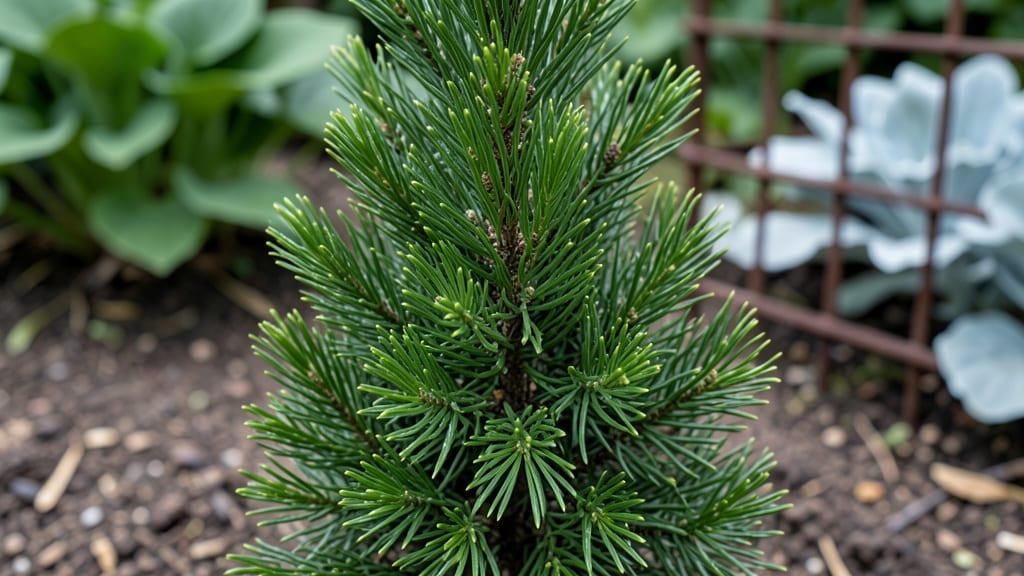
Learning how to prevent deer from eating trees saved my young maple—until they still found it as their personal salad bar. 🌿 The good news? You don’t need a fortress fence or expensive repellents to save your trees.
I’ve tested everything from commercial sprays to homemade garlic concoctions, and these five fence-free methods actually work without breaking the bank or harming wildlife.
The key is combining physical protection (like flexible tree guards) with natural deterrents (spicy pepper sprays or deer-resistant plants nearby). My favorite setup uses a wire mesh wrap around the trunk—cheap, reusable, and invisible once the tree matures.
The secret? Start early in spring before deer get hungry, and refresh deterrents every 4-6 weeks or after rain.
You’ll see results fast: no more jagged browsed edges, no sapling stumps overnight. Even better, these methods work for young saplings, fruit trees, and ornamental favorites alike. The only downside? You’ll need to stay consistent—deer are persistent, but they’re not picky eaters, so a little creativity goes a long way.
For stubborn cases (like a herd that’s already claimed your yard as a buffet), I’ll share when to call in a pro—because sometimes, a strategic fence section is the only peace of mind. Let’s get your trees growing instead of getting gnawed.
📚 In This Guide
- What you need
- Instructions
- Tips and common mistakes
- Wrapping up and next steps
What you need
- ● Repellent sprays: Choose deer-specific repellents (e.g., Liquid Fence, Deer Out, or Plantskydd). Aim for 1–2 gallons per 100 linear feet of tree perimeter. Hot pepper wax-based options are extra effective!
- ● Physical barriers: Tree guards: Flexible plastic or metal guards (e.g., Tree Tanglefoot or Tree Collars). Buy 1–2 per tree, sized to fit your tree’s trunk diameter.
- ● Fencing alternatives: 8–10 ft tall chicken wire, plastic tree netting, or deer-resistant fencing (e.g., Vexar). For small yards, 10–20 ft of fencing may suffice.
- ● Natural deterrents: Garlic or predator urine: 1–2 bottles (e.g., Bobcat Big Cat or Nature’s Miracle predator urine). Use 10–15 sprays per tree or soak cotton balls for DIY options.
- ● Human hair or fabric: Collect old hairbrushes, scarves, or clothing (deer dislike human scent!). Hang or scatter near trees.
- ● Tools: Spray nozzle or pump sprayer (for repellents).
- ● Measuring tape (to gauge tree circumference and barrier placement).
- ● Scissors or wire cutters (for trimming fencing/netting).
- ● Staple gun or zip ties (to secure barriers).
- ● Motion-activated sprinklers: Devices like ScareCrow (battery-powered, $50–$100) spray water when deer approach—great for large areas!
- ● Ultrasonic repellents: Solar-powered emitters (e.g., Deer Deterrent Systems) create high-frequency sounds deer dislike. Cover 1–2 acres per unit.
- ● DIY spice blends: Mix 1 part cayenne pepper + 1 part garlic powder + 2 parts water in a spray bottle for a budget-friendly repellent.
- ● Reflective tape or old CDs: Hang shiny objects near trees to create movement and startle deer.
Step-by-Step instructions for creating effective deer-resistant tree barriers
Here’s how I’ve protected my young trees without fencing—using natural repellents and strategic plantings.
🌱 Step 1: Apply Commercial Deer Repellents at the Right Time
Start with a liquid or spray deer repellent (like those containing rotten egg or predator urine scents). Apply it directly to the tree bark and surrounding soil within a 3-foot radius—this mimics natural warning signals. I like to do this twice monthly during spring and fall, when deer are most active. The key is consistency; deer learn to ignore repellents if you skip applications.
Timing matters too: apply repellents in the early morning or late evening when deer are most active. If you notice fresh bite marks, double the application frequency for that tree. The scent lingers for about 7-10 days, so plan your schedule accordingly. Avoid watering the area immediately after application—it washes away the scent before deer can register it.
☀️ Step 2: Install Physical Barriers with Flexible Materials
Wrap the lower 6 feet of the tree trunk with plastic tree guards or wire mesh (like hardware cloth with ½-inch holes). Deer can’t chew through these, but they must be tight against the bark—no gaps. I’ve found that black plastic guards work best because they’re less visible to deer than clear ones. Secure the top and bottom with staple guns or zip ties to prevent deer from pushing them aside.
For young saplings, use individual plastic tubes (like those sold for protecting tree seedlings). These are lightweight, easy to install, and blend into the landscape better than bulky wire cages. If you’re working with multiple trees, group them together and wrap the entire cluster with a single large mesh barrier—deer are less likely to investigate a dense, confusing mass.
🌿 Step 3: Plant Deer-Resistant Ground Covers Around the Tree
Create a natural barrier by planting deer-resistant shrubs and perennials within 4-5 feet of the tree. Options like boxwood, yew, or Russian olive are unappealing to deer and add an extra layer of protection. These plants also help shade the tree base, making it less visible to foraging deer. Space them 12-18 inches apart to fill in quickly and create a dense understory.
Add bulbs like daffodils or snowdrops—deer avoid their bitter taste. Plant them in a ring around the tree at a depth of 3-4 inches, spacing bulbs 6 inches apart. The bulbs will multiply over time, creating a low, toxic barrier that deer instinctively avoid. This method is especially effective in early spring, when deer are desperate for food but still cautious about unfamiliar plants.
✂️ Step 4: Use Motion-Activated Deterrents for High-Risk Areas
Place motion-activated sprinklers or lights near the tree to startle deer when they approach. These devices trigger sudden bursts of water or flashing lights when movement is detected, scaring deer away without harming them. I position mine 5-6 feet from the tree trunk, aiming upward to create a wide detection zone. The sprinklers should be set to light mist—deer are more deterred by surprise than by heavy soaking.
For areas with persistent deer pressure, combine sprinklers with ultrasonic repellents. These emit high-frequency sounds that are inaudible to humans but irritating to deer. Place the ultrasonic device within 10 feet of the tree and keep it fully charged—battery life varies, but most last 3-6 months on a single charge. Check the device weekly to ensure it’s still active, especially after storms.
Tips & tricks for effective deer-resistant tree barriers
These practical strategies will help you maximize your protection against deer browsing—without relying on fences.
Timing Secret for Repellents: The twice-monthly application schedule in Step 1 is non-negotiable, but here's the trick: apply repellents when the soil is slightly damp (after morning dew or light watering) to help the scent adhere better. I've found that applying at dusk—just as deer become active—gives the scent an extra few hours to settle before their evening foraging begins. The 7-10 day scent longevity means you can actually stretch applications to every 10 days in mild seasons, but double up after heavy rains which wash away the scent faster.
Material Matters for Physical Barriers: When installing the 6-foot plastic guards in Step 2, pay special attention to the top edge—this is where deer often try to push them aside. I reinforce the top with an extra zip tie and bend it slightly outward to create a physical barrier they can't easily climb over. For wire mesh, use ½-inch holes as specified, but consider adding a second layer of ¼-inch mesh around the base where deer are most likely to nibble. The black plastic guards work best because their color mimics natural bark patterns, making them less noticeable to deer.
Plant Selection Strategy: In Step 3, when choosing deer-resistant shrubs, prioritize plants with strong aromas like Russian olive—their pungent scent alone often deters deer before they even consider browsing. For bulbs, I've had the most success with daffodils planted in a double ring: the inner ring at 3-4 inches depth as specified, and an outer ring at 6 inches depth. This creates a wider toxic barrier that deer instinctively avoid, especially when combined with the shrub layer that provides visual obstruction.
Deterrent Placement Optimization: For motion-activated sprinklers in Step 4, position them slightly higher than the 5-6 feet recommendation—aim for 6-7 feet—to catch deer when they're standing on their hind legs to reach higher branches. The ultrasonic repellents should be placed at ground level within 10 feet, but angle them slightly upward to create a sound barrier that covers the tree's full height. I've found that combining both devices creates a multi-sensory deterrent that's far more effective than either alone.
Pro Tips for Prevent Deer From Eating Trees
- These practical strategies will help you maximize your protection against deer browsing—without relying on fences.
- I've found that applying at dusk—just as deer become active—gives the scent an extra few hours to settle before their evening foraging begins.
- Material Matters for Physical Barriers: When installing the 6-foot plastic guards in Step 2, pay special attention to the top edge—this is where deer often try to push them aside.
Frequently asked questions
about keeping deer away from your trees—because no one wants to wake up to a backyard full of chewed-up saplings! Here are answers to the most common questions:What’s the best time of year to start protecting my trees?
Start before deer browsing season—typically late fall to early winter—when deer rely more on woody plants for food. If you’ve already lost trees, act immediately! Young trees are most vulnerable in winter and early spring when snow covers natural food sources.
Will deer-proof fencing work for all tree types?
Yes, but height and material matter. Use 8-foot tall fencing for mature trees and 6-foot fencing for saplings. For non-fence barriers like repellents or spikes, they’re most effective on small trees or shrubs. Larger trees may need a combo of physical barriers + repellents for full protection.
Are there affordable alternatives to expensive fencing?
Try DIY options like:
- Spike strips ($20–$50) – Cheap and reusable.
- Commercial repellents ($15–$40) – Spray or granular formulas.
- Planting deer-resistant species (e.g., redbud, hawthorn, or boxwood) – Free long-term fix!
- Motion-activated sprinklers ($50–$150) – Scares deer without harm.
How do I know if deer are really the problem?
Check for these telltale signs:
- Clean, straight-line bites (deer don’t chew like rabbits).
- No leaves on lower branches (deer browse at mouth level).
- Tracks or droppings near damaged trees.
- Damage worsens at night or dawn (deer’s active hours).
What if repellents stop working?
Deer can get used to scents! Rotate repellents every 4–6 weeks or combine methods (e.g., repellent + spikes). If they’re still feasting:
- Try a stronger formula (like Thornless Hedgehog spikes).
- Add visual deterrents (old CDs hung from trees).
- Consider a partial fence around high-risk trees.
Wrapping up and next steps
Protecting your trees from hungry deer doesn’t have to mean installing a fence—just a few smart, creative strategies can make a big difference! 🌳 From natural repellents to taste deterrents and strategic plantings, you’ve got plenty of effective, low-effort options to keep your greenery safe.
Start small with one or two methods, observe what works best in your yard, and gradually expand your defenses.
Now that you’re armed with solutions, take action today! Pick one barrier method and give it a try—your trees (and future saplings) will thank you. 💪 Ready to get started? Check out our step-by-step guides for hands-on tips!