
How To
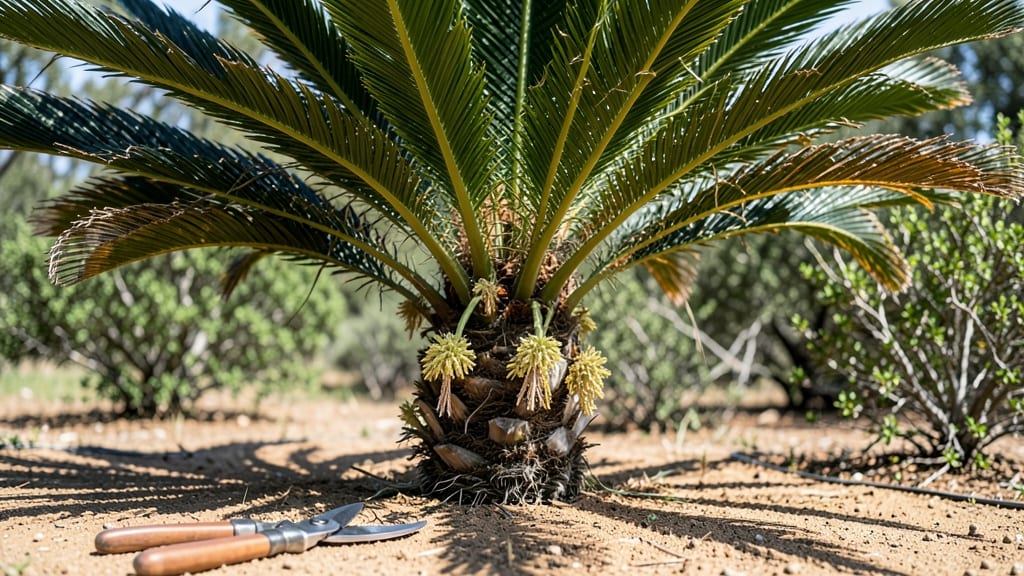
Pruning a palm tree keeps it healthy and prevents dangerous fronds from becoming projectiles—something I learned the hard way after a storm snapped a 12-foot frond onto my neighbor’s car.
The right technique depends on your palm type (coconut, date, or ornamental) and growth stage, but the core steps are simpler than they seem.
You’ll need sharp pruners, a ladder or bucket truck, gloves, and disinfectant to prevent disease spread. Start by removing only dead or brown fronds—never more than one-third of the crown at once.
For safety, prune in dry weather when fronds are fully extended, and always cut cleanly just above the point where the frond meets the trunk. The goal is to encourage new growth while keeping the tree structurally sound.
📚 In This Guide
- What you need
- Instructions
- Tips and common mistakes
- Wrapping up and next steps
What you need
- ● Pruning shears or loppers – Choose bypass pruners (sharp, clean cuts) or heavy-duty loppers (for thicker fronds). Size: 6–10 inches for most palm fronds.
- ● Pole saw or extension pruner – A 10–15 ft. pole with a curved blade (like a Fiskars X27) to reach high fronds safely.
- ● Heavy-duty gloves – Garden gloves with grip (palm fronds have sharp serrated edges!). Look for cut-resistant options like Mechanix Wear.
- ● Safety glasses – Protect your eyes from debris (even small frond pieces can sting!).
- ○ Ladder or lift (optional but helpful) – A stable, extendable ladder (20–30 ft.) or a cherry picker for tall palms (e.g., Cocos nucifera or Washingtonia).
- ● Disposable pruning bags or tarp – Collect fronds for cleanup. A 50–100 gallon contractor bag works well.
- ● Disinfectant (70% isopropyl alcohol or bleach solution) – Clean tools between cuts to prevent disease spread.
- ● Rope or bungee cords – Secure fronds as you work to avoid accidental drops.
- ● Pruning saw – For thick, woody stalks (e.g., Sabal palmetto trunks).
- ● Harness or safety line – If working on very tall palms (25+ ft.), attach to a sturdy anchor.
- ● Long-sleeve shirt and pants – Protects against scratches from fronds.
- ● Work boots with ankle support – For stability on uneven ground.
- ● Hose or bucket of water – Dampen fronds slightly to reduce dust and make cutting easier.
Step-by-step guide for pruning palm trees safely
Healthy palms start with proper pruning—this is how I keep them strong and vibrant.
Assess the Tree and Identify Dead or Damaged Fronds
Begin by examining the palm from top to bottom. Look for fronds that are completely brown, brittle, or hanging limply—they’re dead and need removal. Healthy fronds should have some green at the base, even if the tips are yellowing. I always start with the oldest, outermost fronds first, as they’re the most likely to be nonproductive.
Use your hand to gently shake each frond. If it crumbles easily, it’s dead. If it feels stiff or has any green, leave it for now. Never remove more than one-third of the frond surface area at a time, as this can stress the tree. Palm trees rely on their fronds for photosynthesis, so balance is key for maintaining that healthy look.
Gather the Right Tools and Prepare for Safety
You’ll need a sharp pruning saw for thick stems, bypass pruners for smaller fronds, and gloves to protect your hands from sharp edges and potential irritants like sap. I also recommend eye protection—palm fronds can snap back unexpectedly, and debris can fly. Wear long sleeves and sturdy shoes with good traction, especially if you’re working on a ladder.
Before climbing, check the weather. Prune on a dry, calm day—wind can make the job dangerous, and rain can turn the area slippery. If the tree is near power lines, call a professional immediately. I’ve seen too many close calls where DIY pruners underestimated the height and risk involved. Safety first, always.
Remove Dead Fronds and Trim Excess Growth
Start by cutting the dead fronds at their base, where they meet the trunk. Use your pruning saw to make a clean cut about ½ inch above the previous frond’s attachment point. Avoid leaving stubs, as they can collect moisture and rot. For smaller fronds, bypass pruners work well—just ensure the cut is smooth to prevent tearing.
Next, trim any excess growth, such as flower stalks or seed pods, if they’re no longer producing. These can drain energy from the tree. I also look for fronds that are crowding the center—palm trees need airflow to prevent fungal issues. If a frond is blocking sunlight from reaching the trunk, it’s time to remove it. Always cut at a 45-degree angle to encourage faster healing and reduce water pooling.
Clean Up and Monitor for Signs of Stress
After pruning, remove all debris from the base of the tree and surrounding area. Leaving old fronds can attract pests or diseases. I rake up the clippings and dispose of them properly—never leave them piled near the tree. This also helps prevent fungal spores from spreading back to the palm.
In the days following pruning, watch for signs of stress, like yellowing leaves or wilting fronds. If you see excessive sap oozing from the cuts, it’s a sign the tree is struggling. Water deeply but lightly for the first week to help it recover. Most palms bounce back within 2-4 weeks, but if you notice new fronds curling or browning, you may have pruned too aggressively.
Tips & tricks for pruning palm trees safely
Pruning palms right can transform a struggling tree into a thriving centerpiece—here’s how to avoid common pitfalls and keep your palm in peak condition.
Timing is Everything: The best time to prune is during late winter or early spring when new growth begins. This timing aligns with the tree’s natural growth cycle, minimizing stress. Avoid pruning during extreme heat or drought, as the tree’s energy will be focused on survival rather than recovery. If you must prune outside this window, water the tree thoroughly before and after to support its healing process.
Tool Sharpness Matters: Dull tools create jagged cuts that can tear the fronds and leave the tree vulnerable to disease. Always use a sharp pruning saw for thick stems and bypass pruners for smaller fronds. Test your tools before starting—if they struggle to cut through a small branch cleanly, they’re not sharp enough. A smooth cut heals faster and looks more professional, reducing the risk of infection.
The One-Third Rule: Never remove more than one-third of the frond surface area at once. This guideline ensures the tree retains enough foliage for photosynthesis, which is critical for its energy production. If you’re unsure, count the fronds: remove every third frond from the oldest outward, leaving the younger, healthier ones intact. Over-pruning can leave your palm weak and susceptible to pests or disease.
Post-Pruning Care: After you’ve finished cutting, don’t just walk away. Monitor the tree closely for the first two weeks, watching for signs of stress like yellowing leaves or excessive sap. If you notice any issues, water deeply but lightly to help the tree recover. Most palms show signs of improvement within 2-4 weeks, but if new fronds are curling or browning, you may have pruned too aggressively. A little patience goes a long way in ensuring your palm thrives.
Pro Tips for Prune A Palm Tree
- Pruning palms right can transform a struggling tree into a thriving centerpiece—here’s how to avoid common pitfalls and keep your palm in peak condition.
- Timing is Everything: The best time to prune is during late winter or early spring when new growth begins.
- Tool Sharpness Matters: Dull tools create jagged cuts that can tear the fronds and leave the tree vulnerable to disease.
Frequently asked questions
Got questions about pruning palm trees?
Here are answers to the most common concerns—from timing to tools and troubleshooting—to help you prune with confidence!
When is the best time to prune a palm tree?
Prune your palm tree during its dormant season, typically late winter or early spring (before new growth starts). Avoid pruning during extreme heat or cold, as this can stress the tree. For tropical palms, any time of year is fine, but early morning or late afternoon reduces sun stress on fresh cuts.
Can I prune a palm tree at any height, or are there safety risks?
Always prioritize safety! Tall palms require professional help—never climb or use ladders unless you’re trained. For ground-level pruning, wear gloves, eye protection, and sturdy shoes. If your palm is over 20 feet tall, hire a certified arborist to avoid falls, equipment damage, or accidental harm to the tree.
What should I do if my palm tree starts bleeding sap after pruning?
Sap bleeding is normal and harmless—it’s the tree’s way of sealing wounds. Cover the cuts with pruning sealant (optional) or let them air-dry. Avoid over-pruning; remove only dead or damaged fronds to minimize stress. If sap persists excessively, check for pests or disease, which may require treatment.
How much can I prune without harming my palm tree?
Remove only dead, yellow, or hanging fronds—never cut more than 1/3 of the crown at once. Over-pruning weakens the tree, reduces photosynthesis, and can attract pests. For healthy palms, a light trim annually keeps them thriving. If unsure, prune conservatively and monitor growth.
Do I need special tools, or can I use regular garden shears?
Regular shears work for small fronds, but for thicker stems or tall palms, use pruning saws, loppers, or pole pruners. Disinfect tools with rubbing alcohol between cuts to prevent disease spread. Avoid chainsaws unless you’re experienced—they can damage the trunk and create messy cuts.
Wrapping up and next steps
Pruning your palm tree doesn’t have to be intimidating—with the right tools, timing, and technique, you can keep it thriving while enhancing its beauty. Remember, safety first and always prioritize the health of your tree by removing only what’s necessary.
Now that you’re armed with knowledge, there’s no better time to grab those pruners and give your palm tree the care it deserves!
🌿 Next step: Mark your calendar for the optimal pruning season (usually late winter or early spring) and start observing your palm’s growth. If you’re unsure, consult a local arborist for personalized advice—your tree will thank you!