
How To
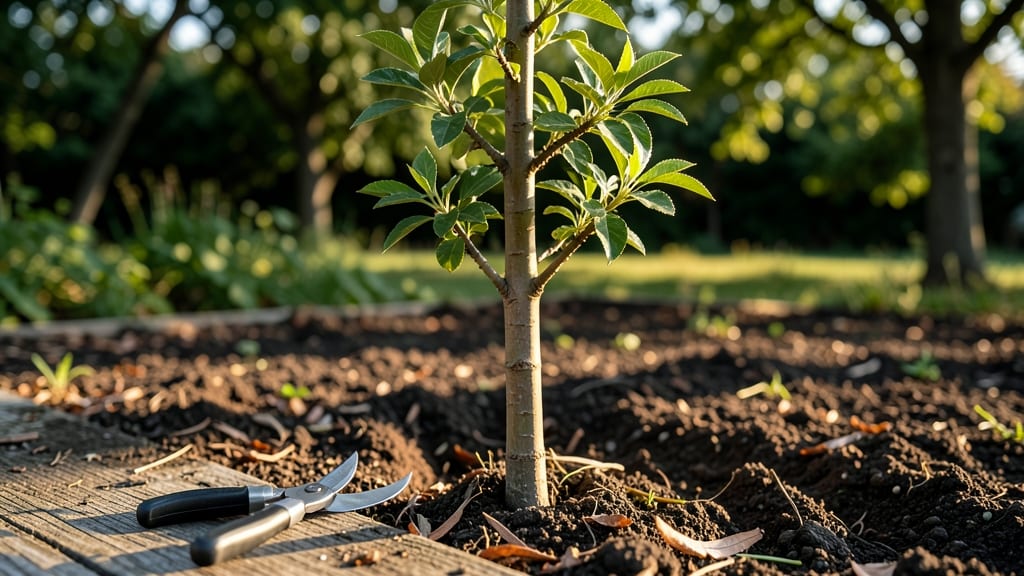
Pruning a peach tree for the first time feels intimidating, but the right cuts unlock years of healthy fruit production and strong growth. I remember my first attempt—too many branches, uneven cuts, and a tree that looked like a tangled mess.
The key is simple: focus on opening the center for sunlight and air, removing dead wood, and shaping gently. You’ll end up with a tree that rewards you with juicy peaches instead of frustration.
Start with clean, sharp pruners and a 30-minute session on a dry day during late winter or early spring. Look for three types of cuts: dead or crossing branches (remove them completely), weak growth (thin them out), and any limbs rubbing against others.
The goal is to create an open vase shape—this lets sunlight reach the center where fruit forms. Afterward, sanitize your tools with rubbing alcohol to prevent disease spread, and avoid over-pruning (never remove more than 25% of the tree’s foliage at once).
📚 In This Guide
- What you need
- Instructions
- Tips and common mistakes
- Wrapping up and next steps
What you need
- ● Pruning shears: Bypass pruners (8-10 inches) for small branches (1/4"–3/4" diameter). Sharpness is key—dull blades crush wood instead of cutting cleanly!
- ● Loppers: One pair (18–24 inches) for medium branches (3/4"–2" diameter). Look for ratcheting or bypass-style for precision.
- ● Pruning saw: A bow saw or folding pruning saw for thick branches (2"+ diameter). Opt for a fine-toothed blade to avoid tearing.
- ● Gloves: Heavy-duty gardening gloves (leather or reinforced) to protect against thorns and splinters.
- ● Disinfectant: 70% isopropyl alcohol or a 10% bleach solution (1 part bleach to 9 parts water) to sterilize tools between cuts.
- ● Ladder: A sturdy, extension ladder (if your tree is over 6 feet tall). Safety first—secure it on level ground!
- ● Tarp or drop cloth: To collect fallen branches and debris easily.
- ○ Marking twine or flags: For tagging branches you’re unsure about (optional but handy!).
- ● Hand sanitizer or wipes: To clean hands after handling sap or thorns.
- ● Choose a dry, sunny day (avoid pruning when the tree is wet—disease risk increases!).
- ● Check the tree’s age and health. Young peach trees (under 3 years) need minimal pruning—focus on shaping, not heavy cuts.
- ● Have a clear plan. Sketch your tree’s structure or take photos beforehand to visualize cuts.
Step-by-Step guide to pruning a peach tree for the first time
First-time pruning can feel intimidating, but these simple cuts will set your peach tree up for a lifetime of healthy growth.
Understand the Right Time and Tools
Prune your peach tree during late winter or early spring, just before buds begin to swell. This timing prevents disease spread and encourages vigorous new growth. Avoid pruning in fall—wet conditions invite fungal infections that peach trees are especially vulnerable to.
Gather your tools: sharp bypass pruners for clean cuts, loppers for thicker branches, and a disinfectant (like rubbing alcohol) to clean tools between cuts. I always sanitize my tools first—this prevents spreading disease from one cut to the next. Wear gloves too; peach tree sap can irritate skin.
Remove Dead, Diseased, or Crossing Branches
Start by scanning the tree for dead wood—branches that are brittle, cracked, or lack leaves. Cut these out completely at the branch collar, the swollen area where the branch meets the trunk. This prevents pests and disease from entering the tree.
Next, look for branches that cross or rub against each other. These create wounds where disease can enter. Make your cuts just outside the branch collar, angled slightly away from the trunk. If a branch is thicker than your wrist, use loppers for a clean cut—ragged edges slow healing and attract pests.
Thin Out Overcrowded Branches
Peach trees grow best with good air circulation, so thin out branches that are growing too close together. Aim to leave 4-6 main scaffold branches evenly spaced around the trunk. These branches should be spaced 8-12 inches apart and angled outward to form an open vase shape.
When thinning, cut branches back to their origin point at the trunk or a larger branch. Never leave stubs—this invites rot and weakens the tree. If you’re unsure which branches to remove, prioritize smaller branches and those growing inward. You’ll see the tree’s natural structure emerge as you work.
Shape the Tree for Balance and Light
Step back and assess the tree’s shape. The goal is to open the center so sunlight reaches all branches and fruit develops properly. Remove any branches growing straight upward—these are called "water sprouts" and compete with fruit production. Cut them back to a lateral branch or bud.
For side branches, trim back to a bud facing outward to encourage growth in the right direction. Avoid cutting back to a bud facing inward—this creates dense, shaded areas where fruit won’t ripen well. A well-pruned peach tree should look like an open vase with branches spreading evenly.
Clean Up and Monitor Progress
After pruning, remove all cuttings from the area and dispose of them in the trash—not your compost pile. Diseased branches can spread pathogens if left behind. Rake up any fallen leaves or debris around the base of the tree to reduce fungal risks.
Water the tree deeply after pruning to help it recover. Over the next few weeks, watch for new growth emerging from the buds you left behind. Healthy new shoots will appear green and firm, while weak or yellowing growth signals stress. If you see signs of stress, reduce watering slightly—peach trees are drought-tolerant once established.
Tips & tricks for pruning a peach tree like a pro
Pruning your peach tree the right way sets the stage for years of healthy fruit production. Here's what I've learned from years of pruning my own trees—and what I wish I'd known before starting.
Tool Prep is Non-Negotiable: Before you make a single cut, sharpen your bypass pruners and loppers. A dull blade tears wood instead of making clean cuts, which slows healing and invites disease. I test my blades by making a clean cut through a piece of paper—if it tears, it's time to sharpen. And that disinfectant? Use it between every 3-4 cuts to prevent spreading bacteria from one branch to another.
Look for the Hidden Signs: In Step 2, when identifying dead wood, don't just look for obvious broken branches. Scratch the bark with your fingernail—healthy bark is green underneath, while dead wood will be brown or gray. Also check for "witches' brooms"—dense clusters of small branches that often signal disease. These should be completely removed, including the branch collar, to prevent reinfection.
Bud Direction Determines Future Growth: When shaping your tree in Step 4, pay close attention to bud direction. You want to encourage outward-facing buds because these will grow branches that spread sunlight throughout the tree. If you cut back to an inward-facing bud, you'll create dense, shaded areas where fruit won't develop properly. I like to think of it as "pruning for sunlight"—every cut should help open up the center of the tree.
Cleanup Prevents Future Problems: After pruning, don't just pile cuttings in a corner—they can harbor diseases that will infect your tree next season. I always double-bag them in heavy-duty trash bags and dispose of them in the regular trash, not compost. Also, that deep watering after pruning? It helps the tree recover, but don't overdo it—peach trees are surprisingly drought-tolerant once established.
Pro Tips for Prune A Peach Tree For The First Time
- Pruning your peach tree the right way sets the stage for years of healthy fruit production.
- Tool Prep is Non-Negotiable: Before you make a single cut, sharpen your bypass pruners and loppers.
- Look for the Hidden Signs: In Step 2, when identifying dead wood, don't just look for obvious broken branches.
Frequently asked questions
Got questions?
Pruning a peach tree for the first time can feel overwhelming, but don’t worry—we’ve got answers to the most common concerns to help you feel confident before you start.
When is the best time to prune a peach tree for the first time?
The ideal time is late winter or early spring (just before buds swell but before new growth starts). This timing promotes strong regrowth and minimizes disease risk. Avoid pruning in fall, as wounds may not heal before winter. Pro tip: If your tree was planted in spring, wait until the following dormant season to prune.
Do I need special tools to prune a peach tree?
Not necessarily! You’ll need clean, sharp pruning shears or loppers for smaller branches and a pruning saw for thicker limbs. Disinfect tools with rubbing alcohol or bleach between cuts to prevent disease spread. A glove or two will also help protect your hands from thorns and sap.
What if I accidentally cut too much off my peach tree?
Don’t panic—peach trees are resilient! If you remove more than 25% of the canopy, the tree may struggle to recover. Focus on open-center shaping (keeping the center open for airflow) and avoid "topping" (cutting the main stem). If damage is severe, prioritize removing dead or diseased wood first, then let the tree recover over time.
Will pruning reduce my peach harvest next year?
Pruning correctly actually boosts fruit production! Removing dead, crossing, or overcrowded branches improves airflow and sunlight penetration, leading to healthier fruit. However, over-pruning (cutting too aggressively) can delay harvest. Aim for 15–25% of the tree’s canopy for first-time pruning.
Should I prune peach tree branches that are rubbing together?
Absolutely!
Branches that rub create wounds where disease or pests can enter. Remove the smaller or weaker branch at its base, cutting just outside the branch collar (the swollen area where the branch meets the trunk). This encourages smoother healing and reduces future issues.
What if it’s too cold or hot to prune?
Avoid pruning during freezing temperatures (below 40°F) or extreme heat (above 90°F). Cold weather stresses the tree, while heat can attract pests. Stick to mild, dry days for the best results. If you miss the dormant season, light pruning in early spring is still better than waiting too long.
Wrapping up and next steps
Pruning your peach tree for the first time might feel intimidating, but with the right tools and techniques, you’ve got this! 🌱 By removing dead wood, thinning crowded branches, and shaping for airflow, you’re setting the stage for a bountiful harvest and a healthier tree.
Remember, confidence grows with practice—start small, observe your tree’s response, and adjust as needed.
Now that you’re armed with knowledge, grab those pruners and get to work! 🌟 Next, keep an eye on your tree’s growth throughout the season and consider scheduling regular pruning sessions to maintain its shape and productivity. Happy pruning!