
Pruning
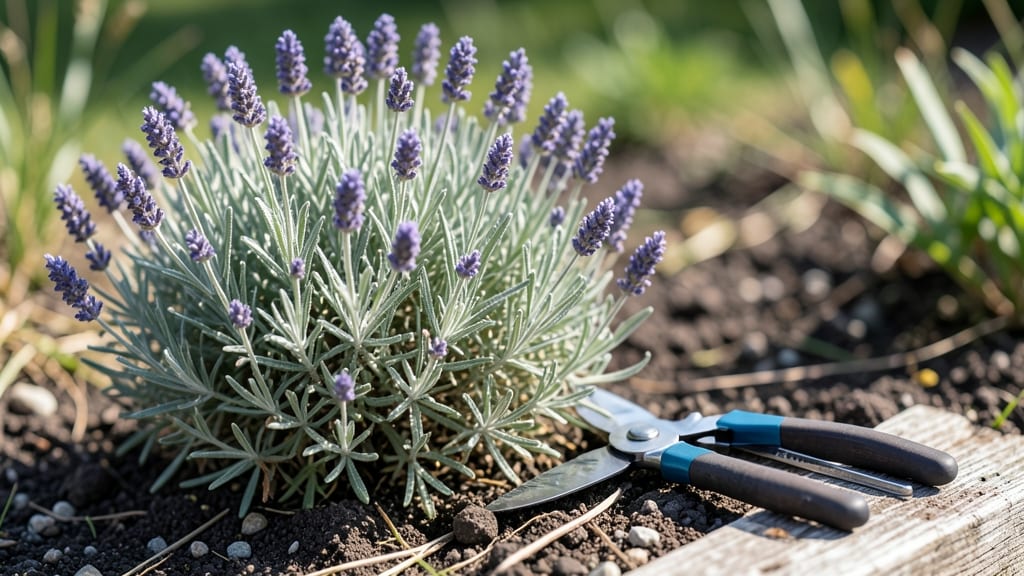
Trimming a lavender tree isn’t just about shaping—it’s about unlocking that fragrant, bushier growth you’ve been dreaming of. 🌿 I’ve learned the hard way that cutting at the wrong time or too aggressively turns lush lavender into a leggy stick.
The secret lies in timing, technique, and knowing when to stop.
You’ll need just three tools: sharp pruning shears, gloves (lavender oils can irritate skin), and a clear morning to work. The best time to trim is right after flowering, when the plant has stored energy for new growth.
Avoid cutting into old wood—lavender struggles to regrow from it. Most gardeners over-prune, so start light and adjust.
What you’ll end up with is a compact, fragrant shrub that blooms heavier each year. The key is cutting back one-third of the oldest stems to encourage fresh, vibrant growth from the base. No more sparse, woody branches—just a lush, aromatic centerpiece that thrives for years.
This method works for both standard lavender trees and dwarf varieties, though smaller types need gentler cuts. Whether you’re trimming a new plant or reviving an overgrown one, the same principles apply. Let’s get those shears ready!
📚 In This Guide
- What you need
- Instructions
- Tips and common mistakes
- Wrapping up and next steps
What you need
- ● Pruning shears or secateurs: Sharp, bypass-style shears (4–6 inches) to avoid crushing stems.
- ● Hand pruners (for smaller branches): Lightweight, ergonomic pruners for precision cuts.
- ● Gloves: Heavy-duty, gardening gloves to protect hands from thorns and rough stems.
- ● Disinfectant (rubbing alcohol or bleach solution): 1 part bleach to 9 parts water to sterilize tools between cuts.
- ● Rake or broom: For clearing fallen debris after trimming.
- ○ Watering can or hose: To hydrate the plant post-pruning (optional but helpful).
- ● Loppers: For thicker branches (if your lavender tree is mature).
- ● Pruning saw: For very thick stems (rare for most lavender varieties).
- ● Plant food or fertilizer: A balanced, low-nitrogen option (e.g., 5-10-10) to support regrowth.
- ● Mulch: Organic mulch (like straw or bark) to retain moisture and protect roots.
- ● Notebook & pen: To jot down notes on pruning patterns or growth changes.
Step-by-Step guide to pruning lavender for full, fragrant growth
Here's how I transform leggy lavender into a lush, bushy shrub—without killing it in the process.
✂️ Step 1: Time Your Pruning for Healthy Regrowth
Prune lavender immediately after flowering, when seed heads turn brown but before new growth starts. This timing ensures you're not cutting back into next year's buds. If you prune too late, you risk exposing tender wood to winter damage.
Use sharp, clean pruners to make cuts just above a leaf node or side branch. Avoid cutting into old, woody stems—these won't regrow. Lavender grows best when pruned lightly, so resist the urge to shear heavily. A single hard cut can take years to recover.
✂️ Step 2: Shape the Plant Gradually for Thickness
Start by removing any dead or damaged stems at the base. These are easy to spot—they're brown and brittle, not green and springy. Next, trim back the longest stems by about one-third to encourage branching. Focus on the outer growth first.
For a natural shape, cut stems at a slight angle to prevent water pooling. Avoid cutting into the center of the plant, which can create a hollow, weak structure. Lavender responds best to gradual shaping—never remove more than 25% of the plant in one session.
✂️ Step 3: Encourage Bushier Growth with Strategic Cuts
Look for stems that are growing upright and thin. These are prime candidates for pruning to encourage side shoots. Cut just above a set of leaves where new growth can emerge. Avoid cutting flush with the stem—leave a small bump to protect the plant.
After pruning, step back and assess the shape. You want a rounded, full silhouette, not a flat top. Lavender grows best when it has room to breathe, so avoid over-trimming. The goal is to create a dense, compact plant, not a tight, sheared hedge.
☀️ Step 4: Provide Aftercare for Strong Recovery
Water the plant deeply after pruning to help it recover. Lavender is drought-tolerant, but new growth needs moisture to establish. Avoid wetting the foliage to prevent fungal issues. Mulch lightly around the base with gravel or bark to retain moisture and deter weeds.
Keep the plant in full sun for at least 6 hours daily. Lavender thrives in hot, dry conditions, so avoid overwatering. If you notice new growth turning yellow or wilting, it may be getting too much water. Adjust your care to match your climate—cooler areas need slightly more moisture.
Tips & tricks for perfect lavender pruning
These essential techniques will help you transform your leggy lavender into a thriving, fragrant bush without sacrificing its health.
Timing is Everything: The window for pruning is narrow but critical—aim to prune immediately after flowering when seed heads turn brown but before new growth appears. This timing ensures you're not cutting into next year's buds, which would stunt growth. I've learned this the hard way: pruning too late exposes tender wood to winter damage, leaving your plant vulnerable. Mark your calendar after your lavender blooms to catch this perfect moment.
The Technique That Changed Everything: When shaping your lavender in Step 2, focus on cutting stems at a slight angle just above a leaf node or side branch. This small detail prevents water pooling at the cut site, which can lead to rot. I also recommend using sharp, clean pruners—dull blades crush stems instead of making clean cuts, causing more damage than the pruning itself. Remember, lavender responds best to gradual shaping, so never remove more than 25% of the plant in one session.
Encouraging Bushier Growth: For Step 3, target those upright, thin stems—they're prime candidates for encouraging side shoots. Cut just above a set of leaves where new growth can emerge, leaving a small bump to protect the plant. After pruning, step back and visualize your plant's silhouette—aim for rounded, full growth rather than a flat top. This technique creates a dense, compact plant that thrives rather than struggles.
Aftercare Wisdom: The 6 hours of daily sun mentioned in Step 4 is non-negotiable, but don't forget that lavender is drought-tolerant once established. Water deeply after pruning to help recovery, but avoid wetting the foliage to prevent fungal issues. I've found that mulching lightly with gravel or bark retains moisture while deterring weeds, creating an ideal environment for your lavender to recover and flourish.
Pro Tips for Trim Lavender Tree
- These essential techniques will help you transform your leggy lavender into a thriving, fragrant bush without sacrificing its health.
- Timing is Everything: The window for pruning is narrow but critical—aim to prune immediately after flowering when seed heads turn brown but before new growth appears.
- The Technique That Changed Everything: When shaping your lavender in Step 2, focus on cutting stems at a slight angle just above a leaf node or side branch.
Frequently asked questions
Got questions about trimming your lavender tree? You’re not alone! Whether you're a first-time pruner or just want to refine your technique, here are answers to the most common concerns—so you can keep your lavender thriving and looking its best.
When is the best time to trim a lavender tree?
The ideal time to prune lavender is late winter or early spring, just as new growth begins but before the plant flowers. Avoid trimming in fall or winter, as lavender is dormant and more vulnerable to damage. If you must prune after flowering, do it lightly to avoid stunting next year’s blooms.
Can I trim lavender after it has already bloomed?
Yes, but minimize heavy pruning—focus on shaping and removing only about 1/3 of the plant’s growth. Over-trimming post-bloom can reduce next year’s flowers. If you love the scent and look, a light trim to tidy up is fine, but avoid cutting into old wood, which won’t regrow.
What if I accidentally cut too much off my lavender tree?
Don’t panic! Lavender is resilient, but avoid cutting into bare, woody stems—these won’t sprout new growth. If you’ve over-pruned, focus on watering deeply and fertilizing lightly (use a balanced, low-nitrogen fertilizer) to encourage recovery. Prune lightly in the following spring to shape it back.
How do I prune lavender in pots vs. in the ground?
Potted lavender needs more frequent trimming (every 2–3 months) to prevent root-bound stress, while in-ground lavender can handle biennial pruning. For pots, trim 1/3 of the growth after flowering to encourage bushiness. In the ground, prune once a year—just after flowering—to maintain shape and health.
What should I do if my lavender looks leggy after trimming?
Leggy lavender often means it’s overdue for a haircut or lacks sunlight. To fix it, prune back by 1/3 in early spring, focusing on the longest stems. Move the plant to a sunnier spot (6+ hours of direct sun daily) and reduce watering—lavender prefers dry soil. Over time, it’ll regrow denser and fuller!
Wrapping up and next steps
Trimming your lavender tree doesn’t have to be intimidating—just follow the right steps, and you’ll reward yourself (and your garden!) with vibrant, bushier growth and fragrant blooms. 🌿 Whether you’re shaping it for aesthetics or encouraging healthy new stems, consistency is key.
Now that you’re armed with the know-how, grab those pruners and give it a go! Ready for more gardening tips? Check out our guide on year-round lavender care to keep your plant thriving all season.