Pruning
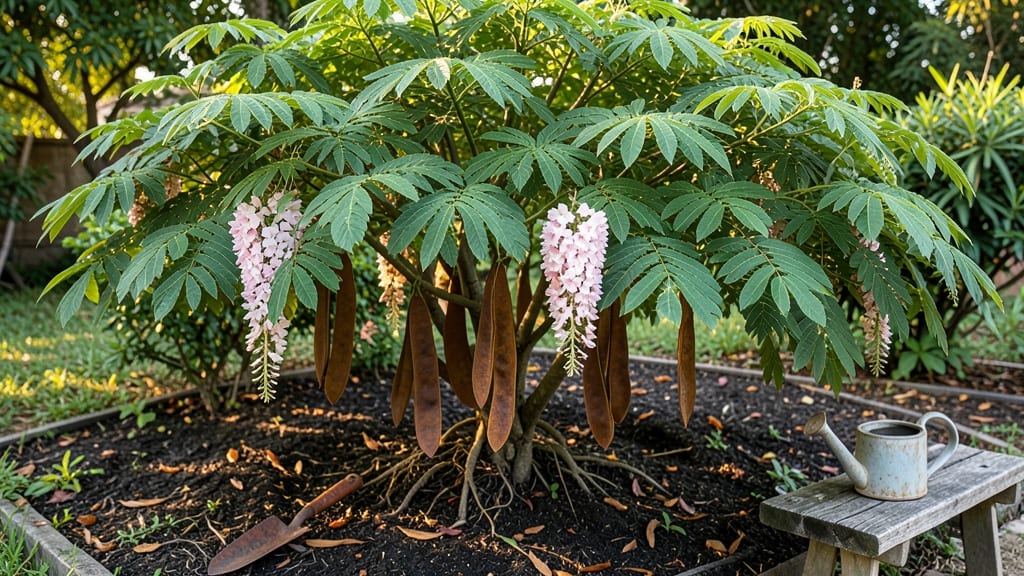
Growing an inga ice cream bean tree in the Pacific Northwest means you get a frost-resistant, fast-growing powerhouse that fixes nitrogen while feeding you. 🌿 The secret to keeping it productive through our damp winters lies in strategic pruning—something I learned after my first tree nearly lost all its branches to unexpected late frosts.
This tree thrives where others fail: partial shade, moist but well-drained soil, and even urban settings with its compact growth habit. Unlike tropical plants, it handles 20s°F with proper pruning, making it the only edible tree I’ve grown that actually survives our winters.
The pods taste like vanilla ice cream when ripe, and the tree’s lush foliage provides shade too.
You’ll harvest sweet pods by midsummer if you prune correctly—thinning branches in late winter to improve airflow and sunlight penetration. The tree rewards patience with 20+ feet of height in just a few years, plus those delicious pods that taste like nature’s candy.
Here’s how to keep yours thriving year after year.
Whether you’re growing for food, shade, or both, this tree adapts to containers too—great for patios or small yards. The key is understanding its growth rhythm and when to prune for both frost resistance and productivity. Let’s get your tree set up for success!
📚 In This Guide
- What you need
- Instructions
- Tips and common mistakes
- Wrapping up and next steps
What you need
- ● Pruning shears: Bypass pruners (sharp, 6–8" blades) for clean cuts on small branches.
- ● Loppers: 1 pair (for thicker branches up to 1.5" diameter).
- ● Hand saw: Pruning saw with a fine-tooth blade for larger limbs (2–4" diameter).
- ● Gloves: Heavy-duty, cut-resistant gloves (thorns are a thing!).
- ● Disinfectant: 70% isopropyl alcohol or pruning sealant (to prevent disease spread).
- ● Mulch: Organic mulch (wood chips or straw) for root insulation (2–3" layer).
- ● Frost cloth: Lightweight frost protection fabric (for young trees or late frosts).
- ○ Container or raised bed (optional): If planting in colder microclimates, use a 15–20 gallon pot with drainage holes.
- ● Location: Full sun (6+ hours/day) in a sheltered spot (e.g., near a south-facing wall or under a deciduous tree for summer shade).
- ● Soil: Well-draining, slightly acidic soil (pH 5.5–6.5). Amend with compost if native soil is heavy.
- ● Watering setup: Drip irrigation or soaker hose (tree needs consistent moisture, especially in PNW’s dry summers).
- ● Frost hardiness: Young trees (<3 years) may need winter protection (e.g., wrapping trunk with bubble wrap or using a cold frame).
- ○ Pollination support (optional): Hand-pollinate flowers with a soft brush if bees are scarce in your area.
Step-by-Step guide to pruning your Inga ice cream bean tree
This is how I keep my Inga tree thriving through Pacific Northwest winters—with simple cuts that boost fruit and frost hardiness.
🌿 Step 1: Time Your First Pruning for Late Winter
Prune your Inga tree between mid-February and early March when the ground is still frozen but before new growth begins. This timing ensures you're not disturbing dormant buds while still giving the tree time to harden before spring. Look for bare branches with no green swelling—those are ready for cuts.
I always prune on a dry, sunny day when temperatures are above 40°F. Cold hands make mistakes, and wet branches are harder to see clearly. Grab your pruners and start by removing any dead or crossing branches first—they're the easiest to spot and the most urgent to remove.
✂️ Step 2: Open the Tree's Canopy for Better Airflow
The key to frost resistance is airflow. Thin out 25-30% of the tree's branches to create an open, vase-like shape. Focus on removing branches that grow inward or rub against others—these compete for energy and create frost pockets. I aim for a structure where sunlight can reach all sides of the tree by midday.
Make your cuts just outside the branch collar—the swollen area where the branch meets the trunk. This ensures the wound heals properly and prevents disease from entering. Don't leave stubs; clean cuts heal faster. If you're unsure about a branch, leave it—better to err on the side of caution with this tropical-looking tree.
☀️ Step 3: Encourage Fruit Production with Strategic Cuts
To maximize those prized ice cream beans, prune back last year's fruiting branches by about one-third of their length. These are the branches that bore pods the previous year. New growth will emerge from the sides, producing more fruiting spurs. Look for branches that grew horizontal or slightly upward—these are prime candidates for cutting back.
Here's the thing—you want to keep some older wood. The Inga tree fruits on both new and old wood, so don't remove all the mature branches. I like to leave 3-4 main scaffold branches that are at least 1 inch in diameter—these provide structure and produce reliably.
⏰ Step 4: Summer Light Pruning for Frost Prep
In mid-July, do a quick check for any branches that grew too vigorously this spring. These "water sprouts" steal energy from fruit production and can become frost magnets in winter. Remove any branches growing straight up from the trunk or those that are thinner than a pencil.
This is also when I look for any suckers at the base of the tree. These little shoots come from the roots and compete with the main tree. Snip them off at the base—don't pull, as that can damage the roots. A clean cut ensures the tree puts all its energy into the main structure and fruit production.
🌱 Step 5: Final Winter Prep Before Frost Season
In late October, do one last pruning to remove any weak, diseased, or damaged branches. This gives the tree time to seal any wounds before winter. Look for branches that are brown, brittle, or have no leaves—these won't survive the winter well and should come off.
I also like to wrap the trunk of young trees with burlap during the coldest months. The Inga tree is more frost-resistant than most tropical trees, but young specimens benefit from this extra protection. Remove the wrap in early spring before new growth begins—usually around mid-March when daytime temperatures consistently stay above 50°F.
Tips & tricks for pruning your Inga ice cream bean tree
Real talk: Pruning this tropical tree for Pacific Northwest winters takes some finesse. Here's what I've learned after years of trial and error with my own Inga.
Timing is Everything: The mid-February to early March window is critical because it lets the tree harden before spring growth begins. If you prune too early, you risk disturbing dormant buds that haven't woken up yet. I've seen trees pruned in January develop new growth that gets nipped by late frosts—don't make that mistake. Also, avoid pruning when frost is forecast in the next 48 hours, even if it's within the ideal window.
Branch Collar Technique: When making cuts in Step 2, the branch collar is your best friend. This swollen area at the branch-trunk junction contains healing tissues that prevent disease. I've seen too many pruning wounds fail because people cut too close to the trunk. Use clean, sharp pruners and make your cut just outside the collar—this simple technique makes all the difference in wound healing and tree health.
Visual Cues for Fruit Production: In Step 3, look for those horizontal or slightly upward branches—they're your goldmine for ice cream beans. I've found that branches growing at a 45-degree angle or less produce the most pods. These branches often have clusters of small buds along their length, which will become your fruiting spurs. If you're unsure about a branch, leave it—better to be conservative with this tropical tree's delicate balance.
Sucker Control Strategy: Those suckers at the tree's base are sneaky energy thieves. I've learned the hard way that pulling them out by hand can damage the roots. Always use clean pruners to snip them at the base—this gives you a clean cut that heals properly and prevents disease entry points. Think of it as giving your tree a spa day where you remove all the little freeloaders.
Pro Tips for Inga Ice Cream Bean Tree
- Real talk: Pruning this tropical tree for Pacific Northwest winters takes some finesse. Here's what I've learned afte...
- Timing is Everything: The mid-February to early March window is critical because it lets the tree harden before sprin...
- Branch Collar Technique: When making cuts in Step 2, the branch collar is your best friend. This swollen area at the ...
Frequently asked questions
Got questions about growing and pruning your Inga edulis (ice cream bean tree)? You’re not alone!
Here are answers to the most common queries from gardeners in the Pacific Northwest and beyond.
How cold can an ice cream bean tree tolerate?
The Inga edulis is surprisingly hardy for a tropical tree—it can survive brief dips to 15–20°F (-9 to -7°C) with proper care. However, prolonged exposure below 25°F (-4°C) may damage leaves or young growth. In the PNW, mulching heavily in winter and planting in sheltered microclimates (like near south-facing walls) helps protect it.
How long does it take for an ice cream bean tree to produce edible pods?
Patience is key! Under ideal conditions, a young tree may start flowering in 3–5 years, but full pod production typically takes 5–7 years. Pruning for shape doesn’t delay fruiting—focus on removing dead wood and thinning branches to improve airflow, which actually boosts fruit yield over time.
When is the best time to prune an ice cream bean tree in the PNW?
Prune late winter to early spring (February–March), just before new growth begins. Avoid heavy pruning in fall—it stimulates tender shoots that won’t survive PNW winters. Light maintenance (removing dead branches) can happen anytime, but never prune during frost.
Can I grow an ice cream bean tree in a container?
Yes! Young trees thrive in large containers (20+ gallons) with well-draining soil. Use a fast-draining mix (like cactus/succulent blend amended with compost) and ensure the pot has drainage holes. Move containers indoors or to a garage when temps drop below 30°F (-1°C). Expect slower growth compared to in-ground planting.
Why aren’t my ice cream bean pods developing?
Several factors could be at play:
- Age: Trees under 5 years old may not fruit yet.
- Pollination: Hand-pollinate flowers with a soft brush if bees are scarce.
- Nutrients: Yellowing leaves? Test soil for low nitrogen or phosphorus—amend with compost or a balanced fertilizer (10-10-10) in early spring.
- Stress: Overwatering or poor drainage can stunt growth. Ensure soil stays moist but not soggy.
If pods form but drop early, thin branches to improve sunlight exposure.
Wrapping up and next steps
The Inga Ice Cream Bean Tree isn’t just a frost-resistant wonder—it’s a game-changer for Pacific Northwest gardeners! With the right pruning techniques, you’ll keep it thriving, productive, and deliciously rewarding year after year. 🌿✨
Ready to take the next step? Grab your shears, mark your calendar for late winter pruning, and watch your tree flourish. Your future harvests of creamy, bean-like treats are waiting!