
Pruning
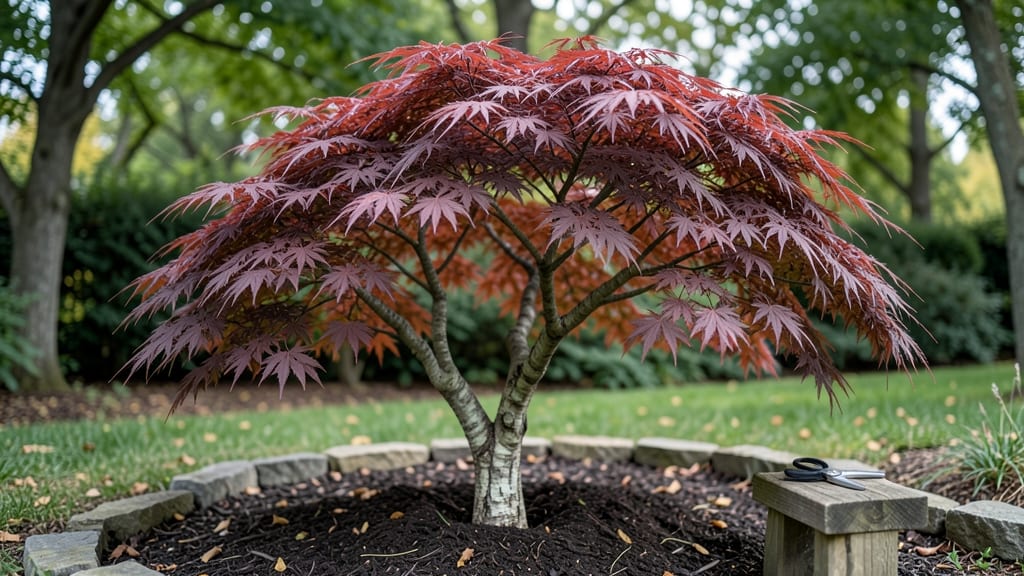
The Japanese maple tree colors shift like a living watercolor painting—from fiery reds in spring to deep purples in fall, with emerald greens in between. 🌿 I’ve watched my own ‘Bloodgood’ maple go from bright crimson leaves in May to almost black-purple by November, and it’s nothing short of magical.
These trees aren’t just plants; they’re the stars of any garden, offering drama and elegance year-round.
What makes them so special is how their colors evolve with the seasons. A variegated ‘Shishigashira’ might start with creamy edges in spring, then deepen to burgundy by autumn.
The key to showcasing their beauty is placement—plant them where their foliage will contrast against evergreens or bloom near spring bulbs to extend the visual impact. Even a small patio can highlight their colors with the right companion plants.
You’ll end up with a garden that feels like a curated art gallery, where every season brings a new masterpiece. Imagine the fiery reds of ‘Emperor I’ against a white fence in fall, or the delicate pinks of ‘Hoshigaki’ lighting up a shady corner.
These trees don’t just survive—they thrive as the centerpiece of any landscape design.
Whether you’re designing a tranquil Japanese garden or a bold modern landscape, Japanese maples adapt beautifully. Their colors work with almost any theme, from rustic to refined. Here’s how to make them the focal point of your outdoor space.
📚 In This Guide
- What you need
- Instructions
- Tips and common mistakes
- Wrapping up and next steps
What you need
- ● Pruning shears – Sharp, clean bypass pruners (for small branches, 4-6 inches in diameter).
- ● Loppers – For thicker branches (up to 2 inches in diameter).
- ● Pruning saw – A curved-tooth saw for larger branches (2+ inches).
- ● Disinfectant – 70% isopropyl alcohol or a pruning sealant (to prevent disease).
- ● Gloves – Heavy-duty, cut-resistant gardening gloves for protection.
- ● Ladder or stool – A sturdy, stable ladder (if your tree is over 6 feet tall).
- ● Trash bags or bucket – For collecting pruned branches and debris.
- ● Handheld leaf blower – For quick cleanup after pruning.
- ○ Tree paint or wound dressing – To protect large cuts (optional but recommended for heavy pruning).
- ● Notebook & pen – To sketch pruning plans or track seasonal color changes.
- ● Camera – Capture the epic foliage transformations at each season!
How to observe and enhance Japanese maple tree color changes
Watch your tree transform through seasons with these simple care strategies.
🌿 Step 1: Understand Your Tree's Natural Color Palette
Japanese maples develop their signature colors through genetics and environmental cues. Most varieties start with bright green foliage in spring, transitioning to reds, oranges, or purples in fall. I always check the cultivar name—some like 'Bloodgood' stay deep red year-round, while others like 'Emperor I' shift dramatically with temperature drops.
Notice how light affects color: morning sun brings out richer hues, while harsh afternoon rays can bleach leaves. If your tree's colors seem dull, it might need more indirect sunlight or better soil drainage. The key is observing these shifts—your tree's color story unfolds like a living painting.
☀️ Step 2: Position for Optimal Color Development
Place your Japanese maple where it gets 4-6 hours of dappled sunlight daily. Full sun can scorch delicate leaves, while too much shade dulls fall colors. I position mine where morning sun hits the leaves directly, but afternoon light filters through nearby trees—this creates the perfect balance for vibrant foliage.
Watch for color changes in different light conditions: leaves in partial shade often develop deeper reds, while sunnier spots may turn brighter orange. If you notice leaves turning yellow or brown in summer, your tree might be getting too much direct sun—move it slightly to a shadier spot.
💧 Step 3: Maintain Consistent Moisture for Color Retention
Japanese maples hate soggy roots but also can't handle drought stress. Water deeply once a week during dry spells, letting 2-3 inches of soil dry between waterings. I always check by sticking my finger into the soil—if it feels dry at 2 inches down, it's time to water.
Consistent moisture prevents stress that can dull fall colors. If leaves start curling or turning brown at the edges, you're either overwatering or underwatering. Mulch with 2-3 inches of organic mulch (like shredded bark) to help retain moisture and protect roots from temperature swings.
⏰ Step 4: Time Your Seasonal Care for Peak Color
Fall is when Japanese maples really shine, but proper care starts in late summer. Reduce nitrogen fertilizer 6-8 weeks before first frost—too much nitrogen keeps leaves green instead of letting them turn red or orange. I switch to a low-phosphorus, high-potassium fertilizer in early September to encourage vibrant fall colors.
Watch for early color changes—some varieties like 'Red Dragon' start shifting in late August. If your tree isn't changing colors by mid-October, it might need more sunlight or cooler nighttime temperatures. A light frost often triggers the final color shift, so don't prune major branches after Labor Day.
🌱 Step 5: Prune Strategically to Preserve Color
Prune your Japanese maple in late winter or early spring before new growth begins. Remove only dead, crossing, or weak branches—never cut more than 25% of the canopy at once. I always use clean, sharp pruners and seal larger cuts with pruning sealant to prevent disease.
Here's the thing—pruning affects color distribution. If you want more vibrant fall colors, focus pruning on the outer branches to let light penetrate deeper into the tree. Avoid heavy pruning in summer, as new growth won't have time to harden off before winter.
Tips & tricks for perfect Japanese maple tree colors
These simple strategies will help you unlock your tree's full seasonal color potential—no gardening degree required.
Light Experimentation: The 4-6 hours of dappled sunlight in Step 2 is your golden window. I've found that positioning your tree where morning sun hits the east-facing branches first creates the most dramatic color shifts. Try rotating your tree slightly each season to expose different sides to optimal light—this prevents color fatigue in one area. For container trees, move them gradually rather than all at once to avoid shocking the roots.
Color Observation Trick: Keep a small notebook near your tree to track daily color changes. Note which leaves turn first and which colors appear strongest. I mark my calendar when 'Red Dragon' starts showing hints of orange in late August—this helps me predict peak color timing for other varieties. The early changes often happen on the lower branches first, so check those regularly.
Fertilizer Timing Secret: That 6-8 week window before first frost in Step 4 is critical. I switch to my low-phosphorus, high-potassium fertilizer exactly on September 1st every year, regardless of frost dates. This consistency helps me anticipate when my 'Emperor I' will start its dramatic red transformation. Pro tip: If you miss this window, don't panic—just switch fertilizers as soon as you notice green leaves persisting into October.
Pruning Color Hack: When you're pruning in late winter or early spring (Step 5), focus on removing branches that are growing toward the center of the tree. These inner branches often get less light and produce duller fall colors. I always step back and visualize how light will penetrate after each cut—this simple mental exercise makes a noticeable difference in your tree's autumn display.
Pro Tips for Japanese Maple Tree Colors
- These simple strategies will help you unlock your tree's full seasonal color potential—no gardening degree required.
- Light Experimentation: The 4-6 hours of dappled sunlight in Step 2 is your golden window.
- Color Observation Trick: Keep a small notebook near your tree to track daily color changes.
Frequently asked questions
about Japanese maple tree colors—because every leaf-lover deserves clarity!When do Japanese maples change color, and how long does it last?
Color shifts typically begin in late September to October, peaking in November. In milder climates (Zones 7-9), fall hues may linger into December, while colder regions (Zones 5-6) see shorter displays. Pruning in late winter (after dormancy) preserves vibrant colors—avoid trimming after bud break!
Why isn’t my Japanese maple turning its expected color?
Several factors can dull colors: poor sunlight (shade-loving varieties like ‘Bloodgood’ need partial sun), nutrient deficiencies (apply balanced fertilizer in early spring), or stress (overwatering, drought, or pests like spider mites). Test soil pH (aim for 5.5–6.5) and inspect leaves for yellowing or spots.
Can I plant a Japanese maple for year-round color, or is it seasonal?
Japanese maples are seasonal stars—their colors peak in fall/winter, but their bark, fruit, and growth habits add winter interest. For year-round appeal, pair with evergreens (e.g., Picea spruces) or choose cultivars like ‘Shishigashira’ (white bark) or ‘Emperor I’ (red branches).
How do I extend my Japanese maple’s vibrant colors?
Follow these tips:
- Water deeply during droughts (1–1.5 inches weekly).
- Mulch with 2–3 inches of organic mulch (keep it 6 inches from the trunk).
- Avoid late pruning—trim only in dormant season (late winter).
- Fertilize lightly in spring with low-phosphorus options (e.g., 10-6-4).
What are some low-maintenance alternatives to Japanese maples?
If you want easy-care trees with stunning colors, try:
- Serviceberry (Amelanchier): White spring blooms, purple fall foliage, and edible berries.
- Smoke Tree (Cotinus): Smoky pink plumes + burgundy leaves (drought-tolerant!).
- Ginkgo (Ginkgo biloba): Golden fall foliage and pest-resistant.
Wrapping up and next steps
The Japanese maple’s ever-changing colors—from vibrant greens to fiery reds, deep purples, and golden hues—make it a year-round masterpiece. Whether you’re admiring its spring blushes, summer vibrancy, or autumn spectacle, this tree rewards patience and care with breathtaking beauty.
Now that you’re equipped with the knowledge to nurture its seasonal transformations, why not plant one in your garden or share its magic with fellow plant lovers? 🌿✨
Ready to dive deeper? Explore pruning tips or soil care guides to keep your Japanese maple thriving for decades!