Pruning
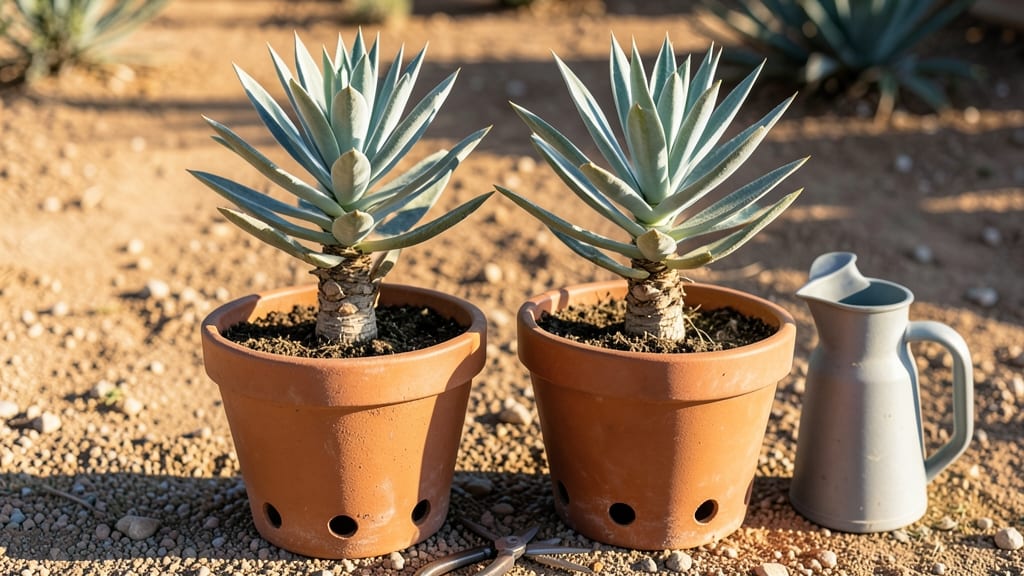
Growing a Joshua tree seedling from scratch is simpler than you think—especially when you focus on its three core needs. I’ve nursed these stubborn little plants from seed to 3-foot giants, and the secret isn’t fancy equipment but patience and the right conditions.
These iconic desert plants thrive on neglect once established, but the early stages demand precision.
The key to success starts with scorched-earth honesty about their needs: well-draining soil, full sun exposure, and minimal watering—almost from day one. Most beginners overwater, turning the soil into mush, but Joshua trees hate soggy roots.
A shallow tray of sand or gritty potting mix mimics their natural habitat perfectly. Even in winter, they’ll tolerate freezing temps if kept dry.
By month six, you’ll see the first sharp, sword-like leaves pushing through, a sign you’re doing it right. These seedlings grow slow—think years, not months—but their drought-proof nature means once they’re past the toddler stage, they’ll outlast droughts, heatwaves, and even forgotten watering.
The real magic happens when they reach 2-3 feet, where they start looking like the iconic desert sentinels they’re meant to be.
This method works for container gardens, desert landscapes, or even rocky slopes—just avoid clay soil or shaded spots. The slow growth is the hardest part, but the payoff is a plant that outlives you. Ready to start your own? Let’s get those seeds planted right.
📚 In This Guide
- What you need
- Instructions
- Tips and common mistakes
- Wrapping up and next steps
What you need
- ● Joshua tree seeds – 5–10 seeds (ensure they’re fresh or pre-soaked for faster germination).
- ● Well-draining potting mix – 2–3 gallons of a cactus/succulent blend (avoid peat-heavy soil).
- ● Small pots or seed trays – 4–6 inches deep, with drainage holes (1–2 pots per seed).
- ● Drainage material – Pebbles, perlite, or coarse sand (1–2 inches per pot).
- ● Spray bottle – For gentle watering (avoid over-saturating!).
- ● Clear plastic wrap or humidity dome – To retain moisture during germination.
- ● Sunlight access – A south-facing window or grow light (6+ hours of indirect light daily).
- ● Patience! – Germination can take weeks to months—stay consistent!
- ● Seedling heat mat – Speeds up germination (70–80°F ideal).
- ● Fertilizer – Balanced, diluted succulent fertilizer (once seedlings are 2–3 inches tall).
- ● Grow light – If natural light is limited (LED full-spectrum bulbs work best).
- ● Pruning shears – For future shaping (sterilize with rubbing alcohol!).
- ● Larger container – 1–2 gallon pot for transplanting once seedlings are 6+ inches tall.
Simple instructions for growing a hardy Joshua tree seedling
Here's how I get these desert survivors from seed to sturdy young plants.
🌱 Step 1: Start Seeds in a Warm, Sterile Mix
Fill a small container with 1 cup of cactus/succulent mix—this provides the perfect drainage these seeds need. Joshua tree seeds are tiny, so I use a toothpick to place just 1-2 seeds per cell in a seed tray. Press them lightly into the surface but don't bury them—they need light to germinate.
Moisten the mix with a spray bottle until it's damp but not soggy. Cover the tray with plastic wrap to retain humidity, then place it in a warm spot (75-85°F). I keep mine on top of my refrigerator since it stays consistently warm. Germination can take 2-6 weeks, so patience is key—don't disturb the tray until you see tiny green sprouts.
Here's the thing—these seeds often need stratification (cold treatment) to break dormancy. If your climate is mild, I recommend placing the tray in the refrigerator for 4-6 weeks before moving it to warmth. This mimics the natural winter-spring cycle the seeds experience in the desert.
☀️ Step 2: Provide Bright Light and Minimal Water
Once sprouts appear, remove the plastic wrap immediately—too much moisture causes damping-off. Move the seedlings to a south-facing window or under grow lights for 14-16 hours daily. Joshua trees need intense light to develop strong, compact growth. If you notice leggy stems reaching toward the light, your seedlings need more brightness.
Water only when the top inch of soil feels completely dry—this is crucial. Overwatering kills these drought specialists faster than anything else. I use a spray bottle for the first few weeks to avoid disturbing the tiny roots. After they're established, I switch to a small watering can with a narrow spout to target the base.
Real talk: These seedlings grow extremely slowly at first. Don't expect rapid progress—it's normal for them to stay small for months. The key is consistency in light and water discipline. After 6-8 months, you'll start seeing more noticeable growth as their root systems strengthen.
🪴 Step 3: Transition to Desert-Like Conditions
When seedlings have 3-4 sets of true leaves (not the initial seed leaves), it's time to repot into 4-inch pots with fresh cactus mix. Handle them carefully—they're brittle at this stage. I use a small spoon to lift them out rather than pulling, which often breaks delicate stems.
Gradually reduce watering frequency to every 3-4 weeks once repotted. These plants store water in their thick stems, so they can handle long dry periods. The goal is to mimic their natural desert environment where water is scarce. After a year, you can move them to 6-inch pots if they've outgrown their current space.
This is the moment that matters: By their second year, your Joshua tree seedlings should be ready for outdoor planting in well-draining, rocky soil with full sun exposure. Choose a spot that mimics their natural habitat—hot, dry, and protected from frost. They'll grow slowly but steadily once established in the ground.
Tips & tricks for growing hardy Joshua tree seedlings
These simple strategies will help you nurture resilient desert plants that thrive like they do in nature.
Seed Placement Precision: When placing those tiny Joshua tree seeds in Step 1, resist the urge to bury them—they need light to germinate. I use a toothpick to gently press them just below the surface, ensuring they stay in contact with the moist mix without being covered. This delicate balance is what triggers germination in the first place.
Stratification Timing: The 4-6 week cold treatment in Step 1 mimics the natural winter-spring cycle these seeds experience in the Mojave Desert. If your climate stays warm year-round, you can skip this step entirely—but if you're in a mild area, don't rush it. The cold period breaks dormancy and actually improves germination rates significantly.
Light Intensity Matters: During Step 2, those 14-16 hours of daily light are non-negotiable. If your seedlings start stretching toward the light (a sign of legginess), they're not getting enough intensity. Move them closer to the window or supplement with grow lights. Remember, these plants evolved under the harsh desert sun—they need bright conditions to develop properly.
Watering Discipline: The "only when the top inch is dry" rule in Step 2 is your secret weapon. I've seen beginners drown these seedlings in their first week, thinking they need constant moisture. These plants are drought specialists—they store water in their thick stems. Overwatering is the fastest way to kill them, so resist the urge to check the soil too often.
Pro Tips for Joshua Tree Seedling
- These simple strategies will help you nurture resilient desert plants that thrive like they do in nature.
- Seed Placement Precision: When placing those tiny Joshua tree seeds in Step 1, resist the urge to bury them—they need...
- Stratification Timing: The 4-6 week cold treatment in Step 1 mimics the natural winter-spring cycle these seeds exper...
Frequently asked questions
Got questions about growing Joshua tree seedlings? You’re in the right place! Here are answers to the most common concerns—from timing to troubleshooting—to help your seedlings thrive in dry conditions.
When is the best time to plant a Joshua tree seedling?
Plant your seedling in early spring or late fall to avoid extreme heat or frost. This gives roots time to establish before summer’s intensity. If planting in summer, water deeply at dusk to reduce evaporation and stress. Avoid winter planting—frost can damage young seedlings.
How long does it take for a Joshua tree seedling to mature?
Joshua trees grow slowly—expect 5–10 years for a 6-foot tree in ideal conditions. Patience is key! Drought-resistant varieties may mature faster, but consistent watering (then tapering off) in the first 2 years speeds up root development. Think of it as a marathon, not a sprint!
Do Joshua tree seedlings need regular watering, or can they survive on rain?
Young seedlings do need water—deep water once a week for the first year, then reduce to monthly once established. Overwatering is worse than underwatering! Once roots are deep (after 2–3 years), they’ll rely on natural rainfall. Pro tip: Use a soaker hose to avoid wetting leaves, which can cause rot.
What if my Joshua tree seedling turns yellow or wilts?
Yellowing leaves often signal overwatering or poor drainage. Let the soil dry completely between waterings, and ensure it’s well-draining (mix in sand or gravel). Wilting? Check for root rot—lift the seedling to inspect roots. If mushy, trim affected roots, repot with fresh, dry soil, and reduce watering.
Can I grow a Joshua tree from seed instead of a seedling?
Yes, but it’s far slower—seeds can take 5–10 years to sprout! If you’re patient, soak seeds in warm water for 24 hours, plant in well-draining soil, and keep moist (not soggy). Seedlings are easier—just ensure they’re disease-free and hardened off before transplanting.
Wrapping up and next steps
Growing a resilient Joshua tree seedling is a rewarding way to nurture drought-tolerant beauty in your landscape—without the fuss! 🌵 By mastering the three simple steps of proper planting, watering, and pruning, you’ve set your seedling up for long-term success.
Remember, patience and consistency are key; these iconic trees thrive when given the right care, even in arid conditions.
Ready to watch your Joshua tree flourish? Take the next step: Mark your calendar for a follow-up check-in in 3 months to assess growth and adjust care as needed. With time, your seedling could become a stunning centerpiece—one tough, majestic tree at a time!