
Pruning
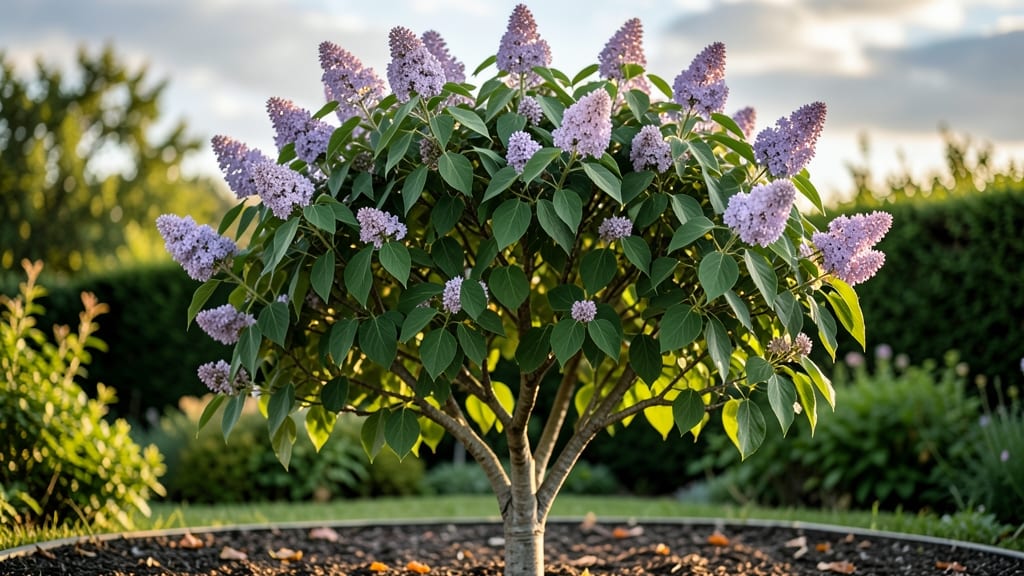
Growing a Kim lilac tree means waking up to clouds of fragrant lavender blooms that last from late spring through summer—even after frost. I planted mine in my Zone 5 yard three years ago, and it’s become the star of my landscape, blooming reliably despite our harsh winters.
The secret isn’t just choosing the right spot—it’s knowing when and how to prune to encourage that year-round resilience and maximize those showstopping flowers.
The Kim lilac thrives in full sun but tolerates partial shade, making it versatile for small yards or urban gardens. Plant it in well-draining soil with a slightly alkaline pH, and water deeply once a week after establishment.
Unlike fussy varieties, this one handles drought surprisingly well once established—just don’t let it sit in soggy soil. The real magic happens in late winter or early spring when you prune to shape the shrub and encourage dense, fragrant blooms for the next season.
You’ll love how this tree rewards patience with three weeks of intense fragrance and clusters of blooms so dense they look like they’re spilling over. The dark green foliage stays lush even in heat waves, and the branches hold their shape beautifully without needing constant trimming.
For gardeners in colder climates, the frost-resistant nature means you can enjoy its beauty even when other lilacs are struggling.
Whether you’re a beginner or a seasoned gardener, the Kim lilac delivers low-maintenance elegance with high-impact results. The key is pruning at the right time—just before new growth appears—and avoiding heavy cuts that can weaken the plant.
With the right care, your Kim lilac will become the fragrant centerpiece of your garden for decades.
📚 In This Guide
- What you need
- Instructions
- Tips and common mistakes
- Wrapping up and next steps
What you need
- ● Kim Lilac Tree (Syringa meyeri 'Kim'): A healthy, 1-3 gallon container-grown plant (or bare-root if planting in early spring). Pro tip: Choose a grafted variety for better disease resistance! 🌡️
- ● Well-draining soil: Mix 1 part native soil with 1 part compost and 1 part perlite or sand for optimal aeration.
- ● Organic mulch: 2-3 inches of wood chips or shredded bark to retain moisture and regulate temperature.
- ● Slow-release fertilizer: 10-10-10 NPK ratio (apply in early spring and fall).
- ● Garden trowel or spade (for digging)
- ● Pruning shears (clean, sharp, and sterilized with rubbing alcohol)
- ● Loppers (for thicker branches, 1.5–2 inches in diameter)
- ● Gloves (gardening gloves to protect hands from thorns)
- ● Watering can or hose with a gentle nozzle
- ● Rake (for leveling soil and spreading mulch)
- ● Epsom salt (1 tbsp per gallon of water for magnesium boost during dormancy)
- ● Plant support stake (if planting in windy areas)
- ● Frost cloth (for young trees in USDA Zones 5-6 during late frosts)
- ○ Pruning sealant (optional, for large cuts to prevent disease)
Step-by-Step guide to planting and pruning a Kim lilac tree
Here's how to establish a hardy, blooming Kim lilac that thrives through seasons.
Choose and Prepare the Planting Site
Select a location with full sun exposure (at least 6 hours daily) and well-draining soil. Kim lilacs tolerate a range of soil types but perform best in slightly acidic to neutral soil with a pH between 6.0 and 7.0. If your soil is heavy clay, amend it with 2-3 inches of compost mixed into the top 12 inches of soil before planting.
Dig a hole twice as wide as the root ball but only as deep as the container's root system. This prevents burying the trunk too deeply, which can cause rot. Gently loosen the roots if they're circling the root ball—this encourages outward growth. I like to water the root ball thoroughly before planting to help reduce transplant shock.
Plant and Water for Establishment
Place the Kim lilac in the hole, ensuring the top of the root ball sits 1-2 inches above ground level. Backfill with the native soil, tamping down lightly every 4 inches to eliminate air pockets. Water immediately after planting to settle the soil and remove any air gaps around the roots. Use 5-10 gallons of water, depending on the size of the planting hole.
Mulch around the base with 2-3 inches of organic mulch, keeping it 3-4 inches away from the trunk to prevent moisture buildup. This helps retain soil moisture and regulate temperature. Avoid piling mulch against the trunk, as it can lead to rot. Water deeply once a week during the first growing season, ensuring the soil stays consistently moist but not soggy.
Prune for Frost Resistance and Year-Round Blooms
Prune your Kim lilac in early spring, just as new growth begins to emerge. This timing ensures you remove any frost-damaged branches while encouraging fresh, healthy growth. Use clean, sharp pruning shears to make cuts at a 45-degree angle, about ¼ inch above a outward-facing bud. This promotes better healing and directs growth outward rather than inward.
Remove any dead, diseased, or crossing branches first. Then, thin out crowded areas to improve airflow, which reduces the risk of fungal diseases. For a fuller shape, cut back some of the oldest stems to encourage new growth from the base. Avoid heavy pruning—never remove more than one-third of the plant’s foliage in a single season, as this can stress the tree.
Maintain Through the Seasons
Fertilize in early spring with a balanced, slow-release fertilizer (10-10-10 ratio). Apply it according to the package instructions, usually ¼ to ½ pound per 100 square feet of soil area. Water the area thoroughly after applying fertilizer to help it reach the roots. This gives your Kim lilac the nutrients it needs for strong growth and abundant blooms.
Monitor for pests like aphids or borers, which can affect lilacs. If you notice signs of infestation, such as sticky residue (honeydew) or sawdust-like frass, treat with neem oil or an insecticidal soap. These natural remedies are effective and won’t harm beneficial insects. Regularly check the undersides of leaves and the bark for early signs of trouble.
Tips & tricks for perfect Kim lilac tree care
Here's what I've learned from years of growing these hardy beauties—details that make all the difference between a struggling plant and one that thrives.
Site Selection Wisdom: The 6 hours of daily full sun is non-negotiable, but don't just pick any sunny spot. Observe your yard throughout the day—morning sun with afternoon shade works best for Kim lilacs. They appreciate protection from intense afternoon rays, especially in hotter climates. I've seen plants in full sun all day struggle with leaf scorch, while those with morning sun thrive.
Root Preparation Technique: When loosening circling roots in Step 1, be gentle but thorough. Use your fingers to carefully separate the roots rather than cutting them—this encourages outward growth without causing trauma. I like to make 2-3 small vertical cuts around the root ball if the roots are severely circling, which helps them spread more naturally once planted.
Watering Strategy: The 5-10 gallons of water after planting might seem like a lot, but it's crucial. Water should penetrate to at least 12 inches deep to encourage root establishment. I use a garden hose with a slow watering setting to avoid erosion, letting the water run until it begins to pool slightly. This ensures the roots get properly hydrated without washing away the soil.
Pruning Precision: That ¼-inch clearance above an outward-facing bud in Step 3 is critical. Look for buds that point in the direction you want new growth to go—this creates a more open, airy structure. I always make my cuts just above the bud at a 45-degree angle to prevent water from pooling on the cut, which could lead to rot or disease.
Pro Tips for Kim Lilac Tree
- Here's what I've learned from years of growing these hardy beauties—details that make all the difference between a struggling plant and one that thrives.
- Site Selection Wisdom: The 6 hours of daily full sun is non-negotiable, but don't just pick any sunny spot.
- Root Preparation Technique: When loosening circling roots in Step 1, be gentle but thorough.
Frequently asked questions
How cold can a Kim Lilac Tree tolerate?
The Kim Lilac Tree is one of the hardiest varieties, surviving temperatures as low as -20°F (-29°C). However, young trees or newly planted saplings may need winter protection (like burlap wraps) in their first few years. Once established, it’s a tough, frost-resistant beauty!
When is the best time to prune a Kim Lilac Tree?
Prune your Kim Lilac right after blooming (late spring to early summer) to encourage dense, healthy growth. Avoid pruning in fall or winter, as it can stimulate late-season growth that’s vulnerable to frost. Pro tip: Never cut into old wood—focus on shaping and removing dead branches!
Why isn’t my Kim Lilac blooming?
Lilacs need full sun (6+ hours/day) and well-drained soil to bloom abundantly. If your tree isn’t flowering, check for:
- Shade issues (move it to sunnier spot)
- Over-fertilizing (too much nitrogen = fewer blooms)
- Improper pruning (cutting back too late or too aggressively)
Can I shape my Kim Lilac Tree like a hedge?
While Kim Lilacs aren’t traditional hedges, you can lightly shape them with light pruning in early summer. Avoid heavy shearing, as lilacs bloom on old wood. For a bushier look, trim just the tips of branches—think soft sculpting, not a manicured wall!
What’s a good alternative if I want a fragrant, low-maintenance tree?
If the Kim Lilac seems high-maintenance, consider these fragrant, frost-hardy alternatives:
- Dwarf Korean Lilac (Syringa meyeri) – Compact, blooms early, and thrives in small spaces.
- Russian Lilac (Syringa josikaea) – Drought-tolerant with lavender-pink blooms.
- Mock Orange (Philadelphus) – Highly fragrant, blooms later in summer.
Wrapping up and next steps
Growing a Kim Lilac Tree is a rewarding journey that brings fragrant blooms and vibrant color to your landscape—even in colder climates! 🌸 With the right frost-resistant pruning techniques, you’ll enjoy year-round beauty while keeping your tree healthy.
Remember, patience and consistency are key, so don’t hesitate to revisit your pruning routine each season.
Ready to take the next step? Start small:
- Pick a sunny spot and gather your tools.
- Follow the pruning guide to shape your tree confidently.
- Watch your Kim Lilac thrive and share its magic with neighbors!