
Pruning
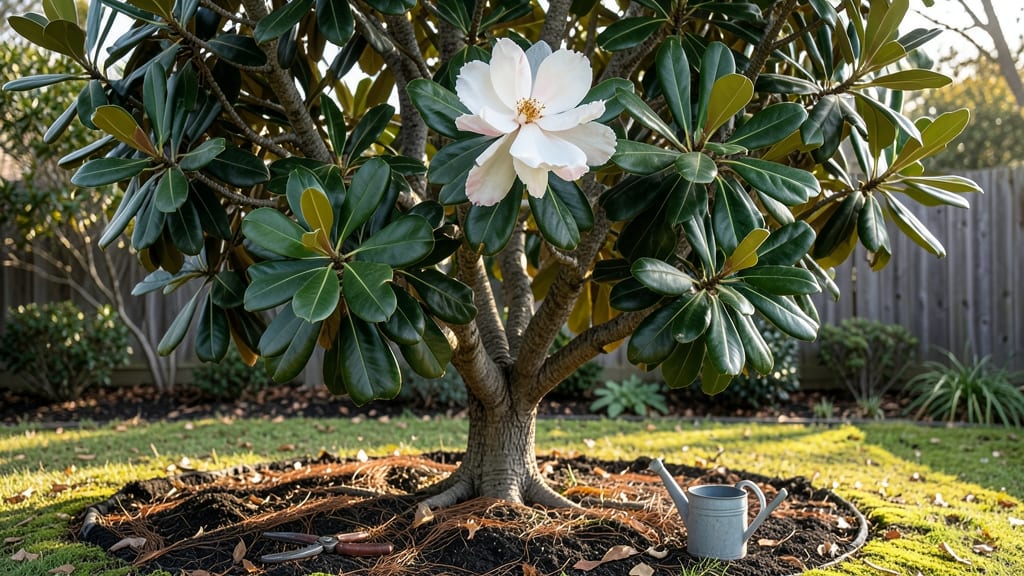
The largest southern magnolia tree isn’t just a tree—it’s a living monument that commands attention and transforms any landscape, especially in the Pacific Northwest, where frost and mild winters help it grow into a 100-foot giant. 🌿 vertical canvases draped in glossy leaves and fragrant blooms, casting dramatic shade that cools entire yards.
I’ve seen them turn ordinary backyards into grand, almost cathedral-like spaces where sunlight filters through like stained glass.
The real magic lies in how they anchor a garden’s design. A mature Southern magnolia doesn’t just fill space—it defines it, creating a focal point that works in both formal estates and wild, naturalistic landscapes.
Pair it with dogwoods for contrast or azaleas for seasonal color, and you’ve got a year-round masterpiece. Their thick, evergreen foliage provides 365-day shade, while the creamy-white blooms in spring add a touch of Southern charm—even in the PNW’s cooler climate.
Imagine hosting summer gatherings under that shade, where the air hums with the tree’s signature fragrance and the ground stays cool enough for barefoot strolls. This isn’t just a tree; it’s a statement piece that elevates your outdoor space into something memorable.
Whether you’re designing a grand entrance or a serene retreat, it’s the kind of tree that makes neighbors pause and say, “Wow, how’d you get that?”—and the answer is simple: patience, the right spot, and a little bit of luck with the frost.
For those dreaming big, start small: choose a healthy young specimen with strong branching, and give it room to stretch its wings. The payoff? A tree that grows with you, becoming the heart of your landscape for decades.
Now, let’s talk about how to make it thrive—and how to position it for maximum drama.
📚 In This Guide
- What you need
- Instructions
- Tips and common mistakes
- Wrapping up and next steps
What you need
- ● Pruning shears: Bypass pruners (for branches 1 pair (e.g., Felco F-2 or Corona Classic).
- ● Lopping shears: For branches 1”–3” thick – 1 pair (e.g., Felco F-3).
- ● Pruning saw: Curved-tooth saw for branches ≥3” thick – 1 (e.g., Felco F-30).
- ○ Extension pole: 6–10 ft. with saw attachment (optional but helpful for tall branches).
- ● Disinfectant: 70% isopropyl alcohol or 10% bleach solution (for sterilizing tools).
- ● Heavy-duty gloves: Cut-resistant, long sleeves (e.g., Mechanix Wear).
- ● Safety glasses: ANSI-rated for debris protection.
- ● Ladder or lift: Sturdy, rated for your height/weight (e.g., aluminum extension ladder, 24+ ft.).
- ● Tar or pruning sealant: (e.g., Tanglefoot Tree Wound Pruning Seal) – small jar (for cuts >½”).
- ● Trash bags: Heavy-duty, 30+ gallon (for debris disposal).
- ● Work vest or belt: With tool pouches for organization.
- ● Tree climbing harness: If accessing high branches (with proper training!).
- ● Safety rope: For securing the ladder or yourself.
- ● Leaf blower: For clearing debris post-pruning.
- ● Camera: To document the tree’s grandeur before/after!
- ● Local plant database: For identifying pests/diseases (e.g., iNaturalist app).
Step-by-Step guide to planting and cultivating a frost-defying Southern magnolia
Here's how to establish this towering beauty in the Pacific Northwest's cooler climate.
🌱 Step 1: Select and Prepare the Planting Site
Southern magnolias thrive in full sun but can tolerate partial shade, though they'll grow more slowly. Choose a location with at least 6 hours of direct sunlight daily—the more, the better for that dramatic vertical growth. In the Pacific Northwest, this means a south-facing spot where morning sun warms the roots before afternoon clouds move in.
Test your soil's drainage by digging a 12-inch deep hole—if water pools after 15 minutes, amend with 3-4 inches of compost to improve aeration. Southern magnolias hate soggy roots, which can lead to root rot in our damp climate. I always add a 2-inch layer of coarse sand to the bottom of the hole to create a drainage layer, especially if your native soil is heavy clay.
🪴 Step 2: Plant at the Right Time and Depth
Time your planting for early spring or fall, when temperatures hover between 50-70°F. This gives the roots time to establish before summer heat or winter frost stress them. In the Pacific Northwest, aim for March-April or September-October—avoid planting in late summer when heat can shock the tree.
Dig a hole twice as wide as the root ball but no deeper—this encourages outward root growth rather than forcing roots downward where they'll struggle. Gently loosen the root ball if it's tightly bound, then place the tree in the hole so the top of the root ball sits 1-2 inches above ground level. This prevents water from pooling at the base during our frequent rain.
☀️ Step 3: Water and Mulch for Pacific Northwest Conditions
Water deeply immediately after planting, soaking the soil until it's moist 12 inches down. This helps settle the soil around roots and eliminates air pockets. In the first year, water once a week during dry spells (when top 2 inches of soil feel dry), but reduce frequency after that—mature magnolias are surprisingly drought-tolerant once established.
Spread 3-4 inches of organic mulch (like wood chips) over the root zone, keeping it 6 inches away from the trunk to prevent rot. This mimics the forest floor where magnolias naturally grow and helps regulate soil temperature. Replenish mulch annually—it breaks down faster in our wet climate.
✂️ Step 4: Prune Strategically for Structural Strength
Young magnolias need minimal pruning—just remove any dead, damaged, or crossing branches in late winter or early spring. Avoid heavy pruning now; these trees develop slowly and respond poorly to aggressive cuts. If you must shape it, limit pruning to no more than 25% of the canopy at one time.
Watch for silverleaf disease (common in PNW climates) which causes leaf discoloration. If you see it, prune infected branches 6 inches below the damage and sterilize your tools with 70% rubbing alcohol. Southern magnolias are tough but not invincible—prevention is key in our humid summers.
Tips & tricks for cultivating a frost-defying Southern magnolia
Here's what nobody tells you about making this iconic tree thrive in our unpredictable Pacific Northwest climate.
Sunlight Strategy: In Step 1, when selecting your south-facing spot, consider installing a temporary shade cloth during the hottest summer afternoons (June-August). This mimics the tree's natural forest habitat while preventing heat stress in our cooler climate. The 6 hours of direct sunlight is non-negotiable, but afternoon shade during establishment can make all the difference in your tree's first critical years.
Soil Science: For that 12-inch deep hole test in Step 1, I recommend using a soil moisture meter instead of just visual inspection. Our Pacific Northwest clay soils can hide moisture issues—aim for soil that feels like a wrung-out sponge at 12 inches down. The 2-inch sand layer at the bottom creates a perfect drainage transition zone that prevents the root rot Southern magnolias despise in wet climates.
Timing Secret: The March-April or September-October window in Step 2 is perfect for our climate, but I've found that planting in early April gives roots just enough time to establish before summer rains. In coastal areas, extend the fall window to early November—our milder coastal winters mean less frost risk. The key is avoiding that late summer heat shock mentioned in the instructions.
Mulch Mastery: When applying that 3-4 inches of organic mulch in Step 3, use a mulch that breaks down slowly like hardwood chips rather than pine bark. Our wet climate accelerates decomposition, so replenish annually as instructed. The 6-inch trunk clearance is crucial—pile mulch too high and you'll create a moisture trap that invites fungal diseases.
Pro Tips for Largest Southern Magnolia Tree
- Here's what nobody tells you about making this iconic tree thrive in our unpredictable Pacific Northwest climate.
- Sunlight Strategy: In Step 1, when selecting your south-facing spot, consider installing a temporary shade cloth during the hottest summer afternoons (June-August).
- Soil Science: For that 12-inch deep hole test in Step 1, I recommend using a soil moisture meter instead of just visual inspection.
Frequently asked questions
Got questions about the largest Southern magnolia tree in the Pacific Northwest? You’re not alone! Here are answers to the most common queries—from care tips to troubleshooting—so you can nurture (or admire) this frost-defying giant like a pro.
How cold can Southern magnolias handle in the Pacific Northwest?
The Magnolia grandiflora is hardy to USDA Zones 7-10, but the largest specimens thrive in milder PNW microclimates (like coastal areas). Young trees may need winter protection (burlap wraps or mulch) until established. Pro tip: Avoid planting in frost pockets where temps dip below 10°F—they’ll struggle to recover.
How fast does a Southern magnolia grow to become a "giant"?
Expect 12–24 inches of growth per year under ideal conditions (full sun, rich soil, and consistent water). To reach the largest recorded heights (80+ feet), it takes 50–100 years! Patience is key—these trees grow slow but steady, with dramatic canopy expansion after 20 years.
When (and how) should I prune a mature Southern magnolia?
Prune only in late winter or early spring (before new growth starts) to avoid disease. Use clean, sharp tools to remove:
- Dead, diseased, or crossing branches
- Suckers at the base (to redirect energy upward)
- Overly dense growth to improve airflow
What’s the best alternative if I want a large shade tree but hate magnolia maintenance?
Consider these low-maintenance PNW giants:
- Western Red Cedar (Thuja plicata): Native, drought-tolerant, and thrives in shade.
- Bigleaf Maple (Acer macrophyllum): Fast-growing with stunning fall color.
- Douglas Fir (Pseudotsuga menziesii): Evergreen and adaptable to various soils.
Why are my magnolia leaves turning yellow or dropping early?
Yellowing leaves often signal overwatering, nutrient deficiency, or pests. Check for:
- Root rot (soggy soil = fungal issues). Solution: Improve drainage.
- Magnolia scale (sticky residue on leaves). Solution: Spray with horticultural oil.
- Iron deficiency (yellow between veins). Solution: Apply chelated iron in early spring.
Wrapping up and next steps
The largest Southern magnolia tree in the Pacific Northwest isn’t just a botanical marvel—it’s a testament to resilience and beauty thriving against the odds. Whether you’re a gardener, nature enthusiast, or simply inspired by its grandeur, this tree reminds us that even in unexpected climates, extraordinary growth is possible.
Ready to bring that majesty to your own space? Start by researching Magnolia grandiflora varieties suited for your region, then take the first step toward nurturing your own frost-defying giant! 🌳✨