
Propagation
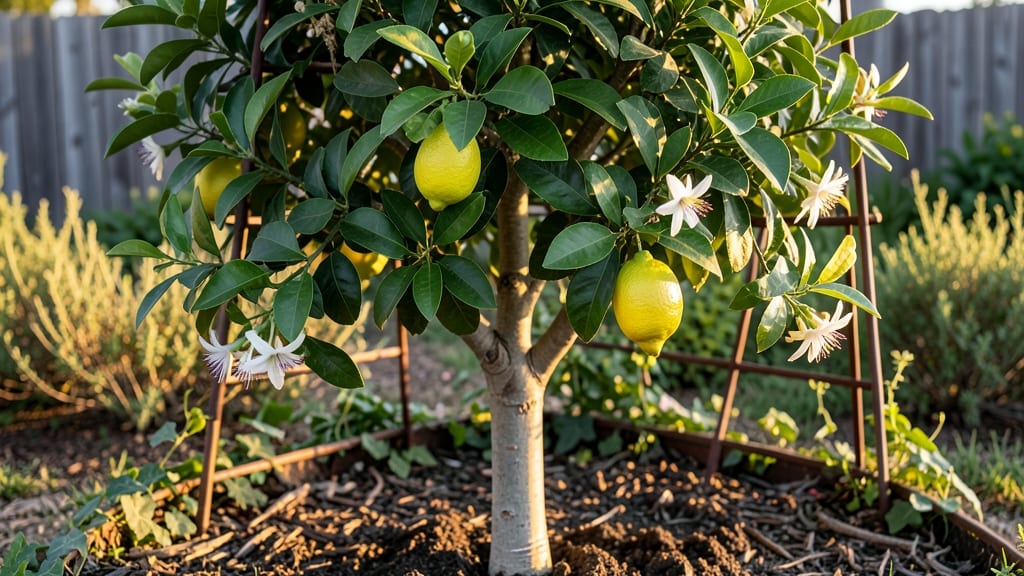
Growing a lemon tree from a grocery store seed might sound like a gamble, but I’ve turned those tiny pits into fast-growing saplings that produce fruit within a few years—not decades. The trick isn’t luck; it’s timing, warmth, and a little patience.
My first attempt took three weeks to see the first green sprout, and now I’ve perfected the method to get you there even quicker.
You’ll need just three simple supplies: a lemon pit, a damp paper towel, and a sunny windowsill (or a heat mat for extra speed). No fancy equipment, no greenhouse—just what’s already in your kitchen.
The real secret? Keeping the seed consistently moist and warm (think 70-80°F) until those first roots appear. Most people rush this step, but slow and steady wins the race.
Once those roots peek out, you’ll transplant into a small pot with well-draining soil, and within 6-8 weeks, you’ll have a sturdy 6-inch sapling.
It’s not a full-size tree yet, but with proper care—bright light, occasional pruning, and winter protection—you’ll watch it grow into a thriving citrus plant that could bear fruit in 3-5 years. The smell of fresh lemons on your windowsill? Worth every week of waiting.
This method works for any citrus seed—oranges, limes, even grapefruit—so don’t toss those pits. I’ll walk you through every step, from seed to sapling, plus how to troubleshoot common issues like yellowing leaves or stunted growth. Let’s get those seeds sprouting!
📚 In This Guide
- What you need
- Instructions
- Tips and common mistakes
- Wrapping up and next steps
What you need
- ● Lemon seeds: 3–5 fresh, plump seeds (from organic or seedless-free lemons for best results).
- ● Well-draining potting mix: 1 small pot (4–6 inches in diameter) filled with a blend of cactus/succulent mix (70%) and perlite or coarse sand (30%).
- ● Watering can or spray bottle: With a fine mist nozzle for gentle hydration.
- ● Plastic wrap or clear lid: To create a mini greenhouse effect (e.g., a ziplock bag or plastic wrap + rubber band).
- ● Sunlight access: A warm, sunny windowsill (south-facing ideal) or a grow light.
- ● Small tray or saucer: To catch excess water and prevent root rot.
- ● Seed-starting kit: Includes trays, domes, and labels for organized growth.
- ● Fertilizer: A balanced liquid fertilizer (5-5-5 NPK) diluted to half-strength for seedlings.
- ● Humidity tray: A shallow tray with pebbles + water to boost moisture levels.
- ● Thermometer/hygrometer: To monitor ideal temps (70–80°F) and humidity (50–70%).
- ● Pruning shears: For trimming future leaves as your tree grows.
Step-by-step guide to growing a lemon tree from seeds
Here's how to jumpstart germination and nurture strong saplings with minimal fuss.
🌱 Step 1: Extract and Prepare the Seeds
Select 3-4 plump, unblemished seeds from a fresh, organic lemon—avoid store-bought lemons treated with preservatives. Scoop the seeds out with a spoon, rinse off any pulp, and let them dry on a paper towel for 12-24 hours at room temperature. This prevents mold while keeping them viable.
After drying, place the seeds in a small bowl of lukewarm water for 24 hours. This softens the outer coating and kickstarts germination. You'll notice tiny cracks or swelling after soaking—this is your cue that the seeds are waking up. Drain and pat them dry before planting.
🪴 Step 2: Choose Containers and Planting Medium
Use 4-inch diameter pots with drainage holes to prevent root rot. Fill each pot with a lightweight seed-starting mix—avoid garden soil, which can compact and suffocate young roots. Moisten the mix until it feels like a damp sponge, not soggy.
Plant one seed per pot, pressing it ½ inch deep into the soil. Tap the pot gently to settle the soil around the seed, ensuring good contact. Label each pot with the planting date—this helps track growth milestones. Place the pots in a warm, 70-75°F spot, like on top of a refrigerator or near a sunny window.
☀️ Step 3: Maintain Ideal Conditions for Germination
Cover each pot loosely with clear plastic wrap to retain moisture and warmth, but leave a small gap for airflow. Check daily—remove the plastic for 10 minutes to prevent fungal growth if you see condensation. Germination typically takes 2-4 weeks, but stay patient; some seeds may take longer.
Once sprouts appear, remove the plastic completely and move the pots to a bright, indirect light spot. Avoid direct sunlight at this stage—it can scorch delicate seedlings. Water gently when the top inch of soil feels dry, using a spray bottle to avoid disturbing the soil.
🌿 Step 4: Transition to Stronger Growth
When seedlings develop 2-3 true leaves (not just the initial cotyledons), transplant them into 6-inch pots with fresh well-draining potting mix. Handle the seedlings carefully—grasp the leaves, not the stems, to avoid damaging the roots. Water thoroughly after transplanting to help the soil settle.
Increase sunlight gradually over 1-2 weeks, introducing 3-4 hours of morning sun daily. Lemon trees thrive in full sun (6+ hours), but young plants need time to adjust. Rotate the pots weekly so the seedlings grow straight, not leaning toward the light. Fertilize lightly with a balanced, water-soluble fertilizer (5-5-5) every 4-6 weeks once the seedlings are established.
⏰ Step 5: Monitor and Support Long-Term Growth
By 3-4 months, your saplings should be 12-18 inches tall with a sturdy stem. Prune leggy growth to encourage bushier development—cut just above a leaf node to promote branching. Keep the soil consistently moist but not waterlogged, as lemon trees are drought-tolerant once mature but need steady moisture as seedlings.
Watch for signs of pests like spider mites or aphids, especially in dry conditions. Wipe leaves with a mild soapy water solution if needed, and rinse thoroughly. With patience and care, your saplings will develop into productive lemon trees in 3-5 years, though fruiting may take longer from seed.
Tips & tricks for fast germination and thriving lemon saplings
A few strategic adjustments can dramatically accelerate your lemon tree's growth and set your saplings up for long-term success. Here's what I've learned from years of experimenting with these finicky but rewarding plants.
Seed Selection Matters: The quality of your starting seeds makes all the difference. Look for seeds that are plump, firm, and free of any soft spots or discoloration. I've found that seeds from organic lemons—especially those grown in Mediterranean climates—germinate most reliably. If you're using store-bought lemons, try soaking them in warm water for an extra 12 hours to help break down any wax coatings that might inhibit germination.
Temperature Consistency is Key: Maintaining that 70-75°F range during germination is crucial, but don't overlook the importance of consistency. I recommend using a seedling heat mat under your pots if your home tends to be cooler. The gentle warmth mimics tropical conditions and can cut your germination time from 4 weeks down to just 2-3 weeks. Just be sure to monitor closely—overheating can be just as damaging as being too cold.
Light Transition Strategy: When you're ready to move your sprouts from indirect light to more direct sunlight in Step 3, do it gradually. Start with just 1-2 hours of morning sun and increase by 30 minutes each day. I've seen seedlings go from healthy green to crispy brown overnight when moved too quickly. A simple trick is to place them near an east-facing window first, where the light is bright but not intense.
Pruning for Bushier Growth: That 3-4 month mark is perfect for your first pruning session. When you're cutting back leggy growth, always make your cuts just above a leaf node at a 45-degree angle. This encourages branching and creates a stronger structure. I also recommend pinching off the very top growth point when your sapling reaches about 12 inches tall—this forces the plant to put energy into side branches rather than just vertical growth.
Pro Tips for Lemon Tree From Lemon Seeds
- A few strategic adjustments can dramatically accelerate your lemon tree's growth and set your saplings up for long-term success.
- Seed Selection Matters: The quality of your starting seeds makes all the difference.
- Temperature Consistency is Key: Maintaining that 70-75°F range during germination is crucial, but don't overlook the importance of consistency.
Frequently asked questions
Got questions about growing a lemon tree from seeds?
You’re not alone! Here are answers to the most common concerns to help you succeed.
How long does it take for lemon seeds to germinate?
Germination usually takes 2–4 weeks in warm, moist conditions (70–85°F). Patience is key—some seeds may take up to 6 weeks. Keep the soil consistently damp (not soggy) and place the pot in indirect sunlight. If nothing sprouts after 6 weeks, try soaking seeds in warm water overnight before replanting.
When will my lemon tree produce fruit?
Don’t expect lemons anytime soon! Seed-grown trees take 3–5 years to bear fruit (if they’re lucky). Grafted trees mature faster (1–2 years), but seedlings are unpredictable. For faster results, consider grafting a lemon variety onto your sapling later. Patience pays off—healthy trees can live for decades!
Can I grow a lemon tree indoors?
Yes! Start indoors near a sunny window (6+ hours of light daily) or use a grow light. Move outdoors gradually once temperatures stay above 50°F. Lemon trees thrive in pots (10+ gallons) with well-draining soil. Just ensure it gets enough light—leggy growth = not enough sun. A south-facing window or balcony works best.
Why are my lemon seedling leaves turning yellow?
Yellow leaves often signal overwatering, underwatering, or nutrient issues. Check the soil—it should be damp but not waterlogged. Adjust care based on the pot’s dryness: 1–2 inches deep should guide watering. Yellowing on older leaves? Likely overwatering. New leaves yellow? Could be nitrogen deficiency—try a balanced fertilizer (half-strength).
Will my homegrown lemon tree taste like store-bought lemons?
Probably not! Seed-grown trees often produce smaller, tart, and less sweet lemons than commercial varieties. For juicier, sweeter fruit, graft a known variety (like Eureka or Meyer) onto your sapling. Even then, flavor depends on sunlight, soil, and care. Still, homegrown lemons are a rewarding (and delicious!) experiment.
Wrapping up and next steps
Growing a lemon tree from a seed is a rewarding journey that blends patience, care, and a dash of green-thumb magic! 🌱 With the right techniques—like fast germination hacks, proper soil prep, and consistent light—you’ll soon be nurturing a thriving sapling that could one day gift you with homegrown lemons.
Remember, every expert gardener started with a single seed!
Now that you’re armed with knowledge, why not take the next step? Grab those lemon seeds, set up your propagation station, and watch your tiny sapling grow into a citrusy masterpiece. Happy planting—your future lemon tree is waiting! 🍋✨