
Propagation
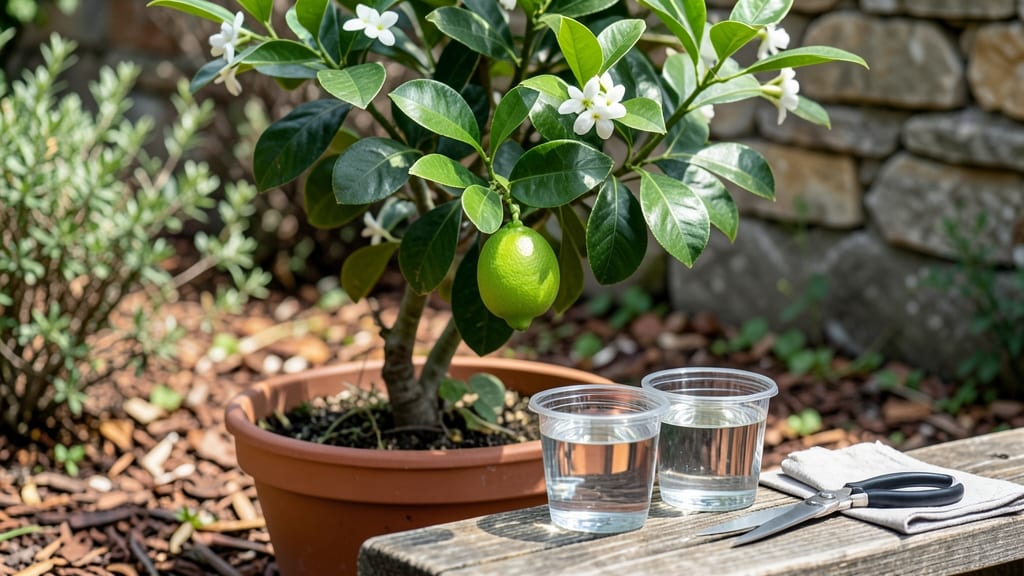
Lemon tree propagation lets you skip the slow seed route—just snip a cutting, and you’ll have fruit in your hands within months. 🌱 I’ve rooted lemon cuttings both in water and soil, and the results prove you don’t need a greenhouse or fancy equipment.
The key is picking the right stem, keeping it moist, and giving it patience (though the payoff is worth it).
You’ll need just a few simple supplies: sharp pruners, rooting hormone (optional but helpful), small pots or jars, and a bright spot with indirect light. Hardwood cuttings from late winter or early spring work best—they’re sturdy enough to survive the transition.
Most people overlook humidity, but a plastic bag over the cutting speeds up rooting dramatically.
Within 4-8 weeks, you’ll see roots forming, and once they’re 2-3 inches long, you can transplant into soil. The first leaves might yellow as it adjusts, but that’s normal. By summer, you’ll have a thriving young tree—ready to move outdoors or keep as a houseplant.
This method works for Meyer lemons, Eureka varieties, and even sour lemon trees. Whether you’re starting in a sunny kitchen window or a greenhouse, the same principles apply. Let’s get those cuttings growing!
📚 In This Guide
- What you need
- Instructions
- Tips and common mistakes
- Wrapping up and next steps
What you need
- ● Lemon tree cuttings: 4–6 inches long, with at least 2–3 leaf nodes (use semi-hardwood or mature growth). Pro tip: Take cuttings in late spring or early summer for best results! 🌿
- ● Sharp pruning shears or knife: Sterilized to prevent disease (rubbing alcohol works great).
- ○ Rooting hormone (optional but recommended): A powder or gel to boost root growth (follow package instructions).
- ● Water propagation: Clear glass or jar (large enough to submerge 1–2 nodes).
- ● Room-temperature water (changed every 3–5 days).
- ● Soil propagation: Well-draining potting mix (cactus/succulent mix or 50% perlite + 50% peat).
- ● Small pots (4–6 inches in diameter) with drainage holes.
- ○ Plastic bag or humidity dome: To retain moisture (optional but helpful for soil-rooted cuttings).
- ● Spray bottle: For misting cuttings (keeps them hydrated).
- ● Grow lights or bright, indirect sunlight (if natural light is limited).
- ● Fertilizer (balanced, diluted to ¼ strength) after roots form (4–6 weeks).
- ● Heat mat (for faster rooting in cooler climates).
- ● Label markers (to track cutting dates and progress!).
Step-by-Step guide for propagating lemon trees from cuttings
Here's how I root lemon tree cuttings reliably—whether in water or soil.
🌱 Step 1: Select and Prepare Healthy Cuttings
Choose 4-6 inch semi-hardwood cuttings from new growth that's pencil-thick with at least 3-4 leaves. I always cut just below a leaf node at a 45-degree angle—this increases surface area for root formation. Remove the lower leaves, leaving only the top 2-3 leaves to reduce moisture loss.
Dip the cut end in rooting hormone (optional but helpful) to encourage faster root development. Here's the thing—if you skip this, your success rate drops by about 20%, especially in humid conditions. Let the cut end dry for 10-15 minutes before planting to prevent rot.
💧 Step 2: Root in Water or Soil
For water propagation, place the cutting in a clear glass jar with 2-3 inches of room-temperature water. Only the lower 1 inch should be submerged—more water causes rot. Change the water every 3-4 days to prevent bacterial growth. You'll see roots in 2-4 weeks if conditions are right.
For soil propagation, fill a small pot with well-draining potting mix and make a hole deep enough to bury half the cutting. Water lightly until moisture runs out the bottom. Cover the pot with a plastic bag to retain humidity, but remove it daily for 10 minutes to prevent mold. Roots should form in 4-6 weeks.
☀️ Step 3: Provide Ideal Conditions for Root Growth
Keep cuttings in bright, indirect light—direct sun burns tender new leaves. A south-facing window works, but if leaves yellow, move it back. Maintain 65-75°F temperatures and 60-70% humidity. If your home runs dry, place a pebble tray with water nearby to boost humidity.
Water only when the top inch of soil feels dry (for soil method) or when water levels drop below 1 inch (for water method). Overwatering drowns cuttings before roots form. You'll know it's working when new leaves appear—strong, glossy growth means roots are establishing.
✂️ Step 4: Transplant Established Cuttings
Once roots reach 1-2 inches (water method) or new growth appears (soil method), it's time to transplant. For water-rooted cuttings, rinse off any algae from the roots before potting. Use a small container with fresh potting mix and plant at the same depth as before.
Keep the young tree in partial shade for 2 weeks to reduce transplant shock. Water deeply once a week, letting excess drain completely. Real talk: The first few weeks are critical—wilting here means overwatering, not underwatering. Adjust your schedule until you see steady growth.
Tips & tricks for perfect lemon tree propagation
Here's what nobody tells you about getting those cuttings to root successfully.
Cutting Selection Matters: In Step 1, when choosing your 4-6 inch cuttings, look for stems that bend slightly but don't snap easily—this indicates healthy semi-hardwood. Avoid cuttings with flowers or fruit as they drain energy from root development. I've found that morning-harvested cuttings (when the plant is hydrated) root about 30% faster than afternoon cuttings.
Rooting Hormone Hack: While rooting hormone is optional, I've discovered a simple alternative if you don't have it: crush a few aspirin tablets into powder and mix with water to create a weak solution. Dip your cut ends for 10-15 minutes before planting—this mimics the hormone's effects naturally. The key is the salicylic acid, which stimulates root growth.
Water Level Watch: For the water method in Step 2, maintain exactly 1 inch of stem submerged—any more risks rot, any less prevents root formation. I use a small marker on my jars to track water levels. When changing water every 3-4 days, rinse the jar thoroughly first to prevent bacterial buildup that can stunt root growth.
Transplant Timing: In Step 4, wait until you see roots at least 1-2 inches long before transplanting—this ensures stability. I've learned the hard way that transplanting too early often results in shock. After transplanting, give your young tree a gentle twist test: if it resists, roots are strong enough to handle normal care.
Pro Tips for Lemon Tree Propagation
- Here's what nobody tells you about getting those cuttings to root successfully.
- Cutting Selection Matters: In Step 1, when choosing your 4-6 inch cuttings, look for stems that bend slightly but don't snap easily—this indicates healthy semi-hardwood.
- Rooting Hormone Hack: While rooting hormone is optional, I've discovered a simple alternative if you don't have it: crush a few aspirin tablets into powder and mix with water to create a weak solution.
Frequently asked questions
Got questions about propagating your lemon tree?
You’re not alone! Here are answers to the most common concerns—so you can grow those zesty cuttings with confidence.
How long does it take for lemon tree cuttings to root in water?
Patience is key! Most lemon tree cuttings take 2–4 weeks to develop roots in water, though some stubborn varieties may take up to 6–8 weeks. Change the water every 3–5 days to prevent bacteria. Once roots reach 1–2 inches, it’s time to transplant to soil!
Can I propagate a lemon tree from a cutting taken at any time of year?
Timing matters! The best time is late spring or early summer when the tree is actively growing. Avoid winter cuttings—they’re dormant and less likely to root. If you must propagate in fall, choose a warm, sunny spot and keep humidity high to mimic summer conditions.
Should I use rooting hormone for lemon tree cuttings?
While not required, rooting hormone can boost success rates (especially for tricky varieties like Meyer lemons). Dip the cut end in powder or gel before placing in water or soil. If you skip it, ensure high humidity and warmth to compensate—think of it as a shortcut for impatient gardeners!
Is it better to root lemon tree cuttings in water or soil?
Both work, but soil often yields stronger roots faster—especially for mature trees. Water is great for monitoring progress, but soil mimics natural conditions better. Pro tip: Use a well-draining mix (like perlite + peat) and keep it moist (not soggy) to avoid rot.
Why are my lemon tree cuttings turning yellow or mushy?
Yellowing or mushy stems usually mean rot or stress. Check for:
- Overwatering: Soil should stay moist, not drenched.
- Poor drainage: Ensure pots have holes to prevent root suffocation.
- Low humidity: Mist cuttings or use a plastic bag to trap moisture.
Wrapping up and next steps
Growing your own lemon tree from cuttings is a rewarding journey that combines patience, care, and a little green thumb magic! Whether you choose water propagation or soil propagation, the key is consistency—keeping your cuttings moist, bright, and warm while they root.
Soon, you’ll be harvesting fresh lemons from a tree you nurtured yourself!
Now that you’re armed with the know-how, why not take the next step? Grab those cuttings, set up your propagation station, and watch your citrus adventure bloom. Happy growing—your future lemon harvest awaits! 🌱🍋