
Light Requirements
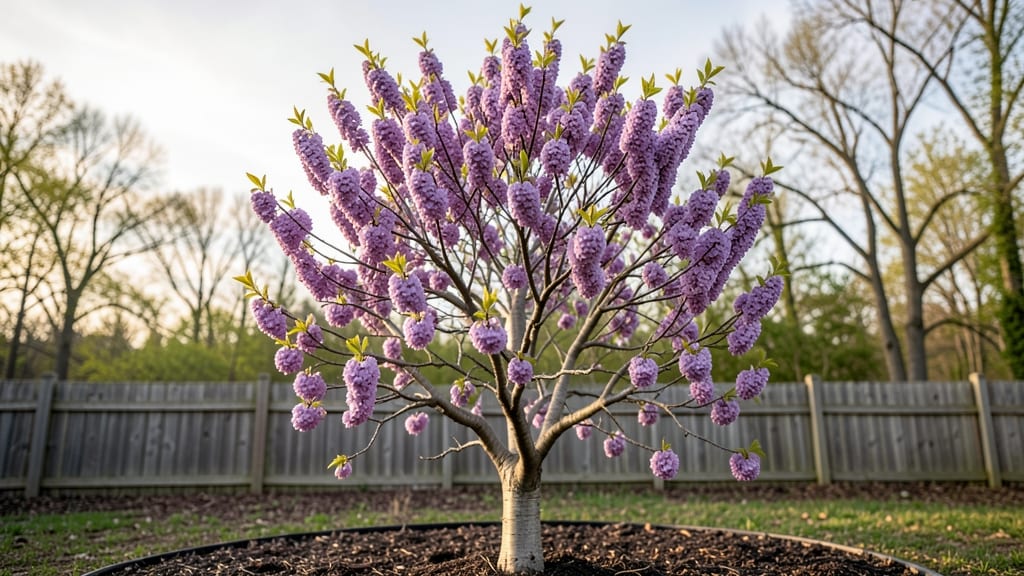
That first flush of light purple tree flowers in spring—it’s the Pacific Northwest’s secret weapon for vertical drama. 🌿 I’ll never forget the way mine transformed our backyard from ordinary to storybook, their delicate blooms catching the morning mist like fairy dust.
These aren’t just flowers; they’re the backbone of a garden that feels alive year-round, especially when paired with evergreens and ferns.
The best part? They thrive in our damp, cool summers and icy winters, proving frost resistance isn’t just a bonus—it’s a requirement. Varieties like Pacific dogwood or Oregon grape deliver that signature lavender hue while attracting pollinators by the dozens.
Plant them near patios or entryways, and you’ve instantly created a welcoming focal point that works as hard as it looks.
Imagine this: your garden in late May, when the air smells like rain and the trees burst into soft violet clouds. The contrast with deep green foliage or silver-blue foliage plants like lamb’s ear makes the blooms pop even more.
These trees play well with others—think hydrangeas below for a layered effect, or boxwoods for structure. The key is spacing them 10-15 feet apart so they don’t compete for attention.
they keep performing long after the blooms fade. Dogwoods offer striking fall color, while Oregon grape’s berries feed birds through winter. That’s vertical interest on autopilot—no extra work, just pure garden personality. Let’s talk about how to make them the stars of your space.📚 In This Guide
- What you need
- Instructions
- Tips and common mistakes
- Wrapping up and next steps
What you need
- ● Light purple tree flower sapling: 1 healthy, 1–2-year-old plant (ensure it’s labeled as Cercis occidentalis or Western Redbud for accuracy).
- ● Well-draining soil: 3–5 cubic feet of a mix: 60% high-quality garden soil
- ● 30% compost
- ● 10% perlite or coarse sand (for aeration)
- ● Planting container or hole: Container option: 1–2 gallon pot with drainage holes (12–14" diameter for mature plants)
- ● Ground planting: Dig a hole twice as wide and just as deep as the root ball
- ● Mulch: 2–3 inches of shredded bark, wood chips, or pine needles (organic and frost-protective).
- ● Watering can or hose with nozzle: 1–2 gallons capacity (for deep watering).
- ○ Fertilizer (optional but recommended): Balanced 10-10-10 or slow-release granular fertilizer (1–2 tbsp per plant)
- ● OR organic options like worm castings or fish emulsion
- ● Burlap or frost cloth: 1–2 yards (to protect young plants during late frosts, if temps drop below 15°F).
- ● Pruning shears: 1 pair (for shaping and removing dead branches post-winter).
- ● Stakes & twine: 2–3 stakes (4–6 ft tall) and 50 ft twine (to support young trees in windy PNW sites).
- ● pH test kit: 1 (to ensure soil pH is between 6.0–7.5; Western Redbud prefers slightly acidic to neutral soil).
- ● 🌡️ Timing: Plant in early spring (March–April) or fall (September–October) to avoid frost stress.
- ● 🌧️ Watering: Keep soil consistently moist (not soggy) for the first year—deep water 1–2 times per week.
- ● ☀️ Light: Choose a spot with full sun to partial shade (6+ hours of sunlight daily for optimal blooms).
How to cultivate a Pacific Northwest-friendly light purple tree flower
This frost-tolerant beauty thrives in your region—here’s how to plant and care for it.
🌱 Step 1: Choose the Right Location for Planting
Select a spot with partial shade to full sun, ideally near a structure or fence for support. The Pacific Northwest’s mild winters mean this tree can handle frost, but it still needs shelter from harsh winds. Look for an area where the soil drains well—waterlogged roots will stunt growth.
Dig a hole twice as wide as the root ball but only as deep. The top of the root ball should sit slightly above ground level to prevent water pooling. If your soil is heavy clay, mix in 2-3 inches of compost from your materials to improve drainage.
☀️ Step 2: Plant and Water for Strong Establishment
Gently remove the tree from its container and loosen any circling roots with your fingers. Place it in the hole, ensuring the root flare (where roots meet the trunk) is visible above the soil. Backfill with the native soil, pressing lightly to eliminate air pockets.
Water deeply right after planting—about 1 gallon per inch of trunk diameter—to help roots settle. Keep the soil evenly moist for the first 2-3 weeks, but avoid soggy conditions. You’ll know it’s right when water drains through the bottom within 30 minutes of watering.
🌿 Step 3: Prune for Shape and Encourage Blooms
Prune in early spring before new growth appears. Remove any dead, damaged, or crossing branches first—cut just outside the branch collar. Thin out crowded branches to improve airflow, which reduces disease risk in the damp PNW climate.
Shape the tree by selectively pruning to encourage a balanced, vertical form. Light purple blooms appear on new wood, so avoid heavy pruning in fall or winter. After pruning, apply a 1-inch layer of mulch around the base (but not touching the trunk) to retain moisture and regulate soil temperature.
⏰ Step 4: Maintain Through Seasons
In spring and summer, water 1-2 times per week depending on rainfall, ensuring the top 6 inches of soil stay moist. The Pacific Northwest’s rainy season means you might need less water, but check the soil—if it’s dry 2 inches down, it’s time to water.
Fertilize once in early spring with a balanced, slow-release fertilizer (10-10-10 ratio) to support blooming. Stop fertilizing by mid-summer to avoid late-season growth that won’t harden off before winter. In fall, reduce watering gradually to prepare the tree for dormancy.
🪴 Step 5: Protect from Winter Conditions
While this tree is frost-resistant, young plants benefit from winter mulch—apply 2-3 inches of shredded bark around the base in late fall. This insulates roots from freezing and thawing cycles, which can damage tender new growth.
Remove mulch in early spring before new shoots emerge. Avoid pruning in winter, as cuts won’t heal properly in cold, wet conditions. Watch for bud swell in late winter—this signals it’s time to resume regular care.
Tips & tricks for perfect light purple tree flower cultivation
Here's what I've learned after watching dozens of these beauties thrive in Pacific Northwest gardens.
Soil Preparation Secret: Before planting, mix a handful of compost into the bottom of the hole—this jumpstarts root growth. The 2-3 inches mentioned in Step 1 is perfect, but adding a little extra right at the base creates a nutrient-rich zone where roots will establish first. This is especially helpful if your native soil is sandy or compacted.
Watering Wisdom: That 30-minute drainage test after planting is critical. If water pools longer than 30 minutes, your hole needs more compost mixed in. For the first 2-3 weeks, I like to use a moisture meter—aim for 30-40% moisture at 2 inches depth. Overwatering is the #1 reason these trees fail in our region's damp climate.
Pruning Pro Tip: When shaping in Step 3, focus on creating an "open center" by removing branches that grow inward. This improves airflow and light penetration, which is crucial for those light purple blooms. I always prune on a dry day when temperatures are above 50°F—this helps cuts heal faster in our cool, wet springs.
Seasonal Care Calendar: Mark your calendar for these key dates: early spring pruning (before buds swell), mid-summer fertilizer cutoff, and late fall mulching (after first frost). The 1-2 times weekly watering in summer might need adjustment—if your area gets consistent rain, you could reduce to once weekly. Always check that 2-inch soil depth before watering.
Pro Tips for Light Purple Tree Flower
- Here's what I've learned after watching dozens of these beauties thrive in Pacific Northwest gardens.
- Soil Preparation Secret: Before planting, mix a handful of compost into the bottom of the hole—this jumpstarts root growth.
- Watering Wisdom: That 30-minute drainage test after planting is critical.
Frequently asked questions
What’s the best time of year to plant a light purple tree flower in my region?
Plant in early spring (March–April) or fall (September–October) for ideal results. These trees establish roots before summer heat or winter frost hits. Avoid transplanting during extreme temps—wait for mild, moist soil conditions. Pro tip: If planting in fall, do it at least 6 weeks before the first frost!
How much sunlight does this tree need to bloom vibrant purple?
These flowers thrive in full sun (6+ hours daily), but they tolerate partial shade (4–6 hours)—especially in hotter PNW summers. For the brightest blooms, prioritize morning sun and afternoon shade. Watch for pale flowers or sparse blooms if light is insufficient.
Is this tree truly frost-resistant? What zones does it handle?
Yes! This hardy beauty survives USDA Zones 5–9, making it perfect for the PNW’s chilly winters. Young trees may need mulch or burlap wraps for extra protection in Zone 5. Fun fact: Some varieties even bloom earlier in spring after light frosts!
Can I grow this tree in a container? What’s the ideal pot size?
Use a large container (20+ gallons) with drainage holes and well-draining soil. Repot every 2–3 years to prevent root-bound stress. Dwarf varieties (like ‘Little Purple’) are best for containers—just ensure it gets enough sunlight and water.
Are there pests or diseases I should watch for with this tree?
Common issues include:
- Aphids or spider mites: Spray with water or neem oil if you spot sticky leaves.
- Powdery mildew: Improve airflow and avoid overhead watering.
- Root rot: Ensure pots/containers drain well and don’t overwater.
Most problems are preventable with regular pruning and balanced fertilizer (apply in early spring).
Wrapping up and next steps
The light purple tree flower isn’t just a stunning addition to the Pacific Northwest’s landscapes—it’s a resilient, frost-resistant vertical star that thrives with the right care. From understanding its light needs to mastering soil prep and pruning, this guide gave you the tools to cultivate a thriving, vibrant specimen. 🌿✨
Now that you’re armed with knowledge, take the next step—whether it’s planting your own or admiring one in person. Share your progress or tips with fellow gardeners, and let your purple blooms shine brighter than ever!