
Pruning
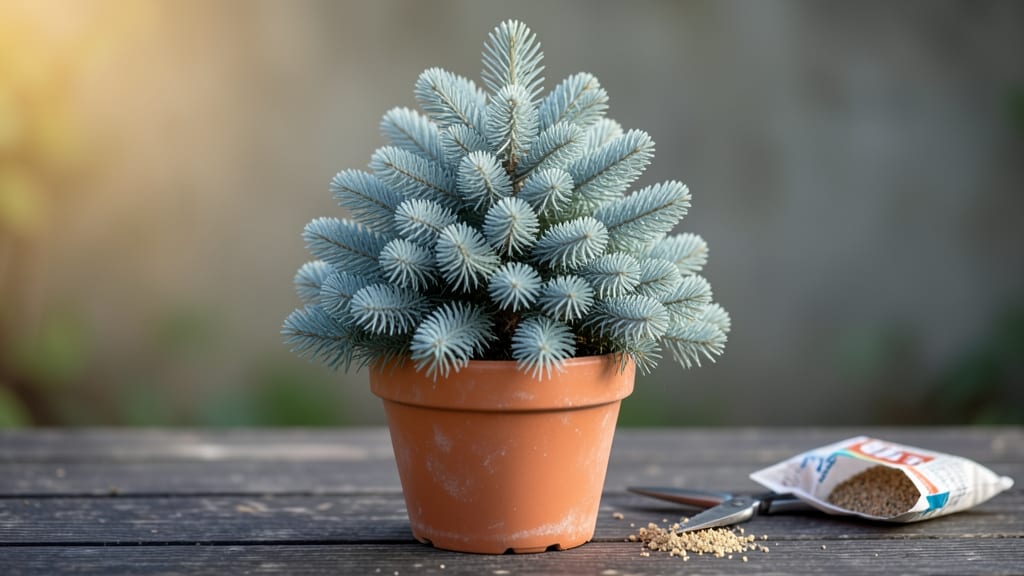
A live mini Christmas tree brings holiday cheer year-round without the pine needle cleanup. 🌲 I fell for this idea after seeing how a 3-foot Norway spruce transformed a cozy corner—its dark green needles stay lush even in winter, and the scent?
Pure magic. The best part? It’s not just a holiday decoration; it’s a living centerpiece that grows with you.
You’ll need a compact evergreen variety like dwarf Alberta spruce or mugo pine, a 10-15 gallon container for stability, and a spot with bright, indirect light. Pair it with seasonal accents: red berries in winter, pastel ribbons in spring, or even tiny fairy lights year-round.
The key is rotating the pot occasionally so it grows evenly—no lopsided trees here.
Imagine this: your tree stays green through all four seasons, its branches heavy with pinecones or tiny ornaments, while other plants wilt and fade. You’ll create a focal point that’s both functional and festive, whether it’s on a patio, windowsill, or tucked into a garden bed.
The best part? No more sad, dropped needles in January.
Works indoors or out, in containers or garden beds—just pick a spot where it can be the star. Here’s how to style it for every season without losing its charm. Let’s make your holiday drama last 365 days a year.
📚 In This Guide
- What you need
- Instructions
- Tips and common mistakes
- Wrapping up and next steps
What you need
- ● Miniature Christmas tree sapling: 1–2 small, healthy saplings (3–6 feet tall) of Picea pungens (Colorado Blue Spruce) or Abies concolor (White Fir)—ideal for pruning and shaping.
- ● Well-draining potting soil: 1–2 bags (10–20 lbs each) of high-quality, organic mix (e.g., Miracle-Gro Moisture Control or FoxFarm Ocean Forest).
- ● Containers: 1–2 large pots (12–18 inches in diameter) with drainage holes or
- ● 1 long, narrow planter (e.g., window box or raised garden bed) for a "tree row" effect.
- ● Pruning tools: 1 pair of bypass pruners (for clean cuts).
- ● 1 small hand saw (for thicker branches).
- ● Fertilizer: Slow-release granular fertilizer (e.g., Osmocote Smart-Release Flower & Vegetable) or liquid feed (e.g., Miracle-Gro Tree & Shrub Food).
- ○ Mulch: Pine bark or shredded wood chips (optional but helps retain moisture).
- ● Miniature holiday ornaments (plastic or lightweight wood).
- ● Fairy lights or tiny LED string lights (battery-operated for safety).
- ● Spray bottle (for misting leaves if indoors).
- ● Tree stand or trellis (to support shaping over time).
- ● Decorative stakes or labels (for a polished look).
Step-by-Step instructions for growing a live mini Christmas tree
Bring festive cheer indoors with a tiny evergreen that thrives year-round.
🌱 Step 1: Select and Prepare Your Mini Tree
Choose a dwarf conifer variety like 'Little Gem' Southern magnolia or 'Midget' white pine—both stay under 4 feet tall and handle indoor conditions well. Inspect the roots: healthy trees have white, fibrous roots, not brown or mushy ones. If the soil feels dry, soak the root ball for 15-20 minutes until water runs freely from the bottom.
Remove the tree from its container and gently loosen the roots with your fingers if they're circling tightly. This prevents root-bound stress later. Real talk: if you see roots growing in circles, trim the largest ones with clean scissors—it's better than watching your tree struggle.
🪴 Step 2: Choose the Right Container and Soil
Use a 10-12 inch diameter pot with drainage holes—terra cotta works best because it breathes. Fill the bottom with 2-3 inches of coarse gravel or perlite to improve drainage. I always add a 1-inch layer of orchid bark mix on top of the gravel for extra aeration.
Fill the pot halfway with a well-draining potting mix—never garden soil. Mix equal parts peat moss, perlite, and coarse sand for ideal drainage. Moisten the mix until it feels like a damp sponge, but don't let it drip. The reason we avoid soggy soil is that conifers rot faster than they grow when their roots suffocate.
☀️ Step 3: Plant and Position for Light
Place your tree in the pot and backfill with the remaining potting mix, pressing gently to eliminate air pockets. The top of the root ball should sit ½ inch below the pot's rim—this prevents soil from spilling when you water. Water thoroughly until it drains from the bottom, then let it sit for 10 minutes to drain completely.
Position your tree near a south-facing window where it gets 4-6 hours of direct sunlight daily. If you don't have bright windows, supplement with a grow light placed 12-18 inches away for 12-14 hours per day. Here's the thing—conifers grow toward light, so rotate the pot ¼ turn weekly to keep it symmetrical. You'll see new growth pointing in all directions as a result.
💧 Step 4: Water and Maintain Year-Round
Water when the top 1-2 inches of soil feel dry—stick your finger in to check. Water deeply until it runs from the drainage holes, then empty the saucer to prevent root rot. In winter, when humidity drops, mist the tree 2-3 times a week to mimic outdoor conditions. Overwatering is the #1 killer of mini trees, so I always err on the dry side.
Fertilize lightly every 4-6 weeks in spring and summer with a balanced, water-soluble fertilizer (10-10-10) diluted to half strength. Skip fertilizer in fall and winter—your tree is dormant and doesn't need extra nutrients. Watch for yellow needles, which usually mean overwatering or too much fertilizer. If you see this, flush the soil with water to leach out excess salts.
✂️ Step 5: Prune and Shape for Holiday Perfection
Prune in late winter or early spring before new growth begins. Use clean, sharp pruners to trim back any leggy branches to just above a set of needles. I like to shape my tree into a classic triangle—start by removing the lowest branches first, then work your way up. Never cut more than ⅓ of the tree's foliage at once, or you'll shock it.
For a fuller look, pinch back the tips of new growth in early summer to encourage bushier branches. You can also lightly shear the outer edges with hand pruners for a neat, manicured shape. Real talk: pruning takes practice, but even a few strategic cuts will make your tree look intentional. And if you mess up, conifers recover well—just give it time.
Tips & tricks for perfect live mini Christmas trees
Here's what nobody tells you about keeping your tiny evergreen thriving year after year.
Root Care in Step 1: When you soak the root ball for those 15-20 minutes, use lukewarm water—not cold tap water. Cold water can shock the roots, especially if they've been in a cooler nursery environment. After loosening circling roots, give them a quick rinse to remove any soil clinging to them—this helps them establish faster in their new home.
Soil Mix Secret: The equal parts peat moss, perlite, and coarse sand mix is non-negotiable for conifers. If you can't find peat moss, substitute with coconut coir—it holds moisture better but still drains well. Pro tip: Add ½ teaspoon of lime to the mix to prevent acidity buildup, which can yellow your needles over time. Conifers hate soggy feet, so never skip the gravel layer at the bottom.
Lighting Strategy: For the 4-6 hours of direct sunlight requirement, position your tree within 2 feet of the window glass. If you're using a grow light, place it 12 inches away for 12 hours daily—closer than 12 inches can scorch delicate needles. I've seen trees lean dramatically toward light; that's why the ¼ turn weekly rotation is crucial. Use a small mirror on the opposite side to reflect light evenly if needed.
Fertilizer Timing: Those 4-6 week intervals in spring/summer are perfect, but here's the catch: split the dose into two feedings, 2 weeks apart. This mimics natural rainfall patterns and prevents fertilizer burn. In fall, reduce to every 8-10 weeks—your tree's growth slows as it prepares for dormancy. Always water thoroughly before and after fertilizing to help nutrients reach the roots.
Pro Tips for Live Mini Christmas Tree
- Here's what nobody tells you about keeping your tiny evergreen thriving year after year.
- Root Care in Step 1: When you soak the root ball for those 15-20 minutes, use lukewarm water—not cold tap water.
- Soil Mix Secret: The equal parts peat moss, perlite, and coarse sand mix is non-negotiable for conifers.
Frequently asked questions
about live mini Christmas trees—because even tiny trees deserve big answers!How often should I prune a live mini Christmas tree?
Prune your mini tree once a year in early spring (before new growth) or late fall (after dropping leaves). Remove no more than 1/3 of the foliage to avoid stressing the plant. Use clean, sharp shears to snip just above a leaf node for the best regrowth. Pro tip: Avoid heavy pruning in winter—it’s their dormant season!
Can I keep a live mini Christmas tree indoors year-round?
Yes, but with caution! These trees thrive outdoors, so they need bright indirect light (like a sunny window) and humidity (mist leaves weekly). If indoors long-term, rotate it occasionally for even growth. Watch for spider mites—a common indoor pest. For best health, move it outside in summer if possible.
How do I revive a droopy or wilted mini Christmas tree?
Drooping often means underwatering or overwatering. Let the soil dry slightly between waterings (stick your finger in—if the top inch is dry, it’s time!). Trim any mushy roots if overwatered, and repot in well-draining soil. Place it in cool (50–65°F) conditions and avoid direct heat sources (like vents). Most recover in 1–2 weeks with TLC!
Are live mini Christmas trees more expensive than artificial ones?
Upfront, yes—live mini trees cost $20–$50 (vs. $5–$20 for artificial). But they’re reusable for decades! Factor in pruning tools, soil, and occasional repotting. Artificial trees require no care, but live trees offer real holiday magic (and can be passed down as heirlooms!). Pro tip: Buy from local nurseries in fall for better prices.
What’s the best way to decorate a live mini Christmas tree?
Skip heavy ornaments—they can damage delicate branches! Opt for:
- Lightweight decor: Mini fairy lights, felt ornaments, or handmade paper baubles.
- Natural touches: Dried citrus slices, cinnamon sticks, or pinecones.
- Avoid: Tinsel (can strangle branches), large hooks, or anything sharp.
For extra sparkle, use edible decorations like cranberries or chocolate-covered pretzels (safe for pets too!).
How do I overwinter a live mini Christmas tree?
If your tree is outdoor-hardy (like a dwarf Alberta spruce)**, wrap it in burlap and mulch the base to protect roots. Water deeply before frost, then avoid watering once the ground freezes. For tender varieties, move it to a cool garage or shed (40–50°F). Check monthly for pests and prune dead branches in early spring.
Wrapping up and next steps
A live mini Christmas tree brings joy, texture, and festive charm to any space—without the bulk! Whether you're a pruning pro or a beginner, these tiny evergreens are perfect for year-round holiday vibes. With the right care, they’ll thrive, grow, and keep gifting you that cozy, magical feel.
Ready to turn your small space into a holiday haven? 🌲✨ Start by picking your tree, gathering your tools, and giving it the love it deserves—your future festive decor (and future generations of trees) will thank you!