
Pruning
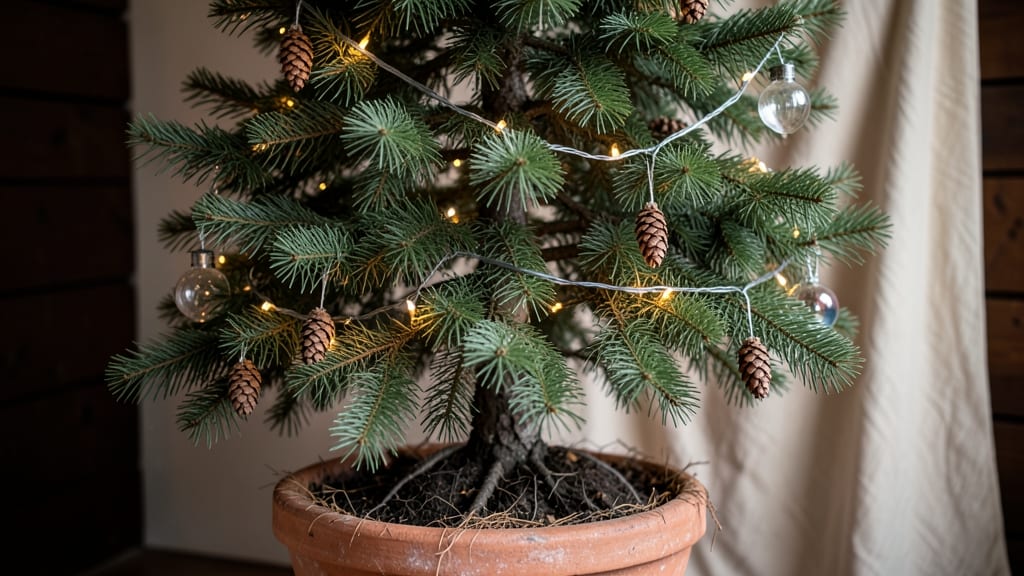
A living Christmas tree that keeps its needles and grows year after year is the ultimate gift to your yard—and your holiday traditions.
I’ve nurtured mine through four winters now, and the secret isn’t complicated: it’s about choosing the right species, giving it the right home, and treating it like a permanent part of your landscape, not a disposable decoration.
The first year, I nearly lost mine to winter burn, but now it’s denser and fuller than any store-bought tree ever was.
You’ll need a 5-gallon or larger pot for young trees, well-draining soil mixed with compost, and a spot that gets at least 6 hours of sunlight daily. Norwegians like Abies nordmanniana handle indoor-outdoor transitions best, while Colorado blue spruces (Picea glauca) thrive in colder climates.
Water deeply twice a week in summer, but reduce to once a week in winter—overwatering is the fastest way to kill these trees. A mulch ring around the base keeps roots insulated during frosts.
By spring, your tree will reward you with fresh, vibrant needles and maybe even a few cones. With minimal pruning—just removing dead branches in late winter and shaping lightly after the holidays—you’ll keep it lush without stressing it.
The best part? No more hauling trees indoors, no more needle cleanup, and no more sad, drooping trees by December 26th. Your living tree becomes a year-round centerpiece, not just a holiday prop.
Even in small yards, you can make this work—just choose a dwarf variety if space is tight. The key is consistency: same watering routine, same spot every year, and a little extra care in winter.
Once you’ve mastered it, you’ll wonder why you ever bought cut trees. Let’s get your tree growing strong for the next decade—and beyond.
📚 In This Guide
- What you need
- Instructions
- Tips and common mistakes
- Wrapping up and next steps
What you need
- ● 1-3 healthy evergreen saplings (e.g., Picea or Abies species, 3–6 ft tall). Choose disease-resistant varieties for longevity.
- ● High-quality potting soil (6–8 bags, well-draining mix with peat or coconut coir). Avoid heavy clay soil.
- ● Large containers or planters (2–3, 18–24 inches deep with drainage holes). Use weather-resistant materials like cedar or plastic.
- ● Slow-release fertilizer (1–2 bags, balanced 10-10-10 or organic for evergreens). Apply at planting and mid-season.
- ● Mulch (pine bark or straw) (1–2 bags, 2–3 inches thick) to retain moisture and regulate temperature.
- ● Pruning shears (sharp, bypass-style for clean cuts). Disinfect with rubbing alcohol between cuts.
- ● Hand pruners or loppers (for thicker branches, 10–12 inch reach).
- ● Gloves (gardening or pruning) (1 pair, cut-resistant for safety).
- ● Watering can or hose with nozzle (for deep watering, 1–2 gallons per tree weekly).
- ○ Tree lights (optional but festive!) (LED, solar-powered to avoid overheating).
- ● Sunlight access: 6+ hours of direct sun daily (or partial shade for delicate species).
- ● Climate suitability: Check your USDA hardiness zone (most evergreens thrive in zones 3–7).
- ● Patience: Living trees take 3–5 years to reach holiday-ready height!
How to grow a living tree Christmas tree for year-round beauty
Here's how to cultivate a stunning, low-maintenance evergreen that doubles as a holiday centerpiece.
🌱 Step 1: Select the Right Evergreen Species
Choose a slow-growing, compact evergreen that handles pruning well. Norway spruce (Picea abies) or Fraser fir (Abies fraseri) are classic choices—they hold their needles year-round and respond beautifully to shaping. Avoid fast-growing species like Douglas fir, which shed needles and lose their holiday appeal quickly.
Look for a young tree with a straight trunk and symmetrical branches. I always inspect the undersides of branches for pests or discoloration—this ensures you're starting with a healthy specimen. Young trees around 3-5 feet tall work perfectly for this project, giving you years of holiday potential while remaining manageable.
🪴 Step 2: Plant in Well-Draining Soil with Full Sun
Plant your living tree in well-draining soil with full sun exposure (at least 6-8 hours daily). Evergreens hate soggy roots, so amend heavy clay with 2-3 inches of compost or pine bark fines to improve aeration. I dig a hole twice as wide as the root ball but only as deep—planting too deep suffocates roots and causes stress.
Water deeply immediately after planting to settle the soil around roots, then let the top 2 inches of soil dry between waterings. Mulch with 3-4 inches of wood chips (keep mulch 6 inches away from the trunk) to retain moisture and regulate soil temperature. This step prevents winter desiccation and summer drought stress.
☀️ Step 3: Prune for Shape and Holiday Readiness
Prune in early spring (before new growth) to shape your tree and encourage dense branching. Use clean, sharp pruning shears to make cuts just above a bud or branch collar—never leave stubs. Remove only 10-15% of the foliage per year to avoid shocking the tree. For a classic Christmas shape, taper the top slightly wider than the base.
Here's the thing—minimal pruning is key. Over-pruning weakens the tree and leaves it vulnerable to pests. Instead, focus on removing dead branches and crossing growth that rubs against others. After pruning, apply a balanced 10-10-10 fertilizer in early spring to support new growth.
✂️ Step 4: Prepare for the Holiday Season
About 4-6 weeks before Christmas, give your tree a final shape-up and add decorative touches. I like to lightly spray the branches with water (not mist) to make needles look fresh and full. Avoid heavy decorations—opt for lightweight ornaments and LED string lights (they generate less heat). Never leave lights on overnight.
Water the tree deeply 2-3 days before bringing it indoors to prevent needle drop from stress. Once inside, place it in a cool (60-65°F), humid location away from heat sources. Check the soil daily—indoor air dries out quickly. Most evergreens tolerate 2-3 weeks indoors without permanent damage if cared for properly.
🌿 Step 5: Winter Care and Year-Round Maintenance
After the holidays, return your tree to its outdoor location gradually—acclimate it over 3-5 days by moving it outside for progressively longer periods. In winter, ensure the root zone stays snow-covered (snow acts as insulation). If your area gets extreme cold (-10°F or lower), wrap the trunk with tree wrap to prevent sun scald.
Feed your tree in early spring with a slow-release fertilizer and monitor for pests like spider mites or aphids. A strong, healthy tree resists most issues. With proper care, your living Christmas tree will grow 1-2 feet per year, providing decades of holiday joy with minimal effort.
Tips & tricks for perfect living tree Christmas trees
Here's what nobody tells you about keeping your evergreen thriving year after year—these are the secrets I wish I knew when I first planted mine.
Species Selection Matters: When choosing between Norway spruce and Fraser fir, consider your climate. Norway spruce handles colder winters better (-20°F tolerance) while Fraser fir thrives in milder zones (down to -10°F). Both hold needles well, but spruce has that classic "Christmas tree" scent. I always check for dense lower branches—they're crucial for that lush holiday look and prevent that "bare bottom" problem many trees develop.
Planting Depth is Critical: The hole should be only as deep as the root ball, never deeper. I've seen people bury the root flare (where roots meet trunk) and watch their trees struggle for years. Use your shovel to scrape the sides of the hole to create a rough surface—this helps roots establish faster. After planting, water deeply until soil settles, then create a small berm around the base to encourage water to pool slightly during dry spells.
Pruning Technique That Works: In Step 3, when you're removing those 10-15% of branches, focus on the inside first. Inner branches get less sunlight and can become sparse over time. For shaping, I use the "thirds rule"—divide your tree visually into thirds and aim for a natural taper. Always cut just above a bud at a 45-degree angle to prevent water from pooling on the cut. And here's the thing: never remove more than 1/3 of any branch in one cutting—it's like pruning hair too short, your tree gets stressed.
Holiday Prep That Makes a Difference: That 4-6 week preparation window is your chance to make your tree look like it belongs in a magazine. I start by gently brushing the needles with a soft-bristle broom to remove dust and debris. For extra shine, mix 1 tablespoon of vegetable oil with 1 gallon of water in a spray bottle and lightly mist the needles (this mimics the natural wax coating). And pro tip: place your tree in a cool basement for 24 hours before bringing it indoors—this helps it adjust to the temperature change and reduces needle drop dramatically.
Pro Tips for Living Tree Christmas Tree
- Here's what nobody tells you about keeping your evergreen thriving year after year—these are the secrets I wish I knew when I first planted mine.
- Species Selection Matters: When choosing between Norway spruce and Fraser fir, consider your climate.
- Planting Depth is Critical: The hole should be only as deep as the root ball, never deeper.
Frequently asked questions
How do I keep a living Christmas tree alive indoors during the holidays?
Place your tree in a cool room (60-65°F) away from heaters or vents. Water it daily (or every other day) with 1-2 gallons of water—check soil moisture by inserting a screwdriver into the soil. Avoid overwatering, which can drown roots. Mist the needles lightly to prevent drying, and keep it out of direct sunlight to avoid stress.
Can I reuse a living Christmas tree year after year?
With proper care, your tree can thrive for decades. Prune lightly after the holidays (remove only dried branches), fertilize in early spring, and repot every 2-3 years. Choose slow-growing species like Norfolk Island pine or Balsam fir for easier long-term maintenance. Just ensure it gets outdoor winterizing if kept indoors year-round.
What’s the best alternative if I don’t want to prune much?
Opt for low-maintenance evergreens like Leyland cypress or Eastern red cedar. These tolerate indoor conditions better and require minimal pruning. Another option? A pre-bonsai tree (like a dwarf Alberta spruce) that’s already shaped for display. Just avoid broadleaf trees—they drop leaves and aren’t ideal for holiday decor.
Why are my living tree’s needles turning brown?
Brown needles usually signal overwatering, underwatering, or stress. Check soil moisture first—if it’s soggy, reduce watering. If dry, soak the root ball thoroughly. Other culprits: low humidity (mist or use a pebble tray) or direct sunlight (move to indirect light). Never let the tree sit in standing water, or roots will rot.
Can I decorate a living tree the same way as a cut tree?
Yes, but with caution! Avoid heavy ornaments that can bend branches, and skip metal hooks (use floral wire wrapped in ribbon instead). LED string lights are safer than incandescent—keep them on low heat to prevent needle burn. For extra safety, limit decorations to one side of the tree to avoid overloading limbs.
Wrapping up and next steps
Transforming your living tree Christmas tree into a year-round centerpiece is simpler—and more rewarding—than you think!
With the right care, your evergreen can thrive for decades, blending holiday charm with sustainable joy. 🌲✨ Whether you’re a pruning pro or just starting, the key is consistency and patience—your tree will thank you with lush, vibrant growth every season.
Ready to take the next step? Start small:
- Pick one task from this guide—like shaping branches or fertilizing—and master it before expanding.
- Join a local gardening group or online forum to swap tips with fellow living tree enthusiasts.
- Celebrate your progress! Snap photos of your tree’s growth and share them—your future holiday memories will be priceless.