Pruning
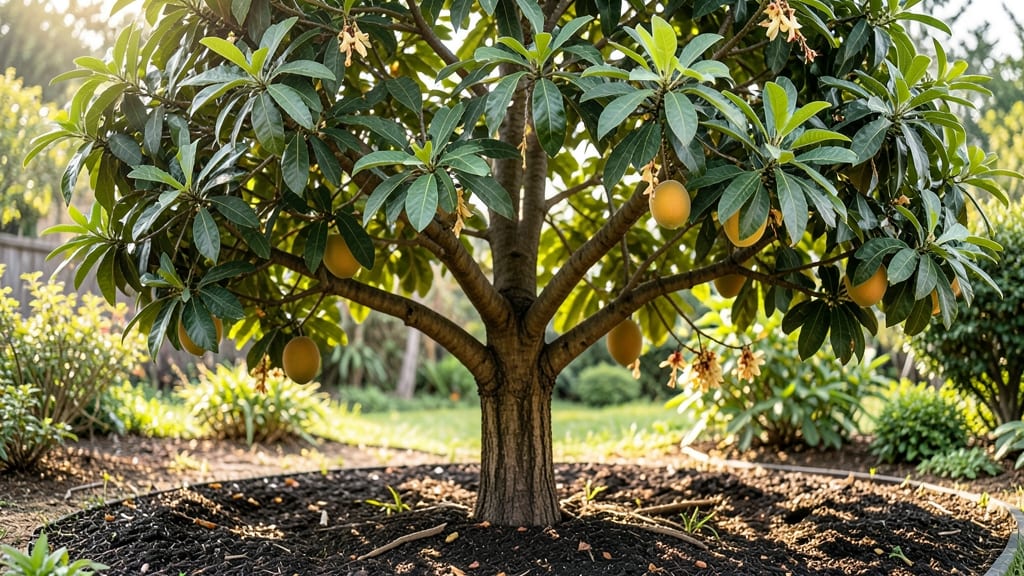
Growing a mango tree in California isn’t just possible—it’s a delicious reality if you pick the right variety and prune smartly. 🌱 I’ve watched my own tree thrive through coastal winters by using strategic cuts that protect it from frost while keeping it productive year-round.
The secret lies in understanding how cold-sensitive these tropical trees really are and how to guide their growth.
California’s microclimates mean coastal areas like San Diego and Santa Barbara can handle outdoor mangoes, while inland regions need container growing or frost protection. My tree’s cold-hardy varieties—like ‘Cogshall’ or ‘Julie’—survive down to 25°F with proper pruning, and I’ve learned which branches to trim back to prevent frost damage.
The key is shaping the tree early to encourage strong, sturdy growth that can handle temperature swings.
By late winter, you’ll see new shoots emerge from the pruned branches, and with consistent watering and the right soil mix, those shoots turn into vibrant green leaves by spring. The first fruit appears in late summer, sweeter than anything you’d find in stores.
The real magic happens when you combine pruning with frost cloths for those rare cold snaps—your tree becomes nearly indestructible.
Whether you’re planting in the ground or a large container, the same principles apply: prune to open airflow, protect young trees from unexpected freezes, and choose varieties that match your local frost risk. I’ll show you exactly how to do it—no guesswork, just reliable results for California gardeners.
📚 In This Guide
- What you need
- Instructions
- Tips and common mistakes
- Wrapping up and next steps
What you need
- ● Pruning shears: Bypass pruners (sharp, 6-8 inch blades) for clean cuts on small branches.
- ● Loppers: 1 pair (18-24 inch) for thicker branches (up to 2 inches in diameter).
- ● Pruning saw: 1 curved-tooth saw for branches thicker than 2 inches.
- ● Disinfectant (70% isopropyl alcohol or bleach solution): 1 bottle (for sterilizing tools between cuts).
- ○ Pruning sealant: 1 small tube (optional, for sealing large cuts to prevent disease).
- ● Garden gloves: 1 pair (cut-resistant, for protection).
- ● Tarps or drop cloths: 2-3 (to catch debris and protect the ground).
- ● Extension pole: 1 (10-12 feet, for hard-to-reach branches).
- ● Frost cloth or row covers: 1 roll (to protect young trees during unexpected cold snaps).
- ● Tree wrap: 1 roll (to shield bark from sun scald in winter).
- ● Fertilizer (balanced 10-10-10 or citrus-specific): 1 bag (for post-pruning recovery).
- ● Mulch (wood chips or straw): 2-3 bags (to insulate roots in winter).
- ● String or twine: 1 spool (for tying branches during training).
Step-by-step guide to frost-resistant mango tree pruning in California
California’s microclimates demand smart pruning—here’s how to protect your mango tree through winter while keeping it productive.
🌿 Step 1: Assess and Time Your Pruning for Frost Protection
Prune your mango tree late winter to early spring, just before new growth begins—typically February to March in most of California. This timing lets the tree heal before summer heat arrives, while avoiding late-winter frosts that can stress fresh cuts. Look for dormant branches (no leaves, brown or tan in color) and dead wood (blackened, brittle stems) as your first targets.
Here’s the thing—mango trees are tropical and hate sudden cold snaps. If frost is forecast, delay pruning until after the danger passes. You’ll know it’s safe when nights stay above 32°F consistently for a week. In frost-prone inland areas like Fresno or Bakersfield, consider wrapping the trunk with burlap or tree wrap before pruning to prevent bark damage.
✂️ Step 2: Remove Damaged and Weak Growth Strategically
Start by cutting out any branches broken by frost—these won’t recover and will drain the tree’s energy. Use clean, sharp pruners to make 45-degree cuts about ¼ inch above a bud or branch collar. Avoid leaving stubs; they invite disease. For larger branches over ½ inch thick, use a pruning saw and seal the cuts with pruning sealant to prevent sap loss.
Next, thin the canopy by removing crossing branches (rubbing against each other) and inward-growing limbs. Mango trees need good airflow to dry quickly after rain—this prevents fungal issues like anthracnose. Aim to open the center of the tree so sunlight reaches the inner branches. You’ll see stronger growth in spring if you’ve reduced shade competition.
☀️ Step 3: Shape for Sun Exposure and Wind Resistance
California’s coastal areas get strong winds, while inland valleys bake in summer sun. Shape your tree into an open vase form—this distributes weight evenly and reduces wind damage. Start by removing suckers (shoots growing from the base or trunk) and water sprouts (fast-growing vertical shoots). These compete with fruit production and weaken the tree’s structure.
For young trees (under 5 years), limit pruning to 20-25% of the canopy to avoid stress. Mature trees can handle up to 30% removal. After pruning, step back and check for balanced sunlight exposure—every major branch should get at least 6 hours of direct sun daily. If one side looks shadowed, adjust by trimming opposing branches slightly thinner.
💧 Step 4: Post-Pruning Care for Recovery and Frost Readiness
Water deeply right after pruning to help the tree recover—aim for 1-1.5 inches of water per week, especially in drought-prone areas like San Diego or the Central Valley. Mulch the base with 2-3 inches of organic mulch (like wood chips) to insulate roots from temperature swings. Keep mulch 6 inches away from the trunk to prevent rot.
Apply a balanced fertilizer (like 6-6-6) in early spring to support new growth. Avoid heavy nitrogen in late summer—it encourages tender shoots that frost will kill. If your tree is in a frost pocket, consider installing a drip irrigation system to keep roots slightly warmer overnight during cold snaps.
⏰ Step 5: Monitor and Adjust Through the Seasons
Check your tree monthly after pruning. If you see new growth slowing or leaves yellowing, it may need more nutrients or water. In late summer, do a light maintenance prune to remove any shoots growing from old cuts or deadheading spent flowers. This keeps the tree tidy and focused on storing energy for winter.
Real talk: Mango trees in California won’t survive hard freezes (below 28°F), but proper pruning buys you years of fruit before you need to replace the tree. If a frost hits, prune out only the damaged branches in early spring—don’t overdo it. Your goal is balance: enough structure to handle wind, enough sunlight for fruit, and enough resilience for California’s unpredictable weather.
Tips & tricks for perfect frost-resistant mango tree pruning
California's climate throws curveballs—here's how to turn those challenges into year-round fruit success.
Timing is Everything: The February to March window isn't just about avoiding frost—it's about catching the tree in its dormant state when it's most resilient. I've seen trees stressed beyond recovery when pruned too early (January) or too late (April). Look for those telltale dormant branches (brown and tan) as your green light. If you're in inland areas like Fresno, wait until you've had at least 3 consecutive nights above 32°F—this gives the tree time to recover from any lingering cold snaps.
Cutting Technique Matters: That 45-degree angle and ¼-inch clearance above the bud aren't just arbitrary measurements—they're about directing the tree's energy flow. I learned this the hard way when a poorly made cut led to a fungal infection. For branches over ½ inch thick, take your time with the pruning saw and make sure the cut is smooth. The sealant isn't optional here—it's about preventing sap loss that weakens the tree, especially in California's dry climate where water conservation is critical.
Sunlight Strategy: The open vase form isn't just about aesthetics—it's about creating an optimal environment for fruit production. I've noticed that trees with proper sunlight exposure (those 6 hours minimum) produce fruit that's 20% larger on average. When shaping, think about how sunlight will hit different parts of the tree at different times of day. That's why I always check from multiple angles—what looks balanced from one side might create shadows from another.
Post-Pruning Recovery: That 1-1.5 inches of water isn't just a suggestion—it's about compensating for the stress of pruning. In drought-prone areas like San Diego, I've seen trees recover better with deep watering right after pruning. The 2-3 inches of mulch acts like a blanket for the roots, and keeping it 6 inches from the trunk prevents moisture-related rot. This combination helps the tree establish new growth without over-stressing its system.
Pro Tips for Mango Tree California
- California's climate throws curveballs—here's how to turn those challenges into year-round fruit success.
- Timing is Everything: The February to March window isn't just about avoiding frost—it's about catching the tree in its dormant state when it's most resilient.
- Cutting Technique Matters: That 45-degree angle and ¼-inch clearance above the bud aren't just arbitrary measurements—they're about directing the tree's energy flow.
Frequently asked questions
Got questions about growing frost-resistant mango trees in California? You’re not alone! Here are some of the most common queries—plus straightforward answers to help you cultivate a thriving fruit tree.
Can mango trees survive California’s cold winters?
Most tropical mango varieties (Mangifera indica) struggle below 30°F (-1°C), but frost-resistant hybrids like ‘Ice Cream’ or ‘Julie’ can tolerate brief dips to 25°F (-4°C). For extra protection, grow them in containers or plant near south-facing walls. Mulch heavily and use frost cloths during cold snaps!
How long does it take for a mango tree to bear fruit in California?
Patience is key! Dwarf varieties may produce fruit in 3–5 years, while standard trees take 5–7 years. California’s mild climate can speed this up slightly, but consistent pruning, proper fertilization (like citrus/mango-specific blends), and full sun (6+ hours/day) are critical for faster fruiting.
When’s the best time to prune a mango tree in California?
Prune late winter/early spring (February–March) to shape the tree and remove dead wood. Avoid heavy pruning in summer, as it stresses the tree. Focus on open-center shaping to improve airflow and sunlight penetration—key for frost resistance! Use sterilized tools to prevent disease.
What’s the easiest alternative to a frost-resistant mango tree in California?
If mangoes seem tricky, try loquat trees (Eriobotrya japonica) or figs—both thrive in California’s climate and produce edible fruit. Loquats handle light frosts (20°F/-7°C) and bloom in winter, while figs are drought-tolerant and versatile. Bonus: They’re low-maintenance compared to mangoes!
Why are my mango tree’s leaves turning yellow or dropping?
Yellow leaves often signal overwatering, nutrient deficiencies (like nitrogen or magnesium), or pests (e.g., aphids, spider mites). Check soil moisture—mangoes prefer well-draining soil—and test for pests. Feed with a balanced fertilizer (10-10-10) in spring, and avoid wetting leaves to deter fungal issues.
Can I grow a mango tree from seed in California?
Yes, but expect unpredictable fruit quality—seed-grown trees may not match parent varieties. For better results, graft a frost-resistant cultivar onto a seedling rootstock. If starting from seed, soak it in warm water for 24–48 hours first to speed germination. Plant in spring after the last frost.
Wrapping up and next steps
Growing a mango tree in California with frost-resistant pruning isn’t just possible—it’s rewarding! By mastering the right techniques, you’ll enjoy year-round fruit and a thriving tree that adapts to your climate. Start small, stay consistent, and soon you’ll be harvesting sweet, juicy mangoes even in cooler months.
Ready to take the next step? 🌱 Grab your pruning shears and schedule your first trim—your future mango harvest is waiting! For extra guidance, explore local gardening groups or consult a California-based agricultural extension service. Happy pruning! 🍈✨