Pruning
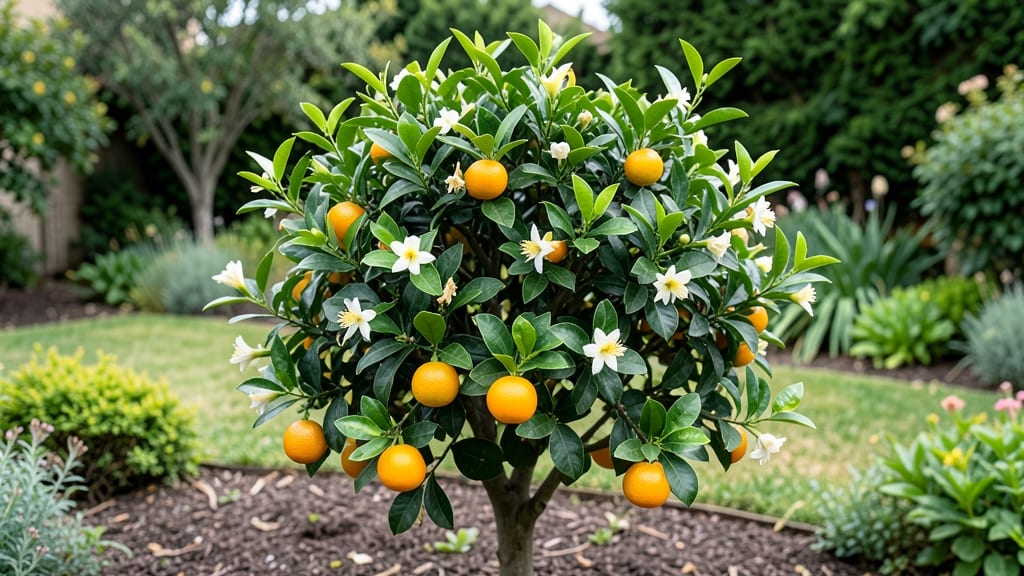
Growing a mini tangerine tree in your backyard or on your patio means fresh citrus all year round—if you get the light and care just right. 🌱 I’ve wrestled with these tiny citrus trees for years, and the difference between a thriving plant and a sad, yellow-leafed one comes down to three things: sunlight, soil drainage, and patience.
Most people overwater or underestimate how much light they need, and that’s when the trouble starts.
The good news? These dwarf varieties are built for small spaces. A 5-gallon container works perfectly for the first few years, and they’ll stay under 6 feet tall with proper pruning.
I started mine in a sunny windowsill, then moved it outside in summer—now it produces dozens of tangerines each season without needing a full yard. The key is mimicking their natural Mediterranean climate: bright light, warm days, and cool (but not freezing) nights.
By summer’s end, you’ll be harvesting bright orange fruit that tastes sweeter than anything from the store. The first harvest might be small—maybe just a handful—but each year, the tree matures and produces more.
Plus, the glossy green leaves and fragrant white blossoms make it a showstopper even when it’s not fruiting. Here’s how to keep yours thriving from the first pot to the first harvest.
Whether you’re growing in a container on a balcony or tucked into a sunny corner of your garden, these trees adapt surprisingly well. The biggest mistakes? Letting the soil dry out completely or pruning at the wrong time.
I’ll walk you through the exact steps to avoid those pitfalls—and how to troubleshoot common issues like yellow leaves or slow growth. Let’s get that citrus growing!
📚 In This Guide
- What you need
- Instructions
- Tips and common mistakes
- Wrapping up and next steps
What you need
- ● Mini Tangerine Tree: Dwarf variety (e.g., Citrus reticulata ‘Ponkan’ or ‘Calamondin’). Check local nurseries or online citrus specialists for container-friendly rootstocks.
- ● Container (if potted): Minimum 12–15 gallon pot (diameter: 12–18 inches) with drainage holes.
- ○ Fabric grow bag (optional but recommended for root health and easy repotting).
- ● Well-Draining Soil: 50% citrus-specific potting mix (or DIY: 40% peat moss, 30% perlite, 30% compost).
- ● 20% coarse sand or pumice (for aeration).
- ● Fertilizer: Citrus-specific fertilizer (e.g., 6-6-6 or 8-3-9 NPK ratio).
- ● Slow-release granules or liquid feed (follow package instructions).
- ● Pruning Tools: Bypass pruners (sharp, clean, and sterilized with rubbing alcohol).
- ● Small hand saw (for thicker branches, if needed).
- ○ Support (optional but helpful): Stake or trellis (for young trees to prevent toppling).
- ● Soft plant ties (to secure without damaging bark).
- ● Sunlight: 6–8 hours of direct sunlight daily (south-facing window or outdoor spot).
- ● Temperature: Ideal range: 60–85°F. Protect from frost (below 30°F is deadly—use a grow light or move indoors if needed).
- ● Watering Setup: Drip irrigation or watering can (avoid overhead watering to prevent fungal diseases).
- ○ Moisture meter (optional, to monitor soil hydration).
- ● Humidity: 40–60% (use a humidifier or pebble tray in dry climates).
- ● Patience & Care: Mini tangerine trees take 2–5 years to bear fruit, but pruning early ensures a compact, productive shape!
- ● Mulch: Straw or wood chips (to retain moisture and regulate temperature).
- ● Epsom Salt: 1 tbsp/month (boosts magnesium for vibrant foliage).
- ● Citrus Food: Seaweed extract or fish emulsion (natural growth enhancer).
- ● Pest Control: Neem oil (prevents aphids, spider mites).
- ● Yellow sticky traps (for whiteflies).
- ● Growth Regulator: Paclobutrazol (slows growth for extra-compact trees—use sparingly!).
Step-by-step guide to growing a thriving mini tangerine tree
Here's how to nurture a dwarf citrus tree that stays compact and productive.
🪴 Step 1: Choose the Right Container and Soil
Select a 5-gallon container with drainage holes—mini tangerine trees need room to grow but stay small enough for patios. I use a terracotta pot because it breathes and helps prevent root rot, which is a common issue with citrus. Fill the bottom with 1-2 inches of gravel or pumice to improve drainage and prevent soggy roots.
Use a well-draining citrus-specific potting mix or blend your own with 50% potting soil, 30% perlite, and 20% compost. Avoid garden soil—it compacts too easily and holds too much moisture. The mix should feel light and airy, like a sponge that holds water but doesn't cling to your fingers.
🌱 Step 2: Plant Your Mini Tangerine with Care
Remove the tree from its nursery pot and gently loosen the roots if they're circling. Place it in the container so the top of the root ball sits ½ inch below the rim—this allows for watering without overflow. Fill the remaining space with your prepared mix, pressing lightly to eliminate air pockets but not compacting the soil.
Water thoroughly until it drains from the bottom holes. Let the tree sit in a saucer for 10 minutes to catch any excess water, then empty the saucer. The first few weeks are critical—keep the soil consistently moist but never soggy. You'll know it's right when the top inch feels damp but not wet to the touch.
☀️ Step 3: Position for Sunlight and Warmth
Mini tangerine trees thrive in full sun—at least 6-8 hours daily. Place your container in the brightest spot you have, like a south-facing patio or balcony. If indoors, position it near a large, sunny window, but supplement with a grow light for 12-14 hours daily if natural light is insufficient.
Citrus trees love warmth—ideal temperatures range between 60-85°F. If nights dip below 50°F, move the tree indoors or cover it with a frost cloth. Watch for yellowing leaves or leaf drop—these are signs the tree is too cold or drafty. A sunny windowsill in winter works, but avoid heating vents that dry out the air.
💧 Step 4: Water and Fertilize for Optimal Growth
Water when the top 1-2 inches of soil feel dry. Stick your finger in the soil—if it's dry at that depth, it's time to water. Water deeply until it runs out the drainage holes, then empty the saucer to prevent root rot. Overwatering is the #1 killer of container citrus trees, so always err on the side of slightly dry soil.
Fertilize every 4-6 weeks during the growing season (spring through fall) with a balanced citrus fertilizer diluted to half strength. In winter, reduce fertilizing to once every 8-12 weeks since the tree is dormant. You'll see new growth and glossy leaves within a few feedings—that's your sign the tree is happy and thriving.
✂️ Step 5: Prune and Maintain for Compact Growth
Prune in late winter or early spring to shape the tree and encourage branching. Use clean, sharp pruning shears to trim back any leggy growth or crossing branches. Cut just above a leaf node at a 45-degree angle to promote faster healing. Remove any dead, diseased, or yellowing leaves immediately—they can spread problems to healthy parts of the tree.
Pinch back the tips of new growth when the tree is 12-18 inches tall to encourage bushier growth. This is where it gets fun—watch as the tree fills out instead of growing tall and spindly. A well-pruned mini tangerine tree stays compact, produces more fruit, and looks stunning year-round. Just don't overdo it; citrus trees can handle light pruning but not aggressive cutting.
Tips & tricks for perfect mini tangerine tree care
Here's what nobody tells you about keeping your compact citrus tree thriving year-round.
Container and Drainage: That 1-2 inches of gravel or pumice at the bottom isn't just for show—it's your first line of defense against root rot. I've seen too many trees fail because people skipped this step. Use coarse gravel (not pebbles) to allow water to drain freely while still providing support for the roots. If you're using a decorative container without drainage holes, consider nesting it inside a larger pot with drainage, then placing that in your decorative container.
Soil Mix Secrets: The 50% potting soil, 30% perlite, 20% compost ratio is perfect, but here's the trick: sterilize your potting soil first by baking it in the oven at 200°F for 30 minutes to kill any pathogens. Citrus trees are sensitive to soil-borne diseases, and this simple step can prevent years of frustration. Also, avoid using coconut coir as your sole perlite substitute—it retains too much moisture and can suffocate roots.
Lighting Hacks: For those 12-14 hours of grow light indoors, I recommend using full-spectrum LED grow lights positioned about 6-12 inches above the tree. Move the lights higher as the tree grows to maintain this distance. A simple trick to check if your tree is getting enough light: if new growth is pale or leggy (long stems with small leaves), it needs more light. Rotate the tree weekly so it grows evenly toward the light source—this prevents lopsided growth that's hard to correct later.
Winter Survival: When nights dip below 50°F, don't just move the tree indoors willy-nilly. Acclimate it gradually over 3-5 days by moving it to a cooler spot each night before bringing it inside. Also, avoid placing it near heating vents—the dry air can cause leaf drop. Instead, position it in a bright, cool room (60-65°F) away from direct heat sources. A humidity tray with pebbles and water beneath the pot can help maintain moisture levels in dry winter air.
Pro Tips for Mini Tangerine Tree
- Here's what nobody tells you about keeping your compact citrus tree thriving year-round.
- Container and Drainage: That 1-2 inches of gravel or pumice at the bottom isn't just for show—it's your first line of defense against root rot.
- Soil Mix Secrets: The 50% potting soil, 30% perlite, 20% compost ratio is perfect, but here's the trick: sterilize your potting soil first by baking it in the oven at 200°F for 30 minutes to kill any pathogens.
Frequently asked questions
Got questions about your mini tangerine tree? You’re not alone!
Here are answers to the most common queries—whether you're a first-time grower or a seasoned citrus enthusiast looking to troubleshoot. Dive in!
How long does it take for a mini tangerine tree to bear fruit?
A mini tangerine tree typically takes 2–5 years to bear fruit, depending on growing conditions, care, and variety. Dwarf varieties like ‘Calamondin’ or ‘Meyer’ lemon-tangerine hybrids may fruit sooner (1–3 years), while true dwarf tangerines like ‘Ponkan’ can take closer to 3–5 years. Patience is key—consistent sunlight (6+ hours/day), proper watering, and balanced fertilization speed up the process!
Can a mini tangerine tree survive winter indoors?
Yes! Mini tangerine trees thrive indoors in winter if you mimic their natural environment. Keep them in a sunny spot near a south-facing window or under grow lights (12–14 hours/day). Avoid drafts, maintain 60–70°F temperatures, and reduce watering (let the top inch of soil dry out). If leaves yellow or drop, it’s often due to overwatering or low humidity—a pebble tray or occasional misting helps!
Why aren’t my mini tangerine tree’s fruits sweet or juicy?
Bland or tart fruit usually stems from lack of sunlight, over-fertilization, or poor pollination. Move your tree to a brighter location (south or west-facing is ideal). If indoors, supplement with a grow light. Prune to improve airflow and hand-pollinate flowers with a soft brush. Also, reduce nitrogen-heavy fertilizers—opt for a citrus-specific blend with more phosphorus/potassium to boost sweetness!
Can I grow a mini tangerine tree in a pot year-round, or should I plant it outdoors?
Mini tangerine trees can stay in pots year-round in warm climates (USDA Zones 9–11), but they’ll need winter protection (e.g., moving indoors or insulating the pot). In colder zones, plant them in the ground in spring after the last frost, then containerize again in fall before temperatures drop below 40°F. If keeping them potted, choose a large container (15+ gallons) with drainage holes and use well-draining soil.
What should I do if my mini tangerine tree has pests like aphids or spider mites?
Start with a gentle spray of water to dislodge soft-bodied pests like aphids. For stubborn infestations, use neem oil or insecticidal soap (follow label instructions). Isolate the tree to prevent spread, and check the undersides of leaves and new growth frequently. Boost tree health with balanced fertilization and proper watering—healthy plants resist pests better!
Wrapping up and next steps
Growing a mini tangerine tree in containers or small gardens is a rewarding journey—packed with vibrant foliage, fragrant blossoms, and sweet, sun-kissed fruit! With the right pruning techniques, you’ll keep your tree thriving, compact, and productive year after year.
Whether you’re a seasoned gardener or just starting out, this citrus companion brings joy, fresh air, and a taste of sunshine to any space.
Ready to harvest your first homegrown tangerines? Start by gathering your tools and scheduling your first pruning session—your future citrus bounty awaits! 🌱🍊