Pruning
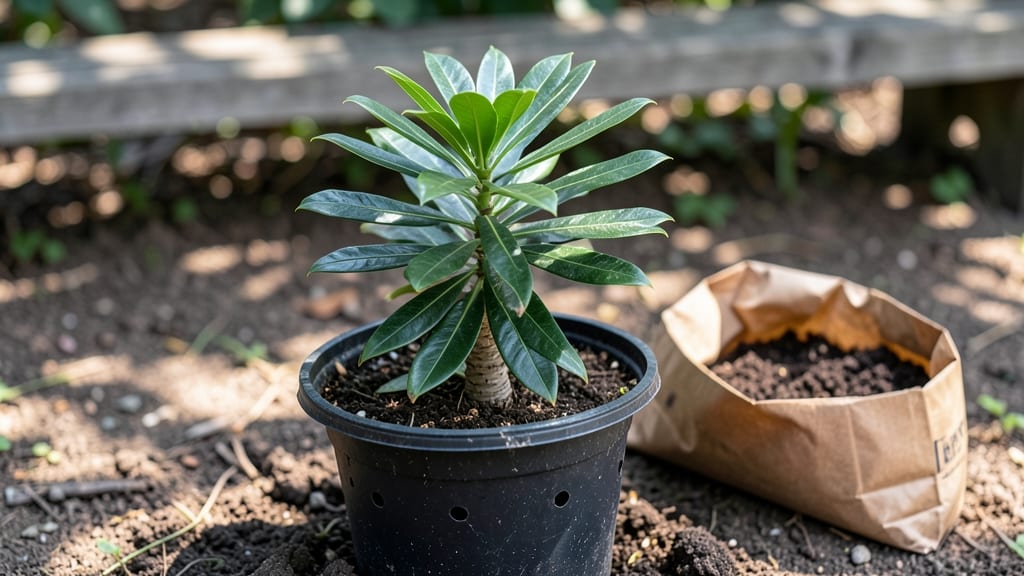
Growing monkey puzzle tree seedlings in the Pacific Northwest means unlocking a frost-hardy vertical garden that defies expectations. 🌲 These ancient-looking trees start as delicate seedlings, but with the right soil mix and care, they’ll grow into architectural wonders that thrive in our damp, cool climate.
The key? Mimicking their native Chilean forest conditions right from the start.
You’ll need well-draining soil amended with sand or perlite to prevent root rot—these seedlings hate soggy feet. Plant them in a sunny spot where they’ll get at least 6 hours of light daily, though they tolerate partial shade better than most conifers.
Water consistently but avoid overhead sprinkling, which can invite fungal issues. The first year is all about patience; slow growth is normal as they establish deep roots.
By their second season, you’ll see the iconic spiky foliage emerge in bold, vertical layers, creating instant drama in any landscape. These trees handle our wet winters and cool summers like champions, making them a low-maintenance investment for years to come.
Just watch for deer—young seedlings are tempting snacks for hungry browsers.
Once established, they’ll grow 2-3 feet per year, so plan spacing accordingly. Mulch around the base to protect roots from temperature swings, and prune only to shape—never to encourage bushiness. The payoff? A living sculpture that outlasts most garden trends. Ready to start your own?
📚 In This Guide
- What you need
- Instructions
- Tips and common mistakes
- Wrapping up and next steps
What you need
- ● Monkey puzzle tree seedlings: 1–3 healthy seedlings (3–6 inches tall) from a reputable nursery.
- ● Well-draining potting mix: 1–2 bags (1 cubic foot each) of a blend designed for conifers or succulents (e.g., 50% peat moss, 30% perlite, 20% coarse sand).
- ● Containers: 1–2 gallon pots (with drainage holes) or a seedling tray with individual cells.
- ● Garden trowel or small shovel: For transplanting and soil adjustments.
- ● Watering can or spray bottle: With a fine rose nozzle for gentle hydration.
- ● Fertilizer: Slow-release granular fertilizer (10-10-10 or similar) or a balanced liquid fertilizer (diluted to half-strength).
- ● Mulch: 1–2 inches of pine bark fines or wood chips to retain moisture and regulate temperature.
- ● Pruning shears: Sharp, sterilized shears (for future maintenance).
- ● Garden gloves: To protect your hands from prickly foliage.
- ● Rooting hormone: To boost seedling growth during transplanting.
- ● Shade cloth: For seedlings in hot summer months (30–50% shade coverage).
- ● Soil moisture meter: To monitor watering needs accurately.
- ● Epsom salt: For magnesium-rich foliar spray (1 tbsp per gallon of water, applied monthly).
- ● Staking system: Lightweight stakes or cages (if seedlings need support in windy areas).
Step-by-step instructions for growing monkey puzzle tree seedlings
Here's how to cultivate these striking evergreens from seed with precision.
🌱 Step 1: Prepare the Seedling Tray and Sowing Medium
Fill your 4-inch deep seedling trays with a well-draining mix of 50% peat moss and 50% perlite. This combination prevents compaction while allowing excess moisture to drain quickly—critical for preventing root rot in monkey puzzle seedlings. Moisten the mix until it feels like a damp sponge, then let it sit for 24 hours to settle.
Use a clean, flat tool to create shallow furrows about ¼ inch deep across the tray. Space the furrows 1 inch apart to give emerging seedlings room to establish without crowding. Here's the thing—monkey puzzle seeds are notoriously slow to germinate, so precision in spacing now prevents future thinning stress.
🌱 Step 2: Plant the Seeds and Maintain Optimal Moisture
Place 2-3 seeds per furrow, spacing them ½ inch apart within the groove. Press them lightly into the soil—just enough to ensure contact without burying them too deep. Cover the seeds with a thin layer of the same mix, barely enough to obscure them from view. This ensures they won't dry out while still allowing light penetration.
Mist the surface gently with a spray bottle until the soil looks uniformly damp but not saturated. Place the tray in a clear plastic bag and seal it loosely to create a greenhouse effect. Keep it in a location with 65-75°F temperatures—a warm spot like the top of your refrigerator or near a sunny window (but not in direct light yet). Check daily for condensation; if the bag fogs up, open it for 10 minutes to prevent fungal growth.
☀️ Step 3: Provide Controlled Light and Monitor Germination
After 4-6 weeks, you'll notice tiny green sprouts pushing through the soil—that's your signal to move the tray to indirect light. Monkey puzzle seedlings are sensitive to intense sunlight at this stage, so position them 12-18 inches away from a south-facing window or under a grow light on a 14-hour cycle. You'll see leggy growth if they stretch toward the light; this means they need more intensity.
Once the first true leaves appear (not the initial seed leaves), remove the plastic bag entirely. Water the seedlings from the bottom by placing the tray in ½ inch of water for 10 minutes, then drain completely. This method prevents soil disturbance and ensures roots develop downward. Thin to the strongest seedling per cell after 8-10 weeks, using clean scissors to snip unwanted sprouts at soil level.
🌿 Step 4: Harden Off and Prepare for Outdoor Planting
Two weeks before your last frost date, begin hardening off the seedlings by placing them outside in a sheltered spot for 2 hours daily. Gradually increase their outdoor time over 10-14 days, eventually leaving them out overnight. Monkey puzzle trees are frost-hardy, but sudden temperature swings can stress young plants. Choose a location with partial shade during this period to protect them from harsh afternoon sun.
When transplanting, dig a hole twice as wide as the root ball but only as deep as the container. Amend the native soil with compost to improve drainage, as monkey puzzles despise soggy roots. Space seedlings 10-15 feet apart to accommodate their eventual width. Water deeply after planting to settle the soil and encourage root establishment.
Tips & tricks for perfect monkey puzzle tree seedlings
Here's what nobody tells you about nurturing these resilient evergreens from seed.
Soil Mix Precision: The 50% peat moss and 50% perlite ratio might seem simple, but the 24-hour settling period is non-negotiable. This prevents compaction that could suffocate delicate roots. I've seen growers skip this step and end up with seedlings that struggle to establish—don't make that mistake. After mixing, press down firmly to eliminate air pockets, then let it rest exactly as directed. This creates the perfect crumbly texture that monkey puzzle seedlings crave.
Seed Placement Technique: When planting your 2-3 seeds per furrow, resist the urge to bury them deeply. The thin covering should barely obscure them—think of it like tucking them under a lightweight blanket, not burying them in a snowdrift. I learned this the hard way after watching seeds rot when planted too deep. The key is maintaining that delicate balance between moisture retention and light penetration that these slow-germinating seeds need.
Temperature Control Secret: Those 65-75°F temperatures aren't just arbitrary—they're the Goldilocks zone for germination. Too cold and seeds may never sprout; too hot and you risk damping-off disease. I place my trays on top of my refrigerator (which stays consistently around 70°F) for perfect conditions. If your home runs cooler, consider using a seedling heat mat set to low—just be careful not to exceed 75°F, as this can cause the seeds to overheat.
Light Transition Strategy: The move from plastic bag to indirect light after 4-6 weeks requires careful positioning. I recommend starting with 12 inches from the window, then gradually reducing to 10 inches as the seedlings strengthen. Watch for that telltale leggy growth—it's your plant's way of saying "I need more light!" At this stage, you can supplement with a grow light on a 14-hour cycle if natural light isn't sufficient. The goal is to harden them gradually to prevent shock.
Pro Tips for Monkey Puzzle Tree Seedlings
- Here's what nobody tells you about nurturing these resilient evergreens from seed.
- Soil Mix Precision: The 50% peat moss and 50% perlite ratio might seem simple, but the 24-hour settling period is non-negotiable.
- Seed Placement Technique: When planting your 2-3 seeds per furrow, resist the urge to bury them deeply.
Frequently asked questions
Got questions about growing monkey puzzle tree seedlings? You’re not alone—these striking trees are unique, and their care can feel tricky at first. Below, we’ve rounded up the most common queries from gardeners in the Pacific Northwest and beyond. Whether you’re troubleshooting slow growth or wondering about frost resistance, we’ve got you covered!
How long does it take for monkey puzzle tree seedlings to mature into a full-sized tree?
Monkey puzzle trees grow slowly—expect it to take 20 to 50 years to reach maturity (50–70 feet tall). In the Pacific Northwest’s cooler climate, growth may be even slower due to shorter growing seasons. Patience is key! Plant them in a spot where they won’t be disturbed, and enjoy their unique foliage along the way.
Are monkey puzzle tree seedlings truly frost-hardy, or do they need winter protection?
Yes, they’re highly frost-resistant (USDA Zones 7–9), but young seedlings (3–5 years old) may need extra care. Mulch heavily around the base (3–4 inches) and wrap the trunk with burlap if your winters dip below 10°F. Established trees handle frost like a champ!
Can I grow a monkey puzzle tree from seed, or should I buy seedlings?
While possible, growing from seed is challenging—germination rates are low, and seedlings take 10+ years to produce cones. For faster (and more reliable) results, buy a 1–3-year-old seedling from a reputable nursery. They’re pricier but worth the hassle-free start!
Do monkey puzzle trees need pruning, and if so, when?
Pruning is minimal but helps maintain shape and remove dead branches. The best time is late winter or early spring (before new growth starts). Avoid heavy pruning—these trees have a distinct look! Focus on deadwood removal and light shaping to encourage upward growth.
Why is my monkey puzzle seedling not growing? Troubleshooting slow or no growth.
Slow growth is normal, but check these common issues:
- Poor soil: They thrive in well-draining, slightly acidic soil (pH 5.0–6.5). Amend heavy clay with sand or compost.
- Overwatering: Roots rot easily—water only when the top 2 inches of soil are dry.
- Shade: These trees crave full sun (6+ hours daily). Move seedlings to a sunnier spot if growth stalls.
- Pests: Watch for spider mites or scale insects. Treat with neem oil if spotted.
Are there dwarf or smaller varieties of monkey puzzle trees for smaller gardens?
No true dwarf varieties exist, but ‘Fastigiata’ (columnar form) and ‘Araucaria heterophylla ‘Nana’’ (a close relative) stay more compact (15–25 feet tall). For tight spaces, consider these alternatives—or plant yours in a large container (though they’re long-lived and prefer permanent spots!).
Wrapping up and next steps
Growing monkey puzzle tree seedlings in the Pacific Northwest is a rewarding way to add a striking, frost-hardy focal point to your garden. With the right tools, timing, and care—like proper pruning, well-draining soil, and seasonal maintenance—you’ll nurture a resilient tree that thrives for decades.
The key? Patience and consistency—watch your vertical garden take shape, one careful cut at a time!
Ready to take the next step? Start small—plant your seedlings this spring or fall, then monitor their growth closely. Before you know it, you’ll have a stunning, towering monkey puzzle tree that becomes the star of your landscape. Grab your pruners and get growing! 🌱✨