
Pruning
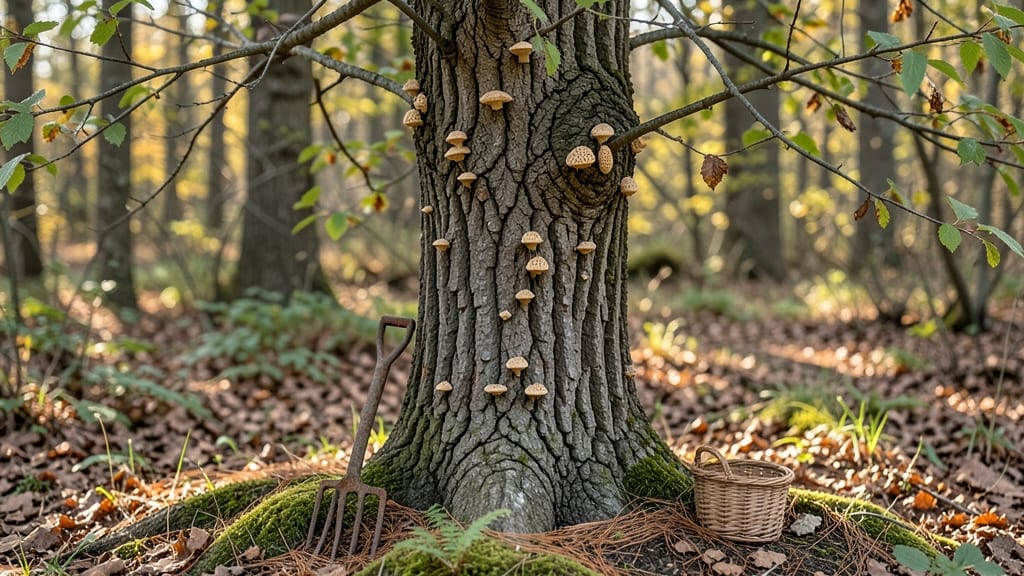
Beneath the morel-hunting secrets of your elm tree’s bark lies a story—one that could mean the difference between a thriving shade giant and an early demise. Checking for cracks, discoloration, or beetle holes reveals whether Dutch elm disease or bark beetles are lurking beneath that rough outer layer.
I’ve seen healthy elms turn sickly in just months, so knowing what to look for saves years of heartache.
Start by inspecting the bark’s texture and color: healthy bark stays firm and grayish-brown, while diseased bark darkens, oozes sap, or splits open. Bring a small hand saw or pruners to safely collect samples from affected branches—never hack at the trunk.
The key is acting fast: once those telltale signs appear, treatment options shrink dramatically.
With the right care, you can restore your elm’s health and keep it standing strong for decades. Proper pruning to remove infected limbs, applying systemic fungicides early, and monitoring for beetle activity will turn your tree around.
The payoff? A canopy that shades your yard for generations, instead of a hollow stump.
This approach works for urban elms, suburban yards, or even park trees—just adjust the tools to your scale. Whether you’re dealing with a young sapling or a century-old giant, these steps keep your tree resilient. Let’s get that bark inspected before it’s too late.
📚 In This Guide
- What you need
- Instructions
- Tips and common mistakes
- Wrapping up and next steps
What you need
- ● Field Guide or App: A wild mushroom identification guide (e.g., National Audubon Society Field Guide to Mushrooms) or a trusted app like iNaturalist or PictureThis for morel verification. Pro tip: Always double-check with an expert if unsure! 💡
- ● Gloves: A pair of nitrile or latex-free gardening gloves (size medium/large) to protect your hands from bark splinters and potential irritants.
- ● Knife or Pruners: Pocket knife (3–4 inch blade) or folding pruners for bark sampling.
- ○ Mushroom knife (optional but ideal for harvesting morels without damaging the mycelium).
- ● Basket or Mesh Bag: A breathable, mesh harvest bag (10–15 gallon capacity) to keep morels dry and prevent bruising.
- ● Notebook & Pen: For logging tree locations, bark conditions, and morel sightings (include photos if possible!).
- ○ Camera or Smartphone: With a macro lens attachment (optional) for close-up shots of bark texture and morel features.
- ● Water Bottle & Snacks: Hydration and energy are key—pack trail mix, jerky, or fruit for long hikes.
- ● Hand Lens (10x Magnification): For inspecting bark pores, morel gills, and spore prints in detail.
- ● Spore Print Kit: A white paper plate and clear cup to test morel spores (helps confirm species).
- ● GPS Device or Offline Maps: To mark high-yield elm tree locations for future trips.
- ● First Aid Kit: Include antihistamines, tweezers, and wound care for allergic reactions or splinters.
- ● Portable Scale: To weigh your harvest (morels are often sold by the pound!).
- ● Knowledge: Basic morel identification skills—never eat a mushroom without 100% certainty! Take a wild edible foraging class if you’re a beginner.
- ● Permissions: Ensure you have landowner consent before foraging on private property.
- ● Weather: Hunt after rainy spells (morels thrive in damp, cool conditions).
- ● Local Regulations: Check for protected species or harvesting laws in your area.
Step-by-step guide to locating morels near elm trees
Finding wild morels starts with understanding where to look—and elm bark is a key clue.
Identify Elm Trees in Your Foraging Area
Morels thrive in disturbed, nutrient-rich soil where elm trees have recently fallen or been cut down. Look for American elm (Ulmus americana) or slippery elm (Ulmus rubra)—both are prime morel habitats. The bark on these trees is typically gray-brown with diamond-shaped ridges, and when broken, it reveals a light tan, fibrous interior.
I focus on areas where elm bark is peeling or cracked, as morels often grow in these microclimates where moisture and decay create the perfect conditions. Avoid live, healthy elms—morels prefer the rotting wood and enriched soil of dead or dying trees. If you're unsure about the tree species, snap a photo and compare it to a field guide later.
Hunt for Morels in the Right Season and Conditions
Morels appear 2-4 weeks after a hard frost in spring, typically between March and May, depending on your climate. They love cool, damp weather—so after a light rain or snowmelt, head to your target area. The mushrooms grow under or near elm bark, often partially buried in leaf litter or duff.
Here's the thing—morels are short-lived, so timing matters. If you miss the window, you might not see them again until next year. I check my favorite spots every 3-5 days once conditions are right. Look for cone-shaped caps with honeycomb-like ridges—they’ll be tan to brown and 3-6 inches tall when mature.
Carefully Dig Morels Without Damaging the Tree or Mycelium
Morels grow from mycelium networks in the soil, so handle them gently to avoid destroying future crops. Use a small trowel or your hands to carefully brush aside leaf litter near the base of the tree or under fallen bark. If the morel is partially buried, wiggle it free rather than pulling—this preserves the mycelium for next season.
Never dig more than half of what you find in one area. I leave at least 2-3 morels per tree to ensure the mycelium can regenerate. If you’re foraging in a public park, check local regulations—some areas ban mushroom harvesting entirely. Always carry a small basket or breathable bag (not plastic) to keep morels dry and cool.
Verify Your Find Before Cooking
Not all cone-shaped mushrooms are morels—false morels (Gyromitra spp.) are toxic and can be deadly. True morels have hollow stems and pitted caps that look like a honeycomb. False morels have wrinkled, brain-like caps and solid stems. If you’re unsure, don’t eat it—use a field guide or app to confirm.
Once identified, clean morels gently by brushing off dirt with a soft brush or damp cloth—never soak them, as they absorb water like sponges. Store them in a paper bag in the fridge for up to 5 days or freeze them for later use. I like to slice and dry my harvest for long-term storage—just lay them on a tray in a dehydrator at 120°F for 4-6 hours until crisp.
Preserve the Habitat for Future Harvests
After foraging, leave the area undisturbed—morels rely on the decaying elm bark and mycelium in the soil. Avoid piling up wood chips or mulch near the base of the tree, as this can alter the microclimate. If you find a particularly productive spot, mark it discreetly (I use small, biodegradable flags) so you can return next season.
Over time, you’ll notice certain trees or logs produce morels year after year. I’ve found that elm bark with moss or lichen growth is a strong indicator of a reliable morel patch. By respecting the habitat, you’ll have a steady supply of wild morels for decades—just like the ones I’ve been harvesting near my favorite elms for years.
Tips & tricks for perfect morel elm tree bark foraging
Morel hunting near elm trees takes patience and the right approach—here's how to maximize your chances without damaging the habitat.
Seasonal Timing: The 2-4 week window after a hard frost is critical. I've found that checking areas after a light rain or snowmelt dramatically increases your chances of finding fresh morels. Use a weather app to track frost dates in your region—this helps you plan your foraging trips more effectively. The mushrooms appear quickly after these conditions, so don't wait too long!
Tree Identification Shortcut: When identifying elm trees, look for the distinctive diamond-shaped ridges in the bark. I carry a small magnifying glass to examine the bark texture closely—this helps distinguish elms from other tree species that might resemble them. Pay special attention to trees with cracked or peeling bark, as these are prime locations for morel growth.
Habitat Preservation: Leaving at least 2-3 morels per tree ensures future harvests. I've noticed that particularly productive trees often have moss or lichen growth on their bark—these are excellent indicators of reliable morel patches. When marking productive spots, use biodegradable flags or natural landmarks that won't harm the ecosystem.
Safety Verification: The dehydrator method at 120°F for 4-6 hours is perfect for preserving your harvest, but remember this only works after you've confirmed your mushrooms are true morels. I always keep a field guide or mushroom identification app handy during my foraging trips to double-check any questionable finds. Never consume a mushroom unless you're absolutely certain it's safe!
Pro Tips for Morel Elm Tree Bark
- Morel hunting near elm trees takes patience and the right approach—here's how to maximize your chances without damaging the habitat.
- Seasonal Timing: The 2-4 week window after a hard frost is critical.
- Tree Identification Shortcut: When identifying elm trees, look for the distinctive diamond-shaped ridges in the bark.
Frequently asked questions
Got questions about harvesting morel elm tree bark or spotting morel mushrooms nearby? You’re not alone!
Here are the most common queries—plus practical answers to help you forage like a pro.
1. How do I identify if an elm tree is the right type for morels?
Morels often grow near American elm (Ulmus americana) or slippery elm (Ulmus rubra) trees, especially after disturbances like storms or pruning. Look for rough, scaly bark with deep furrows—morels thrive in decaying wood. Avoid Dutch elm disease-infected trees (yellowing leaves, dead branches).
2. When is the best time to harvest morels near elm trees?
Morels appear springtime (March–May in most regions), after soil temps hit 40–50°F (4–10°C) for 3–5 days. Check elm tree bases or nearby decaying logs during light rain or after thawing snow. Harvest before caps fully open—they spoil fast!
3. Can I use morel elm bark for anything besides foraging?
Yes! Elm bark has traditional uses like herbal tea (for sore throats) or wildcrafting (tannins for dye). However, avoid consuming bark unless properly prepared—it’s not edible raw. For foraging, focus on the mushrooms, not the bark itself.
4. What should I do if I accidentally damage the elm tree while harvesting?
Minimize harm by digging around roots (not the trunk) and avoiding deep cuts. If bark is stripped, seal wounds with pruning sealant to prevent disease. Never remove large chunks—morels need healthy decaying wood. Pro tip: Leave some mushrooms behind to regrow!
5. Are there morel look-alikes near elm trees that I should avoid?
Yes! False morels (e.g., Gyromitra) can be toxic. Key differences: True morels have conical caps with honeycomb ridges and no stem attachment at the base. False morels often have wrinkled, brain-like caps. When in doubt, toss it out!
Wrapping up and next steps
Harvesting wild morels from morel elm tree bark can be a rewarding—and delicious—experience when done with care. By mastering identification, timing, and ethical harvesting, you’ll enjoy fresh, foraged treats while preserving the ecosystem. Now’s your chance to put your new skills to the test!
Ready to explore? Grab your basket, head to the woods, and start foraging—just remember: always double-check your finds and leave no trace. Happy hunting! 🍄🌳