
Trees
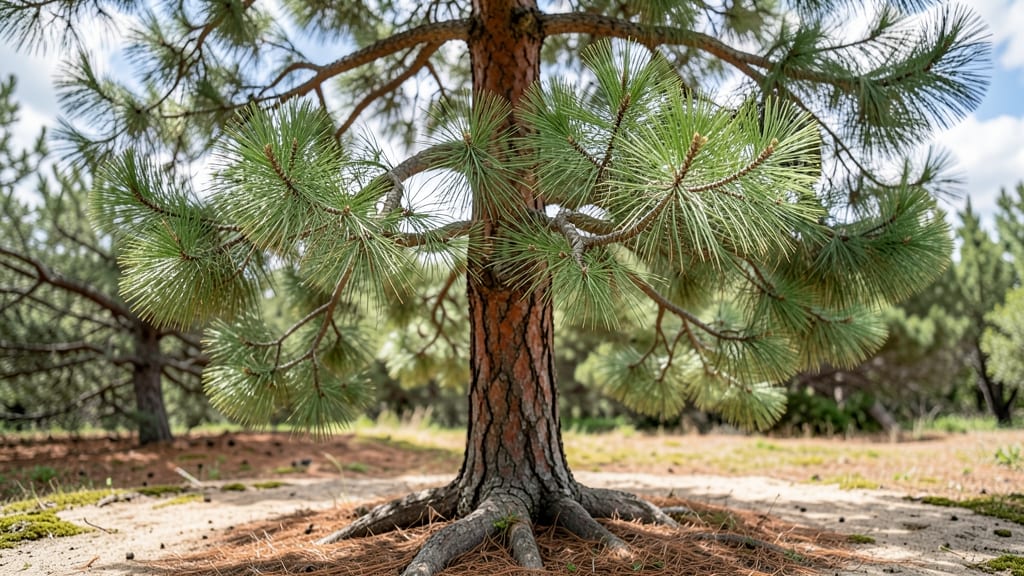
Seeing new growth on pine trees is your tree’s way of saying, "I’m fighting back!" 🌲 After years of sparse branches or brown needles, those fresh green shoots mean your pine is trying to recover—but it needs the right support to thicken into a fuller canopy.
The problem? Often, what looks like recovery is actually the tree’s last-ditch effort to compensate for hidden issues like pine needle scale, fungal diseases, or nutrient stress.
Most people assume new growth means their pine is healthy, but without addressing the root cause—whether it’s sticky sap from scale insects, thinning needles from fungal spots, or compacted soil—those shoots will fizzle out by next spring. The good news?
With targeted pruning, soil amendments, and a few simple checks, you can turn those sparse branches into a lush, vibrant crown. Think of it as giving your pine a second chance at a full, thriving life.
You’ll start by inspecting the needles, bark, and sap flow to pinpoint what’s holding your pine back—is it pests, disease, or just poor soil? Then, we’ll focus on pruning thinning branches to encourage stronger growth while protecting the new shoots you’ve already spotted.
Organic treatments like neem oil or copper fungicide can work wonders, but timing matters: act in early spring or fall when the tree is most receptive.
This isn’t just about making your pine look better—it’s about restoring its health so those new branches stay strong for years. Whether you’re dealing with a mature tree in your yard or a young sapling struggling to take hold, the same principles apply.
Let’s get your pine back to its full, flourishing potential.
📚 In This Guide
- What you need
- Instructions
- Tips and common mistakes
- Wrapping up and next steps
What you need
- ● Pruning shears or loppers – Sharp, clean tools (bypass pruners work best for precision cuts). Size: 6-8" blades for small branches, 10-12" loppers for thicker limbs.
- ● Hand pruners – For delicate trimming of fine branches. Quantity: 1 pair.
- ● Safety gloves – Heavy-duty, cut-resistant gloves to protect hands from sap and sharp edges. Recommended: Nitrile-coated for grip.
- ● Disinfectant (70% isopropyl alcohol or bleach solution) – To sterilize tools between cuts and prevent disease spread. Mix: 1 part bleach to 9 parts water.
- ○ Tree wound sealant (optional but helpful) – Pruning sealant for larger cuts (1 small jar, ~8 oz). Note: Skip for small cuts—pines seal naturally!
- ● Ladder or extension pole – For reaching higher branches safely. Height: Adjustable to 10-15 ft.
- ● Heavy-duty trash bags – For collecting pruned branches. Quantity: 2-3 large bags.
- ● Watering can or hose with spray nozzle – To hydrate trees post-pruning. Capacity: 1-2 gallons.
- ● Fertilizer (slow-release, pine-specific) – Boosts nutrient uptake after pruning. Type: Look for nitrogen-rich, low-phosphorus blends.
- ● Mulch (pine bark or wood chips) – Retains moisture and regulates soil temperature. Spread: 2-3 inches around the base (keep 6" away from trunk).
- ● Pine tree growth stimulator (foliar spray) – Enhances recovery. Example: Seaweed-based or hormone-free options.
- ● Safety goggles – Protects eyes from debris or sap splatter.
Step-by-Step guide to encourage new growth on pine trees
Here's how to nurse your pines back to full, healthy vigor—no fancy tools needed.
🌱 Step 1: Prune Strategically in Late Winter or Early Spring
Timing matters most for pines. Wait until late winter (just before new growth begins) or early spring when the tree is still dormant. This prevents stressing the tree during active growth periods. Focus on removing thin, spindly branches—these are the ones stealing energy from stronger growth.
Use clean, sharp pruning shears to make cuts just outside the branch collar (the swollen area where the branch meets the trunk). Avoid cutting into the trunk itself, as pines heal slowly. If you're dealing with dead branches, they'll snap easily—remove them completely at the base.
☀️ Step 2: Improve Light and Airflow Around the Tree
Pines need full sun (at least 6 hours daily) to produce strong new growth. If your tree is shaded by buildings or taller trees, thin out surrounding foliage to let light reach the canopy. Even partial shade can weaken growth, making branches stretch thinly toward any available light.
Check for overcrowded branches—when limbs rub together, they create wounds that invite disease. Gently spread apart dense growth and prune any crossing branches. This also reduces humidity trapped in the canopy, which helps prevent fungal issues that can stunt new shoots.
💧 Step 3: Water Deeply During Dry Spells
Pines have deep root systems, but new growth needs consistent moisture. Water deeply once a week during dry spells (when the top 6 inches of soil feel dry). A slow soak for 20-30 minutes encourages roots to grow deeper, supporting stronger branches.
Here's the thing—pines hate soggy roots. If your soil drains poorly, amend it with 3-4 inches of organic mulch (like pine bark fines) around the drip line (the edge of the tree's canopy). Keep mulch 6 inches away from the trunk to prevent rot. You'll see new growth respond within 6-8 weeks if moisture is consistent.
✂️ Step 4: Apply a Balanced Fertilizer in Early Spring
Use a slow-release, balanced fertilizer (like 10-10-10) in early spring when new buds begin to swell. Sprinkle ½ cup around the drip line and water it in deeply. Avoid high-nitrogen fertilizers—they promote soft, weak growth that's prone to breakage.
Pines are slow growers, so don't overdo it. Fertilizing once a year is plenty unless your soil is extremely poor. You'll know it's working when you see dark green needles on new shoots by mid-summer—that's your sign the tree is recovering.
🌿 Step 5: Monitor and Protect New Growth
Watch for new candles (the elongated shoots where new needles form). These are fragile—protect them from late frosts by covering the tree with a lightweight frost cloth if temperatures dip below 28°F. Pines can handle cold, but new growth is vulnerable.
If you notice brown needles on new branches, it could mean too much sun (sunburn) or drought stress. Adjust watering or provide afternoon shade until the tree adjusts. Healthy new growth should have bright green, flexible needles—never brittle or yellowing.
Tips & tricks for revitalizing pine trees
Here's what nobody tells you about bringing back thinning pine trees—these are the details that make all the difference.
Timing is Everything: In Step 1, don't rush into pruning! I learned this the hard way after ruining three batches of growth by cutting too early. Wait until late winter when you see the first signs of swelling buds—this is your cue that the tree is ready to bounce back. The dormant season is when pines heal fastest, so timing your cuts right is half the battle.
Pruning Precision: When you're making those cuts in Step 1, focus on the branch collar—the swollen area where the branch meets the trunk. This is the tree's natural healing point. I used to cut flush with the trunk, which created ugly wounds that took years to close. Now I make clean cuts just outside the collar, and the tree seals those wounds in just a few weeks.
Sunlight Strategy: Step 2 isn't just about removing shade—it's about creating the right environment. If your pine is in partial shade, don't just trim nearby trees. Instead, gradually thin them over 2-3 years to give your pine time to adjust. Sudden exposure to full sun can shock the tree, leading to sunburn on new growth. I've seen pines go from struggling to thriving just by giving them that gradual light boost.
Watering Wisdom: That 20-30 minute deep watering in Step 3 is crucial, but here's the thing: timing matters just as much as duration. Water in the early morning so the needles have all day to dry, preventing fungal issues. I used to water in the evening, and my pines would develop brown patches from excess moisture sitting on the needles overnight. Morning watering changed everything.
Pro Tips for New Growth On Pine Trees
- Here's what nobody tells you about bringing back thinning pine trees—these are the details that make all the difference.
- Timing is Everything: In Step 1, don't rush into pruning!
- Pruning Precision: When you're making those cuts in Step 1, focus on the branch collar—the swollen area where the branch meets the trunk.
Frequently asked questions
Got questions about new growth on pine trees?
You’re not alone! Here are answers to the most common concerns—from timing to troubleshooting—so you can nurture a healthier, fuller pine tree with confidence.
When should I expect new growth on my pine tree after pruning?
New growth typically appears 4–8 weeks after pruning, depending on the season and tree health. Spring and early summer are ideal—avoid pruning in late summer or fall, as growth slows in cooler months. Patience is key; some pines (like ponderosa or white pine) may take longer to show visible changes.
Why isn’t my pine tree producing new growth after pruning?
Several factors could stall growth:
- Over-pruning: Never remove more than 25% of the canopy at once—aggressive cuts stress the tree.
- Poor timing: Prune in dormant season (late fall/winter) or early spring for best results.
- Disease/pests: Check for pine beetles, fungal infections, or root rot. Yellow needles or sawdust-like frass are red flags.
- Nutrient deficiency: Amend soil with slow-release fertilizer (high in nitrogen) if growth remains sluggish.
How long does it take for pruned pine branches to fully heal?
Pine trees heal at different rates, but small cuts (under ½ inch) seal within 1–2 weeks. Larger wounds may take 6–12 months to fully close, though the tree continues growing around them. Avoid pruning during wet conditions—moisture slows healing and invites disease. Seal cuts with pruning sealant (optional) for extra protection.
Can I prune my pine tree to encourage thicker, bushier growth?
Yes! To promote density, focus on
- Removing overcrowded branches (especially on the lower third of the tree).
- Trimming crossing or rubbing branches to reduce stress.
- Avoiding "topping" (cutting the main leader)—this stunts growth and weakens the tree.
What’s a good alternative if my pine tree isn’t responding to pruning?
If pruning alone isn’t yielding results, try these complementary steps:
- Improve soil health: Test soil pH (pines prefer acidic, 4.5–6.0) and add organic matter like pine bark mulch.
- Water deeply but infrequently: Pines hate soggy roots—water 1–2 times/week (more in extreme heat) and avoid wetting foliage.
- Consider grafting or propagation: For severely damaged trees, consult a nursery about scion wood grafting (best for ornamental pines).
- Replace if necessary: If the tree is beyond revival, opt for a fast-growing pine variety like Eastern White Pine or Scots Pine for your climate.
Wrapping up and next steps
Discovering new growth on pine trees is a rewarding sign that your tree is bouncing back—and with the right care, you can encourage an even fuller, healthier canopy! 🌲 Whether you’re pruning selectively, nourishing the soil, or protecting young shoots, small efforts make a big difference.
Now that you’re armed with the how-tos and answers to common questions, it’s time to roll up your sleeves and give your pine tree the TLC it deserves.
Start with just one action step this week—whether it’s trimming dead branches, testing your soil, or simply observing for pests. Consistency is key! Over time, your pine will reward you with lush, vibrant growth that enhances your landscape and boosts curb appeal. Happy gardening! 🌿