
Trees
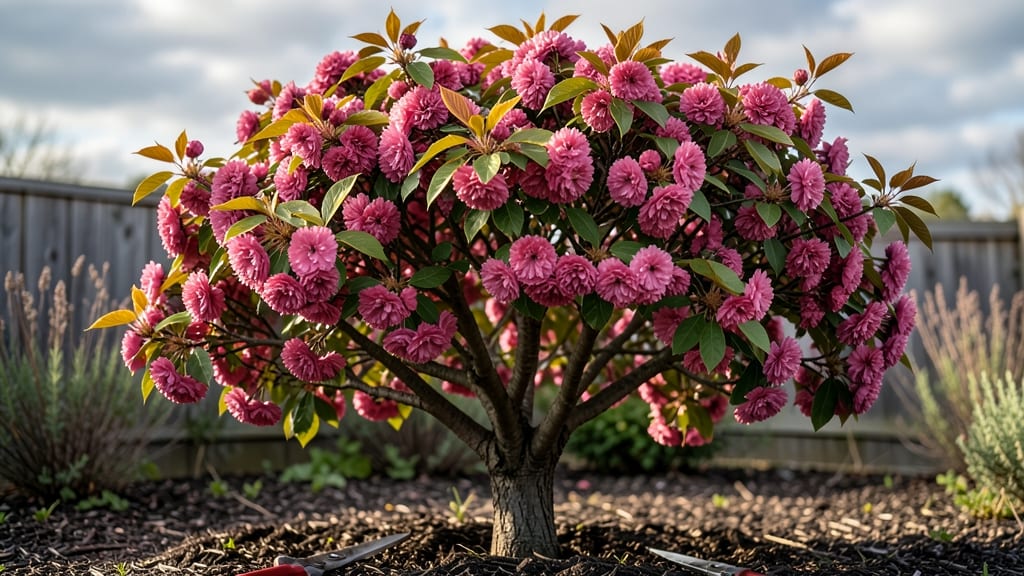
The Okame cherry tree thrives in Florida’s sunshine while handling occasional frost better than most—its delicate pink blooms arrive early, turning your yard into a pollinator magnet by late winter. 🌸 I planted mine in a well-drained spot near the sidewalk, and within two years, it became the neighborhood’s first burst of color after the gray months.
The key isn’t just the planting—it’s the timing: get the roots settled before summer’s heat, and you’ll avoid the stress that kills so many tender trees here.
Florida’s humidity and sandy soils might sound like challenges, but this tree handles both with ease—just mimic its natural habitat by amending your soil with compost and avoiding waterlogged spots. A 5-gallon container at planting gives roots room to establish, and mulching keeps moisture steady without smothering them.
Pruning’s simple: shape in late winter after blooms fade, and you’ll encourage next year’s show without sacrificing flowers.
By spring, you’ll have a 15-foot-tall tree covered in blossoms that hummingbirds and bees can’t resist, all while the glossy leaves provide shade that’s cooler than any other tree in your yard. The trade-off?
Those petals mean cleanup—rake them up before they turn into a mess, and your tree stays healthy for decades. Florida’s heat won’t phase it, and even light frosts just make the blooms more dramatic.
Perfect for urban sidewalks, rural homesteads, or that sunny corner where nothing else survives—this tree proves Florida’s climate isn’t a limitation, just a different set of rules. Let’s get yours growing strong.
📚 In This Guide
- What you need
- Instructions
- Tips and common mistakes
- Wrapping up and next steps
What you need
- ● Pro tip: 💡 Check local Florida-Friendly Landscaping™ guidelines for native soil amendments—some Florida counties have unique requirements!
Step-by-Step guide for planting Okame cherry trees in Florida
Here's how to establish this resilient pollinator magnet in your sunny landscape.
🌱 Step 1: Choose the Perfect Planting Spot
Okame cherries thrive in full sun—select a location receiving at least 6-8 hours of direct sunlight daily. Florida's warm climate means they'll reward you with spring blooms even in cooler microclimates. Avoid low spots where cold air pools, as these trees are hardy to 15°F but perform best when protected from prolonged frost.
Test your soil's drainage by digging a 12-inch deep hole. If water pools after 30 minutes, amend with 2 inches of coarse sand mixed into the native soil. The root system appreciates well-draining conditions—poor drainage leads to root rot, which can kill young trees within weeks.
🪴 Step 2: Prepare the Planting Hole and Amend Soil
Dig a hole twice as wide as the tree's root ball but no deeper. The top of the root ball should sit 1-2 inches above ground level—this prevents waterlogging during Florida's heavy rains. Gently loosen the roots if they're circling tightly in the container.
Mix the excavated soil with 3 inches of organic matter (like compost or aged pine bark). Okame cherries prefer slightly acidic to neutral soil (pH 6.0-7.0). If your soil tests higher, add elemental sulfur per package instructions. The amended soil should feel crumbly when squeezed—like a damp sponge.
☀️ Step 3: Plant and Water for Establishment
Place the tree in the center of the hole, ensuring the root flare (where roots meet trunk) is visible above soil level. Backfill with amended soil, tamping gently every 4 inches to eliminate air pockets. A 4-inch layer of mulch (like pine straw) around the base retains moisture but keep it 6 inches from the trunk to prevent rot.
Water deeply immediately after planting—10 gallons for each 1-inch diameter trunk. The soil should be saturated to 12 inches deep. Over the next 2 weeks, water twice weekly to encourage root spread. Avoid overhead watering; instead, use a soaker hose to prevent fungal diseases common in Florida's humidity.
✂️ Step 4: Prune for Shape and Pollinator Health
Prune newly planted trees only to remove dead or crossing branches. Use clean, sharp pruners to make cuts just outside the branch collar. Okame cherries bloom on new wood, so avoid heavy pruning in winter—focus on shaping in late winter or early spring after blooms fade.
Here's the thing—these trees are pollinator magnets. Leave some weak branches if they're producing flowers; they attract bees and butterflies even if they look imperfect. Thin only to improve air circulation, which reduces fungal issues like powdery mildew that can appear in Florida's wet summers.
Tips & tricks for perfect Okame cherry tree planting in Florida
These pro insights will help you avoid common pitfalls and ensure your frost-resistant pollinator haven thrives for years.
Sunlight Secret: While the instructions specify 6-8 hours of sun, I've found these trees actually perform best with 8+ hours in Florida's intense summer heat. The extra sunlight prevents leggy growth and ensures vibrant spring blooms. If your yard has partial shade, position the tree where it gets morning sun and afternoon shade to balance growth and stress.
Soil Drainage Test: The 30-minute drainage test in Step 1 is critical—don't rush it! I've seen many gardeners give up too soon. If water disappears quickly, you're good. If it's still pooling after 30 minutes, mix in that 2 inches of coarse sand and test again. Okame cherries hate soggy feet, and proper drainage prevents root rot that can kill young trees within weeks.
Mulching Strategy: That 4-inch layer of mulch around your tree is more important than you might think. Spread it evenly but keep it 6 inches from the trunk to prevent rot. I recommend using pine straw or wood chips—both help retain moisture while allowing air circulation. Replenish the mulch annually as it breaks down, especially during Florida's dry seasons.
Pruning Insight: When shaping your tree in late winter, focus on removing branches that cross or rub against each other. These create wounds that attract fungal diseases in Florida's humid climate. Remember, these trees bloom on new wood, so avoid heavy pruning—just shape gently. Leave some imperfect branches if they're flowering; they're pollinator magnets!
Pro Tips for Okame Cherry Tree Florida
- These pro insights will help you avoid common pitfalls and ensure your frost-resistant pollinator haven thrives for years.
- Sunlight Secret: While the instructions specify 6-8 hours of sun, I've found these trees actually perform best with 8+ hours in Florida's intense summer heat.
- Soil Drainage Test: The 30-minute drainage test in Step 1 is critical—don't rush it!
Frequently asked questions
Can Okame cherry trees thrive in Florida’s heat and humidity?
The Okame cherry is a drought-tolerant and heat-resistant variety, making it an excellent choice for Florida’s climate. While it prefers well-drained soil, it handles humidity better than many other cherry trees. Just ensure it gets full sun (6+ hours daily) and occasional watering during dry spells to keep it thriving.
How cold can Okame cherry trees handle in Florida?
One of the biggest perks of Okame cherries is their frost resistance—they can survive temperatures down to 10–15°F (-12 to -9°C), which is rare for cherry trees. In Florida, this means they’re ideal for Zone 7 and warmer, including coastal areas where sudden cold snaps might occur. Just avoid planting in low-lying areas where frost pockets could linger.
When do Okame cherry trees bloom in Florida, and how long does it last?
Okame cherries typically bloom earlier than other cherries, often in late winter to early spring (February–March) in Florida, depending on your exact location. The flowers last 2–3 weeks, offering a spectacular pink display that attracts pollinators like bees and butterflies. Prune after blooming to encourage next year’s flowers!
Are there any alternatives to Okame cherry trees for Florida gardens?
If you love the look of Okame cherries but want even more Florida-friendly options, consider:
- Yoshino cherry (Prunus × yedoensis) – Similar blooms, slightly less cold-hardy but stunning.
- Japanese plum (Prunus salicina) – Drought-tolerant with fragrant flowers.
- Crape myrtle (Lagerstroemia) – Heat-loving and low-maintenance.
What pests or diseases should I watch for with Okame cherry trees in Florida?
Okame cherries are relatively pest-resistant, but keep an eye out for:
- Scale insects – Treat with horticultural oil if detected.
- Leaf spot fungus – Improve airflow and avoid overhead watering.
- Borers – Rare but possible; inspect bark for holes.
Wrapping up and next steps
The Okame cherry tree is a stunning, frost-resistant addition to Florida’s sunny gardens—offering vibrant blooms, year-round interest, and a vital boost for pollinators. Whether you’re a seasoned gardener or just starting, its low-maintenance charm and adaptability make it a dream for landscapes big or small. 🌸
Ready to bring this beauty to your yard? Start by checking local nurseries for young saplings, then plan your planting spot with well-draining soil and full sun. With a little care, you’ll soon enjoy a bountiful, blossom-filled haven that thrives in Florida’s climate!