Pruning
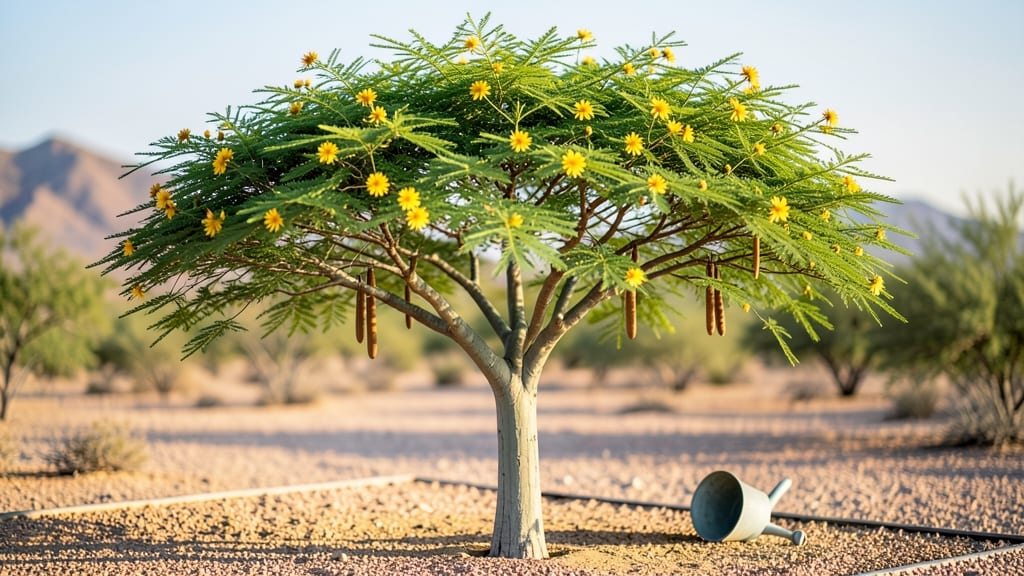
The Palo Verde Desert Museum Tree thrives when you prune it right—this is how you keep it vibrant and blooming all year. I’ve watched mine go from scraggly to showstopping in just a few seasons, and the secret lies in understanding its desert roots.
Unlike most trees, it blooms on new growth, so strategic cuts encourage those bright yellow flowers to pop up even in winter.
You’ll need sharp pruners, a ladder (for taller branches), and a clear day to avoid stressing the tree. The best time to prune is late winter or early spring, right before new growth starts.
This isn’t about shaping—it’s about opening up the canopy so sunlight reaches all those branches and encourages more flowers. Think of it like giving your tree a fresh breath of desert air.
What you’ll end up with is a tree that looks like it belongs in a museum garden—lush, green, and covered in blooms from top to bottom. The flowers attract pollinators, and the open structure lets air circulate, reducing pests.
Plus, it stays compact enough to fit in smaller desert landscapes without overwhelming them. Once you see the difference, you’ll never prune it the old way again.
Works for both young trees and mature specimens, whether you’re maintaining a single specimen or a whole grove. The key is patience—this tree rewards slow, thoughtful cuts over aggressive trimming. Ready to transform yours?
📚 In This Guide
- What you need
- Instructions
- Tips and common mistakes
- Wrapping up and next steps
What you need
- ● Pruning shears: Bypass pruners (for cuts up to ½ inch thick) – sharp, clean, and sterilized to prevent disease.
- ● Loppers: For branches ½ to 2 inches thick – long-handled for reach and comfort.
- ● Pruning saw: For branches over 2 inches thick – curved blade for clean cuts.
- ● Disinfectant: 70% isopropyl alcohol or a 10% bleach solution to sterilize tools between cuts.
- ● Gloves: Heavy-duty, cut-resistant gloves to protect your hands from thorns and debris.
- ● Safety glasses: To shield your eyes from flying branches or sawdust.
- ● Ladder or step stool: Sturdy and non-slip (height depends on tree size).
- ● Heavy-duty trash bags: For collecting pruned branches and debris.
- ○ Marking twine or flags: To tag branches for removal (optional but helpful for planning).
- ● Pruning sealant: Tree wound paint (like Tanglefoot Tree Wound Pruning Seal) to protect large cuts.
- ● Extension pole pruners: For high or hard-to-reach branches.
- ● Work apron: With multiple pockets to keep tools organized.
- ● First-aid kit: Just in case of minor cuts or scrapes.
- ● Camera or sketchbook: To document the tree’s structure before pruning.
How to prune a Palo Verde desert museum tree for lush growth
Here's my go-to approach for keeping your desert museum tree thriving while encouraging vibrant blooms.
Choose the Right Time for Pruning
Late winter or early spring is ideal for your desert museum tree. This timing lets you remove dead wood before new growth begins, giving the tree energy to produce those signature yellow blossoms. Avoid pruning during summer heat or winter dormancy—both stress the tree and reduce bloom potential.
Look for dry, brown branches that snap easily when bent. These are dead and should be removed immediately. Healthy branches will bend slightly before breaking, with green bark underneath. Prune when daytime temperatures stay consistently above 50°F—this ensures the tree can heal quickly without shock.
Remove Dead, Diseased, or Crossing Branches First
Start by cutting out any dead, diseased, or crossing branches. Dead branches are obvious—they're brittle and have no leaves or green bark. Diseased branches may have dark spots, oozing sap, or unusual growths. Use clean, sharp pruning shears to make cuts just outside the branch collar (the swollen area where the branch meets the trunk).
Crossing branches rub against each other, creating wounds that invite pests and disease. Remove the smaller of the two branches to maintain the tree's natural shape. If branches are too large for shears, use a pruning saw—just be sure to make clean cuts to avoid tearing the bark.
Thin the Canopy for Better Airflow and Sunlight
Thin the tree's canopy by removing about 20-30% of the smaller branches to improve airflow and sunlight penetration. Focus on branches growing inward or downward—they compete with the tree's structure and reduce overall health. Start at the outer edges and work your way inward, stepping back occasionally to visualize the tree's shape.
Your goal is to create an open, airy structure that lets sunlight reach the inner branches. This encourages even growth and more abundant blooms. Avoid removing more than 25% of the tree's foliage in one season—this can stress the tree and reduce its ability to produce flowers.
Shape the Tree for Balance and Aesthetics
Now it's time to refine the tree's shape. Palo Verde trees naturally grow with a rounded canopy, so aim to maintain that form while removing any branches that disrupt it. Use your pruning shears to trim back overgrown branches by about one-third of their length, cutting just above a leaf node or lateral branch to encourage new growth.
Step back frequently to check your progress. The tree should look balanced from all sides, with no heavy branches leaning in one direction. Avoid heavy pruning on one side—this can cause the tree to grow unevenly and become top-heavy. If you're unsure, prune conservatively and always leave more for next time.
Clean Up and Monitor for Recovery
After pruning, remove all debris from the ground and sterilize your tools with rubbing alcohol or a bleach solution. This prevents the spread of disease and keeps your tools ready for future cuts. Water the tree deeply to help it recover, especially if you've made large cuts—this encourages new growth and reduces stress.
Monitor the tree over the next few weeks for signs of stress, like wilting leaves or unusual growth patterns. If you see any issues, adjust your care routine by watering more frequently or providing shade until the tree stabilizes. With proper pruning, your desert museum tree will reward you with vibrant blooms and a strong, healthy structure for years to come.
Tips & tricks for pruning your Palo Verde desert museum tree
Pruning your desert museum tree isn't just about cutting branches—it's about giving your tree the best chance to thrive and bloom. These simple tricks will help you avoid common mistakes and keep your tree looking its best.
Timing is Everything: The late winter to early spring window is critical for pruning your Palo Verde tree. This timing aligns with the tree's natural growth cycle, allowing it to recover quickly and focus energy on producing those stunning yellow blossoms. If you prune during summer heat or winter dormancy, you risk stressing the tree and reducing its ability to bloom. I've seen trees that were pruned at the wrong time struggle to produce flowers the following season—don't make that mistake!
Branch Health Check: When evaluating branches in Step 2, pay close attention to the bark and flexibility. Healthy branches should bend slightly before breaking, with green bark underneath. Dead branches will snap easily and have dry, brown bark. For diseased branches, look for dark spots, oozing sap, or unusual growths. I always make a point to sterilize my pruning tools between cuts when dealing with diseased branches to prevent spreading any potential infections.
Canopy Thinning Strategy: In Step 3, when thinning the canopy, focus on removing branches that grow inward or downward—these are the ones competing with the tree's structure. Start from the outer edges and work your way inward, visualizing the tree's shape as you go. Remember, the goal is to create an open, airy structure that allows sunlight to reach all parts of the tree. I like to step back every few minutes to check my progress—it's amazing how much difference this makes in the final appearance of the tree.
Tool Maintenance Matters: After pruning, take the time to properly clean and sterilize your tools. I use a mixture of rubbing alcohol and water to wipe down my pruning shears and saw between cuts, especially when dealing with diseased branches. This simple step prevents the spread of disease and keeps your tools in good working condition. Don't skip this important final step—it's the difference between a healthy tree and one that struggles with infections.
Pro Tips for Palo Verde Desert Museum Tree
- Pruning your desert museum tree isn't just about cutting branches—it's about giving your tree the best chance to thri...
- Timing is Everything: The late winter to early spring window is critical for pruning your Palo Verde tree. This timin...
- Branch Health Check: When evaluating branches in Step 2, pay close attention to the bark and flexibility. Healthy bra...
Frequently asked questions
When is the best time to prune my Palo Verde Desert Museum Tree?
The ideal time to prune is late winter to early spring (February–March) before new growth begins. Avoid pruning during extreme heat or drought, as this can stress the tree. Light trimming to shape or remove dead branches can be done year-round, but heavy pruning should wait for the cooler months.
How much can I trim without harming the tree?
Never remove more than 25% of the tree’s foliage in a single session. Palo Verde trees are resilient, but excessive pruning can weaken the tree or reduce its ability to flower. Focus on removing dead, diseased, or crossing branches first, then lightly shape the canopy. Pro tip: Use sharp, sterilized tools to minimize damage!
Will pruning affect my tree’s beautiful yellow blooms?
Pruning can impact blooms, but strategic cuts encourage healthier growth. Avoid heavy pruning in late winter if you want abundant flowers that spring. Instead, opt for light shaping and remove only dead wood. Blooms typically appear on new growth, so balanced pruning (not over-trimming) supports future floral displays.
Are there any pests or diseases I should watch for after pruning?
Palo Verde trees are generally pest-resistant, but watch for aphids, scale, or bark beetles after pruning wounds. Sterilize tools between cuts to prevent fungal infections like Fusarium wilt. If you notice unusual leaf drop, oozing sap, or wilting, inspect the tree and treat promptly with horticultural oil or fungicide if needed.
Can I prune my Palo Verde in the summer heat?
Pruning in summer (June–August) is not recommended due to extreme desert heat. Open wounds take longer to heal, increasing the risk of infection or sunburn. If you must trim, do so early in the morning or late afternoon, and keep the area well-watered. Save major pruning for the cooler months!
Wrapping up and next steps
The Palo Verde Desert Museum Tree thrives with care, and now you’re equipped to keep it blooming and healthy year-round! 🌿 From seasonal pruning tips to addressing common questions, this guide ensures your tree stays vibrant and resilient. Ready to roll up your sleeves?
Your next step? Schedule a pruning session—whether it’s a light trim in spring or a deeper cut in winter. Observe your tree’s response, adjust as needed, and enjoy the stunning golden blooms and lush foliage it rewards you with! 🌸