
Pruning
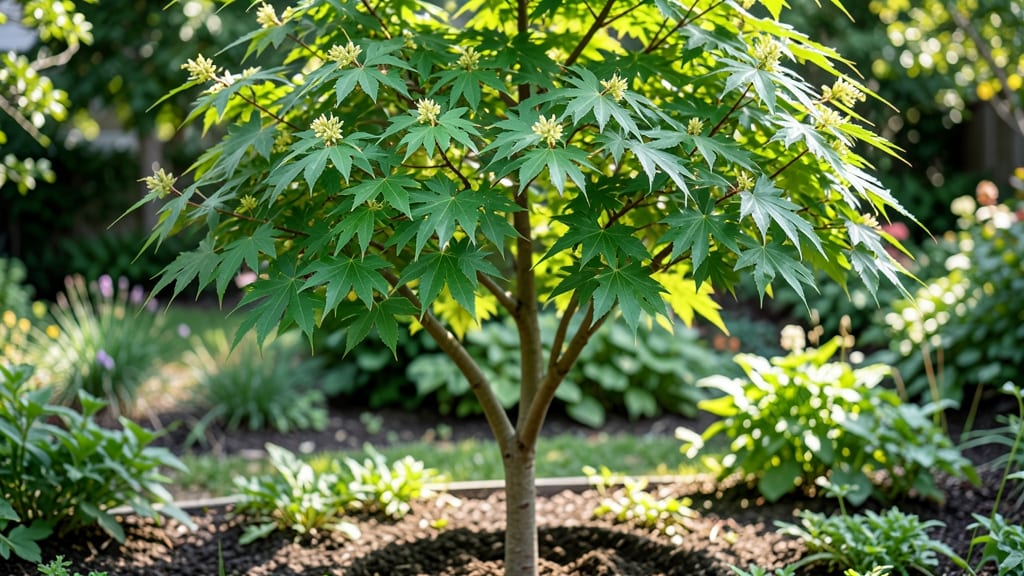
The parlor maple tree (Acer buergerianum) brings Pacific Northwest charm indoors and out—its delicate leaves shift from vibrant green to fiery red, even in winter. I’ve grown mine for five years, and it’s the only plant that keeps my space lively year-round without needing constant attention.
The secret lies in mimicking its natural habitat: bright, indirect light and consistent moisture without soggy roots.
This tree thrives in partial shade to bright indirect light, making it perfect for east- or north-facing windows or shaded outdoor spots. Well-draining, slightly acidic soil keeps roots happy, and a 5-7 gallon pot works well for indoor growth.
Prune in late winter to shape it and encourage bushier growth—just avoid heavy cuts, or you’ll sacrifice those stunning fall colors.
By summer, you’ll see fresh green leaves unfurling, followed by autumn’s bold reds and oranges that last well into winter. The best part? It’s drought-tolerant once established, so once you nail the watering rhythm, it’s nearly foolproof.
Whether you’re growing it as a houseplant or a small outdoor accent, this tree delivers drama with minimal fuss.
For propagation, stem cuttings in spring root easily in water, while seeds take patience—germination can take months. Adjust watering in winter when indoor air dries out, and watch it reward you with year-round interest. The Pacific Northwest’s favorite indoor tree deserves a spot in every home.
📚 In This Guide
- What you need
- Instructions
- Tips and common mistakes
- Wrapping up and next steps
What you need
- ○ Pruning shears: Bypass pruners (sharp, clean, and sterilized with rubbing alcohol to prevent disease). Optional: Loppers for thicker branches (1–2 inches in diameter).
- ● Hand pruners: For delicate trimming (e.g., shaping small branches).
- ● Pruning saw: Only if needed for stubborn, thick branches (e.g., 2+ inches).
- ● Gloves: Heavy-duty gardening gloves (protects from thorns and sap).
- ● Disinfectant: 70% isopropyl alcohol or a store-bought pruning sealant (e.g., Tanglefoot Pruning Seal).
- ● Ladder: Extension ladder (if your tree is taller than 6 feet). Safety first! Use a stable, non-slip ladder with a spotter.
- ● Trash bags: Heavy-duty bags (2–3) for debris cleanup.
- ● Hose or bucket: For rinsing tools and wiping sap off cuts.
- ○ Best time to prune: Late winter or early spring (before new growth starts). Optional: Light shaping can be done in summer, but avoid heavy pruning then.
- ● Weather: Choose a dry, overcast day to reduce stress on the tree.
- ● Safety gear: Eye protection (goggles) and long sleeves/pants to avoid scratches.
- ● Tree health check: Inspect for diseased or dead branches (they’ll snap easily—remove these first!).
How to grow and maintain a thriving parlor maple tree
This elegant small tree brings vibrant color indoors year-round—here's how to keep it healthy and happy.
Choose the Right Location for Light and Humidity
Place your parlor maple near a bright, east- or north-facing window where it receives 4-6 hours of indirect sunlight daily. Direct afternoon sun can scorch its delicate leaves, so avoid south- or west-facing exposures unless filtered through sheer curtains. The Pacific Northwest's cloudy days make indoor light conditions nearly ideal for this shade-tolerant tree.
This tree thrives in 50-70% humidity—common indoor air can be too dry. Group it with other houseplants or use a pebble tray filled with water beneath the pot to create a microclimate. You'll notice leaves curling or browning at the edges when humidity drops below 40%, signaling it's time to increase moisture around the plant.
Water Consistently Without Overdoing It
Water your parlor maple when the top 1-2 inches of soil feel dry to touch, typically every 7-10 days. Stick your finger in the soil—if it's damp past your first knuckle, wait another day or two. Overwatering is the most common mistake with this tree, leading to root rot that appears as yellowing leaves and mushy stems.
Use room-temperature water and water thoroughly until it drains from the bottom of the pot. Empty the saucer after 10 minutes to prevent soggy roots. In winter, when indoor heating dries the air, you may need to water slightly more frequently—watch for the soil drying faster than usual.
Provide Gentle Care for Leaf Health and Growth
Wipe the leaves every 2-4 weeks with a damp microfiber cloth to remove dust that blocks light absorption. This simple maintenance keeps the foliage vibrant and helps the tree photosynthesize efficiently. Real talk: I used to skip this step until I noticed the leaves losing their glossy finish—now I make it part of my monthly plant routine.
Fertilize lightly during spring and summer using a balanced liquid fertilizer diluted to half-strength every 4-6 weeks. Avoid fertilizing in fall and winter when the tree enters its natural dormancy period. You'll see new growth emerging within 2-3 weeks after fertilizing if the plant is healthy and happy.
Prune and Repot for Long-Term Vitality
Prune in early spring to shape the tree and remove any yellow or damaged leaves. Use clean, sharp pruning shears to make cuts just above a leaf node. This encourages bushier growth and prevents the tree from becoming top-heavy. Don't prune more than one-third of the foliage at a time—this can stress the plant.
Repot every 2-3 years in spring when the roots begin circling the pot. Choose a container only 1-2 inches larger in diameter than the current one. The parlor maple prefers being slightly root-bound, which helps maintain its compact size. After repotting, place the tree in a shaded area for 1-2 weeks to reduce transplant shock.
Tips & tricks for perfect parlor maple care
Keeping your parlor maple thriving takes a few key tricks—here's what I've learned after watching mine go from struggling to showstopper.
Lighting Strategy: In Step 1, that 4-6 hours of indirect light is non-negotiable, but here's the thing: if you notice leaves losing their vibrant red tones, rotate your tree every 2-3 weeks. This ensures even growth and prevents one side from stretching toward the light. I also recommend supplementing with a grow light during winter months when natural daylight diminishes—just 6 hours of LED grow light at night can make all the difference.
Humidity Hacks: When humidity drops below 40% (which happens fast with indoor heating), I've found that placing the pebble tray on a layer of gravel works better than just water. The extra surface area increases evaporation, creating more moisture around the plant. You'll know it's working when new leaves emerge with that signature glossy finish instead of crispy edges.
Watering Wisdom: The finger test in Step 2 is foolproof, but here's what nobody tells you—tap the pot gently before sticking your finger in. If it feels light, it's definitely time to water. Also, in winter, I increase my watering frequency to every 5-7 days because forced air heating dries the soil faster. The key is consistency: better to water slightly more often than let the soil become bone dry.
Fertilizer Timing: That 4-6 week spring/summer schedule works, but here's my pro move: I start fertilizing in early March when I notice new growth beginning, and stop by late August. The 2-3 week window for visible results gives you perfect timing for summer's rapid growth phase. And if you see brown tips after fertilizing, it's a sign you're overdoing it—flush the soil with water to remove excess salts.
Pro Tips for Parlor Maple Tree
- Keeping your parlor maple thriving takes a few key tricks—here's what I've learned after watching mine go from struggling to showstopper.
- Lighting Strategy: In Step 1, that 4-6 hours of indirect light is non-negotiable, but here's the thing: if you notice leaves losing their vibrant red tones, rotate your tree every 2-3 weeks.
- Humidity Hacks: When humidity drops below 40% (which happens fast with indoor heating), I've found that placing the pebble tray on a layer of gravel works better than just water.
Frequently asked questions
Got questions about keeping your parlor maple tree thriving? Here are answers to common concerns from PNW gardeners!
How often should I prune my parlor maple?
Prune your parlor maple once a year during early spring (before new growth) or late winter. Light shaping can happen anytime, but avoid heavy cuts in fall—this helps prevent winter dieback. Pro tip: Use sterilized tools to avoid disease!
Why are the leaves turning yellow?
Yellow leaves often signal overwatering or nutrient deficiency. Check soil moisture—parlor maples prefer well-draining soil. If roots stay soggy, repot or adjust watering. Yellowing edges? It could be underwatering or low humidity (common in dry PNW winters).
Can I grow a parlor maple indoors?
They thrive indoors with bright, indirect light (like near a north-facing window). Keep humidity high (mist leaves or use a pebble tray) and avoid drafts. Warning: Watch for spider mites—dust leaves regularly to prevent infestations.
How cold-hardy is this tree?
Parlor maples tolerate temps down to 15–20°F (-9 to -7°C), but prolonged cold snaps may damage leaves. In harsh PNW winters, mulch the base and group plants together for wind protection. If potted, move indoors before freezing temps hit!
What’s a good alternative if I want a smaller tree?
Try Japanese maple (Acer palmatum) or dwarf Korean maple—both offer vibrant colors and compact growth. For year-round interest, boxwoods or dwarf inkberry hollies are also low-maintenance picks. Match your climate and light needs!
Wrapping up and next steps
The parlor maple tree is the Pacific Northwest’s secret weapon for year-round beauty—its vibrant foliage, adaptability, and low-maintenance care make it a standout choice for any garden. Whether you’re pruning for shape, health, or seasonal color, these tips ensure your tree thrives for decades to come.
Ready to turn your outdoor space into a showstopper? 🌿 Grab your tools, follow the steps, and watch your parlor maple shine brighter than ever! Next up: Check out seasonal care tips or explore companion plants to elevate your garden’s charm.