
Trees
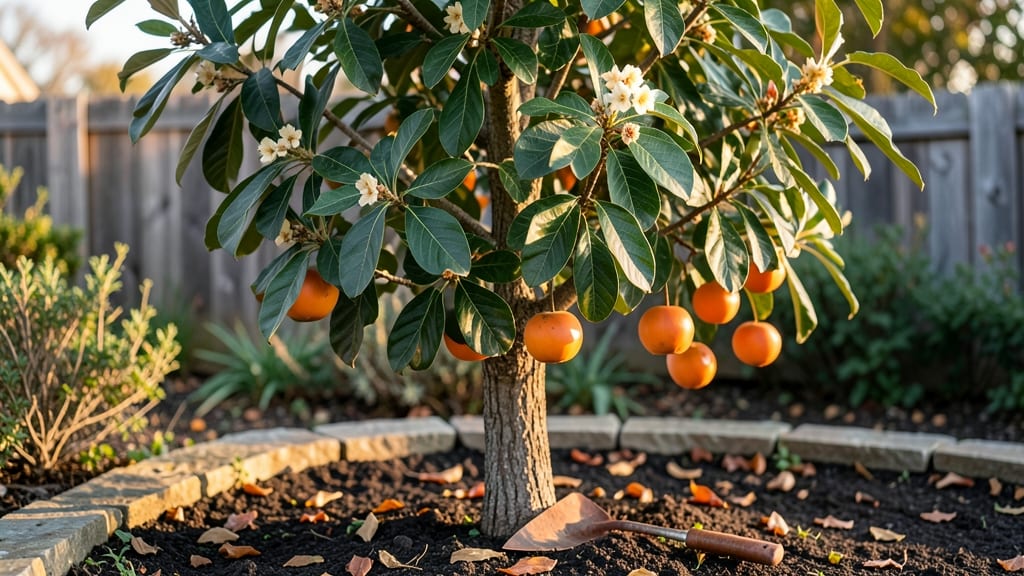
Your persimmon tree leaves are more than just foliage—they’re the secret ingredient for a fragrant, caffeine-free tea blend that tastes like autumn in a cup. 🌿 I’ve harvested leaves from both American and Asian varieties, and the subtle sweetness (especially when picked after a light frost) makes them perfect for brewing.
But before you steep, you’ll want to check for common issues like yellowing from nutrient deficiencies or those telltale brown spots from anthracnose.
Start with healthy leaves—avoid any with holes, curling, or sticky residue (a sign of pests like aphids). For brewing, harvest young, tender leaves in late summer or early fall, then dry them thoroughly to preserve flavor.
A simple mix of dried persimmon leaves, chamomile, and a touch of honey creates a soothing tea that’s both earthy and refreshing. The key? Proper leaf care keeps your tree thriving and your harvest bountiful.
📚 In This Guide
- What you need
- Instructions
- Tips and common mistakes
- Wrapping up and next steps
What you need
- ● Persimmon tree leaves: 1–2 cups (fresh, organic, and pesticide-free). Harvest from mature trees in late spring to early summer for peak flavor.
- ● Clean water: 2 cups (filtered or spring water for best taste).
- ● Tea strainer or fine mesh sieve: 1 (to remove leaf debris).
- ● Heat source: Stovetop kettle, electric tea infuser, or a thermos for cold brewing.
- ● Pruning shears or gloves: 1 pair (for safe leaf harvesting).
- ○ Cutting board & sharp knife: (Optional, for trimming stems if needed).
- ○ Air-tight container: (Optional, for storing dried leaves if making a batch).
- ○ Sweetener/honey: (Optional, 1 tsp max—persimmon leaves have a naturally sweet, astringent taste!).
- ● Confirm the tree is non-toxic (American persimmons, Diospyros virginiana, are safe; avoid Asian persimmons if unsure).
- ● Harvest leaves away from roads to avoid contaminants.
- ● Test a small batch first if you’re new to wild foraging!
Step-by-Step guide for harvesting persimmon leaves safely
Here's how to gather and prepare leaves for tea—without harming your tree.
🌿 Step 1: Identify and Select Healthy Leaves
Persimmon trees (Diospyros virginiana) produce edible leaves, but only from non-toxic varieties like American persimmon. Harvest leaves in late spring or early summer when they're fully mature but not brittle. Avoid leaves near the ground—they may have picked up contaminants.
Look for vibrant green leaves with smooth edges and no brown spots. Young, tender leaves make the best tea. I like to pick leaves from the mid-canopy where sunlight exposure is ideal. Skip any leaves with holes or yellowing—those indicate stress or pest damage.
🌿 Step 2: Harvest Leaves Properly to Protect the Tree
Use clean, sharp scissors or pruning shears to snip leaves at their base. Never tear leaves—this damages the plant and invites disease. Harvest no more than one-third of the foliage from any branch to avoid stressing the tree.
Work from the top down, moving outward from the center of the tree. This encourages new growth at the tips. I collect leaves in a breathable mesh bag or paper towel to prevent bruising. If you're harvesting from multiple trees, sanitize your tools between each with rubbing alcohol.
💧 Step 3: Clean and Prepare Leaves for Brewing
Rinse leaves under cool running water to remove dust and debris, then pat them dry with a clean kitchen towel. Spread them on a baking sheet lined with parchment paper. Let them air-dry completely in a dark, well-ventilated area for 3-5 days—until they're crisp and brittle to the touch.
Here's the thing—don't skip the drying step. Fresh persimmon leaves can be bitter and cause stomach upset. Once fully dried, store leaves in an airtight glass jar away from direct sunlight. Properly dried leaves will keep for up to 6 months while retaining their flavor.
☀️ Step 4: Brew Your Persimmon Leaf Tea
Use 1 teaspoon of dried leaves per 8 ounces of hot water. Steep leaves in water just below boiling (195°F) for 5-7 minutes. The longer you steep, the stronger (and more bitter) the tea becomes.
Strain the leaves through a fine mesh sieve or cheesecloth. For a smoother flavor, I like to add a touch of honey or lemon. Start with small amounts—persimmon leaves have a mild astringent taste that can be an acquired flavor. Drink fresh for best results.
Tips & tricks for perfect persimmon leaf tea
Here's what I've learned from years of harvesting and brewing persimmon leaves—these little details make all the difference.
Timing Secret: When harvesting in Step 1, aim for mid-morning after the dew has dried but before the heat of midday. Leaves picked at this time release their essential oils more readily, giving your tea a fresher flavor. I've noticed the astringency is noticeably milder when leaves are harvested this way.
Harvesting Technique: In Step 2, use a pair of clean, sharp pruning shears to make clean cuts at the leaf stem. This prevents tearing that can damage the plant and makes the leaves easier to handle during cleaning. I've ruined several batches by tearing leaves—they bruise quickly and turn bitter during drying.
Drying Strategy: For Step 3, create airflow by propping open a window or using a small fan on low setting near your drying leaves. This speeds up the 3-5 day drying process while preventing mold. I've had to discard entire batches when humidity trapped the leaves too long—now I always use this trick.
Brewing Tip: When you reach Step 4, use a thermometer to monitor water temperature. At exactly 195°F, you'll achieve the perfect balance between extracting flavor without oversteeping. I've found that water boiling at 212°F can make the tea bitter too quickly, so keeping it just below boiling is key.
Pro Tips for Persimmon Tree Leaves
- Here's what I've learned from years of harvesting and brewing persimmon leaves—these little details make all the difference.
- Timing Secret: When harvesting in Step 1, aim for mid-morning after the dew has dried but before the heat of midday.
- Harvesting Technique: In Step 2, use a pair of clean, sharp pruning shears to make clean cuts at the leaf stem.
Frequently asked questions
When is the best time to harvest persimmon tree leaves for tea?
The ideal time to harvest persimmon leaves is in the early morning after the dew has dried but before the sun reaches peak intensity (around 8–10 AM). Aim for spring or early summer when leaves are young, tender, and free of pests. Avoid harvesting after heavy rain or pesticide use to ensure safety and flavor.
Can I use dried persimmon leaves instead of fresh ones for tea?
Yes! Dried persimmon leaves work well for tea, but they should be harvested and dried properly to preserve flavor and nutrients. Hang leaves upside down in a dark, well-ventilated area for 1–2 weeks or use a dehydrator at 95°F (35°C). Store in an airtight container away from light. Dried leaves can be steeped like fresh ones but may require slightly longer steeping (3–5 minutes).
Are there any persimmon leaves I should avoid using?
Avoid using leaves that are yellowing, wilted, or damaged by pests (like aphids or mites), as they can affect taste and safety. Also, skip leaves from trees treated with chemical pesticides—opt for organic or untreated trees instead. If you’re unsure, rinse leaves thoroughly with filtered water before use.
How do I store harvested persimmon leaves for later use?
For short-term storage (up to 1 week), refrigerate fresh leaves in a sealed container with a paper towel to absorb moisture. For long-term storage (months), dry them completely (as mentioned above) and keep in a cool, dark place or freezer. Label your storage containers to track harvest dates—freshness matters for flavor!
What if my persimmon tea tastes bitter? How can I fix it?
Bitterness often comes from over-steeping or using older leaves. Try these fixes:
- Reduce steeping time: Start with 2–3 minutes for fresh leaves or 3–4 minutes for dried.
- Use younger leaves: Harvest from new growth for a milder flavor.
- Add sweeteners or herbs: A touch of honey, cinnamon, or mint can balance bitterness.
- Rinse leaves first: If using dried leaves, rinse briefly in hot water before steeping to remove tannins.
Wrapping up and next steps
From harvesting lush persimmon leaves to brewing a fragrant, health-boosting tea, you’ve unlocked a simple yet rewarding way to savor nature’s bounty! 🌿 These vibrant leaves aren’t just ornamental—they’re packed with antioxidants, vitamins, and a unique earthy flavor that makes every sip feel like a gift from the garden.
Whether you’re a seasoned herbalist or a curious beginner, your newfound knowledge turns a backyard staple into a delicious daily ritual.
Ready to take the next step? Experiment with blends—pair persimmon leaves with mint, chamomile, or citrus peels to create your signature tea. Share your creations with friends or even start a small harvest journal to track seasonal changes.
The world of edible leaves is vast, and you’ve just scratched the surface! ☕✨