
Pruning
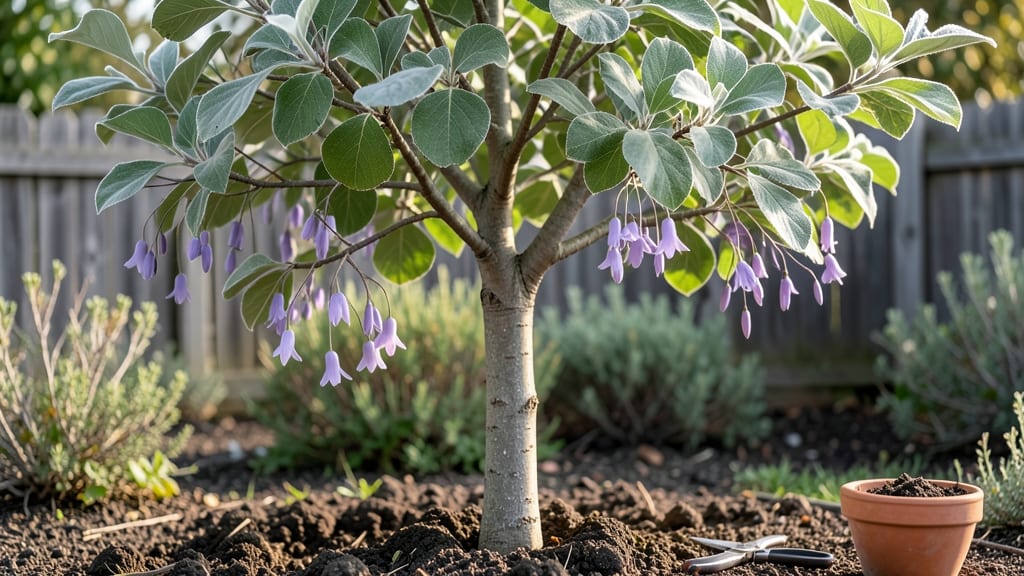
The Phoenix One Royal Empress Tree thrives when you prune it right—this frost-resistant variety rewards precise cuts with lush, year-round growth. I’ve learned the hard way that skipping pruning leads to leggy stems and sparse foliage, but mastering the technique transforms this plant into a bold statement piece.
The key lies in understanding its natural growth patterns and when to intervene without stressing the plant.
This tropical stunner handles indoor spaces beautifully but also tolerates outdoor conditions in warmer climates, making it a versatile choice. You’ll need sharp pruners, a clean workspace, and a plan to shape it—whether you prefer a bushy form or a single-trunk focal point.
The best part? Pruning in late winter or early spring encourages fresh, vibrant growth just as the growing season kicks off.
With the right approach, you’ll end up with a thriving tree that stays compact, dense, and full of rich, deep-green leaves. The secret is cutting just above a leaf node and avoiding over-pruning, which can weaken the plant.
Once you nail the technique, your Royal Empress Tree will reward you with bold, healthy growth that outshines any store-bought alternative.
Works equally well for beginners learning pruning basics and seasoned gardeners refining their skills. Whether you’re shaping it indoors or prepping it for outdoor placement, this method keeps your tree looking its best year after year.
📚 In This Guide
- What you need
- Instructions
- Tips and common mistakes
- Wrapping up and next steps
What you need
- ● Bypass Pruners: Sharp, high-quality pruners (e.g., Felco F-2 or Corona) – 1 pair (sterilized with rubbing alcohol).
- ● Loppers: For thicker branches (1.5"–2" diameter) – 1 pair (long-handled for reach).
- ● Hand Saw: Pruning saw with a fine-tooth blade – 1 (for stubborn branches).
- ● Rubbing Alcohol (70%+) or Bleach Solution: For sterilizing tools – small bottle.
- ● Garden Gloves: Cut-resistant, breathable (e.g., Mechanix or Felco) – 1 pair.
- ● Disposable Pruning Bags: Heavy-duty (10–20 gallon) – 2–3 bags (for debris).
- ○ Tree Wrap or Pruning Sealant: (Optional but helpful for larger cuts) – 1 roll/tube.
- ● Thermal Blanket or Frost Cloth: (For post-pruning protection in cold snaps) – 1–2 sheets.
- ● Anti-Transpirant Spray: (e.g., Wilt-Pruf) – 1 bottle (reduces stress post-prune).
- ○ Moisture Meter: (Optional) – 1 (to check soil hydration before pruning).
Step-by-Step guide for pruning a phoenix one Royal Empress tree
Here's how I maintain this resilient tree's shape and vigor through every season.
Assess Growth and Identify Pruning Zones
Start by examining the tree in early spring before new growth begins. Look for dead, diseased, or crossing branches—these are your first targets. The Royal Empress responds well to strategic cuts, so focus on removing weak or inwardly growing limbs that compete for sunlight and air circulation. Use a sharp pruning saw for branches thicker than ½ inch and bypass pruners for smaller ones.
Mark branches to remove with a piece of tape or chalk—this prevents over-cutting in the moment. Healthy growth appears as green, flexible branches with buds along their length. Avoid cutting into old wood (brown, brittle stems) unless absolutely necessary, as this tree struggles to regenerate from severe cuts.
Make Clean Cuts at the Right Angles
For branches thicker than 1 inch, cut just outside the branch collar (the swollen area where the branch meets the trunk). Make a 45-degree downward cut on the underside of the branch, then a horizontal cut above to remove the weight. This prevents tearing and promotes faster healing. For thinner branches, a single cut at the collar suffices.
Never leave stubs—this invites rot and weakens the tree. If a branch is too large to cut in one motion, make the first cut underneath to control the branch's fall, then trim flush with the collar. After pruning, disinfect your tools with 70% isopropyl alcohol to prevent spreading disease between cuts.
Thin the Canopy for Airflow and Light
Step back and visualize the tree’s shape—aim for an open, vase-like structure that allows sunlight to reach the center. Remove up to 25% of the canopy in one session to avoid shocking the tree. Focus on branches growing toward the center or upward, as these block light and airflow. The Royal Empress thrives with filtered sunlight, so don’t over-thin.
Watch for water sprouts (fast-growing, vertical shoots) and suckers (shoots at the base)—these drain energy. Cut these back to the ground immediately. After thinning, the tree should show new green growth within 4-6 weeks if pruned correctly. If you see no response, you may have over-pruned.
Prepare for Frost and Winter Dormancy
In late fall, reduce pruning to light maintenance only. Remove only dead or broken branches, as the tree enters dormancy and new cuts won’t heal well. Apply a 2-inch layer of mulch around the base (but not touching the trunk) to insulate roots. The Royal Empress tolerates light frosts down to 15°F, but younger trees benefit from burlap wraps on trunks in extreme cold.
Water deeply before the first hard freeze to encourage root hardness. Avoid heavy pruning in winter—wait until late winter or early spring when buds swell but before leaves emerge. This timing ensures the tree doesn’t waste energy on new growth during cold months.
Monitor and Adjust Through the Seasons
Check the tree monthly for signs of stress: yellowing leaves, wilting branches, or unusual growth patterns. These often signal over-pruning or pest issues. The Royal Empress recovers well, but severe cuts may take 1-2 years to fill out again. If you notice brown, crispy edges on leaves, it’s a sign of winter burn—prune back affected branches in spring.
In summer, prune only to shape or remove damaged limbs. Avoid heavy cuts, as the tree focuses energy on leaf production. By late summer, you’ll see new growth at the tips of pruned branches—this confirms the tree is responding well. If growth stalls, reduce watering slightly, as overhydration in hot months can stress roots.
Tips & tricks for pruning a phoenix one Royal Empress tree
Mastering the art of pruning this frost-resistant beauty transforms it from a mere ornamental plant into a thriving centerpiece. Here's what I've learned from years of shaping Royal Empresses—tricks that keep them healthy and stunning year after year.
Seasonal Timing Strategy: The early spring timing in Step 1 is non-negotiable for this tree. That's when buds swell but leaves haven't emerged yet—the perfect window to see exactly what you're working with. I've seen too many gardeners prune in fall and end up with winter dieback. If you must prune outside this window, late winter when buds are visible but still closed is your next best option.
Cutting Technique Precision: When making those critical cuts in Step 2, think of the branch collar as your guidepost—it's nature's way of telling you exactly where to stop. I've made the mistake of cutting too close to the trunk before, and it took this resilient tree nearly two growing seasons to recover. For branches over 1 inch, that two-cut method really works—start with the underside cut to control the branch's fall, then make your clean horizontal cut above. It might seem fussy, but it prevents tearing and speeds up healing dramatically.
Canopy Management Insight: The 25% canopy reduction limit in Step 3 isn't arbitrary—it's based on how much stress this particular variety can handle. I've watched Royal Empresses bounce back beautifully from careful pruning, but when I've pushed beyond that limit, the tree's responded with stunted growth for an entire season. Think of it as giving your tree a spa day—just enough to refresh without overwhelming it. And those water sprouts? They're energy vampires. Cut them back immediately to redirect that growth energy where you want it.
Pro Tips for Phoenix One Royal Empress Tree
- Mastering the art of pruning this frost-resistant beauty transforms it from a mere ornamental plant into a thriving centerpiece.
- Seasonal Timing Strategy: The early spring timing in Step 1 is non-negotiable for this tree.
- Cutting Technique Precision: When making those critical cuts in Step 2, think of the branch collar as your guidepost—it's nature's way of telling you exactly where to stop.
Frequently asked questions
Got questions about keeping your Phoenix One Royal Empress Tree thriving through frost and pruning? Here are some of the most common ones—and their answers!
How cold can a Phoenix One Royal Empress Tree tolerate before frost damage occurs?
The Phoenix One Royal Empress Tree is one of the most frost-resistant dracaenas, handling temperatures down to 25–28°F (-4 to -2°C) with minimal damage. However, prolonged exposure below 20°F (-7°C) can cause browning fronds or dieback. If frost is forecasted, prune back damaged growth in spring and mulch the base for extra protection.
When is the best time to prune my Royal Empress Tree after frost damage?
Wait until late spring or early summer (after the last frost) to prune. This gives the tree time to recover and ensures new growth isn’t exposed to cold. Never prune in winter—the tree is dormant, and cuts won’t heal properly. Use sterilized shears to avoid disease.
Can I prune healthy branches to encourage bushier growth, or should I only trim damaged ones?
You can lightly prune healthy branches to shape the tree or promote fuller growth, but avoid over-trimming. Focus on removing 10–15% of the foliage max per session. For bushier growth, trim just above a leaf node (where leaves meet the stem), and fertilize afterward to support new shoots.
What should I do if my Royal Empress Tree’s leaves turn brown or crispy after frost?
Brown, crispy leaves are a sign of frost damage. Don’t panic! Trim affected fronds back to green tissue (about ½ inch above the browning) using clean, sharp shears. Increase watering slightly until new growth appears, and avoid fertilizing until the tree shows signs of recovery. Yellow leaves, however, may indicate nutrient deficiency rather than frost.
Are there frost-resistant alternatives to the Phoenix One Royal Empress Tree?
If you love the Royal Empress but want even more cold hardiness, consider these dracaena varieties:
- Dracaena marginata (Dragon Tree) – Tolerates 20°F (-7°C) with protection.
- Dracaena sanderiana (Lucky Bamboo) – Hardy to 30°F (-1°C) in containers.
- Yucca elephantipes – Survives 15°F (-9°C) and thrives in similar conditions.
Wrapping up and next steps
The Phoenix One Royal Empress Tree thrives with the right frost-resistant pruning—now you’ve got the blueprint! 🌿 By mastering timing, tools, and techniques, you’ll keep this stunning tree vibrant year-round. Remember, confidence in pruning comes with practice, so don’t hesitate to start small and observe progress.
Ready to elevate your tree’s health? Grab your pruners and schedule that first trim! Your Royal Empress Tree will thank you with lush foliage and resilience for seasons to come.