
Lawn
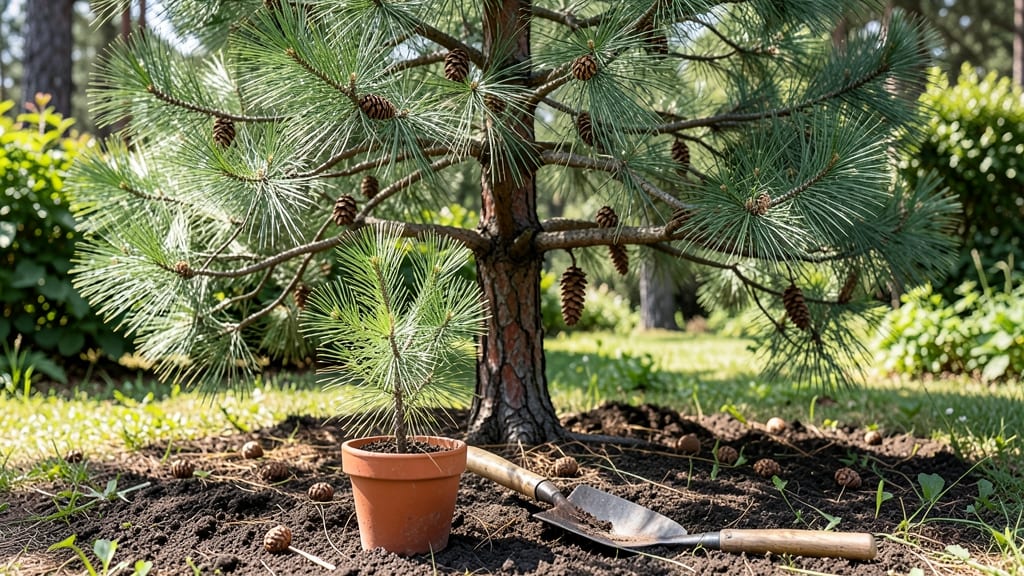
Growing pine tree seeds into frost-resistant saplings in 30 days starts with the right approach—because those little winged seeds packed with potential need a little help to wake up. 🌲 I’ve struggled with pine seeds before, watching them sit dormant for months when they should’ve been sprouting, but I finally cracked the code with a simple trick: stratification.
This isn’t magic—it’s mimicking nature’s way of breaking seed dormancy by giving them a cold, moist period before planting.
The key to success lies in three things: fresh seeds (or properly stored ones), a mix of sand and peat moss for drainage, and patience—though the wait is worth it. You’ll need a clear plastic bag, a bit of moisture, and a refrigerator for the cold treatment.
Once the seeds germinate, they’ll need bright light and consistent moisture to grow into sturdy saplings ready to handle frost. The process might seem slow, but those first green shoots emerging after just a few weeks make it all worthwhile.
By the end of a month, you’ll have tiny pine seedlings with strong roots and needle clusters, ready to be transplanted into the ground. These little trees won’t just survive winter—they’ll thrive, growing into the kind of evergreens that add year-round structure to your yard.
The best part? You’ll have done it all from a handful of seeds that cost almost nothing.
This method works for most common pine species, from Eastern White Pine to Scotch Pine, though some may take a little longer to germinate.
If you’re starting with fresh pine cones, collect them in fall and let them dry out before extracting the seeds—just don’t skip the cold treatment, or you’ll be waiting much longer for results. Let’s get those seeds sprouting!
📚 In This Guide
- What you need
- Instructions
- Tips and common mistakes
- Wrapping up and next steps
What you need
- ● Pine tree seeds: 50–100 seeds (ensure they’re fresh or cold-stratified for best germination).
- ● Seed-starting mix: 2–3 lbs of sterile, well-draining potting soil (or coco coir for organic preference).
- ● Seed trays or small pots: 2–4" deep, with drainage holes (10–20 trays/pots, depending on seed quantity).
- ● Clear plastic domes or plastic wrap: To create a humidity tent (or a spray bottle for misting).
- ● Grow lights or sunny windowsill: 12+ hours of light daily (LED grow lights work best for indoor setups).
- ● Watering can or spray bottle: With a fine mist nozzle (to avoid disturbing seeds).
- ○ Fertilizer (optional but helpful): A balanced, water-soluble fertilizer (5-5-5 or 10-10-10 NPK ratio, diluted to half-strength).
- ● Gloves: To protect hands from pine resin (nitrile gloves work best).
- ● Small shovel or trowel: For transplanting seedlings (if moving outdoors later).
- ○ Thermometer (optional): To monitor soil temperature (ideal germination range: 60–75°F).
- ● Cold-stratification setup (if needed): Refrigerator with a humidity tray, or
- ● A sealed plastic bag with damp paper towels (store seeds for 30–60 days at 35–40°F).
- ● Outdoor space (for transplanting): Partial shade to full sun, with well-draining soil (pH 5.0–6.5).
- ● 🌡️ Temperature control: Pine seeds germinate slowly—patience is key! Keep soil consistently moist but not soggy.
- ● ✨ Lighting hack: If using natural light, rotate trays daily for even growth.
- ● 🔥 Transplant timing: Wait until seedlings have 2–3 true needles before moving them outdoors (after last frost date).
Step-by-step instructions for growing pine tree saplings from seed
Here's how to turn tiny pine seeds into sturdy saplings ready for outdoor planting.
🌱 Step 1: Prepare Seeds for Faster Germination
Pine seeds have tough outer shells that slow germination. To speed things up, soak the pine seeds in lukewarm water for 24-48 hours. Place them in a small container and let them sit until they swell slightly—they're ready when you see tiny cracks forming. This softens the seed coat and helps roots emerge faster.
After soaking, drain the water completely. I like to spread them on a paper towel to dry slightly before planting, which prevents mold. You'll notice the seeds feel heavier after soaking—they've absorbed moisture and are primed for growth.
🌿 Step 2: Plant in Moist, Well-Draining Mix
Fill small pots or seed trays with a mix of 50% peat moss and 50% perlite—this keeps roots from sitting in soggy soil. Press the mix down gently so it's firm but still loose enough for roots to push through. Plant each seed about ¼ inch deep, spacing them 1 inch apart.
Water gently until the surface looks evenly moist but not wet. You want the soil to feel like a damp sponge—not dripping or crusty. Cover the pots with clear plastic wrap to retain warmth and humidity, which mimics the forest floor where pine seeds naturally germinate.
☀️ Step 3: Provide Warmth and Indirect Light
Place the pots in a spot with bright, indirect light—like a north-facing window or under grow lights. Pine seeds need warmth to germinate, so keep the soil at 70-75°F. A seedling heat mat helps if your home runs cooler. Germination can take 2-6 weeks, so patience is key.
Check daily for condensation on the plastic wrap. If it fogs up, the humidity is perfect. If it stays dry, mist the soil lightly and reseal. Once you see tiny green sprouts (usually within 3-4 weeks), remove the plastic immediately to prevent fungal growth.
💧 Step 4: Care for Saplings Until Transplanting
Water only when the top ½ inch of soil feels dry. Pine seedlings hate soggy roots, so let the soil dry slightly between waterings. Use a spray bottle to mist the soil gently—this keeps roots from washing out. Once seedlings reach 2-3 inches tall (about 6-8 weeks), they're ready for their own pots.
Move them to slightly larger containers with the same peat-perlite mix. Harden them off by placing outdoors in partial shade for 1-2 hours daily over 10 days. Watch for new growth—this means they're adjusting well to outdoor conditions.
Tips & tricks for perfect pine tree seed germination
Turning pine seeds into sturdy saplings takes patience—and these tricks will help you skip the common pitfalls. Here's what I've learned after watching dozens of pine seedlings grow (and fail).
Soaking Secret: That 24-48 hour soak isn't just about softening the seed coat—it's also about testing viability. If your seeds haven't shown tiny cracks after 48 hours, they may not germinate. I like to soak them in a small jar with a lid (not airtight) to prevent mold while still allowing some airflow. The water should feel warm to the touch, not hot—lukewarm is perfect for mimicking natural forest conditions.
Soil Science: The 50% peat moss/50% perlite mix is non-negotiable for pine seedlings. Peat moss holds moisture while perlite prevents compaction, which is crucial because pine roots need oxygen. After planting, press the mix down gently with your finger—it should hold its shape but still crumble easily. This creates the perfect balance between firmness (for root support) and looseness (for root growth).
Lighting Strategy: That bright, indirect light requirement is critical—direct sunlight can scorch delicate seedlings. I place my trays under fluorescent grow lights about 6 inches above the pots. If using natural light, rotate the pots daily so all seedlings get equal exposure. The 70-75°F soil temperature is your target range—if your home runs cooler, a seedling heat mat set to 75°F will make all the difference during those first crucial weeks.
Harden Off Gradually: The 1-2 hour daily outdoor exposure should start with just 30 minutes on day one, then gradually increase. I watch for tiny leaves that look slightly wilted—this means they're adjusting! By day 10, they should handle the full 1-2 hours without stress. This slow transition prevents shock when you eventually transplant them outdoors permanently.
Pro Tips for Pine Tree Seed
- Turning pine seeds into sturdy saplings takes patience—and these tricks will help you skip the common pitfalls.
- Soaking Secret: That 24-48 hour soak isn't just about softening the seed coat—it's also about testing viability.
- Soil Science: The 50% peat moss/50% perlite mix is non-negotiable for pine seedlings.
Frequently asked questions
Got questions about growing pine tree seeds? You’re not alone! Here are answers to the most common queries to help you grow frost-resistant saplings with confidence.
How long does it take for pine tree seeds to germinate?
Pine tree seeds typically take 4 to 12 weeks to germinate, depending on the species and conditions. Cold stratification (chilling seeds for 30–90 days) speeds this up. Patience is key—some seeds may take longer, especially in cooler climates. Keep soil consistently moist but not soggy during this time.
Can pine tree seeds survive winter planting?
Yes! Many pine species thrive when planted in fall or early winter because the cold period mimics natural conditions. If planting outdoors, cover seeds lightly with soil and mulch to protect them from harsh winds. Alternatively, stratify seeds indoors for 2–3 months before spring planting for faster results.
What’s the best soil mix for pine tree seed germination?
Use a well-draining, slightly acidic mix (pH 5.0–6.5) with equal parts peat moss, perlite, and pine bark fines. Avoid heavy clay soils, which can suffocate roots. For container starts, a blend of 50% peat moss and 50% coarse sand works well. Sterilize soil to prevent fungal issues.
Why aren’t my pine tree seeds sprouting?
Common culprits include:
- Improper stratification: Many pine seeds need cold treatment to break dormancy.
- Poor moisture control: Too much water causes rot; too little halts growth.
- Low humidity: Use a humidity dome or plastic wrap to retain moisture.
- Old or low-quality seeds: Fresh seeds (harvested <1 year ago) germinate best.
Can I grow pine trees from store-bought pine cones?
Not easily! Store-bought pine cones are often decorative or sterile and won’t yield viable seeds. For real seeds, collect cones from mature, healthy pine trees (like white or red pines) in late fall. Extract seeds by drying cones, then cracking them open. Always check local regulations—some areas restrict seed collection.
Wrapping up and next steps
Growing pine tree seeds into frost-resistant saplings in just 30 days is a rewarding journey—one that strengthens your green thumb and transforms your outdoor space! 🌲 With the right preparation, patience, and care, you’ll soon enjoy the beauty and resilience of these evergreens.
Whether you’re a beginner or a seasoned gardener, every small step counts, so don’t hesitate to start today!
Ready to take the next step? Plant your seeds, nurture them, and watch your garden flourish! Share your progress with fellow gardeners or explore more tips to keep your pine trees thriving for years to come. Happy planting! 🌱