
Pruning
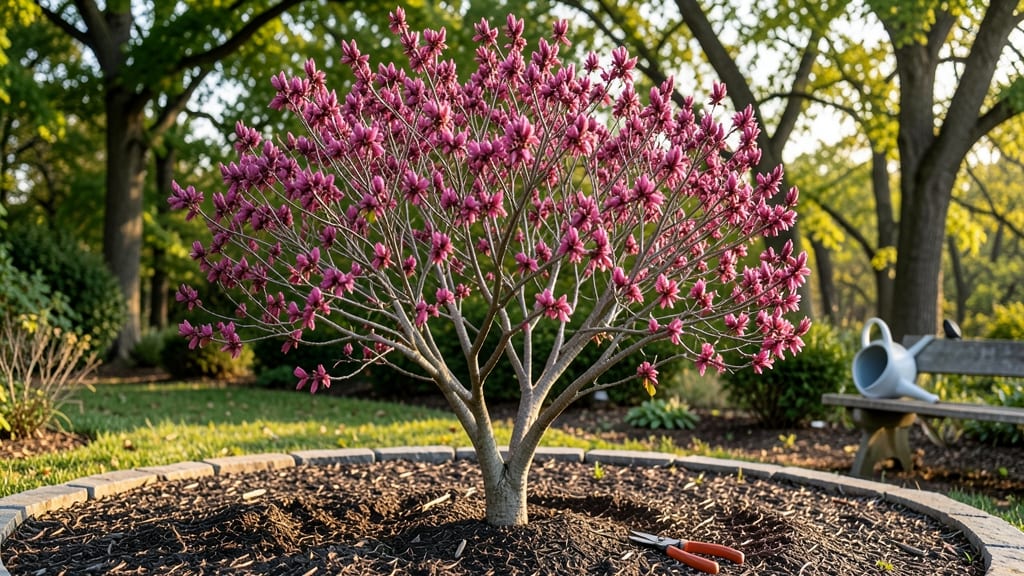
The Minnesota strain redbud tree is the cold-hardy superstar that blooms reliably even after brutal winters. 🌱 I planted mine in zone 4 last spring, and it’s already outshining standard redbuds with its vibrant magenta flowers arriving weeks before anything else in the yard.
The secret lies in its genetic resilience—this strain thrives where others freeze, making it perfect for northern gardens.
You’ll need well-draining soil, full sun to partial shade, and patience—these trees grow slowly but steadily. My plant reached 5 feet in its first year, and the blooms last for weeks, attracting pollinators early in the season.
The key is mimicking its natural woodland edge habitat: slightly acidic soil and consistent moisture without waterlogging.
What you’ll love most is how effortlessly it handles pruning and pests. Unlike fussy redbuds, this strain resists common diseases like powdery mildew and rarely attracts pests. After the blooms fade, the heart-shaped leaves add lush green foliage that lasts until fall, giving you seasonal interest without extra work.
Perfect for small yards, urban landscapes, or as a specimen tree in mixed borders. Whether you’re replacing a failed redbud or adding a standout focal point, this strain delivers reliable blooms and year-round charm—no frostbite required.
📚 In This Guide
- What you need
- Instructions
- Tips and common mistakes
- Wrapping up and next steps
What you need
- ● Minnesota Strain Redbud Tree: 1–3 Cercis canadensis 'Minnesota Strain' (bare-root, container-grown, or seeds)
- ○ Optional: Pre-pruned 1-gallon saplings for faster establishment
- ● Planting Site Supplies: Native soil or amended mix (sandy loam ideal; pH 6.0–7.5)
- ● 5–10 lbs. of compost or well-rotted manure
- ● 2–3 lbs. of bone meal (for phosphorus-rich root growth)
- ● 1–2 cups of slow-release fertilizer (10-10-10 ratio)
- ● Digging Tools: 1 shovel (round-point or spade)
- ● 1 garden trowel (for seedling transplants)
- ● 1 pruning shears (sterilized; bypass or anvil type)
- ● Safety & Prep: Work gloves (heavy-duty for root handling)
- ○ Knee pads (optional but highly recommended 😅)
- ● Watering can or hose with nozzle (gentle spray setting)
- ● Mulch (3–4 inches of shredded bark or wood chips)
- ● Hardiness Zone Check: Verify your zone is 3–6 (Minnesota Strain thrives here!)
- ● Frost Protection: Burlap or frost cloth (for young seedlings in late spring)
- ○ Anti-desiccant spray (optional for container-grown trees)
- ● Site Selection: Full sun to partial shade (6+ hours of sunlight daily)
- ● Well-draining soil (avoid waterlogged areas)
Step-by-Step instructions for planting a Minnesota Strain redbud tree
Here's how to get those stunning magenta blooms thriving in your northern yard.
🪴 Step 1: Choose the Perfect Planting Spot
Redbuds love full sun but tolerate partial shade—just expect fewer flowers in shadier spots. In Minnesota, a south-facing location gets the most bloom power. I dig a hole twice as wide as the root ball but only as deep as the container's root system. This prevents burying the trunk too deep, which can cause rot.
Test your soil's drainage first. If it stays soggy for more than 24 hours after rain, amend with 2 inches of compost mixed into the bottom of the hole. Redbuds hate wet feet. Look for a spot with at least 6 inches of topsoil—thin or rocky soil will stunt root growth.
🌱 Step 2: Prepare the Tree for Planting
Remove the redbud from its container and gently loosen any circling roots with your fingers. If roots are tightly bound, make 2-3 vertical cuts around the root ball to encourage outward growth. This prevents girdling as the tree matures.
Place the tree in the hole so the top of the root ball sits about 1 inch above ground level. Minnesota's freeze-thaw cycles can settle soil over winter, so this prevents the trunk from being buried too deep. Fill the hole halfway with native soil, then water deeply to settle it around the roots.
☀️ Step 3: Mulch and Water for Establishment
Spread 3 inches of organic mulch (like wood chips) over the planting area, keeping it 6 inches away from the trunk. This protects roots from temperature swings and retains moisture. I always use untreated mulch—dyed or chemically treated varieties can harm young roots.
Water immediately after planting to eliminate air pockets. Then, give 1 gallon of water every other day for the first two weeks. You'll know it's enough when water runs out the drainage area—no puddles, just steady moisture. After that, water when the top 2 inches of soil feel dry.
✂️ Step 4: Prune and Protect for First Winter
Remove any broken branches and cut back any that grow at sharp angles to the trunk. These are common after transplant shock. I also trim back about 1/3 of the tree's height to encourage a stronger structure. This is especially important for Minnesota's windy springs.
Wrap the trunk with tree guard or burlap in late fall to protect against rodent damage and winter sunscald. Redbuds are cold-hardy, but young bark is vulnerable. Remove the wrap in early spring before new growth starts—leaving it on too long can cause moisture buildup and rot.
⏰ Step 5: Feed and Monitor for Long-Term Health
Apply a balanced 10-10-10 fertilizer in early spring when you see new leaves. Use only 1/4 pound per inch of trunk diameter. Too much fertilizer burns roots, especially in Minnesota's heavy clay soils. I always water before and after applying fertilizer to help it reach the roots.
Watch for signs of stress: yellowing leaves usually mean too much water, while crispy edges signal underwatering. Redbuds are drought-tolerant once established, but young trees need consistent moisture. By year three, you'll see those iconic pink blooms—proof you've done everything right.
Tips & tricks for perfect Minnesota Strain redbud tree planting
These little details make all the difference between a struggling sapling and a thriving Minnesota showstopper.
Soil Test First: Before digging that hole, grab a handful of your native soil and squeeze it. If it stays clumped together for more than 24 hours after rain, you've got poor drainage. Redbuds absolutely hate soggy roots—this is why the instructions emphasize testing drainage. If your soil fails this test, mix in that 2 inches of compost right at the bottom of the hole where roots will grow first. Think of it as creating a cozy root zone with better airflow.
Root Ball Prep: When you're loosening those circling roots in Step 2, don't just pull at them—run your fingers gently along the edges to separate them naturally. If you see roots growing in tight circles, make those 2-3 vertical cuts with clean pruners. This might seem drastic, but it prevents girdling later when the tree matures. I learned this the hard way after watching a neighbor's redbud struggle for years with restricted roots.
Mulching Magic: That 3 inches of mulch isn't just decoration—it's insulation. In Minnesota winters, mulch protects roots from temperature swings that can cause stress. But here's the trick: keep that mulch 6 inches away from the trunk. Too close, and it creates moisture against the bark that can lead to rot. Think of it like giving your tree a winter coat that's snug but not suffocating.
Winter Wrap Wisdom: When you're wrapping that trunk in late fall, use a breathable material like burlap—not plastic. The instructions mention removing it in early spring, but I'll add this: mark the date on your calendar. That wrap should come off by mid-April at the latest. Leaving it on too long traps moisture against the bark, which can actually cause more damage than the winter cold.
Pro Tips for Minnesota Strain Redbud Tree
- These little details make all the difference between a struggling sapling and a thriving Minnesota showstopper.
- Soil Test First: Before digging that hole, grab a handful of your native soil and squeeze it.
- Root Ball Prep: When you're loosening those circling roots in Step 2, don't just pull at them—run your fingers gently along the edges to separate them naturally.
Frequently asked questions
Got questions about growing the Minnesota Strain Redbud Tree? You’re not alone!
This cold-hardy beauty thrives in tough climates, but a few key details can make all the difference. Here are answers to the most common queries from gardeners just like you.
What makes the Minnesota Strain Redbud different from other redbud varieties?
The Minnesota Strain Redbud (Cercis canadensis) is bred for extreme cold tolerance—surviving down to -40°F (-40°C)! Unlike standard redbuds, it blooms earlier in spring (even through light frost) and often produces more vibrant magenta flowers. It’s also more resistant to powdery mildew, a common issue in humid climates.
When is the best time to plant a Minnesota Strain Redbud in Minnesota?
Plant in early spring (April–May) or fall (September–October) for best results. Avoid late fall planting—frost-heaving can damage roots. If planting in Zone 3–4, give it a 2–3 week head start indoors in pots to harden off before transplanting. Mulch heavily after planting to protect roots during winter.
How much sun and space does this tree need to thrive?
This redbud loves full sun (6+ hours/day) but tolerates partial shade (especially in hotter summers). Give it 20–30 feet of space to mature—it spreads 25–35 feet wide with a 20–25 foot height. If planting near structures, choose a dwarf cultivar (like ‘Forest Pansy’) for smaller yards.
Why aren’t my Minnesota Strain Redbud flowers opening, or they’re sparse?
Sparse blooms often mean stress from transplant shock, poor soil, or over-pruning. Check these fixes:
- Soil pH: Aim for 6.0–7.0 (test with a kit). Amend with lime if too acidic.
- Fertilizer: Use a balanced 10-10-10 in early spring before buds swell.
- Pruning: Avoid heavy cuts after June 15—this removes next year’s flower buds!
- Watering: Deep water 1–2 times/week during dry spells (first 2 years are critical).
If issues persist, powdery mildew or borers may be the culprit—treat with neem oil or insecticidal soap.
Are there alternatives to the Minnesota Strain Redbud for ultra-cold climates?
Yes! If you love cold-hardy, early-blooming trees, consider:
- ‘White Swan’ Redbud (Zone 4): Pure white flowers, slightly smaller.
- ‘Royal White’ Redbud (Zone 4–5): Disease-resistant, glossy foliage.
- Serviceberry (Amelanchier spp.) (Zone 3–4): Edible berries + spring blooms.
- Dwarf Korean Lilac (Syringa meyeri) (Zone 4): Fragrant, compact, and frost-tolerant.
For maximum cold resilience, stick with the Minnesota Strain—but these options offer variety!
Wrapping up and next steps
The Minnesota Strain Redbud Tree is a true gem for cold-climate gardeners, offering stunning early blooms and resilience that outshines many varieties. With the right care—like proper pruning, well-draining soil, and patience—you’ll be rewarded with a showstopper that thrives in frost. 🌸
Ready to transform your landscape? Start by ordering a tree from a trusted nursery or local grower, then mark your calendar for spring planting. Your future blooms will thank you!