
Trees
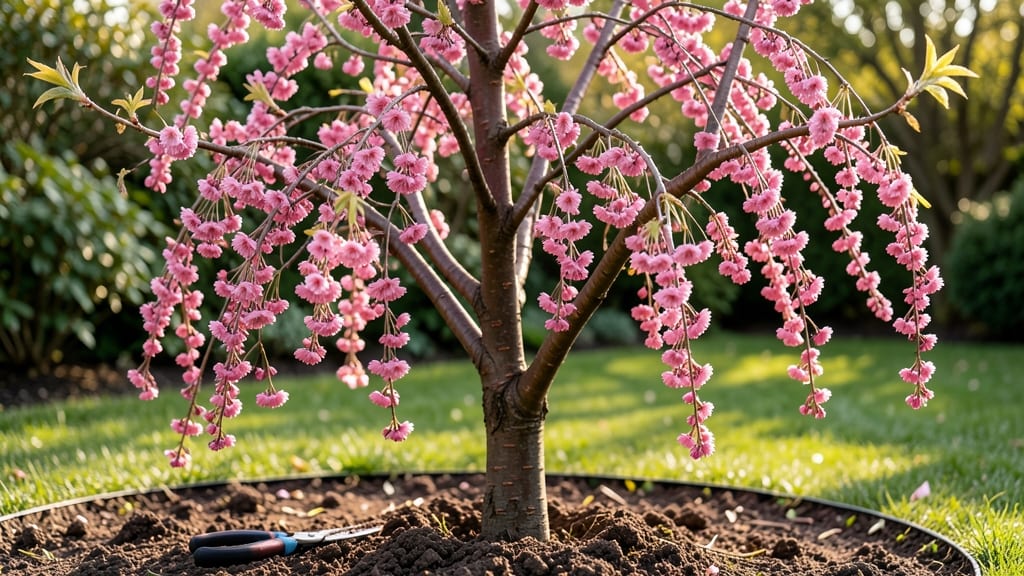
Your Pacific Northwest garden deserves a pink and white flowering tree that thrives through chilly winters and bursts into color every spring. 🌸 I’ve planted three varieties now—each one a magnet for bees and butterflies while adding that showstopping contrast against evergreen backdrops.
The secret isn’t just picking the right tree, but placing it where it steals the show year-round, from early blooms to autumn foliage.
Start with frost-resistant favorites like the Pacific Dogwood (Cornus nuttallii), which handles our damp winters with ease, or the West Coast native Pacific Crabapple (Malus fusca).
Both deliver 3-4 weeks of blooms in shades of blush and ivory, and their small size (20-30 feet) fits even modest yards. For dramatic height, the Oso Berry (Symphoricarpos albus) offers delicate pink flowers and edible berries—though it’s technically a shrub, it grows like a tree in the right spot.
Plant yours where it frames your front door or anchors a garden border, pairing it with purple-leafed shrubs or ferns to make the pinks pop even harder.
You’ll get months of pollinator traffic, fewer weeds under its canopy, and a tree that keeps looking fresh long after the flowers fade. The best part? These trees need almost no fuss—just regular watering the first year and an occasional prune to shape them.
Whether you’re replacing an old conifer or adding a centerpiece to a new landscape, these trees deliver effortless curb appeal that lasts decades. Next up: how to choose the perfect spot based on your yard’s light and soil. Let’s make it happen!
📚 In This Guide
- What you need
- Instructions
- Tips and common mistakes
- Wrapping up and next steps
What you need
- ● Pacific Dogwood Tree (Cornus nuttallii) – A frost-resistant, pollinator-friendly native tree (1-2 mature trees or 3-5 young saplings for full impact).
- ● High-quality potting soil or native soil mix – 5-10 gallons, depending on pot size (if container-grown).
- ● Organic compost or slow-release fertilizer – 5 lbs (look for a balanced 10-10-10 or native-friendly blend).
- ● Mulch (cedar chips or wood shavings) – 2-3 cubic feet to retain moisture and regulate soil temperature.
- ● Drip irrigation system or hose with soaker nozzle – For consistent watering (especially critical in the first year).
- ● Shovel or spade – For digging planting holes (12-18 inches wide and deep for saplings).
- ● Garden gloves – To protect your hands while handling soil and roots.
- ● Pruning shears – For trimming dead branches or shaping young trees.
- ● Wheelbarrow or bucket – For mixing soil and compost.
- ● Measuring tape – To ensure proper spacing (15-20 feet between trees for mature growth).
- ● Tree stake and ties – For young trees in windy areas (Pacific Northwest-friendly!).
- ● Native plant companion guide – To pair your dogwood with pollinator-friendly shrubs like Oregon grape or salal.
- ● Slow-release pesticide (organic) – To deter pests like dogwood borers (apply sparingly!).
- ● Decorative rocks or bark mulch – For a polished, low-maintenance look.
Step-by-Step guide to planting and caring for frost-resistant flowering trees
Here’s how to establish a thriving, pollinator-friendly tree that blooms beautifully in Pacific Northwest winters.
🌱 Step 1: Choose the Right Location and Prepare the Soil
Select a spot with full sun to partial shade—at least 6 hours of sunlight daily—and well-draining soil. Frost-resistant varieties like Pacific Dogwood or Oregon Grape Holly thrive in USDA Zones 5-8, so check your local hardiness zone. Avoid low-lying areas where cold air pools, as this can damage young roots.
Before planting, loosen the soil to a depth of 12 inches with a shovel or tiller. Mix in 3 inches of compost to improve fertility and drainage. The goal is loose, aerated soil that won’t compact around the roots. If your soil is heavy clay, amend it with sand or perlite to prevent waterlogging.
🪴 Step 2: Plant the Tree at the Correct Depth and Stake for Support
Dig a hole twice as wide as the root ball but no deeper. Gently remove the tree from its container and loosen any circling roots with your fingers. Place it in the hole so the top of the root ball sits level with the surrounding soil—burying too deep can suffocate the trunk. Backfill with native soil, tamping lightly to remove air pockets.
Stake the tree only if necessary—young, top-heavy varieties like Pacific Dogwood may need support in windy areas. Use two stakes driven 6 inches from the trunk and tie the tree loosely with soft fabric strips to avoid girdling. Water deeply after planting to settle the soil and encourage root contact.
☀️ Step 3: Water Deeply and Mulch for Winter Protection
Water the tree deeply once a week for the first month, then taper to every 2-3 weeks unless rainfall is insufficient. Frost-resistant trees need consistent moisture during establishment, but avoid soggy soil. You’ll know it’s time to water when the top 2 inches of soil feel dry to the touch.
Apply 3 inches of mulch (wood chips or shredded bark) around the base, keeping it 6 inches away from the trunk to prevent rot. Mulch insulates roots in winter and retains moisture in summer. Replenish mulch annually to maintain coverage. This step is critical for survival in cold winters—never skip it.
✂️ Step 4: Prune for Shape and Encourage Blooms
Prune in late winter or early spring before new growth begins. Remove dead, diseased, or crossing branches first, then shape the tree by thinning out crowded areas. Cut back to just outside the branch collar (the swollen area where the branch meets the trunk) to promote healing.
For flowering varieties, avoid heavy pruning in autumn—this can reduce next year’s blooms. Instead, focus on light structural pruning to maintain an open canopy. You’ll see the best flowering performance when the tree receives adequate sunlight and nutrients, so fertilize lightly in early spring with balanced 10-10-10 formula if growth appears slow.
Tips & tricks for perfect pink and white flowering trees
Here's what I've learned from years of planting these stunning pollinator magnets—and how to avoid the mistakes I made early on.
Location is Everything: That 6 hours of sunlight requirement in Step 1 isn't just a suggestion—it's non-negotiable for vibrant blooms. I planted a Pacific Dogwood in partial shade once, and while it survived, the flowers were sparse and pale. The best spots get morning sun and afternoon shade, especially in hotter microclimates. If your yard only offers partial shade, consider the Oregon Grape Holly—it tolerates more shade while still producing those showstopping pink blossoms.
Root Ball Magic: When loosening circling roots in Step 2, don't just pull at them—gently separate them with your fingers. I used to cut them, thinking it would help, but that actually damages the root system. The goal is to encourage outward growth, not create fresh wounds. After planting, give those roots a drink by watering deeply—this helps settle the soil and eliminates air pockets that can strangle new growth.
Mulch Like a Pro: That 3 inches of mulch in Step 3 is your winter insurance policy. I learned this the hard way when a young Dogwood's trunk split during our first harsh winter—the mulch had been too thin. Use wood chips or bark mulch (never fresh wood shavings) and keep it 6 inches away from the trunk. This creates a perfect insulating blanket while preventing rot. Replenish it every spring before the growing season begins—don't wait until you see bare spots.
Pruning Precision: The branch collar in Step 4 is your secret weapon. When pruning, never cut flush with the trunk—always leave that swollen area intact. I made the mistake of cutting too close once, and it took years for that spot to heal properly. For flowering varieties, remember that late winter pruning stimulates new growth, which means more blooms next season. And that 10-10-10 fertilizer? Use it sparingly—too much nitrogen can reduce flowering while promoting leafy growth.
Pro Tips for Pink And White Flowering Tree
- Here's what I've learned from years of planting these stunning pollinator magnets—and how to avoid the mistakes I made early on.
- Location is Everything: That 6 hours of sunlight requirement in Step 1 isn't just a suggestion—it's non-negotiable for vibrant blooms.
- Root Ball Magic: When loosening circling roots in Step 2, don't just pull at them—gently separate them with your fingers.
Frequently asked questions
What’s the best pink-and-white flowering tree for cold climates like the PNW?
Top picks include Amelanchier alnifolia (serviceberry), Prunus serrula (Tibetan cherry), and Magnolia stellata. All thrive in zones 5–8, handle frost, and attract pollinators. For maximum resilience, choose Amelanchier—it’s a local favorite with edible berries!
When do these trees bloom, and how long do the flowers last?
Blooming depends on the species: Magnolias (late winter/early spring), Cherries (spring), and Serviceberries (early spring). Flowers typically last 1–3 weeks, but some, like Magnolia stellata, offer stunning repeat blooms in fall. Plant near patios to enjoy the fragrance!
How much space and sunlight do they need?
Most pink-and-white flowering trees need full sun (6+ hours/day) but tolerate partial shade. Dwarf varieties (e.g., Prunus mume) fit small yards (10–15 ft tall), while larger species (e.g., Magnolia grandiflora) need 20+ ft. Check spacing guidelines—root systems spread wider than canopies!
Are these trees truly frost-resistant, or do they need winter care?
Yes! Native PNW species like Amelanchier and Prunus are hardy, but young trees benefit from mulch (3–4 inches) and wind protection. Avoid heavy pruning in late winter—wait until after blooming. Evergreen magnolias (e.g., grandiflora) may need occasional winter watering in drought-prone areas.
Do pink-and-white flowering trees attract bees or other pests?
Absolutely—they’re pollinator magnets! Bees, butterflies, and hummingbirds love the nectar. To deter pests, choose disease-resistant varieties (e.g., Prunus ‘Kanzan’) and avoid overwatering. Spider mites or aphids are rare but can be treated with neem oil if spotted.
What’s a good alternative if I want flowers but less maintenance?
Try Cercis canadensis ‘Forest Pansy’ (red-pink blooms, drought-tolerant) or Cornus florida (dogwood, low-maintenance). For year-round interest, pair flowering trees with evergreens like Picea glauca ‘Conica’ (dwarf Alberta spruce). Always check mature sizes!
Wrapping up and next steps
Adding a pink and white flowering tree to your Pacific Northwest landscape isn’t just about beauty—it’s an investment in biodiversity, resilience, and year-round charm. 🌸 From supporting pollinators to thriving in frost, these trees bring joy and purpose to your outdoor space.
Whether you’re a seasoned gardener or a curious beginner, now’s the perfect time to plant the seeds of change—literally!
Ready to transform your yard? Start by researching varieties that match your climate and soil, then reach out to local nurseries for expert advice. Your future garden—and its tiny, winged visitors—will thank you! 🌿