
Trees
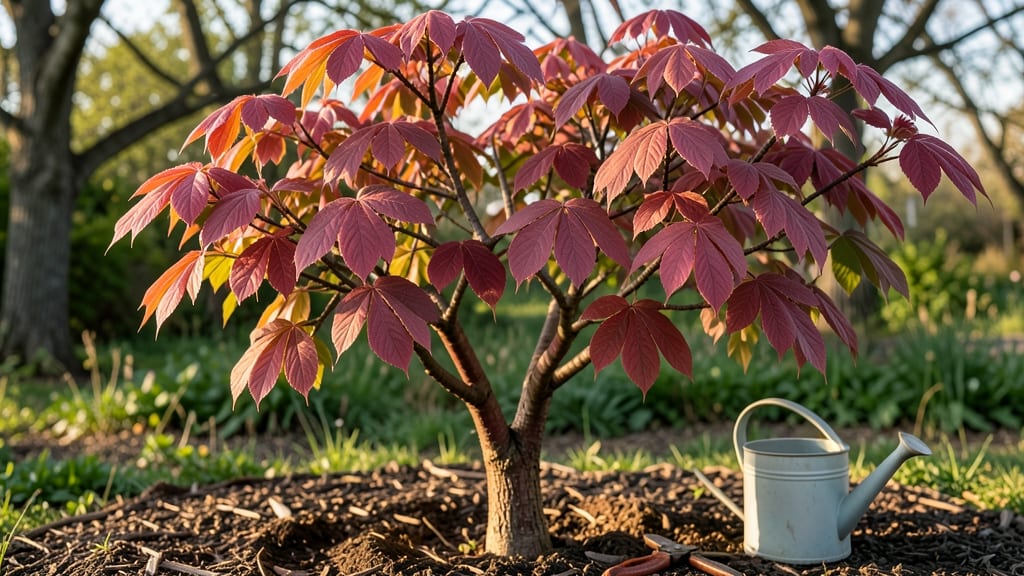
Pink foliage trees turn your Pacific Northwest garden into a soft, dreamy landscape that feels like a secret. 🌸 These aren't just trees—they're living art pieces that bring blush tones to every season, from spring blooms to winter structure.
My favorite? The Eastern Redbud, whose magenta leaves appear before the flowers even open, creating a show that lasts for months.
These trees thrive in the region's mild climate, handling both coastal fog and inland sun with ease. Plant them as focal points near patios or along borders where their graceful branches can frame pathways.
Pair them with deep greens like Hosta or silver foliage like Lavender to make the pink pop even more dramatically—it’s like adding a splash of blush to a neutral palette.
What you’ll love most is how they transform your garden in every season. In spring, their flowers add delicate contrast, while summer’s foliage stays lush and vibrant.
Even in winter, their structure provides interest when other plants fade. The best part? They’re low-maintenance once established, so you get stunning color without the fuss.
For urban gardens, smaller varieties like Dwarf Fothergilla work beautifully in tight spaces, while larger trees like Smokebush make bold statements in bigger yards. Whether you're designing a cottage garden or a modern landscape, pink foliage trees bring effortless elegance that’s hard to resist.
📚 In This Guide
- What you need
- Instructions
- Tips and common mistakes
- Wrapping up and next steps
What you need
- ● Pink foliage tree varieties: 1–3 Cercis canadensis (Eastern Redbud) – compact or standard size (15–30 ft tall)
- ● 1–2 Cornus sericea ‘Flaviramea’ (Pink Dogwood) – 6–10 ft tall
- ○ 1 Euonymus alatus ‘Compactus’ (Dwarf Burning Bush) – 3–5 ft tall (optional for hedges)
- ● Soil amendments: 5–10 lbs of compost or well-rotted manure per planting hole
- ● 1–2 lbs of balanced fertilizer (10-10-10) or slow-release organic granules
- ○ 1 cup of sulfur (optional, for acidic soil lovers like Azaleas)
- ● Planting tools: 1 shovel (round-point or digging spade)
- ● 1 hand trowel (for fine adjustments)
- ● 1 pruning shears (sterilized, for trimming)
- ● 1 wheelbarrow (for hauling soil/amendments)
- ● Watering: 1 hose with adjustable nozzle or watering can (5+ gallons)
- ○ 1 drip irrigation kit (optional, for long-term care)
- ● Mulch & protection: 2–3 bales of wood chips or pine straw (for mulching)
- ● 1 tree guard or wire cage (to protect young trees from deer)
- ● Monitoring: 1 soil pH test kit (to check acidity/alkalinity)
- ○ 1 pruning sealant (optional, for large cuts)
- ● Site selection: Choose a spot with 6+ hours of sunlight (varies by species) and well-draining soil.
- ● Timing: Plant bare-root trees in early spring or container-grown trees in fall/winter (PNW’s mild climate is forgiving!).
- ● Local regulations: Check with your city/county for tree planting permits (especially for large varieties).
Step-by-step guide to planting and caring for pink foliage trees
Here's how to bring bold color to your garden with minimal fuss.
🌱 Step 1: Choose the Right Variety for Your Site
Pink foliage trees thrive in the Pacific Northwest's mild climate, but not all varieties adapt equally. For sun-drenched spots, opt for Cercis canadensis 'Alba' (white flowering dogwood) or Cornus sericea 'Flaviramea' (redtwig dogwood with pinkish stems). In partial shade, Acer palmatum 'Bloodgood' (Japanese maple) or Fothergilla gardenii deliver stunning pinkish hues.
Check your space—most pink foliage trees mature between 15-30 feet tall, so plant them where they won't outgrow their welcome. I always measure the mature width (often 10-20 feet) to avoid future crowding. If your yard has heavy clay soil, amend with 3-4 inches of compost before planting to improve drainage.
🪴 Step 2: Plant at the Right Time and Depth
Fall is ideal for planting pink foliage trees in the PNW—cooler temps reduce transplant shock. Dig a hole twice as wide as the root ball but only as deep as the container's base. This prevents burying the trunk too deeply, which can cause rot.
Gently remove the tree from its container and loosen any circling roots. Place it in the hole so the top of the root ball sits 1-2 inches above ground level—this ensures proper drainage. Backfill with native soil mixed with 1 part compost (use the 3 gallons you prepped earlier) to encourage root spread. Water deeply until the soil settles.
☀️ Step 3: Water and Mulch for First-Year Success
Pink foliage trees need consistent moisture during their first growing season. Water twice weekly until the soil feels 2-3 inches deep and stays damp but not soggy. Overwatering suffocates roots, while underwatering stresses new plants. I use a soaker hose to deliver water slowly at the base.
Spread 3 inches of organic mulch (like wood chips) over the root zone, keeping it 6 inches away from the trunk. This conserves moisture, regulates soil temperature, and suppresses weeds. Refresh the mulch annually—it breaks down faster in wet climates. Avoid piling mulch against the trunk, as it can trap moisture and invite rot.
✂️ Step 4: Prune for Shape and Health
Prune pink foliage trees in late winter or early spring before new growth begins. Remove any dead, diseased, or crossing branches first—these are easy to spot as they lack vibrant color. Cut back to the collateral bud (the one facing outward) to encourage fuller growth.
For shaping, limit pruning to no more than 25% of the canopy in a single season. Heavy pruning can reduce foliage color intensity. Thin out crowded branches to improve airflow, which prevents fungal issues common in PNW's damp climate. I always sterilize my pruners with rubbing alcohol between cuts to avoid spreading disease.
Tips & tricks for perfect pink foliage trees
Transforming your garden into a pink-hued paradise starts with these essential insights—learn from my years of trial and error to ensure vibrant growth.
Variety Selection: When choosing between sun-loving options like Cercis canadensis 'Alba' or shade-tolerant Acer palmatum 'Bloodgood', consider your garden's microclimates. I've found that Cornus sericea 'Flaviramea' thrives in both sun and partial shade, making it a versatile choice for PNW gardens. For maximum impact, plant varieties with complementary heights—taller trees like dogwoods as focal points, with shorter maples or fothergillas creating layered color.
Planting Depth: The 1-2 inch elevation above ground level is critical—this prevents water pooling at the trunk, which can cause rot. I learned this the hard way after losing two young trees from improper planting depth. Use a level to ensure the root ball sits perfectly straight, and avoid compacting the soil around the roots when backfilling. A gentle hand is key here to maintain that crucial air space around roots.
Watering Wisdom: Those twice-weekly waterings should be deep, not frequent shallow sessions. I use a moisture meter to check that the soil stays consistently damp at 2-3 inches depth. In our wet climate, the real challenge is avoiding overwatering—especially during winter when rain often takes care of hydration needs. Adjust your schedule based on rainfall patterns rather than sticking rigidly to the calendar.
Pruning Precision: When cutting back to the collateral bud in Step 4, make sure your pruners are sharp and clean. Dull blades tear tissue, inviting disease. I mark my cuts with chalk before making them to visualize the final shape. Remember that pink foliage trees like Fothergilla develop their best color on new growth, so avoid heavy pruning that removes too many current-season branches.
Pro Tips for Pink Foliage Trees
- Transforming your garden into a pink-hued paradise starts with these essential insights—learn from my years of trial and error to ensure vibrant growth.
- Variety Selection: When choosing between sun-loving options like Cercis canadensis 'Alba' or shade-tolerant Acer palmatum 'Bloodgood', consider your garden's microclimates.
- Planting Depth: The 1-2 inch elevation above ground level is critical—this prevents water pooling at the trunk, which can cause rot.
Frequently asked questions
Got questions about adding pink foliage trees to your Pacific Northwest garden? You’re not alone! Here are some of the most common queries—and their answers—to help you get started with confidence.
What’s the best time of year to plant pink foliage trees?
For the Pacific Northwest’s mild but wet climate, early spring (March–April) or early fall (September–October) are ideal. This gives roots time to establish before summer heat or winter frost. Avoid planting in late fall—young trees may struggle with cold soil.
Do pink foliage trees handle PNW’s rainy weather well?
Most do! Native and adapted varieties like Cornus sericea ‘Kelseyi’ (Red Osier Dogwood) or Berberis thunbergii ‘Rose Glow’ (Barberry) thrive in moisture. Just ensure well-draining soil—waterlogged roots can cause leaf drop. Mulch helps too!
Are there low-maintenance pink foliage trees for beginners?
Try these easy-care picks:
- Japanese Maple ‘Bloodgood’ (drought-tolerant once established)
- Smoke Tree (Cotinus) (resistant to pests/disease)
- Ninebark ‘Diablo’ (deer-resistant and fast-growing)
Will pink foliage trees survive PNW winters?
Yes! Most are hardy to USDA Zones 5–8, meaning they’ll handle freezing temps and snow. Pro tip: Young trees benefit from a layer of mulch (3–4 inches) to insulate roots. Evergreens like Purple Beech may need winter watering if soil dries out.
How can I make my pink foliage tree stand out more?
Pair it with complementary colors and textures! Try:
Lighting (e.g., uplights) can also highlight vibrant hues at dusk!
Wrapping up and next steps
Pink foliage trees bring unmatched charm to Pacific Northwest gardens, offering year-round color and a touch of whimsy. From the delicate hues of Japanese maples to the bold statement of Coral Bark Maple, these trees transform any landscape into a living work of art.
Whether you're a seasoned gardener or just starting, adding one of these beauties is a rewarding way to elevate your outdoor space.
Ready to get started? Research the best varieties for your climate and take the first step toward creating a garden that’s as vibrant as it is serene. Your future self—and your neighbors—will thank you! 🌸