
Pruning
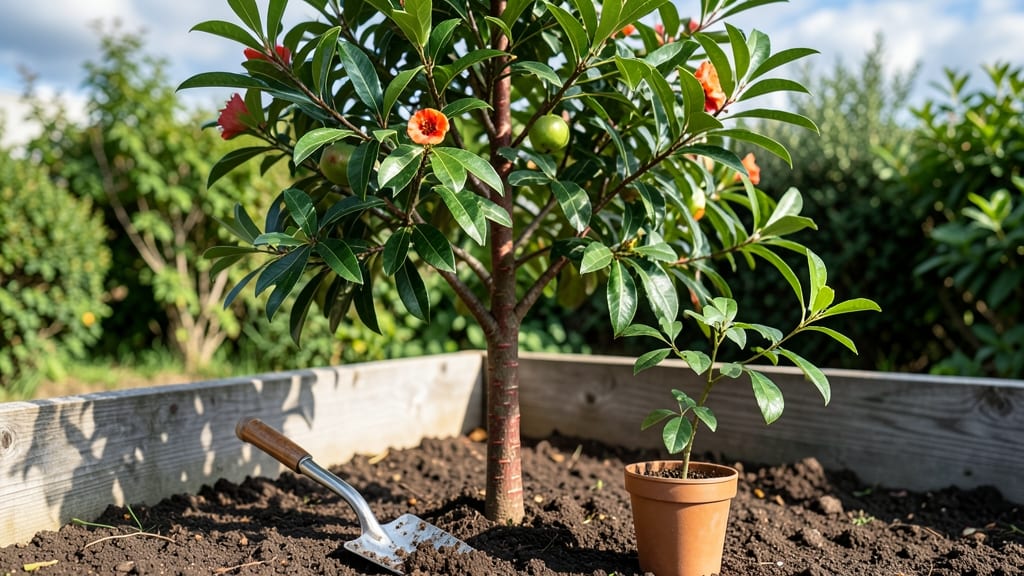
Planting a pomegranate tree in the Pacific Northwest means choosing cold-hardy varieties like 'Russian Red' or 'Wonderful'—the difference between a thriving fruit tree and a frost-scorched disappointment.
I learned this the hard way when my first attempt froze back to the ground after just one winter, but now I’ve perfected the process for our chilly climate.
The key starts with soil: well-draining, slightly acidic, and amended with compost to give those roots the best shot at survival during our damp winters.
You’ll need a sunny spot—at least 6 hours of direct light daily—and a hole twice as wide as the root ball but no deeper. Nursery stock is your best bet for cold-hardy varieties, as seeds often take years to fruit and may not survive our winters.
Once planted, water deeply to settle the soil, then mulch heavily to insulate roots through frosts. The first year is all about establishing strong roots, so hold off on heavy pruning until spring.
By summer, you’ll see new growth that’s shockingly resilient, with deep green leaves and sturdy branches. The real payoff comes in 2-3 years when those first ruby-red fruits appear—sweet, juicy, and worth every bit of patience.
Pacific Northwest gardeners can even try dwarf varieties like 'Eversweet' if space is tight, though they’ll need winter protection in colder microclimates.
Fair warning: Pomegranates need consistent moisture but hate soggy soil, so adjust your watering based on rainfall. And don’t prune in fall—wait until late winter when the tree’s dormant but before new growth starts.
With the right variety and care, your pomegranate will outlast our winters and reward you with harvests for decades.
📚 In This Guide
- What you need
- Instructions
- Tips and common mistakes
- Wrapping up and next steps
What you need
- ● Cold-hardy pomegranate tree: Choose a variety like 'Wonderful' or 'Eversweet' (ensure it’s nursery-grown and 1-2 years old).
- ● Shovel or trowel: A round-point shovel for digging or a hand trowel for smaller holes.
- ● Garden gloves: Heavy-duty, waterproof gloves to protect your hands from thorns and soil.
- ● Well-draining soil mix: Combine native soil with compost (50/50 ratio) or use a cactus/succulent mix for better drainage.
- ● Organic mulch: Wood chips, straw, or pine bark (2-3 inches deep) to retain moisture and regulate temperature.
- ● Watering can or hose: With a gentle spray nozzle for hydration without disturbing the soil.
- ○ Fertilizer (optional but recommended): Slow-release granular fertilizer (e.g., 10-10-10 or 8-3-9) for planting.
- ● Balanced organic fertilizer (e.g., fish emulsion or compost tea) for ongoing care.
- ● Staking system (if needed): 3-4 wooden stakes and soft garden twine for young, unstable trees.
- ● Sunlight: A full-sun location (6+ hours of direct sunlight daily).
- ● Drainage: Avoid low-lying areas—pomegranates hate soggy roots! Test soil drainage by digging a hole and filling it with water; if it doesn’t drain within 30 minutes, amend the soil.
- ● Spacing: Plant trees 12-15 feet apart to allow airflow and future growth.
- ● Protection from wind: Young trees may need windbreaks (e.g., temporary burlap screens) in exposed areas.
- ● 🌡️ Test soil pH: Pomegranates prefer slightly acidic to neutral soil (pH 6.0-7.0). Use a soil test kit if unsure.
- ● ✨ Cold protection: In Zone 7-8, mulch heavily in winter and consider tree wraps for young trees.
- ● 🎯 Container option: For urban gardens, use a large pot (15+ gallons) with drainage holes and move it indoors during frost.
Step-by-Step instructions for planting a cold-hardy pomegranate tree
Here's how to get your tree thriving in the Pacific Northwest's cooler climate.
🌱 Step 1: Choose the Right Variety and Planting Time
For the Pacific Northwest, select cold-hardy varieties like 'Crimson Jewel' or 'Wonderful'—both tolerate temperatures down to 15°F. Plant in early spring after the last frost date, when soil temperatures reach 60°F. This gives roots time to establish before summer heat arrives.
If you're planting in fall, do so 6-8 weeks before the first frost to allow roots to anchor before winter. Avoid planting during summer heat—stressed trees won't establish well. Check your local frost dates to time it perfectly.
🪴 Step 2: Prepare the Planting Site and Hole
Pick a sunny spot with at least 6-8 hours of direct sunlight—pomegranates need plenty of warmth to fruit. Dig a hole twice as wide as the root ball but no deeper. Amend the native soil with 3-4 inches of compost mixed into the bottom of the hole to improve drainage and fertility.
Loosen the roots gently if they're circling or pot-bound before placing the tree in the hole. The top of the root ball should sit 1-2 inches above ground level—this prevents water from pooling at the base. Backfill with native soil, tamping lightly to remove air pockets.
☀️ Step 3: Water and Mulch for Establishment
Water deeply right after planting to settle the soil and remove air gaps. Provide 1-2 inches of water per week during the first growing season, keeping the soil consistently moist but not soggy. Pomegranates hate wet feet—ensure good drainage or plant on a slight mound if your soil is heavy clay.
Spread 2-3 inches of organic mulch (like wood chips or straw) around the base, keeping it 3 inches away from the trunk to prevent rot. Mulch retains moisture and regulates soil temperature, which is especially helpful in the Pacific Northwest's variable climate. Replenish mulch annually as it breaks down.
✂️ Step 4: Prune and Protect for First Year
Lightly prune to remove any damaged or crossing branches, but avoid heavy pruning—you want the tree to focus on root growth. Cut back any suckers that emerge from the base to direct energy upward. In winter, wrap the trunk with tree guard or burlap to protect it from cold winds and rodents.
Monitor for pests like aphids or scale, which can stress young trees. Spray with neem oil if needed, but avoid harsh chemicals that might harm beneficial insects. By the end of the first year, your pomegranate should have sturdy roots and a strong framework for future growth.
Tips & tricks for planting a cold-hardy pomegranate tree
Let's make sure your pomegranate thrives in the Pacific Northwest's unique climate with these essential tips!
Variety Selection: While 'Crimson Jewel' and 'Wonderful' are excellent choices for cold-hardiness, consider 'Eversweet' if you're in a slightly warmer microclimate—it produces fruit year-round. Always check the specific hardiness zone of your location, as even cold-hardy varieties can struggle in areas with prolonged sub-15°F temperatures. The Pacific Northwest's coastal regions often have milder winters, so these varieties should perform beautifully.
Soil Preparation: In Step 2, when amending the soil with 3-4 inches of compost, consider adding a handful of bone meal to the bottom of the hole for extra phosphorus—this will encourage strong root development. For heavy clay soils common in some PNW areas, mix in coarse sand or perlite to improve drainage. The goal is to mimic the well-draining, slightly rocky soils where pomegranates thrive naturally in their native Middle Eastern habitats.
Watering Strategy: The 1-2 inches of water per week guideline works well, but adjust based on your soil type. Sandy soils will need more frequent watering, while clay soils may require less. A simple test: stick your finger 2 inches into the soil—if it's dry, it's time to water. In the Pacific Northwest's rainy seasons, you might need to water less frequently, especially after the tree establishes its root system.
Winter Protection: For the first two winters, consider adding a thick layer of straw mulch (4-6 inches) around the base of your tree in addition to the 2-3 inches recommended. This extra insulation helps protect roots from freezing temperatures. Also, avoid pruning in late winter—wait until early spring when new growth begins, as late pruning can expose the tree to cold damage.
Pro Tips for Planting Pomegranate Tree
- Let's make sure your pomegranate thrives in the Pacific Northwest's unique climate with these essential tips!
- Variety Selection: While 'Crimson Jewel' and 'Wonderful' are excellent choices for cold-hardiness, consider 'Eversweet' if you're in a slightly warmer microclimate—it produces fruit year-round.
- Soil Preparation: In Step 2, when amending the soil with 3-4 inches of compost, consider adding a handful of bone meal to the bottom of the hole for extra phosphorus—this will encourage strong root development.
Frequently asked questions
Got questions about planting pomegranate trees in the Pacific Northwest?
You’re not alone! Here are answers to the most common concerns—from timing to troubleshooting—to help you grow a thriving pomegranate tree.
Can pomegranate trees survive PNW winters?
Yes! Cold-hardy varieties like ‘Wonderful’ or ‘Eversweet’ can tolerate brief dips to 10°F (-12°C) with proper protection (mulch, windbreaks). Young trees need extra care—wrap the trunk in burlap and cover with frost cloth in extreme cold.
What’s the best time to plant a pomegranate tree in the PNW?
Plant in early spring (March–April) or early fall (September–October) when soil is workable but not frozen. Avoid summer heatwaves, which stress young roots. If planting in fall, do it 6–8 weeks before first frost to allow root establishment.
How often should I water a newly planted pomegranate tree?
Water deeply 2–3 times per week for the first month, then taper to once a week (more in drought). PNW’s dry summers mean mulching (3–4 inches) is key—it retains moisture and regulates soil temp. Avoid overhead watering to prevent fungal diseases.
Why aren’t my pomegranate flowers turning into fruit?
Common causes: lack of pollinators (hand-pollinate with a paintbrush), over-fertilizing with nitrogen (use balanced 10-10-10 instead), or late frosts damaging blooms. Thin fruit early to improve size/quality—leave 6–8 inches between pomegranates on mature trees.
Are there dwarf pomegranate varieties for small yards?
Not yet! Most pomegranates grow 10–15 feet tall, but you can prune aggressively to keep them manageable. For container growing, choose ‘Nana’ (a semi-dwarf) and use a 20-gallon pot—though fruit yield will be smaller.