
Pruning
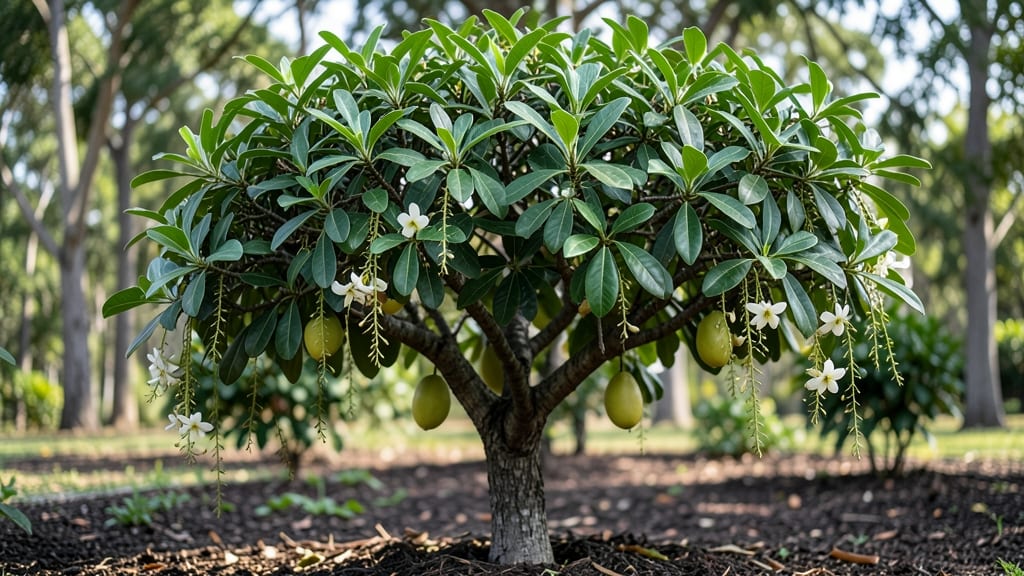
Growing an ice cream fruit tree in your Pacific Northwest garden means creamy, custard-like fruit that tastes like dessert straight from the tree. 🌿 I’ve grown these tropical-looking trees in zones 8-10, and with the right frost-resistant varieties—like 'Little Gem' or 'Ice Cream'—you can enjoy them even in cooler climates with proper winter care.
The secret to success starts with well-draining soil and a spot that gets at least 6 hours of sunlight daily. These trees love moisture but hate soggy roots, so amend heavy soil with compost and plant in a location protected from harsh winds.
Young trees need regular watering, while mature ones develop drought tolerance—but never let them dry out completely.
By late summer, you’ll harvest fruit that’s sweet, juicy, and perfect for eating fresh or blending into smoothies. The real magic happens when you slice it open—creamy white flesh that tastes like vanilla ice cream.
Prune in late winter to shape the tree and remove dead branches, and watch it thrive year after year.
Even in colder zones, these trees can survive with winter protection like burlap wraps or mulch. The key is patience—they grow slowly but reward you with decades of harvests. Ready to grow one that’ll make your neighbors green with envy?
📚 In This Guide
- What you need
- Instructions
- Tips and common mistakes
- Wrapping up and next steps
What you need
- ● Ice Cream Fruit Tree (Syzigium cordatum): 1-2 frost-resistant saplings (4-6 ft tall, 1-2 inches in diameter) or Seeds (if starting from scratch—germination can take 4-6 weeks)
- ● Well-draining soil mix: 50% topsoil 30% compost (for nutrients) 20% perlite or coarse sand (for drainage)
- ● Pot or planting site: For container growing: 15-20 gallon pot with drainage holes For in-ground planting: Sunny spot with at least 6 hours of sunlight daily
- ● Fertilizer: Balanced 10-10-10 fertilizer (1 lb per tree) or Slow-release organic citrus fertilizer (follow package instructions)
- ● Mulch: 2-3 inches of wood chips or straw (to retain moisture and protect roots from frost)
- ● Watering can or hose (with a gentle spray nozzle)
- ● Pruning tools: 1 pair of bypass pruners (for clean cuts) 1 hand saw (for thicker branches)
- ● Soil pH tester (ideal pH: 5.5-6.5 for ice cream fruit trees)
- ● Root stimulator (to boost seedling growth)
- ● Shade cloth (for young trees in hot summer afternoons)
- ● Tree support stake (if planting in windy areas)
- ● Grafting tools (if you’re experimenting with grafting for frost resistance)
Step-by-step guide to planting and caring for ice cream fruit trees
Here's how to get these frost-resistant beauties thriving in your Pacific Northwest garden.
🌱 Step 1: Choose the Right Location and Prepare the Soil
Select a spot with full sun exposure (6-8 hours daily)—ice cream fruit trees love warmth but can handle light shade if summers are scorching. The Pacific Northwest's cooler climate means you'll want a sheltered area that catches afternoon sun while protecting from harsh winds. I dig a hole twice as wide as the root ball but only as deep—planting too deep suffocates the roots.
Amend the native soil with 3-4 inches of compost mixed into the top 12 inches. These trees prefer well-draining, slightly acidic soil (pH 5.5-7.0). If your soil is heavy clay, add a 20% perlite mix to improve aeration. Test your soil first—amending after planting is a hassle. A simple DIY test kit works fine, or send a sample to your local extension office for precise readings.
🪴 Step 2: Plant Your Tree with Proper Spacing and Support
Ice cream fruit trees need 15-20 feet of space between plants for proper air circulation—a must in damp Pacific Northwest climates. I plant mine slightly deeper than the original soil line (about 1 inch) to encourage strong root development. Place a 6-foot tall stake next to the trunk before backfilling, then loosely tie the tree to it with soft tree ties to prevent wind damage.
Fill the hole with native soil mixed with compost, tamping gently to remove air pockets. Water deeply immediately after planting to settle the soil and eliminate gaps. The top of the root ball should sit about 2 inches below the surrounding soil level—this prevents the trunk from rotting as it absorbs moisture. Mulch with 3-4 inches of wood chips, keeping it 6 inches away from the trunk to avoid rot.
☀️ Step 3: Water and Fertilize for Strong Establishment
Water your newly planted tree twice weekly for the first month, then taper to once weekly once established. The Pacific Northwest's cool, wet springs can fool you—these trees need consistent moisture but hate soggy roots. Water deeply each time, aiming for 1-2 gallons per week depending on tree size. You'll know it's enough when water drains through to 12 inches deep.
Apply a balanced 10-10-10 fertilizer at planting, then again in early spring and mid-summer. I use a slow-release granular fertilizer to avoid overfeeding, which causes weak growth. In the Pacific Northwest, fall fertilization isn't necessary—let the tree rest through winter. Watch for nitrogen burn (yellow leaves with brown tips)—this means you've overdone it. If you see this, flush the soil with extra water to leach out excess salts.
✂️ Step 4: Prune for Shape and Frost Protection
Prune your ice cream fruit tree in late winter or early spring before new growth begins. Remove any dead, diseased, or crossing branches first—these compete with healthy growth. I cut back about 25% of the previous year's growth to encourage bushier, more productive branches. Avoid heavy pruning in fall, as new growth won't harden off before winter.
In the Pacific Northwest, where frost is a regular concern, shape the tree to allow sunlight to reach all branches. This prevents ice buildup and reduces winter damage. Thin out interior branches to improve air circulation—crowded centers trap moisture and invite fungal diseases. Seal any large cuts with pruning sealant to prevent disease entry, but skip this for small cuts (¼ inch or less)—they heal just fine on their own.
⏰ Step 5: Protect from Frost and Harvest at Peak Ripeness
Young ice cream fruit trees need winter protection in the Pacific Northwest's colder zones. Wrap the trunk with tree wrap in late fall to prevent sunscald and rodent damage. I also mound 6-8 inches of mulch around the base, extending the mound as the tree grows. For heavy frosts, drape a lightweight frost cloth over the canopy—these trees are frost-resistant but not frost-proof.
Harvest when the fruit is fully colored and slightly soft to the touch—usually late summer to early fall. I pick by gently twisting the fruit until it separates cleanly from the tree. Overripe fruit bruises easily, so harvest promptly. Store in the fridge for up to 2 weeks or freeze for longer storage. The Pacific Northwest's cool climate actually enhances the fruit's sweetness—don't rush the harvest!
Tips & tricks for frost-resistant ice cream fruit trees
Real talk: Planting these frost-hardy trees in the Pacific Northwest takes more finesse than you'd think—especially when it comes to soil prep and seasonal care. Here's what nobody tells you about getting them to thrive.
Soil Prep Secret: That 3-4 inches of compost isn't just about nutrients—it's about creating a sponge-like texture that holds moisture while still draining well. I've seen heavy clay soil turn into a waterlogged mess when people skip the perlite mix. If you're unsure about your soil type, do this quick test: Grab a handful after watering. If it forms a tight ball that doesn't crumble easily, you've got clay that needs amending. The 12-inch depth for compost mixing is key too—shallow mixing means roots hit compacted soil too soon.
Planting Depth Matters: That 1-inch deeper planting might seem counterintuitive, but it's a game-changer for root development. The extra depth encourages roots to spread outward rather than upward, which is crucial for stability in windy Pacific Northwest conditions. Here's my trick: After planting, press your thumb into the soil around the base. If it leaves a deep impression, you've packed it too tightly—roots need air too. The 2-inch soil level above the root ball prevents moisture from pooling against the trunk, which is how rot starts.
Watering Wisdom: Those first two weeks of twice-weekly watering are critical, but timing matters just as much as frequency. I water in the morning so the soil has all day to dry slightly before evening—preventing fungal issues. The 1-2 gallons per week might seem like a lot, but remember: You want water to penetrate to 12 inches deep. A simple way to check is to use a screwdriver after watering. If it goes in easily, you're good; if it meets resistance, water again. And here's a pro move: Water the base slowly over 20-30 minutes rather than dumping gallons at once—this prevents runoff.
Frost Protection Hacks: The tree wrap and frost cloth are your best friends in winter, but there's more to it. I've found that adding a layer of straw mulch (about 4 inches) over the regular wood chips creates extra insulation. For young trees, I also create a "frost shield" by placing a clear plastic dome (like a large salad bowl) over the canopy during hard freezes—it traps heat like a mini greenhouse. Just remove it during the day to prevent overheating. And here's what I learned the hard way: Never let the frost cloth touch the branches—it can cause moisture buildup that leads to rot.
Pro Tips for Icecream Fruit Tree
- Real talk: Planting these frost-hardy trees in the Pacific Northwest takes more finesse than you'd think—especially when it comes to soil prep and seasonal care.
- Soil Prep Secret: That 3-4 inches of compost isn't just about nutrients—it's about creating a sponge-like texture that holds moisture while still draining well.
- Planting Depth Matters: That 1-inch deeper planting might seem counterintuitive, but it's a game-changer for root development.
Frequently asked questions
Got questions about growing your own ice cream fruit tree? You’re not alone! Here are some of the most common queries—plus straightforward answers to help you thrive in the Pacific Northwest’s climate.
How cold can an ice cream fruit tree tolerate?
The ice cream fruit tree (also called Olax psittacina) is surprisingly hardy! While it prefers milder climates, some frost-resistant varieties can handle temperatures down to 15–20°F (-9 to -7°C). In the PNW, plant in sheltered spots, mulch heavily, and avoid late-season pruning to boost winter survival.
How long does it take for an ice cream fruit tree to bear fruit?
Patience is key—most ice cream fruit trees take 3–5 years to produce edible fruit after planting. Young trees focus on root and branch growth first. Choose a grafted variety (like ‘Ice Cream Bean’) for faster results, and ensure full sun (6+ hours daily) to speed up fruiting.
Can I grow an ice cream fruit tree in a container?
Yes! Containers work well for small gardens or urban spaces. Use a 15–20 gallon pot with drainage holes, and opt for a lightweight, well-draining mix. Move pots indoors (or to a garage) when temps drop below 30°F (-1°C). Just be ready to hand-pollinate flowers for better fruit set.
Why aren’t my ice cream fruit tree flowers turning into fruit?
Lack of pollination is the #1 culprit! These trees rely on insects (like bees) or gentle shaking of branches to spread pollen. If flowers drop without fruiting, try hand-pollinating with a soft brush, or plant companion flowers (e.g., lavender) to attract pollinators. Low humidity or cold snaps can also hinder fruit development.
Are ice cream fruit tree pods safe to eat raw?
While the seeds inside are toxic (like castor beans), the white, custard-like aril surrounding them is edible and delicious—hence the “ice cream” nickname! Scoop out the aril carefully, rinse, and enjoy fresh or dried. Always supervise kids/pets around the tree to avoid accidental ingestion of seeds.
Wrapping up and next steps
Growing an ice cream fruit tree in the Pacific Northwest isn’t just rewarding—it’s a delicious adventure! With the right frost-resistant variety and a little care, you’ll soon enjoy sweet, creamy fruits that taste like homemade dessert.
Whether you’re a seasoned gardener or just starting out, this tree brings joy and flavor to your garden year after year.
Ready to take the next step? Start by selecting your favorite variety—like the ‘Ice Cream Bean’ or ‘Ice Cream Tree’—and give your garden a taste of tropical paradise! 🌱✨