
Pruning
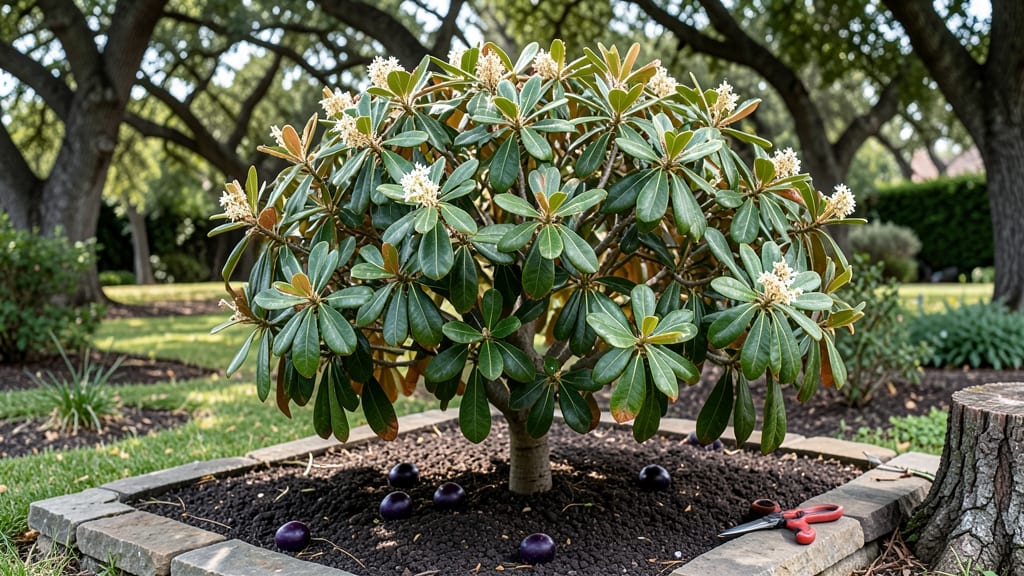
The pocket handkerchief tree (Davidia involucrata) transforms any garden into a living art gallery with its ethereal, handkerchief-like seed pods. I fell in love with this tree during a rainy Pacific Northwest spring when its delicate blooms emerged like ghostly veils against the mist.
Unlike many ornamentals, it thrives in our damp climate, making it a standout for gardeners who crave both beauty and resilience.
This tree isn’t fussy about soil as long as it’s well-draining—think loamy or slightly sandy mixes with organic matter. It craves partial shade, especially in hotter afternoons, which is perfect for Pacific Northwest gardens where full sun can scorch tender foliage.
Watering is straightforward: keep the soil consistently moist but never soggy, especially during its first two years when roots establish. Once settled, it handles our region’s damp winters with ease.
What makes this tree truly magical are its handkerchief-like bracts that frame the seed pods like nature’s own lace. Prune lightly in late winter to shape the tree and remove dead wood, but avoid heavy cuts—this tree grows slowly and rewards patience with its dramatic seasonal display.
By summer, you’ll be the envy of the neighborhood as your tree becomes a vertical centerpiece that no one can resist admiring.
Perfect for mid-sized gardens, woodland edges, or even as a striking specimen near patios. Its adaptability to Pacific Northwest conditions makes it a foolproof choice for gardeners who want drama without the fuss. Ready to grow your own living masterpiece?
📚 In This Guide
- What you need
- Instructions
- Tips and common mistakes
- Wrapping up and next steps
What you need
- ● Pocket handkerchief tree seedlings or saplings: 1–3 plants (choose Davidia involucrata varieties like 'Sonoma' or 'Venus' for cold-hardy options).
- ● Well-draining soil: 5–10 gallons of a mix of 60% topsoil, 30% compost, and 10% perlite or sand (critical for root health!).
- ● Large container or raised bed: Minimum size: 18" diameter × 24" deep (for 1 plant) or scale up for multiples.
- ● Drainage holes: Mandatory (use a drill if repurposing a pot).
- ● Material: Terracotta, fabric grow bags, or cedar (avoid treated wood).
- ● Pruning tools: Bypass pruners (for clean cuts on stems up to ½").
- ● Loppers (for thicker branches up to 1½").
- ● Sharp pruning saw (for stubborn branches 1½"+").
- ● Mulch: 2–3 inches of wood chips or shredded bark (retains moisture and regulates temperature).
- ● Watering can or hose with adjustable nozzle: For gentle, deep watering (aim for 1–2 gallons per watering until established).
- ● Organic fertilizer: Balanced 10-10-10 or slow-release granules (apply spring and early summer).
- ● Epsom salt: 1 tablespoon mixed into water monthly for magnesium boost (promotes lush foliage).
- ● Tree ties or soft garden twine: To support young branches during pruning or storms.
- ● Frost cloth: Lightweight blanket for Pacific Northwest winters (protects tender new growth).
- ● Soil moisture meter: Ensures optimal hydration (pocket handkerchief trees hate soggy roots!).
- ● Decorative stakes or trellis: For shaping or vertical display (if growing in a small space).
Step-by-Step instructions for growing a pocket handkerchief tree
This charming, low-maintenance tree thrives in Pacific Northwest climates and adds vertical interest to any garden.
Choose the Right Location and Prepare the Soil
Select a spot with partial shade to full sun, sheltered from harsh winds. The pocket handkerchief tree (Davidia involucrata) tolerates USDA zones 7-9, making it perfect for the Pacific Northwest's cool summers and occasional frosts. Avoid low-lying areas where cold air pools, as this can damage young plants.
Amend the soil with 2-3 inches of compost mixed into the top 12 inches of soil. These trees prefer well-draining, slightly acidic soil with a pH between 6.0 and 7.0. If your soil is heavy clay, add a generous layer of organic matter to improve drainage—waterlogged roots will stunt growth or cause root rot.
Here's the thing—this tree grows best in moist but not soggy conditions. If your soil drains poorly, consider planting in a raised bed or mound to prevent waterlogging. You'll know the soil is right when it crumbles easily when squeezed and holds moisture without becoming sticky.
Plant Your Pocket Handkerchief Tree
Dig a hole twice as wide as the tree's root ball but no deeper. Gently remove the tree from its container and loosen any circling roots with your fingers—this encourages outward growth. Place the tree in the hole so the top of the root ball sits 1 inch above ground level; settling will occur over time.
Backfill the hole with native soil mixed with the remaining compost, tamping lightly as you go to remove air pockets. Water deeply to settle the soil around the roots. You'll see the soil surface sink slightly as it compacts—this is normal. Mulch the area with 2-3 inches of wood chips or shredded bark, keeping the mulch 6 inches away from the trunk to prevent rot.
Don't skip mulching. It retains moisture, regulates soil temperature, and suppresses weeds—critical for young trees still establishing roots. Water the tree again after mulching to help it settle in.
Water and Monitor Growth
Water your pocket handkerchief tree deeply once a week during the first growing season, providing 1-2 gallons per watering depending on the tree's size. Check moisture by sticking your finger 2 inches into the soil
Watch for new growth in spring, which signals the tree is adapting. The iconic "handkerchief" bracts appear in early spring before the leaves, adding a stunning visual cue. If you notice yellowing leaves, it’s often a sign of overwatering or poor drainage. Adjust your watering schedule and ensure the soil drains well. Fertilize lightly in early spring with a balanced, slow-release fertilizer (10-10-10 ratio) to encourage healthy growth. Avoid heavy feeding, as it can lead to excessive foliage at the expense of those prized bracts. You'll see stronger stems and more vibrant bracts with the right balance. Prune your tree in late winter or early spring before new growth begins. Remove any dead, diseased, or crossing branches with clean, sharp pruners. Thin out crowded branches to improve airflow and reduce the risk of fungal diseases. The goal is to maintain an open, airy structure that showcases the tree’s unique form. In colder Pacific Northwest winters, young trees may need protection from frost. Wrap the trunk with burlap or tree guard to prevent sunscald and rodent damage. Mature trees are frost-hardy, but a little extra care in their first few winters ensures they thrive for decades. Real talk: Patience is key with this tree. It grows at a moderate pace, adding 12-24 inches per year. The reward comes in late spring when those delicate bracts emerge, making every season of care worthwhile.Prune and Protect for Long-Term Health
Tips & tricks for perfect pocket handkerchief tree growth
Here's what nobody tells you about getting this stunning tree established right from the start.
Soil Prep Secret: When amending your soil with 2-3 inches of compost in Step 1, mix in a handful of coarse sand if you have heavy clay. This creates tiny drainage channels that prevent waterlogging—the #1 reason these trees fail in Pacific Northwest gardens. I learned this the hard way after losing my first tree to soggy roots. The goal is soil that holds moisture like a damp sponge, not a wet towel.
Planting Depth Matters: That 1-inch elevation above ground level in Step 2 isn't just arbitrary—it accounts for soil settling. I always mark the root ball level with a stake before planting so I can verify it's properly positioned. If you bury the trunk too deeply, you'll suffocate the base and create rot-prone conditions. Think of it as creating a tiny hillock where the roots can breathe.
Watering Wisdom: The once-weekly deep watering in Step 3 works perfectly, but here's the catch: use a rain gauge or tuna can to measure your 1-2 gallons. I've seen gardeners pour "a lot" that turns out to be only ½ gallon—this tree needs consistent moisture, not guesswork. Water slowly to let it soak in rather than puddling around the roots. You'll know you're doing it right when water appears at the edge of your planting area.
Frost Protection Hack: For young trees in their first few winters, I wrap the trunk with burlap AND add a layer of straw mulch around the base (up to 6 inches deep). This double protection creates an insulating blanket that prevents temperature swings. The straw also breaks down slowly, adding organic matter to the soil as winter passes. Think of it as giving your tree a cozy winter coat and boots.
Pro Tips for Pocket Handkerchief Tree
- Here's what nobody tells you about getting this stunning tree established right from the start.
- Soil Prep Secret: When amending your soil with 2-3 inches of compost in Step 1, mix in a handful of coarse sand if you have heavy clay.
- Planting Depth Matters: That 1-inch elevation above ground level in Step 2 isn't just arbitrary—it accounts for soil settling.
Frequently asked questions
Got questions about growing and caring for your pocket handkerchief tree (Davidia involucrata)? You’re not alone! This stunning vertical treasure is a favorite in the Pacific Northwest—but it does have some quirks. Below, we’ve rounded up the most common queries to help you nurture your tree like a pro.
How cold-hardy is the pocket handkerchief tree, really?
The pocket handkerchief tree thrives in USDA Zones 4–8, making it a star in the PNW’s frosty winters. While young trees may need winter protection (like burlap wraps), mature specimens handle down to -25°F (-32°C) with ease. Just avoid late spring frosts—those delicate “handkerchiefs” (bracts) can get damaged!
When should I prune my pocket handkerchief tree?
Prune in late winter or early spring (before buds swell) to shape the tree and remove dead wood. Avoid heavy pruning in summer—it stresses the tree and can reduce next year’s flower production. Pro tip: Focus on opening the canopy for better airflow and light penetration.
Why isn’t my tree flowering? What’s wrong?
Patience is key—pocket handkerchief trees often take 5–10 years to flower! If yours is mature but still silent, check these fixes:
- Location: Needs full sun to partial shade (6+ hours of light).
- Soil: Prefers moist, well-draining, slightly acidic soil (pH 5.0–6.5).
- Fertilizer: A light layer of compost or balanced fertilizer in early spring can help.
Can I grow a pocket handkerchief tree in a container?
While possible, it’s not ideal for long-term growth. These trees have tapping roots and can reach 20–40 feet tall—containers limit their potential. If you must, use a large (20+ gallon) pot with drainage holes and repot every 2–3 years. Warning: They’re heavy! Choose a sturdy stand.
What’s the best alternative if my climate isn’t suitable?
If your zone is too cold (< Zone 4) or too hot (> Zone 8), try these similar vertical beauties:
- Styrax japonicus (Japanese snowbell): Fragrant flowers, Zone 5–8.
- Cercidiphyllum japonicum (Katsura tree): Unique foliage, Zone 4–8.
- Fothergilla (Witch alder): Stunning fall color, Zone 4–7.
Wrapping up and next steps
The pocket handkerchief tree isn’t just a stunning vertical gem for your Pacific Northwest garden—it’s a low-maintenance, frost-hardy superstar that rewards patience with breathtaking foliage and minimal fuss.
Whether you’re drawn to its delicate leaves or its adaptability to urban spaces, this tree proves that beauty and resilience go hand in hand. 🌿
Ready to turn your vision into reality? Start small: grab your pruners, sketch a rough layout, and take that first confident step toward transforming your space. Your future self—and your neighbors—will thank you!