
Trees
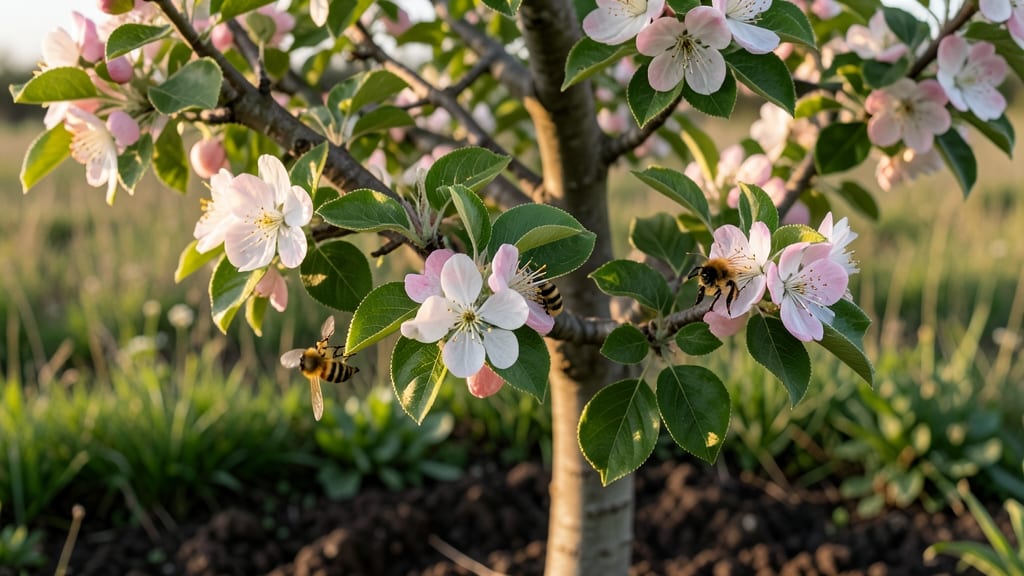
Pollinating apple trees isn’t just about hoping for the best—it’s the secret to going from sparse harvests to bushels of fruit every season. I planted three compatible varieties last spring, and this year’s blossoms are already buzzing with activity.
The key? Understanding how apples need cross-pollination to set fruit, whether through bees, wind, or a little human help.
Most home gardeners overlook that a single apple tree rarely produces well alone—you need at least two varieties that bloom at the same time. My Honeycrisp and Gala pair perfectly, but adding a third like Granny Smith ensures backup pollination when weather delays bees.
Even in small yards, strategic placement of trees or companion plants can boost fruit set dramatically.
By mid-summer, you’ll see plump, firm apples where others get disappointed with just a few. The process is simpler than it sounds: let nature handle it with bees, or step in with hand-pollination if your area lacks pollinators.
Either way, your harvest will thank you—imagine fresh apples straight from your tree instead of store-bought disappointments.
This method works for both backyard orchards and container-grown dwarf trees. The only real variable is timing—plant your varieties with overlapping bloom windows, and you’re set for years of reliable fruit. Let’s get those blossoms pollinated right!
📚 In This Guide
- What you need
- Instructions
- Tips and common mistakes
- Wrapping up and next steps
What you need
- ● Pollination species: Honeybees: 1-2 hives per acre (or 1-2 colonies for small orchards). Ensure they’re active and disease-free.
- ● Bumblebees: 5-10 colonies per acre (rent or purchase from local suppliers). Opt for Bombus impatiens or Bombus terrestris.
- ● Mason bees: 50-100 cocoons per tree (native or commercial). Use Osmia lignaria or Osmia cornifrons.
- ● Shelter for bees: Bumblebee nests: 1-2 nest boxes per colony (place near trees, 3–5 ft off the ground).
- ● Mason bee houses: 1 house per 50 cocoons (drill holes 5/16" diameter, 6" deep).
- ○ Protective gear: Bee suit (optional but recommended for honeybees).
- ● Gloves (lightweight, breathable).
- ● Veiling (for honeybee work).
- ● Timing tools: Thermometer (to monitor 50°F+ for bee activity).
- ● Calendar (track bloom stages—pink bud to full bloom is critical!).
- ● Enhance pollination: Handheld bee brush (for gentle bee transfer between trees).
- ● Sugar water (1:1 ratio) for bee feeders (place away from hives).
- ● Monitor health: Pesticide-free zone (avoid sprays during bloom).
- ● Varroa mite traps (for honeybee colonies).
- ● Record-keeping: Notebook or app to track fruit set progress.
How to ensure successful pollination in apple trees
Apple trees need the right partners and timing to produce abundant fruit—here's how to maximize pollination naturally.
Select Compatible Pollinizer Varieties
Apple trees require cross-pollination from a different variety. Choose three species that bloom simultaneously—this triad ensures reliable fruit set even if one variety has poor pollen viability. Research your local climate zone to find varieties with overlapping bloom times, typically within 5-7 days of each other. For example, 'Honeycrisp' often pairs well with 'Golden Delicious' and 'Granny Smith'.
Plant pollinizer trees within 50 feet of your main apple tree—bees won't travel farther for pollen. If space is limited, consider dwarf varieties or container-grown pollinizers. I've found that spacing them 15-20 feet apart creates ideal wind and bee traffic patterns between trees. Label each tree immediately after planting to avoid confusion during bloom season.
Time Planting for Overlapping Blooms
Plant pollinizer varieties 2-3 years before your main apple tree reaches full production. This ensures all trees mature simultaneously and bloom at the same time. Young trees often bloom later than mature ones, so adjust planting schedules accordingly. For example, if your primary tree is 5 years old, plant pollinizers when they're 2-3 years old.
Check bloom dates in your region's agricultural extension records—some varieties bloom 2-3 weeks earlier than others. I always verify with local orchardists because microclimates can shift bloom windows by 5-10 days. Planting too early or late means missed pollination opportunities, resulting in poor fruit set. The goal is synchronized flowering across all varieties.
Create an Ideal Pollination Environment
Bees need plenty of water and nectar sources during bloom season. Place water sources (birdbaths or shallow dishes) near the trees, especially in dry climates. I add bee-friendly flowers like lavender, clover, and sunflowers around the orchard to provide continuous nectar. These plants should bloom before, during, and after apple blossoms to sustain bee activity.
Minimize pesticide use during bloom season—even organic sprays can harm pollinators. If pest control is necessary, apply treatments after dark when bees are inactive. I've seen fruit set drop by 40% in years when early spring sprays coincided with bloom. The key is targeted timing—never spray when flowers are open or bees are active.
Hand-Pollinate if Needed
On cloudy or rainy days when bees stay indoors, hand-pollinate using a soft paintbrush. Gently transfer pollen from one tree's blossoms to another's stigma. Focus on fully open flowers—they release the most pollen. I do this twice daily (morning and afternoon) during peak bloom for maximum effectiveness. This method works best when humidity is low, as damp pollen clumps together.
Hand-pollination is most critical in protected orchards (like greenhouses) or during unseasonably cool springs that delay bee activity. Even with pollinizer trees, hand-pollination can boost fruit set by 20-30%. Keep a small notebook to track which flowers you've pollinated—this prevents over-pollinating individual blossoms, which can lead to deformed fruit.
Tips & tricks for successful apple tree pollination
Here's what nobody tells you about making sure your apple trees get pollinated right—these are the details that separate a decent harvest from a spectacular one.
Variety Selection Strategy: When choosing your three pollinizer varieties, prioritize those with distinct bloom times within 5-7 days—this creates a "bloom buffer" that accounts for weather delays. I always cross-reference bloom charts from my local agricultural extension office, then verify with nearby orchardists. Some varieties like 'Gala' have particularly reliable pollen viability, while others like 'Fuji' may need backup pollinizers. The goal is redundancy: if one variety's bloom gets rained out, your other two should still provide coverage.
Planting Timing Precision: The 2-3 year age difference between pollinizers and your main tree isn't arbitrary—it accounts for the 3-5 year maturation period most apple varieties need before reliable blooming. I've seen home growers plant all trees simultaneously and end up with one tree blooming while others remain dormant. For container-grown pollinizers, account for their slightly delayed maturation—plant them 1 year earlier than the recommended 2-3 year window to compensate for root stress in pots.
Environmental Optimization: The water sources you place near trees should be shallow and textured—bees prefer landing pads with rough surfaces where they can grip. I use small dishes filled with pebbles rather than smooth ceramic bowls. For nectar sources, prioritize plants that bloom 1-2 weeks before apple blossoms (like crocus) to jumpstart bee activity. The key is creating a continuous pollinator menu that extends beyond your apple tree's bloom window, which typically lasts only 7-10 days.
Hand-Pollination Technique: When doing twice-daily hand-pollination, focus on the stamens' anthers—they're the pollen-producing parts that look like tiny yellow dust bags. Use a new paintbrush for each tree to prevent cross-contamination between varieties, which can lead to hybrid seeds. I've found that morning sessions (7-9 AM) are most effective because pollen viability peaks shortly after sunrise. On humid days, add a small fan nearby to help pollen dry and disperse properly.
Pro Tips for Pollinating Apple Trees
- Here's what nobody tells you about making sure your apple trees get pollinated right—these are the details that separate a decent harvest from a spectacular one.
- Variety Selection Strategy: When choosing your three pollinizer varieties, prioritize those with distinct bloom times within 5-7 days—this creates a "bloom buffer" that accounts for weather delays.
- Planting Timing Precision: The 2-3 year age difference between pollinizers and your main tree isn't arbitrary—it accounts for the 3-5 year maturation period most apple varieties need before reliable blooming.
Frequently asked questions
Got questions about pollinating apple trees?
You’re not alone! Here are answers to the most common concerns—from timing to troubleshooting—so you can maximize your harvest with confidence.
What’s the best time to introduce pollinators to apple trees?
Plant pollinators like Crataegus (hawthorn), Malus (crabapple), or Sorbus (mountain ash) in early spring (before buds swell) or fall (6–8 weeks before frost). This ensures they’re established and blooming when your apple tree flowers. Pro tip: Check bloom times—some varieties flower earlier than others!
How long does it take for pollinators to start producing fruit?
With compatible pollinators, you’ll see fruit set within 1–2 years for dwarf trees or 3–5 years for standard varieties. Patience is key! Factors like soil health, sunlight, and watering also play a role—so keep your pollinators happy.
Can I hand-pollinate apple trees if I don’t have pollinator trees?
Yes! Use a soft paintbrush to transfer pollen from one flower to another on a cloudy, dry day. Focus on open blooms (when stamens are visible). For best results, repeat daily for 3–5 days. Bonus: This method works well for isolated trees or container-grown varieties.
Why aren’t my apple trees setting fruit even with pollinators?
Check these common culprits:
- Poor timing: Pollinators may not overlap with bloom periods.
- Weather issues: Heavy rain or extreme cold can wash away pollen.
- Pesticide use: Avoid sprays during bloom (neonicotinoids are toxic to bees!).
- Incompatible varieties: Ensure your apple tree and pollinators are cross-compatible.
How many pollinator trees do I need for a single apple tree?
One compatible pollinator tree (within 50–100 feet) is usually enough for most apple varieties. For self-fruitful types (like ‘Liberty’ or ‘Enterprise’), no extra pollinators are needed—but they’ll produce more fruit with a partner. Tip: Plant 2–3 pollinators for guaranteed cross-pollination!
Wrapping up and next steps
Pollinating your apple trees with the right species—like Honeybees, Bumblebees, or Mason Bees—can transform your harvest into a bountiful, flavorful feast! 🍏 With the right tools, timing, and a little patience, you’ll watch your trees thrive and your fruit set explode.
Now that you’re armed with the how-tos and troubleshooting tips, it’s time to roll up your sleeves and give your orchard the love it deserves.
Your next step? Start small—whether it’s introducing a hive, planting bee-friendly flowers, or simply observing your pollinators. Every action counts, and soon, you’ll be savoring homegrown apples that taste like summer in every bite. Happy pollinating! 🌿🐝