
Container Gardens
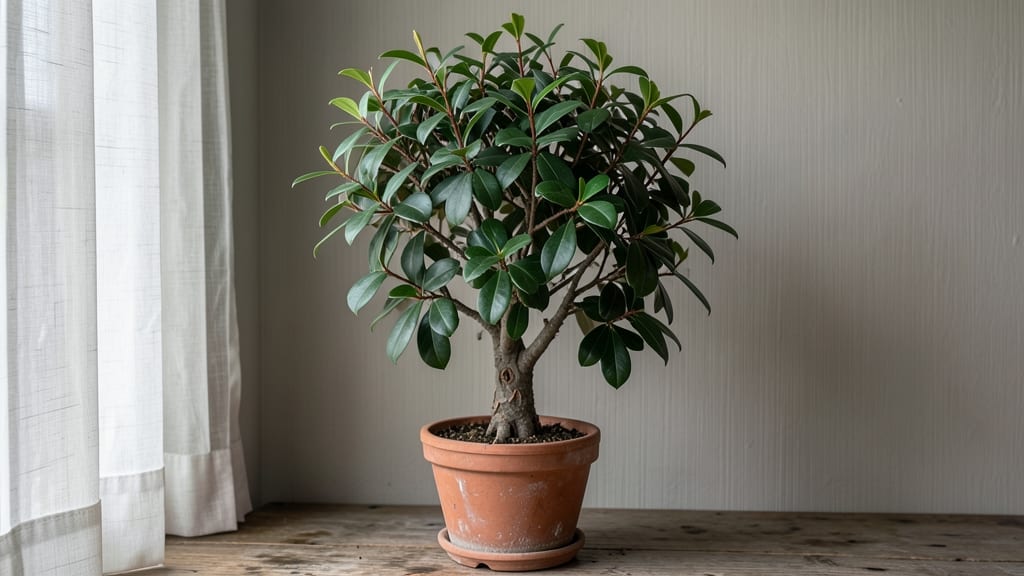
A potted cinnamon tree brings kitchen spice and tropical elegance to any home—if you nail the container setup. I’ve grown these fragrant evergreens for years, and the difference between a thriving plant and a struggling one comes down to soil, drainage, and sunlight.
The key isn’t complicated: mimic its native forest floor with airy, well-draining soil and a pot just slightly larger than its root ball.
Start with a 10- to 15-gallon container (standard 5-gallon pots work for young trees) and mix equal parts potting soil, perlite, and compost. Cinnamon trees hate soggy roots, so add a layer of gravel at the bottom for drainage.
Place your pot where it gets bright, indirect light—think east-facing windows or a shaded patio. Too much direct sun scorches the leaves, while too little slows growth and weakens the plant’s natural fragrance.
By summer, you’ll notice glossy, dark green leaves and the faintest hint of cinnamon in the air when you brush past it. Prune leggy stems in early spring to encourage bushier growth, and fertilize lightly every 4-6 weeks during the growing season.
The payoff? A fragrant, low-maintenance tree that keeps giving—both visually and as a spice source if you’re patient enough to harvest leaves.
Container-grown cinnamon trees adapt well to indoor spaces, but they’ll outgrow small pots in 3-5 years. Plan to repot every 2-3 years to refresh the soil and give roots room to expand.
With the right care, your potted cinnamon will thrive for decades, rewarding you with both beauty and the warm, spicy scent of homegrown cinnamon leaves.
📚 In This Guide
- What you need
- Instructions
- Tips and common mistakes
- Wrapping up and next steps
What you need
- ● Potted Cinnamon Tree (Cinnamomum verum or Cinnamomum camphora): Choose a healthy 1-3 year old sapling from a nursery or online supplier. Ensure it’s labeled as suitable for container growing.
- ● Well-draining potting mix: A blend of 60% peat moss or coconut coir, 20% perlite or pumice, and 20% compost. Aim for a 10-12 inch pot (or larger for mature trees).
- ● Container with drainage holes: Terracotta, ceramic, or plastic pots work well. Ensure it’s at least 12 inches in diameter and depth for a young tree.
- ● Slow-release fertilizer: A balanced, 10-10-10 or 20-20-20 NPK ratio fertilizer designed for citrus or tropical plants.
- ● Watering can with a rose attachment: For gentle, even watering without disturbing the soil.
- ● Pruning shears: Sharp, clean shears for trimming dead or overgrown branches.
- ○ Mulch (optional but recommended): A thin layer of orchid bark or shredded pine bark to retain moisture and regulate temperature.
- ● Gloves: To protect your hands from soil and sap.
- ● pH testing kit: To monitor soil acidity (ideal range: 5.5-6.5 for cinnamon trees).
- ● Humidity tray or pebble tray: Helps maintain 50-70% humidity, especially in dry climates.
- ● Support stake or trellis: For taller varieties to prevent toppling.
- ● Spray bottle: For misting leaves if your home has low humidity.
Step-by-Step guide to growing a thriving potted cinnamon tree
Here’s how I’ve learned to coax these fragrant evergreens into happy, leafy life indoors.
Choose the Right Container and Soil Mix
Start with a 12-15 inch diameter pot—cinnamon trees need room for their roots to spread. I use a well-draining potting mix (equal parts peat moss, perlite, and garden soil) because cinnamon trees hate soggy feet. Add a 2-inch layer of small pebbles or gravel at the bottom for drainage.
If your mix is too dense, the roots will suffocate. Tap the pot gently to settle the soil after filling, but don’t pack it down—you want air pockets for those roots to breathe. A 3-4 inch layer of compost mixed into the top soil provides nutrients without overwhelming the plant.
Plant Your Cinnamon Tree with Care
Remove the tree from its nursery pot and loosen the roots slightly if they’re circling. Place it in the center of your prepared container so it sits at the same depth as it did in the nursery pot. This prevents stem rot from burying too deep.
Fill the gaps around the roots with your potting mix, pressing lightly to eliminate air pockets. Water thoroughly until it drains from the bottom, then let the tree sit for a few days before moving it to its permanent spot. Overwatering now can drown the roots before they adjust.
Position for Light and Humidity
Cinnamon trees thrive in bright, indirect light—think east or west-facing windows. Direct sun can scorch the leaves, so if your tree is near a south window, use a sheer curtain to diffuse the light. You’ll notice the leaves turning pale or crispy if it’s getting too much sun.
Keep humidity high—these tropical trees love it! Place the pot on a tray of pebbles filled with water, or mist the leaves daily. A humidifier nearby works wonders too. If the air feels dry, the edges of the leaves will brown, and the tree may drop them.
Water and Fertilize for Long-Term Growth
Water when the top 1-2 inches of soil feel dry—stick your finger in to check. Overwatering is the #1 killer of potted cinnamon trees, so let the soil dry out between waterings. In winter, reduce watering to every 10-14 days since growth slows.
Feed your tree every 4-6 weeks in spring and summer with a balanced liquid fertilizer (10-10-10 or similar). Cut back to monthly in fall and winter. I always dilute the fertilizer to half-strength—too much can burn the roots and turn the leaves yellow.
Prune and Maintain Year-Round
Prune in late winter or early spring to shape the tree and encourage bushier growth. Use sterilized pruning shears to cut just above a leaf node at a 45-degree angle. This prevents disease and promotes new growth from the cut.
Wipe the leaves occasionally with a damp cloth to remove dust, which can clog pores and reduce photosynthesis. Rotate the pot a quarter turn every few weeks so the tree grows evenly toward the light. With consistent care, your cinnamon tree will reward you with fragrant leaves and lush growth for years.
Tips & tricks for perfect potted cinnamon tree care
These simple strategies will help your fragrant evergreen thrive indoors without the guesswork.
Soil Mix Wisdom: When mixing your well-draining potting blend in Step 1, I recommend adding a handful of orchid bark to the peat moss-perlite mix. This extra chunky material improves aeration while holding just enough moisture—cinnamon trees appreciate that middle ground. The 2-inch gravel layer at the bottom isn't just for drainage; it also helps prevent the roots from sitting in cold, damp conditions that can cause rot.
Transplanting Technique: In Step 2, if your cinnamon tree comes with tightly circling roots, gently tease them apart with your fingers before planting. I've found that cutting a few of the most compacted roots with sterilized scissors actually encourages new root growth. Just be careful not to damage more than 10% of the root ball. After repotting, resist the urge to water immediately—let those roots establish for 3-4 days before giving them a thorough drink.
Light Positioning: For Step 3's bright indirect light requirement, I've had success placing my tree about 3 feet from an east-facing window in winter when sunlight is weaker. In summer, move it slightly farther back to prevent leaf scorch. A simple trick: if you can read a book comfortably near the tree's spot, the light level is just right. And when you notice new growth reaching toward one direction, it's your cue to rotate the pot for even development.
Fertilizer Strategy: When fertilizing in Step 4, I've learned that cinnamon trees respond better to frequent light feedings than heavy doses. Instead of waiting the full 4-6 weeks, I give mine a quarter-strength dose every other week during growing season. This mimics the slow nutrient release they'd get in tropical forest floors. Always water your tree first—fertilizing dry soil can burn delicate roots.
Pro Tips for Potted Cinnamon Tree
- These simple strategies will help your fragrant evergreen thrive indoors without the guesswork.
- Soil Mix Wisdom: When mixing your well-draining potting blend in Step 1, I recommend adding a handful of orchid bark to the peat moss-perlite mix.
- Transplanting Technique: In Step 2, if your cinnamon tree comes with tightly circling roots, gently tease them apart with your fingers before planting.
Frequently asked questions
Got questions about growing your own potted cinnamon tree? You’re not alone—this fragrant evergreen is a favorite, but it does have its quirks! Here are answers to the most common queries to help you cultivate a thriving container plant with ease.
How often should I water my potted cinnamon tree?
A cinnamon tree in a pot needs consistent moisture but hates soggy roots. Water when the top 1–2 inches of soil feel dry (about once a week in summer, less in winter). Ensure the pot has drainage holes to prevent root rot. Pro tip: Use room-temperature water to avoid shocking the roots!
Can I keep my cinnamon tree indoors year-round?
Yes! Cinnamon trees thrive indoors as long as they get bright, indirect light (like near a south or west window). They tolerate cooler temps (down to 50°F), but avoid drafts or sudden temperature swings. If you notice leaf drop, it might need more humidity—try misting or placing it on a pebble tray.
Why are the leaves turning yellow or dropping?
Yellow leaves usually signal overwatering or poor drainage. Let the soil dry slightly between waterings and check for root rot (smelly, mushy roots = bad news). Brown edges? It might need more humidity or less direct sun. Fix it fast: Trim damaged leaves and adjust care.
What’s the best soil mix for a potted cinnamon tree?
Use a well-draining mix like 50% potting soil + 30% perlite + 20% compost. Cinnamon trees dislike soggy feet, so avoid heavy garden soil. For extra fluff, add orchid bark or coconut coir. Bonus: Repot every 2–3 years to refresh nutrients!
Can I grow cinnamon sticks from my potted tree?
Not quite! The bark of a Cinnamomum verum (true cinnamon) tree is what we use for sticks, but potted varieties (like Cinnamomum camphora) produce fragrant leaves—not spice. For sticks, buy from specialty stores or grow Cinnamomum burmannii in a tropical climate. Still, your tree’s leaves make a delicious tea—just steep them gently!
Wrapping up and next steps
Growing a potted cinnamon tree is a rewarding way to bring tropical charm and fragrant magic into your home—no sprawling yard required! 🌿 With the right care, this versatile evergreen will thrive in containers, offering lush foliage, aromatic leaves, and even delicious bark for spicing up your favorite recipes.
Whether you're a beginner or a seasoned plant parent, this fragrant companion is a joy to nurture.
Ready to take the next step? Start small—choose a healthy cutting or seedling, and give it the love it deserves. Before you know it, you’ll be harvesting cinnamon sticks straight from your windowsill! 🌱