
Pruning
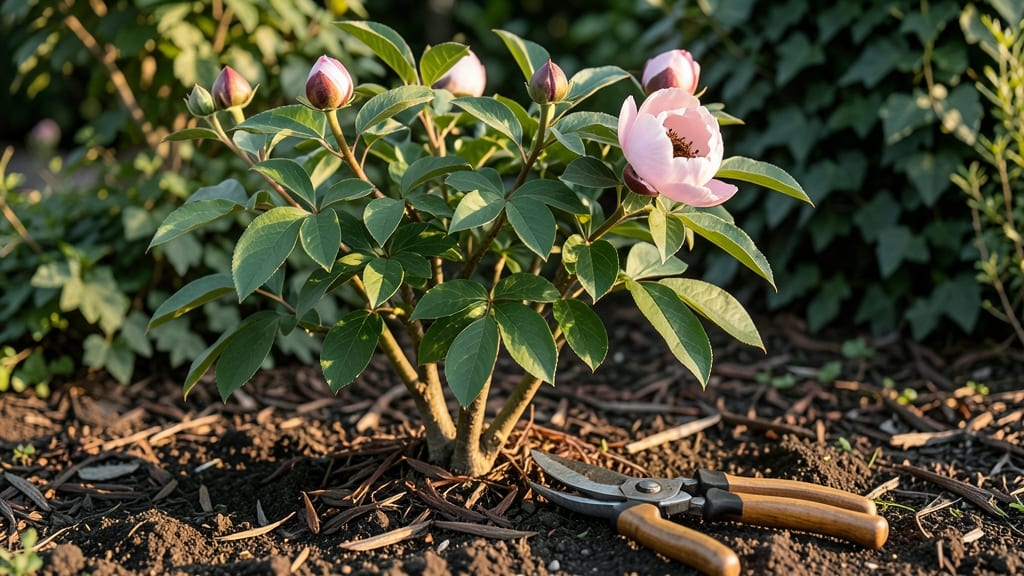
Pruning tree peonies isn’t just about cutting back—it’s the secret to year-round blooms that make your garden the envy of the neighborhood.
I’ve pruned these stunners for over a decade, and the difference between a few sad blooms and a bush bursting with flowers comes down to three precise cuts made at the right time. The key?
Timing isn’t just seasonal—it’s tied to when the plant is dormant, when new growth starts, and when those fat buds form.
You’ll need just three tools: sharp pruners, rubbing alcohol (to sterilize cuts), and a bucket for clippings. The real magic happens in late winter or early spring, right after the last frost but before buds swell.
Most gardeners mess this up by pruning too early or too late—either way, you risk stunting blooms or inviting disease.
My first pruning attempt left me with a bush that barely flowered, but once I nailed the timing, those pink and coral blooms came back bigger and more abundant than ever.
After pruning, your tree peony will reward you with stronger stems, more buds, and fewer floppy branches. The cuts should always be clean—no jagged edges—and made just above a bud or node.
This isn’t a guesswork game; it’s about strategic removal to redirect the plant’s energy where you want it. Within weeks, you’ll see fresh green growth pushing through, and by summer, your bush will be a showstopper that keeps blooming well into fall.
This method works whether you’re dealing with a mature bush or a young plant—just adjust the cuts based on size. And don’t worry if you’ve never pruned before; the steps are straightforward, and I’ll walk you through every detail.
Let’s get those shears ready and turn your tree peony into the star of your garden again.
📚 In This Guide
- What you need
- Instructions
- Tips and common mistakes
- Wrapping up and next steps
What you need
- ● Bypass pruners – Sharp, high-quality (1 pair) for clean cuts on smaller stems.
- ● Loppers – Heavy-duty (1 pair) for thicker branches (1/2"–2" diameter).
- ● Pruning saw – (1) for stubborn, woody stems (2"+ diameter).
- ● Disinfectant – (1 bottle) (70% isopropyl alcohol or pruning sealant) to sterilize tools between cuts and prevent disease.
- ● Gloves – (1 pair) (gardening or cut-resistant) to protect hands from thorns and sap.
- ● Rake or broom – (1) for clearing debris post-pruning.
- ● Trash bags – (1–2) for disposing of pruned branches.
- ● Hand pruners – For precision trimming of tiny stems or deadheading spent blooms.
- ● Pruning shears – (1 pair) with long handles for reaching high branches safely.
- ○ Pruning sealant – (1 small bottle) to coat large cuts and reduce sap loss (optional for tree peonies).
- ● Ladder or step stool – (1) if your tree peony is tall (6+ feet).
- ● Notebook & pen – To sketch a quick map of your pruning plan if needed!
How to prune tree peonies for lush, long-lasting blooms
Here’s the straightforward approach I’ve used for years—no guesswork, just three clean cuts that keep your tree peonies thriving.
✂️ Step 1: Prune Immediately After Flowering
Wait until after all blooms have faded and the foliage begins to yellow naturally. This timing is critical—cutting too early removes next year’s flower buds, while waiting too long risks disease. Use sharp, clean pruners to avoid tearing stems.
Remove spent blooms down to the first set of healthy leaves below the flower. This encourages the plant to focus energy on next year’s buds rather than seed production. I like to make the cut at a 45-degree angle just above a leaf node to prevent water from pooling.
Leave the entire leaf attached—those leaves photosynthesize and feed the roots, giving your peony strength for the next bloom cycle. If you’re unsure whether a stem is dead, wait until late winter to assess.
✂️ Step 2: Thin Out Crowded Stems in Late Summer
In late August or early September, inspect your tree peony for stems that are thinner than a pencil or growing in a crowded cluster. These stems compete for nutrients and often produce weak, small blooms—or none at all.
Select 2-3 of the strongest, thickest stems per plant and prune the rest back to the ground. I aim to leave stems that are at least ½ inch in diameter at the base. Thin stems rarely produce quality blooms and can overcrowd the plant.
This step is where you’ll see the biggest difference in bloom size the following year. The fewer stems competing, the more energy each gets to develop large, vibrant flowers.
✂️ Step 3: Clean Up Dead or Weak Growth in Late Winter
In late February or early March, before new growth appears, inspect your tree peony for dead, broken, or weak stems. These are easy to spot—they’re hollow, brown, or mushy when you squeeze them gently.
Cut these stems back to the ground using clean pruners. Avoid leaving stubs, as they can harbor pests or disease. If you’re unsure whether a stem is alive, scratch the bark with your fingernail—green underneath means it’s still viable.
This is also the time to remove any last year’s browned leaves that haven’t fallen naturally. Rake them away and dispose of them in the trash (not the compost) to prevent fungal diseases from spreading.
✂️ Step 4: Shape and Maintain (Optional but Helpful)
If your tree peony has grown lopsided or overly bushy, use this step to reshape it lightly in late winter. Focus on opening up the center so air circulates better—this reduces humidity and prevents fungal issues.
Trim back any stems that are growing inward or crossing over others. Make cuts just above a leaf node, and avoid removing more than one-third of the plant’s total stems in a single year. Tree peonies are resilient, but they don’t like drastic changes.
After pruning, give your tree peony a light layer of mulch (about 2 inches deep) to protect the roots from temperature swings. This step is optional but helps retain moisture and keeps weeds at bay.
Tips & tricks for pruning tree peonies
Here's what nobody tells you about keeping your tree peonies blooming beautifully year after year.
Timing is everything: The exact moments matter most—prune spent blooms immediately after they fade (not before!), and thin crowded stems specifically in late August or early September. I learned this the hard way after accidentally pruning too early and losing next year's buds. The plant needs that foliage to feed its roots until winter.
Tool prep prevents problems: Always use sharp, clean pruners and disinfect them with rubbing alcohol between cuts. Dull blades tear stems, creating wounds that invite disease. I keep a small bottle of alcohol in my gardening toolkit—it takes 10 seconds to wipe down blades and prevents fungal spread between plants.
Visual cues for healthy stems: When assessing stems in late winter, look for green underneath the bark when you scratch it—this means the stem is alive. Hollow, brown, or mushy stems are dead and should be removed completely. I also check for last year's browned leaves that haven't fallen naturally—these should be raked away immediately to prevent fungal diseases.
Mulch matters: After your final pruning in late winter, apply a 2-inch layer of mulch around the base (but not touching the stems). This protects roots from temperature swings and retains moisture. I use shredded bark mulch because it breaks down slowly and improves soil structure over time.
Pro Tips for Pruning Tree Peonies
- Here's what nobody tells you about keeping your tree peonies blooming beautifully year after year.
- Timing is everything: The exact moments matter most—prune spent blooms immediately after they fade (not before!), and thin crowded stems specifically in late August or early September.
- Tool prep prevents problems: Always use sharp, clean pruners and disinfect them with rubbing alcohol between cuts.
Frequently asked questions
Got questions about pruning tree peonies? You’re not alone! Here are answers to the most common concerns—so you can keep your blooms thriving with confidence.
When is the best time to prune tree peonies?
Prune tree peonies right after they finish blooming (late spring to early summer). This timing ensures you remove spent flowers while leaving enough foliage for energy storage. Avoid pruning in fall or winter, as new growth may not survive cold snaps.
What if I missed the ideal pruning window?
Don’t stress! You can prune tree peonies lightly in late summer or early fall—just avoid heavy cuts. Focus on removing dead or diseased branches and shaping the plant. Avoid pruning in winter, as it can stress the plant before dormancy.
How do I know if I’m cutting too much?
Tree peonies are hardy, but never remove more than 1/3 of the plant at once. Look for healthy buds (swollen areas) along the stems—these indicate where new growth will emerge. If you see bare stems with no buds, you’ve likely pruned too aggressively.
Can I prune tree peonies for bigger blooms?
Yes! To encourage larger flowers, prune back to a strong outward-facing bud (not inward). This redirects energy toward fewer, showier blooms. Avoid cutting into old wood—always leave 1–2 inches above a healthy bud for the best results.
What if my tree peony has dead or diseased branches?
Remove any branches that are blackened, mushy, or oozing sap immediately with sterilized pruners. Cut back to healthy wood, then dispose of the clippings (don’t compost them). After pruning, treat the plant with a fungicide if needed to prevent reinfection.
Wrapping up and next steps
Pruning your tree peonies doesn’t have to be intimidating—just a few strategic cuts can transform your garden into a year-round blooming paradise! 🌸 By following the right timing and techniques, you’ll encourage stronger growth, more vibrant flowers, and healthier plants.
Whether you’re a seasoned gardener or just starting out, this simple process will give you confidence (and stunning results) in no time.
Ready to take the next step? Grab your pruners, mark your calendar, and start pruning in early spring—your future blooms will thank you! For extra inspiration, join gardening communities or explore tree peony varieties to find your perfect match.