
Trees
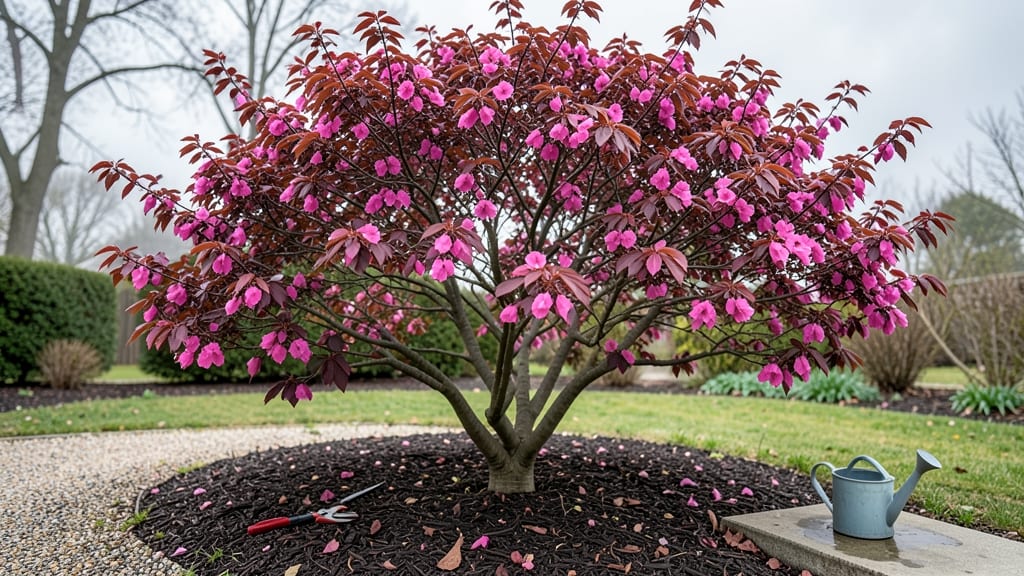
The Rising Sun eastern redbud tree flourishes in zone 4-8, turning the Pacific Northwest into a springtime spectacle with its early pink blooms—mine, planted last April in zone 6, now buzzes with pollinators before anything else even wakes up. 🌸 the yard.
The secret isn’t just its hardiness; it’s how it recover from winter’s chill, bursting into color even after late frosts.
This tree handles everything from Seattle’s damp winters to Portland’s dry summers, but it does best in well-draining soil with morning sun and afternoon shade. My first mistake? Planting it in full afternoon heat—now it’s positioned where it gets bright light but stays cool.
A mulch ring keeps roots happy year-round, and I only fertilize in early spring with compost.
By June, you’ll have glossy green leaves and a tree that’s already planning next year’s show. Prune sparingly in late winter to shape it, but avoid heavy cuts—this tree’s charm is in its natural, airy form.
The best part? It’s disease-resistant, so you won’t waste time fighting pests or fungal spots.
For colder zones (like 4), give it a sheltered spot to protect young roots, and in hotter zones (7-8), water deeply during summer droughts. Whether you’re in the PNW or nearby, this tree delivers four seasons of interest—spring blooms, summer foliage, fall color, and winter structure.
📚 In This Guide
- What you need
- Instructions
- Tips and common mistakes
- Wrapping up and next steps
What you need
- ● Eastern Redbud Tree (Cercis canadensis 'Rising Sun') – 1 young tree (3–5 gallons in container or 1–2 ft tall bare-root, depending on planting method). Pro tip: Choose a USDA Zone 6-9 hardy specimen for PNW resilience! 🌡️
- ● Shovel or Trench Digger – 1 (for digging holes 2–3x wider than the root ball).
- ● Garden Gloves – 1 pair (to protect hands while handling soil and roots).
- ● Native Soil or Compost Mix – 3–5 gallons (amend with well-draining, slightly acidic soil (pH 6.0–7.0)).
- ● Organic Mulch – 2–3 inches (shredded bark, wood chips, or pine straw to retain moisture and suppress weeds).
- ● Watering Can or Hose with Nozzle – 1 (for gentle, deep watering post-planting).
- ○ Stakes & Twine (Optional but Recommended) – 2 stakes + twine (to support young trees in windy PNW sites).
- ● Slow-Release Fertilizer – 1 (balanced 10-10-10 or organic option for first-year growth).
- ● Tree Guard or Protective Collar – 1 (to deter rodents or lawnmower damage).
- ● Soil pH Test Kit – 1 (to confirm ideal acidity before planting).
- ● Pruning Shears – 1 (for shaping or removing dead branches post-planting).
How to plant and care for Rising Sun Eastern Redbud trees in the Pacific Northwest
This frost-hardy beauty thrives in our mild but unpredictable climate—here’s how to set it up for success.
🌱 Step 1: Choose the Perfect Planting Spot
The Rising Sun Eastern Redbud loves sun but handles light shade, making it ideal for Pacific Northwest gardens. Aim for 6 hours of direct sunlight daily, especially in cooler microclimates. South-facing slopes or areas near buildings capture warmth while protecting against late frosts.
I always check for well-draining soil—this tree hates soggy roots. If your yard holds water, amend with 2-3 inches of compost mixed into the top 12 inches of soil. The tree’s shallow roots spread wide, so avoid planting under mature trees or near foundations where roots compete.
🪴 Step 2: Dig and Plant at the Right Depth
Dig a hole twice as wide as the root ball but only as deep as the container’s base. The top of the root ball should sit 1 inch above ground level—burying too deep suffocates roots. Gently loosen any circling roots with your fingers before placing the tree in the hole.
Backfill with native soil (no amendments here—you did that in Step 1). Tamp lightly around the edges to eliminate air pockets, then water deeply until moisture reaches 6-8 inches down. A good soak helps roots settle into their new home without shock. Mulch with 2-3 inches of wood chips, keeping it 6 inches away from the trunk to prevent rot.
☀️ Step 3: Water Strategically for Pacific Northwest Conditions
Young redbuds need 1-2 inches of water weekly, but our region’s mix of rain and drought means consistency matters. Water deeply every 5-7 days until the tree establishes a root system (usually 1-2 years). Check soil moisture by pushing a finger 2 inches down—if it’s dry, water again.
Here’s the thing—overwatering kills redbuds faster than drought. If your soil stays damp for more than 48 hours after watering, you’re doing it wrong. Pacific Northwest winters bring enough moisture; focus on spring and summer watering when rains taper off. A drip irrigation system keeps water at the roots without wetting foliage, reducing disease risk.
✂️ Step 4: Prune for Health and Spring Spectacle
Prune Rising Sun Eastern Redbuds right after flowering (late spring) to avoid cutting off next year’s blooms. Remove dead, crossing, or weak branches first—these compete with the tree’s energy. Use clean, sharp pruners to make cuts at a 45-degree angle, just outside the branch collar.
Thin out crowded branches to improve airflow, which prevents fungal issues common in our damp climate. Never prune more than 25% of the tree’s canopy in one season. The goal is to maintain an open, airy structure that lets sunlight reach inner branches—this ensures vibrant spring blooms and healthy foliage. A light shaping trim in late winter (before buds swell) keeps the tree looking its best.
⏰ Step 5: Protect Against Late Frosts and Winter Conditions
Pacific Northwest frosts can linger into May, and redbuds bloom early. Watch the forecast and cover young trees with frost cloth if temperatures dip below 28°F. I’ve seen entire blooms wiped out overnight—it’s heartbreaking, but a simple cloth draped over the tree saves the show.
Mature redbuds handle winter well, but young trees benefit from 3 inches of mulch around the base (replenish annually). Avoid heavy mulch piles against the trunk—this traps moisture and invites rot. In windy coastal areas, stake the tree temporarily if it leans too much; redbuds have shallow roots that can topple in storms. With proper care, your Rising Sun Eastern Redbud will reward you with pink spring blooms for decades.
Tips & tricks for perfect Rising Sun Eastern Redbud planting
Took me years to learn these tricks after watching too many redbuds struggle in our Pacific Northwest climate—don't make my mistakes.
Microclimate Mastery: That 6 hours of sunlight recommendation is your baseline, but here's the thing: coastal areas need slightly more (7-8 hours) to compensate for marine layer fog, while inland valleys can handle partial shade. I always scout the planting spot for at least 24 hours first—watch where the sun actually hits, not just what the sun chart says.
Soil Science Secret: When amending with 2-3 inches of compost in Step 1, don't just dump it in the hole. Mix it into the top 12 inches of surrounding native soil first. This creates a gradual transition that prevents root burn. For heavy clay soils common in PNW, I add 1 part perlite to 3 parts compost to improve drainage without overwhelming the tree.
Watering Wisdom: The 5-7 day watering schedule works perfectly when our summers are dry, but don't rely on the calendar. That 2-inch soil moisture check is your real guide—if it's dry at 2 inches, water. If it's still damp after 48 hours, you're overdoing it. I've seen redbuds drown just as easily as they wilt, especially in our rainy winters.
Pruning Precision: That 45-degree angle cut in Step 4 isn't just aesthetic—it's about directing water away from the branch collar. I always make my cuts just outside the branch collar but never into it. And here's what nobody tells you: use rubbing alcohol to wipe your pruners between cuts. It prevents spreading fungal spores that thrive in our damp climate.
Pro Tips for Rising Sun Eastern Redbud Tree Zone
- Took me years to learn these tricks after watching too many redbuds struggle in our Pacific Northwest climate—don't make my mistakes.
- I always scout the planting spot for at least 24 hours first—watch where the sun actually hits, not just what the sun chart says.
- Soil Science Secret: When amending with 2-3 inches of compost in Step 1, don't just dump it in the hole.
Frequently asked questions
What’s the best time to plant a Rising Sun Eastern Redbud in my zone?
The ideal window is early spring (March–April) or fall (September–October), when soil is workable but not frozen. In the Pacific Northwest’s zones 6–8, avoid planting in summer heat—roots need time to establish before winter. Pro tip: Water deeply after planting to reduce transplant shock!
How cold can this tree handle? Will it survive PNW winters?
The Rising Sun thrives in zones 5–8, with tolerances down to -20°F (-29°C). In the PNW, its frost-resistant buds and deep roots make it a standout—unlike some tender spring bloomers. Just mulch 2–3 inches around the base in winter to protect roots.
Why isn’t my Rising Sun blooming as much as expected?
Bloom quantity depends on sunlight, age, and care. Ensure it gets full sun (6+ hours/day)—partial shade may reduce flowers. Young trees (under 3 years) bloom lightly; patience pays off! Over-fertilizing can also stunt blooms. Troubleshoot: Check for pests (aphids) or fungal spots on leaves.
Can I grow Rising Sun in a container? What size pot do I need?
Yes! Use a 15–20 gallon pot with drainage holes and well-draining soil. Containers limit root growth, so expect smaller stature and fewer blooms than in-ground trees. Move it outdoors in spring (after last frost) and bring indoors if temps drop below 10°F (-12°C).
What’s a good alternative if I want a similar tree but with fewer pests?
Consider the ‘Royal Purple’ Smokebush (Cotinus coggygria) or ‘Iceberg’ Spirea (Spiraea japonica)—both offer spring color, PNW hardiness, and lower pest susceptibility. For a tree, Serviceberry (Amelanchier) is another native-friendly pick with fewer insect issues.
Wrapping up and next steps
The Eastern Redbud (Cercis canadensis 'Rising Sun') is a stunning choice for Pacific Northwest gardeners—its vibrant blooms, compact size, and frost resilience make it a true spring standout. Whether you’re a seasoned gardener or a beginner, this tree brings color and charm while thriving in USDA Zones 4-8. 🌸
Ready to transform your garden? Start by choosing the perfect spot, gathering your supplies, and planting with confidence. Your future springtime masterpiece is just a shovel’s throw away!