
Trees
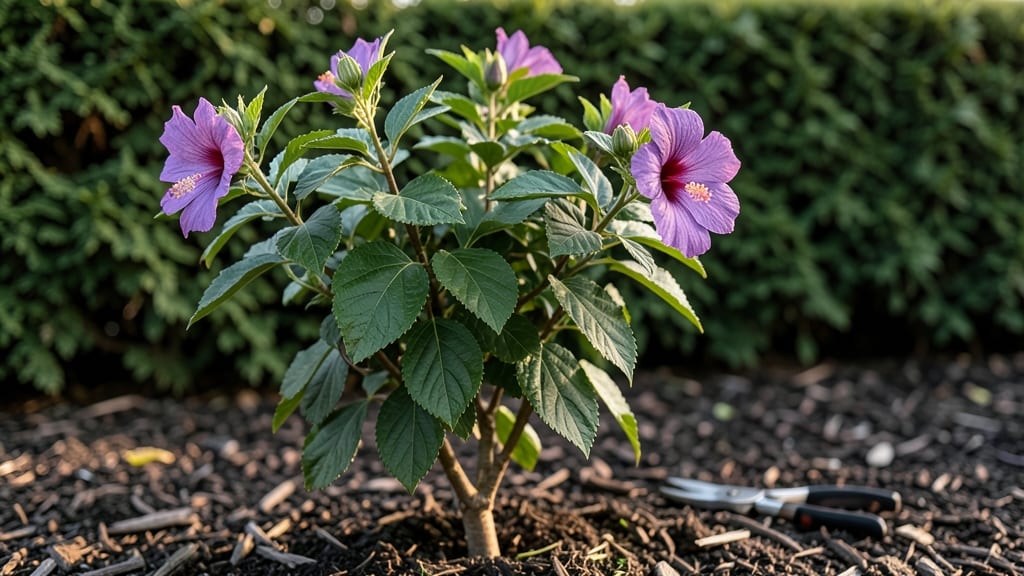
When your Rose of Sharon tree leaves start looking sad—yellowed, spotted, or crispy—it’s time to act fast. 🌿 I’ve nursed back more than a few of these trees from near-death to blooming glory, and the key is spotting the problem early.
Whether it’s thirst, pests, or disease, the fix often comes down to a few simple adjustments you can make in hours, not weeks.
Start by checking the leaves up close: are they dry and crunchy, or soft and slimy? Yellowing often means overwatering or poor drainage, while brown spots could signal fungal issues or spider mites hiding on the undersides.
Once you identify the culprit—whether it’s powdery mildew or aphids—you’ll know exactly what to treat: prune out the worst, spray with neem oil, or adjust your watering routine.
📚 In This Guide
- What you need
- Instructions
- Tips and common mistakes
- Wrapping up and next steps
What you need
- ● Garden gloves – A pair of durable, well-fitted gloves (e.g., nitrile-coated for protection against thorns and sap).
- ● Pruning shears – Bypass pruners (sharp, clean, and sanitized) for trimming dead or diseased leaves/branches. Avoid dull tools!
- ● Garden trowel or small shovel – For gently loosening soil around the tree’s base (6–12 inches deep).
- ● Watering can or hose with adjustable nozzle – A gentle spray setting to avoid damaging tender leaves.
- ● Balanced fertilizer – A slow-release granular fertilizer (e.g., 10-10-10 or 20-20-20) or organic compost (like worm castings or aged manure). Dosage: Follow package instructions (typically 1–2 lbs per tree).
- ○ Mulch (optional but recommended) – 2–4 inches of organic mulch (e.g., shredded bark, pine straw) to retain moisture and regulate soil temperature.
- ● Fungicide (if needed) – A copper-based or neem oil spray (e.g., Bonide Copper Fungicide) if fungal issues like powdery mildew are suspected.
- ● pH test kit – To check soil acidity (ideal range for Rose of Sharon: 6.0–7.0).
- ● Notebook & pen – For tracking progress, symptoms, and treatment dates.
- ● Soil moisture meter – To monitor root-zone hydration without guesswork.
- ● Tree banding or reflective tape – Protects the trunk from sunburn or pest damage (especially for young trees).
- ● Compost tea or liquid seaweed fertilizer – A foliar spray for a quick nutrient boost (dilute as directed).
- ● Pest control traps or beneficial insects – Ladybugs or lacewings to combat aphids or spider mites.
- ● Camera or smartphone – Document the tree’s condition before/after treatment for reference.
Step-by-Step guide to diagnosing and reviving struggling Rose of Sharon leaves
Here's how I quickly assess and restore health to wilting foliage—no guesswork involved.
🌿 Step 1: Examine the Leaves for Key Visual Clues
Start by inspecting the undersides of leaves for pests like spider mites or aphids—these tiny invaders suck sap and cause yellowing. Hold a white sheet of paper beneath branches and tap lightly; falling specks confirm their presence. Check leaf edges for crispy brown spots, a sign of dehydration or fungal issues.
Next, look at the leaf pattern: uniform yellowing across the entire leaf often signals overwatering, while yellowing that starts at the edges points to underwatering. Here's the thing—Rose of Sharon leaves are tough, but they'll show you exactly what's wrong if you know what to look for.
💧 Step 2: Check Soil Moisture and Watering Habits
Stick your finger 2-3 inches deep into the soil—if it feels completely dry, that's your first sign of underwatering. Rose of Sharon thrives when the top 4-6 inches of soil remain consistently moist but never soggy. Water deeply until you see moisture reach those lower layers, then wait until the top inch feels dry before watering again.
I always water in the morning so leaves have all day to dry—this prevents fungal diseases that love damp foliage. If your soil drains poorly, mix in 2-3 inches of compost around the base to improve aeration without disturbing roots.
☀️ Step 3: Assess Light Exposure and Adjust Immediately
Rose of Sharon needs full sun to partial shade—at least 6 hours of direct sunlight daily. If leaves are pale and leggy, your tree isn't getting enough light. Move it to a sunnier spot or prune nearby branches blocking sunlight. On the flip side, if leaves are scorched with brown patches, it's getting too much harsh afternoon sun.
Here's a quick test: If you can see your shadow at noon and it's shorter than your tree's height, it's getting enough light. If not, supplement with dappled shade during peak afternoon hours until you can relocate it permanently.
✂️ Step 4: Prune Damaged Foliage and Stimulate New Growth
Using clean, sharp pruners, trim away any leaves that are more than 30% brown or diseased. Cut just above a healthy leaf node to encourage new growth. Never prune more than one-third of the plant at once—this stresses the tree and slows recovery.
After pruning, give the tree a balanced fertilizer (10-10-10 ratio) to help it bounce back. Water thoroughly right after fertilizing to help nutrients absorb quickly. You'll see new leaves emerge within 2-3 weeks if the roots are healthy.
🌱 Step 5: Protect Against Pests and Fungal Issues
For spider mites or aphids, spray leaves with neem oil solution (1 tablespoon per quart of water) in the early evening. Cover the entire plant, including undersides, for best results. Reapply every 5-7 days until pests disappear—patience is key here.
If you spot powdery mildew (white powdery coating), improve airflow by pruning dense branches and water at the base instead of overhead. A baking soda spray (1 teaspoon baking soda + 1 quart water + drop of dish soap) works wonders as a preventive treatment.
Tips & tricks for reviving Rose of Sharon leaves
These quick tricks will help you diagnose and fix your tree's foliage issues before they become permanent problems.
Pest Detection Shortcut: For faster pest identification, use a magnifying glass to inspect leaf undersides during Step 1. Spider mites appear as tiny red dots, while aphids look like small green or black bumps. I keep a small magnifier in my gardening toolkit specifically for this purpose—it saves time and prevents missed infestations.
Soil Moisture Test: In Step 2, when checking soil moisture, press your finger deeper than 2-3 inches—down to about 4 inches. If this deeper layer feels dry too, your tree needs more frequent watering. The top 4-6 inches staying moist is crucial, but don't ignore what's happening below that zone. I've seen many gardeners overlook this deeper check, leading to root stress.
Light Exposure Hack: During Step 3's sunlight assessment, use your phone's flashlight at noon to test light penetration. Shine it through the leaves—if light barely passes through, your tree needs more sun. This quick test gives you instant feedback about light conditions without waiting for shadow changes. I've used this trick to identify light issues in just minutes.
Pruning Efficiency: When pruning in Step 4, collect all the removed leaves in a bag and examine them later. This helps you track patterns—like all brown spots appearing on the south side—which reveals whether you're dealing with sunburn or disease. I've caught early signs of fungal issues this way before they spread to healthy leaves.
Pro Tips for Rose Of Sharon Tree Leaves
- These quick tricks will help you diagnose and fix your tree's foliage issues before they become permanent problems.
- Pest Detection Shortcut: For faster pest identification, use a magnifying glass to inspect leaf undersides during Step 1.
- Soil Moisture Test: In Step 2, when checking soil moisture, press your finger deeper than 2-3 inches—down to about 4 inches.
Frequently asked questions
Got questions about your Rose of Sharon tree leaves? You’re not alone! Here are answers to the most common concerns—from identification to revival—so you can keep your tree thriving.
How do I tell if my Rose of Sharon leaves are healthy or dying?
Healthy leaves are deep green, glossy, and firm to the touch. Look for yellowing, browning edges, or wilting as red flags. Check for pests (like spider mites) or fungal spots on the undersides. If leaves drop prematurely or appear leathery or crispy, your tree may need water, pruning, or nutrient adjustments.
Why are my Rose of Sharon leaves turning brown in summer?
Brown leaves in summer usually mean heat stress, underwatering, or sunburn. This drought-tolerant tree still needs 1–1.5 inches of water weekly (more in extreme heat). Mulch the base to retain moisture, and avoid overhead watering. If browning persists, check for root rot (soggy soil) or powdery mildew (white fuzzy patches).
Can I prune Rose of Sharon leaves mid-season to fix issues?
Yes! Prune dead, diseased, or overcrowded branches anytime, but wait until spring or early fall for major shaping. Use sterilized shears to cut just above a bud or leaf node. Avoid heavy pruning in late summer—it stresses the tree before winter. Never prune more than 25% of the foliage at once.
What’s a good alternative if my Rose of Sharon leaves keep dying?
If your tree struggles in your climate, try these low-maintenance, drought-tolerant alternatives with similar beauty:
- Crapemyrtle: Vibrant blooms, heat-resistant, and pest-hardy.
- Forsythia: Early spring yellow flowers, thrives in poor soil.
- Japanese Snowbell: Fragrant white flowers, shade-tolerant.
- Butterfly Bush: Fast-growing, attracts pollinators, and tolerates urban conditions.
My Rose of Sharon leaves are curling—what’s wrong?
Curling leaves often signal pests (like spider mites or aphids) or environmental stress. Spray leaves with neem oil (for pests) or increase humidity (if air is dry). Check soil moisture—underwatering causes leaf edges to curl upward, while overwatering leads to yellowing and downward curl. If curls are sticky, sap-sucking insects may be the culprit.
Wrapping up and next steps
Your Rose of Sharon tree is a stunning addition to any landscape, and with the right care, its leaves can thrive for years to come! 🌿 Whether you’re diagnosing yellowing, wilting, or pests, remember that early action is key—pruning, proper watering, and soil health make all the difference.
Now that you’re armed with the know-how, take that next step: inspect your tree today, make adjustments, and watch it bloom beautifully!
🌱 Pro Tip:
Need a quick refresh? Snap a photo of your leaves and compare them to the guide above—you’ve got this!