Trees
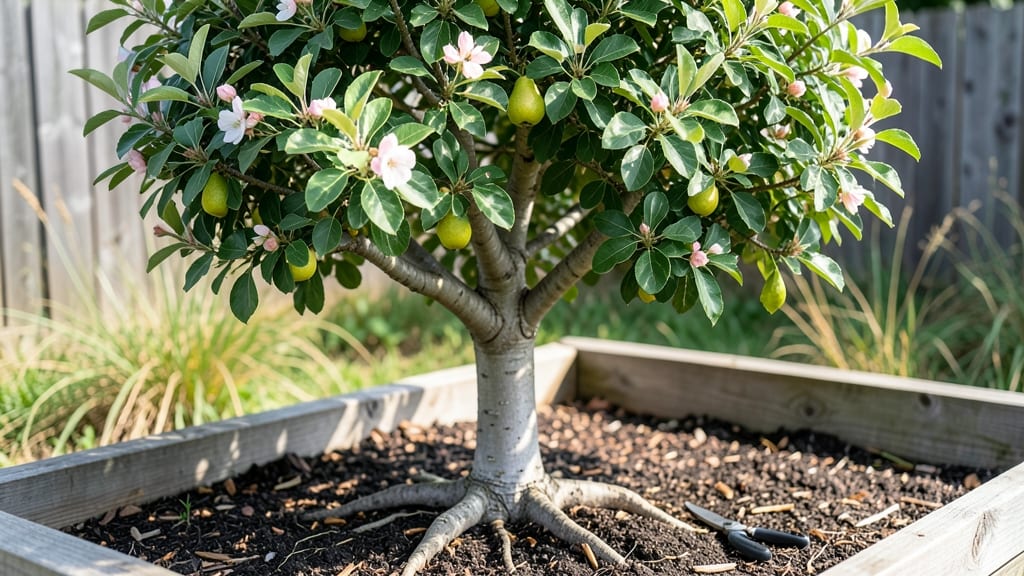
Growing Seckel pear trees in your backyard means sweet, juicy fruit without needing acres of space. These cold-hardy dwarf varieties thrive in small gardens, producing flavorful pears year after year with minimal fuss.
I planted mine last spring, and they’re already outpacing full-size trees in productivity—despite taking up just a fraction of the room.
The secret lies in their adaptability: they handle zones 4 through 8, tolerate partial shade, and even grow well in containers if your yard is tight. You’ll need well-draining soil with a pH between 6.0 and 7.0, but don’t stress—amendments like compost work wonders if your native soil is heavy.
A single tree can produce 50-100 pounds of fruit annually, making it a high-reward, low-maintenance choice.
By late summer, you’ll be harvesting pears that stay fresh for weeks on the tree—no need for special storage. The fruit ripens in clusters, so you can pick just what you need and let the rest mature.
Prune lightly in winter to shape the tree, and watch as it rewards you with buttery, honey-sweet pears that taste better than anything from the store.
Perfect for urban gardens, patios, or even large containers. Whether you’re a first-time fruit grower or expanding your orchard, these trees deliver foolproof results with almost no effort. Ready to grow your own pear harvest?
📚 In This Guide
- What you need
- Instructions
- Tips and common mistakes
- Wrapping up and next steps
What you need
- ● Seckel pear tree: 1–3 dwarf varieties (3–6 ft tall at maturity) from a reputable nursery (ensure they’re grafted for disease resistance).
- ● Container (if potted): 1–2 large pots (15–20 gallons each) with drainage holes, or a raised bed (4’ x 4’ minimum).
- ● Well-draining soil: 50% native soil + 50% compost or a high-quality potting mix (avoid heavy clay).
- ● Organic fertilizer: 10-10-10 or fruit-tree-specific blend (follow package rates).
- ● Mulch: 2–3 inches of wood chips or straw (keep 6” away from the trunk).
- ● Watering can or hose with nozzle: For deep, consistent watering (1–2 gallons per tree, 2–3x/week).
- ● Pruning tools: 1 pair of bypass pruners (for small branches).
- ● 1 pruning saw (for thicker limbs).
- ● 1 sterilizing solution (rubbing alcohol or bleach) to prevent disease.
- ○ Stakes & ties (optional): 2–3 stakes and soft tree ties if planting in windy areas.
- ○ Frost cloth (optional): For young trees in cold climates (Zone 5 and below).
- ○ Pest control (optional):** Neem oil spray or insecticidal soap for aphids/mites.
- ● Sunlight: Full sun (6–8 hours daily) for optimal fruit production.
- ● Climate: USDA Zones 5–9 (Seckels thrive in cold but need winter chill hours).
- ● Space: 6–8 feet between trees (or 10+ ft if spacing for pollinators).
- ● Water access: Drip irrigation or a reliable watering system (drought stress = smaller fruit!).
How to plant and care for Seckel pear trees in small gardens
These cold-hardy, dwarf trees thrive with the right approach—here's how to grow them successfully.
Choose the Right Location and Prepare the Soil
Seckel pears need 6-8 hours of full sun daily, but they tolerate partial shade better than many fruit trees. I always pick a spot with morning sun and afternoon shade if summers run hot in your area—this prevents sunburn on the fruit. Avoid low spots where cold air settles, as even these cold-hardy trees can suffer frost damage.
Test your soil before planting. Seckel pears prefer slightly acidic to neutral soil (pH 6.0-7.0). If your soil is heavy clay, mix in 2-3 inches of compost from your materials list to improve drainage and fertility. Work the compost into the top 12 inches of soil, creating a loose, crumbly texture that roots will love. Avoid fresh manure—it can burn young roots and disrupt the soil's natural balance.
Plant at the Correct Depth and Spacing
Dig a hole twice as wide as the root ball but no deeper—planting too deep can suffocate the roots. Gently loosen the roots if they're circling the root ball, but don't prune them unless they're severely tangled. Place the tree in the hole so the graft union (the bump where the tree was grafted) sits 2-3 inches above soil level. This prevents it from being buried, which can cause rot.
Backfill with native soil mixed with a handful of slow-release fertilizer (like 10-10-10) to give the tree a nutrient boost without overwhelming it. Water deeply to settle the soil, then add a 2-3 inch layer of mulch around the base, keeping it 6 inches away from the trunk. This conserves moisture and regulates soil temperature. Seckel pears planted 15-20 feet apart give each tree enough space to thrive without competing for resources.
Water Deeply and Establish a Regular Care Routine
Water deeply once a week during the first growing season, providing 1-2 gallons per tree each time. The goal is to encourage deep root growth—shallow watering leads to weak roots that struggle later. You'll know you're watering enough when the soil 12 inches down stays consistently moist but not soggy. Overwatering is just as harmful as underwatering, especially in heavy clay soils.
Start fertilizing in early spring with a balanced 10-10-10 fertilizer, applying ¼ pound per year of tree age (e.g., ¼ pound for a 1-year-old tree, ¾ pound for a 3-year-old). Spread the fertilizer 6 inches away from the trunk and water it in immediately. Avoid high-nitrogen fertilizers—they promote leafy growth at the expense of fruit production. Prune in late winter or early spring before buds swell, removing any dead, diseased, or crossing branches to improve airflow and sunlight penetration.
Protect and Prune for Maximum Fruit Production
Seckel pears are self-fertile, but you'll get better fruit set if you plant two trees within 50 feet of each other. Thin fruit in late spring when pears are ½ inch in diameter, leaving 6-8 inches between fruits. This ensures larger, higher-quality pears and reduces stress on the tree. I always wear gloves—pear skins can irritate sensitive skin.
Watch for fire blight, a common bacterial disease that causes blackened, oozing branches. If you spot it, prune 6 inches below the infected area and sterilize your pruners with rubbing alcohol. Remove all infected fruit and debris immediately. In late fall, apply a 2-3 inch layer of mulch to insulate roots from freezing temperatures. These cold-hardy trees can handle USDA Zone 4, but extra protection in their first few winters gives them the best start.
Tips & tricks for perfect Seckel pear tree care
These cold-hardy dwarf trees are perfect for small gardens—but only if you follow a few key tricks to set them up for success.
Sunlight Strategy: While Seckel pears tolerate partial shade, the 6-8 hours of full sun mentioned in Step 1 is non-negotiable for optimal fruit production. If your garden gets intense afternoon sun, consider a light shade cloth during peak hours in summer to prevent sunburn on the fruit. Morning sun is ideal because it dries dew quickly, reducing fungal risks.
Soil Prep Secret: When amending heavy clay soil with 2-3 inches of compost (as recommended in Step 1), mix in a handful of perlite or coarse sand to further improve drainage. This prevents waterlogging, which can suffocate roots. I've seen roots struggle in compacted soil even when the pH is perfect—loosen that top 12 inches thoroughly with a broadfork before planting.
Planting Depth Check: The 2-3 inches above soil level for the graft union in Step 2 is critical—this prevents rot from buried tissue. After planting, gently pull on the tree to ensure it's stable. If it wobbles, add more soil to the sides but never bury the graft union deeper. A simple trick: mark the graft union with a waterproof marker before planting to avoid guessing later.
Watering Wisdom: The 1-2 gallons per tree once a week guideline in Step 3 works for average conditions, but adjust based on your climate. In hot, dry summers, water twice weekly, while in rainy seasons, you might skip a week entirely. Always check moisture 12 inches down—this is the real test of proper watering, not surface dryness.
Pro Tips for Seckel Pear Trees
- These cold-hardy dwarf trees are perfect for small gardens—but only if you follow a few key tricks to set them up for success.
- Sunlight Strategy: While Seckel pears tolerate partial shade, the 6-8 hours of full sun mentioned in Step 1 is non-negotiable for optimal fruit production.
- Soil Prep Secret: When amending heavy clay soil with 2-3 inches of compost (as recommended in Step 1), mix in a handful of perlite or coarse sand to further improve drainage.
Frequently asked questions
Got questions about growing Seckel pear trees?
You’re not alone! Whether you’re a first-time gardener or a seasoned grower, these answers will help you cultivate a thriving, cold-hardy dwarf pear tree. Let’s dive in!
How cold can Seckel pear trees tolerate?
Seckel pear trees are highly cold-hardy—they can survive temperatures as low as -20°F (-29°C)! This makes them perfect for USDA zones 3-8, including northern climates like Minnesota or upstate New York. Just ensure they’re planted in well-draining soil to prevent frost heave.
How long does it take for a Seckel pear tree to bear fruit?
Patience is key! Dwarf Seckel pear trees typically take 3-5 years to produce fruit after planting. For faster results, choose a grafted tree (already bearing fruit) or consider pollinating with another pear variety like Moonglow or Hood for better yields.
Can Seckel pears grow in containers?
Since they’re dwarf varieties, Seckel pear trees thrive in 15-20 gallon containers with proper drainage. Use a high-quality potting mix and repot every 2-3 years. Place them in a sunny spot (6+ hours of light) and water consistently—containers dry out faster than in-ground plantings.
Do Seckel pear trees need cross-pollination?
Yes! Seckel pears are self-fruitful but benefit from pollinators. Planting a second pear variety (like Kieffer or Seckel’s own pollinator) within 50 feet improves fruit set. Bees and butterflies love them—just avoid pesticides during bloom season (spring) to keep pollinators happy!
Why aren’t my Seckel pears ripening?
Common culprits include insufficient sunlight (they need full sun), poor pollination, or immature trees. Check for blossoms that didn’t set fruit—this could mean late frosts or lack of pollinators. If pears form but stay hard, they may need 2-3 more weeks on the tree to soften.
Still stumped? Drop your question in the comments—we’re happy to help your Seckel pear tree thrive!
Wrapping up and next steps
Growing Seckel pear trees in your small garden is a fantastic way to enjoy cold-hardy, dwarf-sized fruit trees that deliver sweet, juicy pears year after year!
Their compact size and resilience make them perfect for urban spaces, containers, or tight yards—plus, their early bearing means you’ll be harvesting in no time. 🌱
Ready to get started? Pick your spot, gather your supplies, and plant with confidence! Whether you’re a seasoned gardener or a beginner, these trees offer a rewarding (and delicious) project. Happy planting—your future pear harvest awaits! 🍐✨