
Pruning
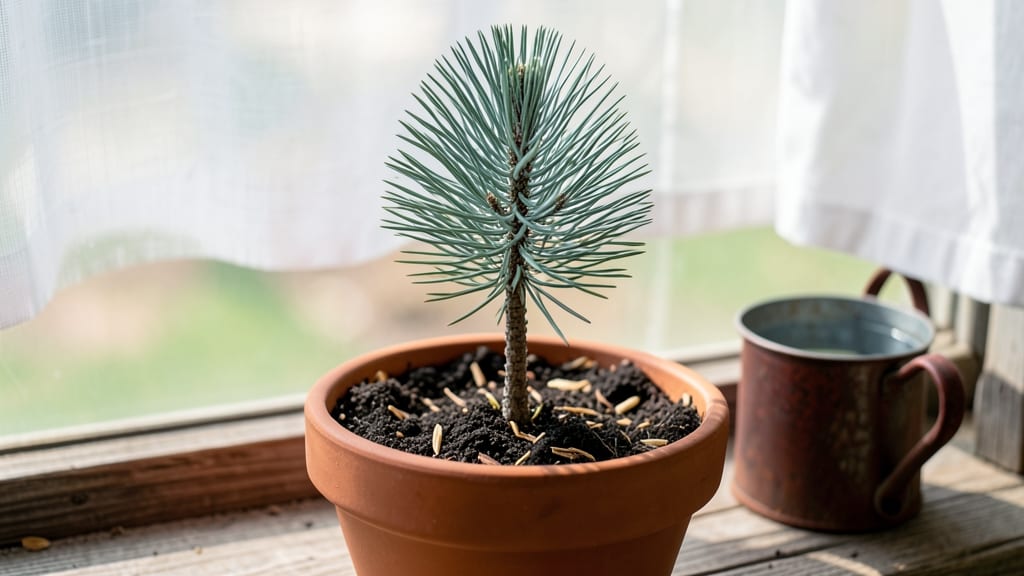
Growing a sequoia tree sapling from a tiny starter to a towering giant starts with the right conditions—and yes, it’s simpler than you’d think. 🌲 I’ve nurtured these majestic trees through their first five years, and the secret lies in mimicking their natural coastal or inland forest habitat right in your yard.
The key is well-draining soil, full sun, and consistent moisture without soggy roots. Sequoias hate sitting in water but need steady hydration, especially in their first two years.
Space saplings 10-15 feet apart—they’ll thank you later with dramatic growth spurts. Coastal varieties tolerate more humidity, while inland types need extra protection from drying winds.
By year three, you’ll see 6-12 feet of growth if you’ve nailed the basics. The needles will turn that signature deep green, and the bark will start its slow transformation into the iconic reddish-brown armor. Just watch for deer browsing—those saplings are tender until they’re 5 feet tall.
This method works for both coastal redwoods and giant sequoias, though the latter need slightly warmer microclimates. The real magic happens in spring and fall planting, when roots establish before summer heat or winter freezes test them. Let’s get that sapling thriving!
📚 In This Guide
- What you need
- Instructions
- Tips and common mistakes
- Wrapping up and next steps
What you need
- ● Sequoia tree sapling or seeds: 1 cold-hardy Sequoiadendron giganteum (giant sequoia) or Sequoia sempervirens (coast redwood) sapling (3–5 ft tall) or seeds (if starting from scratch).
- ● Well-draining soil: 50% native soil + 50% organic matter (compost, peat moss, or coconut coir).
- ● Planting container or hole: For containers: 1 large pot (15+ gallons) with drainage holes.
- ● For outdoor planting: Dig a hole twice as wide and as deep as the sapling’s root ball.
- ● Mulch: 2–3 inches of wood chips or pine straw (keep 6 inches away from the trunk).
- ● Watering can or hose: With a gentle spray nozzle for hydration.
- ● Pruning shears: Sharp, sterilized shears (for shaping and removing dead branches).
- ● Garden gloves: Heavy-duty for protection while handling soil and roots.
- ● Soil pH tester: Ideal pH range: 5.0–7.0 (sequoias prefer slightly acidic to neutral soil).
- ● Fertilizer: Slow-release balanced fertilizer (10-10-10) or organic compost tea (apply sparingly in early spring).
- ○ Tree support stake: 1 bamboo or metal stake (optional, for young saplings in windy areas).
- ● Shade cloth: Lightweight (30–50%) to protect seedlings from intense sun.
- ● Root stimulator: Mycorrhizal fungi or liquid rooting hormone (for transplant shock prevention).
Step-by-step instructions for growing a cold-hardy sequoia sapling
Here's how to give your sequoia the strong foundation it needs to thrive in cooler climates.
🌱 Step 1: Choose the Right Location and Prepare the Soil
Sequoias love space and deep soil—select a spot with at least 10 feet of clearance around the sapling to prevent root competition. The soil should be well-draining but moisture-retentive; sequoias hate soggy roots. If your soil is heavy clay, amend it with 2-3 inches of compost mixed into the top 12 inches of soil. I like to test drainage by digging a 1-foot deep hole and filling it with water—if it drains in under 30 minutes, you're good to go.
Sequoias prefer slightly acidic to neutral soil (pH 6.0-7.0). If your soil is alkaline, work in sulfur or peat moss to adjust the pH. A simple soil test kit from your local nursery will give you exact numbers. Here's the thing—sequoias grow best where they can spread their roots deep, so avoid compacted or rocky soil.
🪴 Step 2: Plant the Sapling at the Right Depth and Support
Dig a hole twice as wide as the sapling's root ball but only as deep as the root ball itself. Sequoias resent having their roots buried too deep, which can cause root rot. Gently remove the sapling from its container and loosen any circling roots with your fingers—this prevents girdling as it grows. Place it in the hole so the top of the root ball sits 1-2 inches below the surrounding soil line.
Backfill with native soil mixed with compost, tamping lightly every 2 inches to remove air pockets. Water deeply to settle the soil, then add a 4-inch layer of mulch (wood chips or bark) around the base, keeping it 6 inches away from the trunk. This mulch layer protects roots from temperature swings and retains moisture. Don't skip this—sequoias in cooler climates need that insulation.
☀️ Step 3: Provide Sunlight and Wind Protection
Sequoias need full sun (6-8 hours daily) to grow strong, but young saplings benefit from morning sun and afternoon shade during their first year. In cooler climates, I often use a lightweight shade cloth (30%) on the west side of the sapling to prevent leaf scorch from intense afternoon rays. Watch for leaves that turn yellow or crispy at the edges—that's your signal to adjust shade coverage.
Wind can stress young sequoias, so install a stake or tree guard if your area gets strong gusts. Tie the sapling loosely to the stake with soft tree ties (never wire or anything that can cut into the bark). Sequoias grow fast once established, but their first few years are critical. You'll see new growth in spring if the sapling has enough sunlight and protection.
💧 Step 4: Water Deeply and Monitor Growth
Water the sapling deeply once a week during its first growing season, soaking the soil to a depth of 12-18 inches. Sequoias have deep taproots, so shallow watering encourages weak, shallow roots. Check moisture by sticking your finger 2 inches into the soil—if it feels dry, it's time to water. Overwatering is the biggest mistake here; sequoias hate "wet feet."
Fertilize lightly in spring with a balanced, slow-release fertilizer (10-10-10) applied around the drip line. Avoid high-nitrogen fertilizers—they promote leafy growth at the expense of root and trunk development. By its second year, your sapling should show new growth rings (visible when you look at the base of the trunk) and a thicker stem. That's when you know it's adapting well to your climate.
Tips & tricks for perfect sequoia tree sapling growth
Here's what nobody tells you about nurturing these ancient giants in cooler climates—details that make all the difference.
Soil Preparation Secret: When testing drainage with that 1-foot deep hole, I've found adding a handful of perlite to the bottom of the hole before filling with water helps create better aeration. This mimics the natural forest floor where sequoias thrive. The water should drain completely within 20-30 minutes—any slower suggests you need more amendments like compost or sand.
Planting Depth Insight: The 1-2 inches below soil line rule is critical—this ensures the root flare (where roots meet trunk) stays visible above ground. I've seen many gardeners bury the flare too deep, which can strangle the tree over time. After planting, gently mound soil around the base to create a slight depression that catches water during irrigation.
Sunlight Strategy: That morning sun/afternoon shade combo during the first year is non-negotiable in cooler climates. I recommend positioning your 30% shade cloth on the west side first, then adjust based on leaf color. If you notice crispy edges by early afternoon, move the shade to cover more of the south side too. Sequoias are sun-lovers, but young leaves burn easily.
Watering Wisdom: The once-weekly deep watering rule works best when you check that 2-inch soil moisture test right after watering. If it feels damp at 2 inches but dry at 4 inches, you're not going deep enough. I use a soil probe to verify I'm reaching that 12-18 inch depth—sequoias need to develop those taproots early to handle winter freezes.
Pro Tips for Sequoia Tree Sapling
- Here's what nobody tells you about nurturing these ancient giants in cooler climates—details that make all the difference.
- Soil Preparation Secret: When testing drainage with that 1-foot deep hole, I've found adding a handful of perlite to the bottom of the hole before filling with water helps create better aeration.
- Planting Depth Insight: The 1-2 inches below soil line rule is critical—this ensures the root flare (where roots meet trunk) stays visible above ground.
Frequently asked questions
Got questions about growing sequoia tree saplings? You’re not alone—these majestic giants require patience and care! Here are answers to the most common queries to help you nurture your young sequoia with confidence.
How long does it take for a sequoia sapling to grow into a mature tree?
A sequoia sapling grows slowly but steadily—expect about 1–3 feet of growth per year under ideal conditions. With proper care, it may take 50–100 years to reach maturity (60+ feet tall!). Patience is key—these trees are built for longevity!
Can sequoia saplings survive in cold climates?
Sequoias are cold-hardy and thrive in USDA Zones 5–8. Young saplings may need winter protection (mulch, burlap wraps) in their first few years, but established trees handle frost like champions. Just avoid late-spring freezes when buds are vulnerable.
What’s the best alternative if I can’t grow a sequoia sapling?
If space or climate is a concern, consider these sequoia-like alternatives:
- Dawn Redwood (Metasequoia glyptostroboides): Fast-growing, cold-tolerant, and drought-resistant.
- Bald Cypress (Taxodium distichum): Thrives in wet soils and has striking foliage.
- Douglas Fir (Pseudotsuga menziesii): Hardy and widely adaptable.
Why is my sequoia sapling’s needles turning brown?
Brown needles usually signal overwatering, underwatering, or pest stress. Check soil moisture—sequoias prefer well-draining soil and hate soggy roots. Inspect for aphids or spider mites (spray with neem oil if needed). If the issue persists, test soil pH (ideal: 6.0–7.0).
How close can I plant a sequoia sapling to my house?
Keep saplings at least 20–30 feet away from structures to avoid root damage or foundation issues as they mature. Sequoias develop extensive root systems—give them room to stretch! If space is tight, opt for a container-grown specimen (though they’ll need repotting every few years).
Wrapping up and next steps
Growing a sequoia tree sapling is a rewarding journey that blends patience with nature’s majesty! 🌲 With the right soil, sunlight, and care, even a tiny sapling can thrive into a towering giant. Remember, consistency is key—whether you’re nurturing it in your backyard or a container.
Ready to watch your sequoia flourish? Start small today! Plant your sapling, follow the steps, and enjoy the satisfaction of nurturing one of Earth’s most iconic trees. Who knows? You might just grow the next generation of forest giants!